Lina Wu
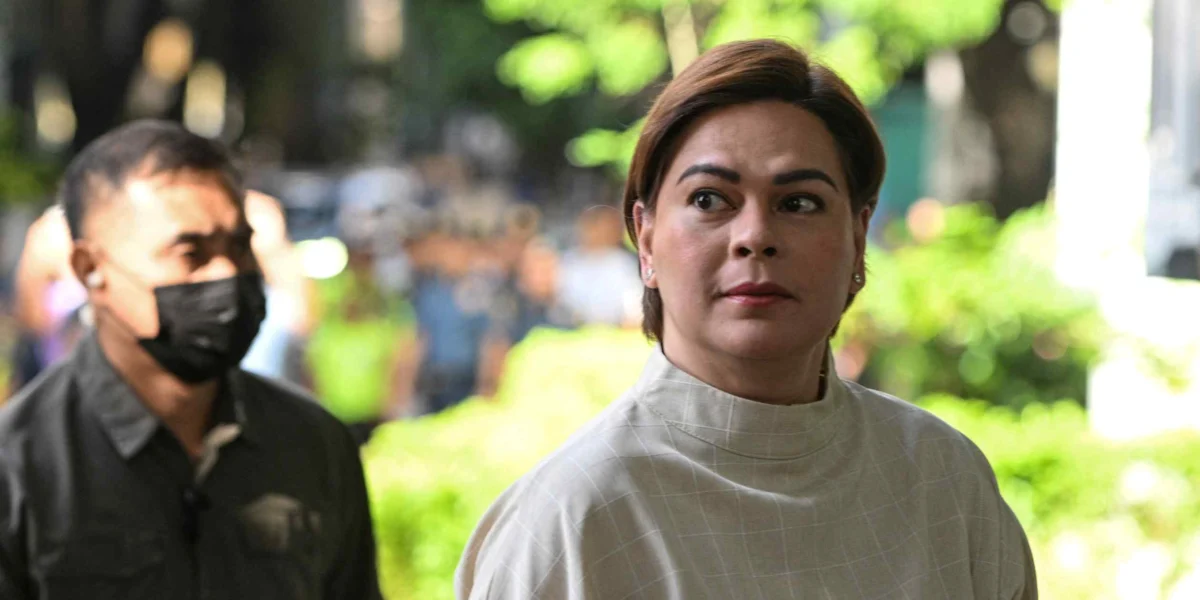
The political landscape of the Philippines is perpetually shaped by the enduring influence of prominent families, and in the lead-up to the pivotal 2028 general elections, the Duterte clan stands as a formidable force. With a deeply entrenched and fiercely loyal support base, the family, spearheaded by figures like current Vice President Sara Duterte, possesses a significant advantage as they navigate the complexities of national politics. This enduring popularity, cultivated over years of political maneuvering and direct connection with a substantial segment of the electorate, positions them to exert considerable influence in the upcoming electoral cycle, potentially shaping the nation’s leadership for years to come.

The Enduring Appeal of the Duterte Name
The political trajectory of the Duterte family is intrinsically linked to the populist appeal and strongman image that resonated deeply with a significant portion of the Filipino populace. Rodrigo Duterte, the former president, masterfully tapped into public frustration with corruption, crime, and perceived governmental ineffectiveness. His unwavering stance, often characterized by decisive and sometimes controversial actions, cultivated a devoted following that transcended traditional political affiliations. This base, often referred to as the "Duterte Die-hards," remains a potent political asset, demonstrating remarkable resilience and unwavering loyalty.
Sara Duterte, the current Vice President, has skillfully inherited and expanded upon this legacy. Her own electoral successes, both as Davao City mayor and as Vice President, underscore her ability to connect with voters on a personal level. Her platform, often emphasizing continuity with her father’s policies and a commitment to decisive governance, continues to attract a significant segment of the electorate. Data from past elections consistently shows the Duterte name as a powerful brand, capable of mobilizing voters and securing substantial mandates. For instance, in the 2022 general elections, Sara Duterte secured over 32 million votes, a testament to her individual appeal and the enduring strength of the Duterte political machinery.

A Foundation Built on Populism and Strong Governance
The Duterte brand of politics is largely characterized by a populist appeal, promising swift solutions to deep-seated societal problems. This resonates particularly with lower-income demographics and those feeling marginalized by the political establishment. The emphasis on order, discipline, and a no-nonsense approach to governance has consistently found favor with voters seeking a departure from what they perceive as the often-slow and convoluted processes of traditional politics.
Rodrigo Duterte’s presidency (2016-2022) was marked by a relentless war on drugs, a campaign that, while drawing international criticism for its human rights implications, was broadly supported by a significant portion of the Filipino public who prioritized security and order. This focus on decisive action, coupled with welfare programs and infrastructure development initiatives, solidified his connection with his base. Sara Duterte has, to some extent, continued this narrative, advocating for a strong stance on law and order and focusing on accessible public services.

The 2028 Electoral Landscape: A Look Ahead
As the Philippines gears up for the 2028 general elections, which will include the presidential and vice-presidential races, the Duterte family’s political capital is a significant factor. While presidential term limits prevent Rodrigo Duterte from seeking another term, his influence as a kingmaker remains potent. Sara Duterte, as the incumbent Vice President, is a natural contender for higher office, and her popularity suggests she will be a formidable candidate.
The electoral dynamics of 2028 will likely see a contest for the presidency, with various political factions vying for power. The performance of the current administration, led by President Ferdinand Marcos Jr., and the broader economic and social conditions of the country will undoubtedly play a crucial role. However, the established loyalty of the Duterte base provides a solid foundation upon which any Duterte candidacy can build. This bloc of voters is not easily swayed by opposing narratives and often rallies behind candidates who embody the perceived strengths of the Duterte legacy.

Potential Candidates and Strategic Alliances
The potential for a Duterte presidential bid in 2028 hinges on various factors, including Sara Duterte’s own aspirations and the broader political alignments that emerge. She has, in the past, expressed openness to running for the presidency, and her current position as Vice President places her in a prime position to launch such a campaign. Her existing political machinery, honed through years of electoral campaigns, is well-oiled and capable of mobilizing resources and voters effectively.
Beyond Sara Duterte, other members of the family have also occupied significant political offices, further solidifying their presence in national politics. This network allows for strategic alliances and the distribution of political influence. The ability of the Dutertes to forge alliances with other political forces will be crucial in the complex calculus of national elections. Their appeal transcends party lines for many voters, allowing for flexibility in coalition-building.

Challenges and Opportunities
While the Duterte family enjoys substantial popular support, they are not without their challenges. The current political climate is dynamic, with emerging leaders and shifting public sentiments. The economic performance of the country, the resolution of ongoing geopolitical tensions, and the government’s ability to address pressing social issues will all influence voter perceptions.
Furthermore, any Duterte candidacy will inevitably face scrutiny and opposition from those who have been critical of the family’s political style and policies. The legacy of the war on drugs, allegations of corruption, and concerns about democratic institutions will likely be central themes for their opponents. However, the Duterte base has historically shown a remarkable capacity to withstand such criticisms, often interpreting them as politically motivated attacks.

The opportunity for the Dutertes lies in their ability to maintain and mobilize their core support while potentially expanding their appeal to a broader electorate. This could involve highlighting new policy initiatives, emphasizing their commitment to national development, and projecting an image of unity and stability. The narrative of strong leadership and decisive action, which has been so successful in the past, will likely be a cornerstone of any future campaigns.
Historical Precedents and Political Dynamics
The Philippines has a long history of dynastic politics, where political power is often passed down through generations of prominent families. The Dutertes are a contemporary example of this phenomenon, demonstrating the enduring appeal of established political names. Their rise to prominence, particularly Rodrigo Duterte’s presidency, disrupted the traditional political order and introduced a new brand of populist leadership that has since become deeply ingrained in the national consciousness.

The political dynamics leading up to 2028 will be shaped by the current administration’s performance, the evolving socio-economic landscape, and the strategies employed by various political actors. The Dutertes, with their established support base and experienced political apparatus, are well-positioned to be major players in this unfolding narrative. Their ability to adapt to changing political winds while maintaining the loyalty of their core supporters will be key to their continued influence in Philippine politics. The upcoming elections represent a critical juncture, and the Duterte family’s capacity to leverage their popular appeal will undoubtedly be a central element in determining the nation’s political future.