Reynand Wu

Taipei, Taiwan – Taiwan’s headline inflation moderated to 2.33% year-on-year in October, down from 2.74% in September, with core inflation also easing to 2.23%. While these figures represent a slight deceleration, both measures remain stubbornly above the Central Bank of the Republic of China (Taiwan) (CBC)’s 2% alert level, creating a complex monetary policy landscape. Analysts from MUFG anticipate the CBC will likely maintain its policy rate at 2.00% during its upcoming December meeting, yet persistent weakness in the New Taiwan Dollar (TWD) could introduce upside risks to this forecast, compelling officials to consider a more hawkish stance. The TWD’s recent behavior, increasingly tied to global semiconductor cycles and equity flows rather than traditional current account strength, presents a unique challenge for policymakers aiming to balance price stability with economic growth amidst global uncertainties.
Taiwan’s Inflationary Landscape: Above the Alert Level
Taiwan’s economy, a critical cog in the global technology supply chain, has navigated a period of elevated inflation mirroring global trends, though generally less severe than in many Western economies. For much of the pre-pandemic decade, Taiwan enjoyed a period of low and stable inflation, often hovering below 1.5%. However, the global economic disruptions following the COVID-19 pandemic, coupled with surging commodity prices and supply chain bottlenecks, pushed the Consumer Price Index (CPI) upwards.
The headline inflation rate, which hit 2.74% year-on-year in September, registered its highest point in recent months before moderating slightly to 2.33% in October. This easing was primarily attributed to a stabilization in certain food prices and a slowdown in the pace of increase for some imported goods. However, the core inflation rate, which strips out volatile food and energy components to provide a clearer picture of underlying price pressures, also moderated to 2.23%. The fact that both headline and core inflation remain above the CBC’s informal 2% alert level underscores the persistence of inflationary pressures within the economy. This 2% threshold is a widely adopted benchmark by central banks globally, signaling a healthy level of inflation that supports economic activity without eroding purchasing power too rapidly. Sustained breaches often prompt central banks to consider tighter monetary policies.
Key drivers of Taiwan’s inflation have included rising energy costs, particularly for imported oil and gas, as well as higher food prices influenced by global supply disruptions and domestic weather patterns. Additionally, robust domestic demand, fueled by strong corporate earnings in the tech sector and a relatively resilient labor market, has contributed to services inflation. The sustained increase in housing costs and rents also forms a significant component of the CPI basket, adding to the cost of living for many Taiwanese households.
The Central Bank’s Policy Stance and Upcoming Decisions
The Central Bank of the Republic of China (Taiwan) operates with a dual mandate: maintaining price stability and fostering financial stability, while also supporting sustainable economic growth. In response to rising inflation, the CBC embarked on a series of interest rate hikes beginning in March 2022, after years of maintaining a historically low policy rate. The cumulative effect of these adjustments brought the benchmark policy rate to its current level of 2.00% in March 2023, following a 12.5 basis point increase. This move marked the fifth consecutive rate hike, totaling 75 basis points over a year.
Since March 2023, the CBC has maintained a cautious "wait-and-see" approach, opting to hold the policy rate steady at 2.00% in subsequent meetings. This decision has been influenced by a combination of factors: signs of moderating global inflation, concerns over the global economic slowdown impacting Taiwan’s export-dependent economy, and the desire to assess the full impact of previous rate hikes on domestic demand and price pressures. The upcoming December policy meeting is keenly watched by markets and businesses alike. MUFG’s assessment suggests a strong likelihood that the CBC will again opt to keep the policy rate unchanged. This anticipated stability reflects the central bank’s careful balancing act, acknowledging the easing of some inflationary pressures while remaining vigilant about the 2% threshold. However, the persistent depreciation of the New Taiwan Dollar adds a layer of complexity, potentially tilting the risk assessment towards an unexpected hike. A weaker currency generally makes imports more expensive, contributing to imported inflation and potentially undermining the CBC’s efforts to control domestic price levels.
The New Taiwan Dollar’s Evolving Dynamics: A High-Beta Currency
Historically, the New Taiwan Dollar has been characterized as a fundamentally strong, current account-driven Asian currency. Taiwan’s economy consistently generates substantial trade surpluses, a result of its highly competitive export sector, particularly in electronics and semiconductors. This robust current account typically implies a structural demand for the TWD, providing a natural buffer against depreciation. However, recent trends have seen the TWD behaving increasingly like a "high-beta semiconductor and equity-flow currency." This fundamental shift in behavior is a significant development, reflecting Taiwan’s deep integration into the global technology ecosystem.
A "high-beta" currency is one whose value is more sensitive to broader market movements, particularly in specific sectors or equity markets, than the general market. For the TWD, this means its performance is now closely correlated with the global semiconductor cycle and the ebb and flow of capital into and out of the Taiwanese stock market, which is heavily weighted towards technology giants like Taiwan Semiconductor Manufacturing Company (TSMC). When global demand for semiconductors is strong, or when international investors are bullish on tech stocks, capital flows into Taiwan, strengthening the TWD. Conversely, downturns in the semiconductor cycle or a broader risk-off sentiment in global equity markets can trigger significant capital outflows, leading to TWD depreciation.
This recent behavior deviates from its historical role as a relatively stable currency backed by a formidable trade surplus. Factors contributing to this shift include the increased dominance of the tech sector in Taiwan’s GDP and export composition, the growing interconnectedness of global financial markets, and perhaps also a reassessment by international investors of Taiwan’s risk profile in a complex geopolitical landscape. The TWD’s depreciation against the US dollar in 2023, for instance, has been notable, reflecting the strength of the US dollar driven by aggressive Federal Reserve rate hikes and a risk-off sentiment that often favors safe-haven currencies.
CBC’s Strategic Interventions and Market Guidance
The CBC is not passive in the face of TWD weakness, particularly when it threatens price stability or financial market order. While the central bank typically prefers market forces to determine the exchange rate, it has a history of intervening to prevent excessive volatility or speculative attacks. In recent periods of TWD weakness, the CBC has employed a more nuanced approach, combining direct market intervention with strategic communication and guidance to market participants.
A notable example of this was the recent encouragement by CBC officials for exporters to convert their US dollar proceeds whenever conditions are favorable. This directive is a soft form of intervention, aiming to increase the supply of US dollars in the domestic market and thus support the TWD without direct, heavy-handed market operations. Exporters, who accumulate significant foreign currency earnings, typically hold these dollars for various periods, sometimes converting them only when needed for local expenses or when exchange rates are perceived to be optimal. By urging timely conversion, the CBC seeks to smooth out demand-supply imbalances in the foreign exchange market.
Furthermore, the CBC also urged banks to "fulfill exporters’ US dollar conversion needs." This emphasizes the role of financial institutions in facilitating these conversions efficiently, ensuring liquidity and smooth transactions. This dual approach — encouraging exporters and guiding banks — highlights the CBC’s preference for market-based solutions and cooperation from key stakeholders, rather than solely relying on interest rate hikes or large-scale foreign exchange market interventions that could be more disruptive. These actions reflect the central bank’s concern that persistent TWD weakness could exacerbate imported inflation and potentially lead to financial instability, thus necessitating a proactive, albeit subtle, response.
Broader Economic Implications and Global Linkages
The intertwining dynamics of inflation, currency weakness, and the CBC’s policy stance have significant implications for Taiwan’s economy and its various stakeholders. For exporters, a weaker TWD can initially be beneficial, making their products cheaper and more competitive in international markets when priced in foreign currencies. However, many Taiwanese exporters also rely heavily on imported components and raw materials, whose costs rise with a depreciating currency, potentially eroding profit margins. Managing foreign exchange risk becomes paramount for these businesses.
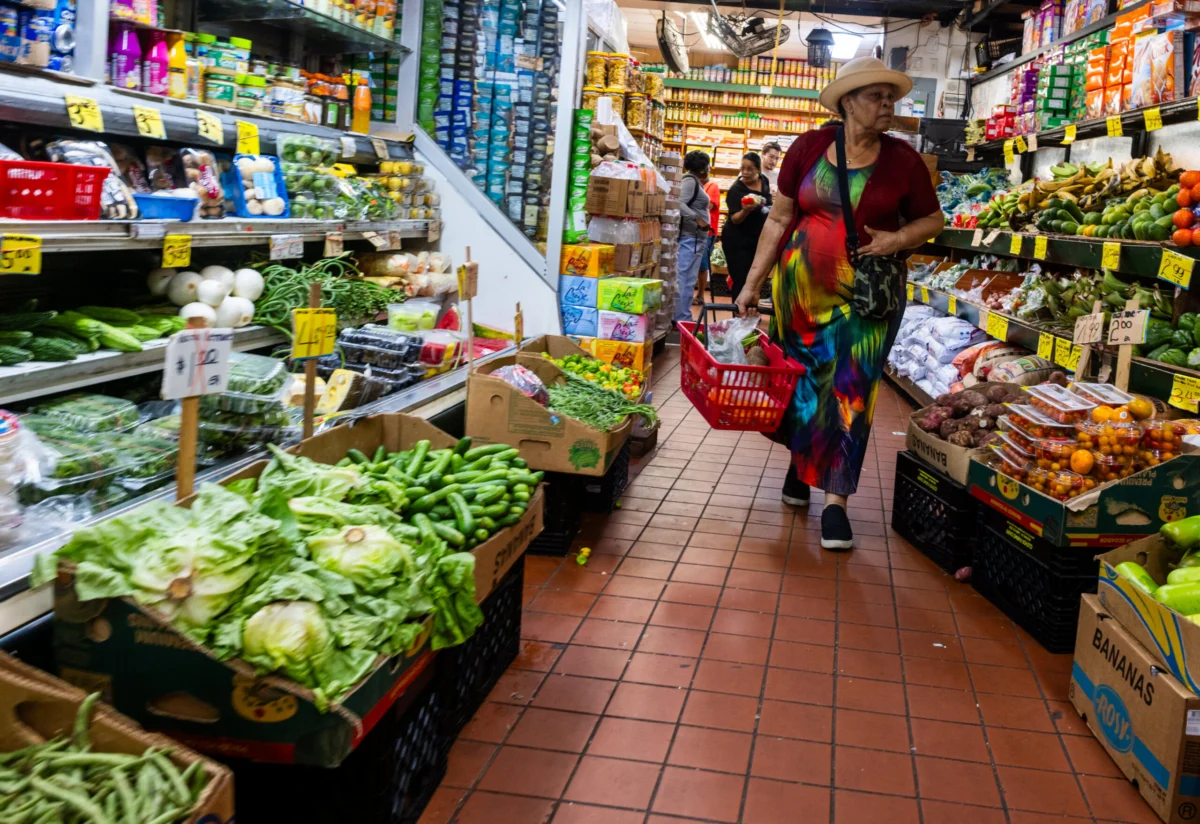
Importers and consumers generally face adverse effects. A weaker TWD translates directly into higher costs for imported goods, from energy and food to luxury items, fueling inflationary pressures and eroding purchasing power. This impacts household budgets and overall consumer confidence.
For investors, the TWD’s high-beta behavior means that investment decisions in Taiwan’s equity and bond markets are increasingly sensitive to global tech cycles and capital flow dynamics. Foreign investors, in particular, must consider the additional layer of currency risk when allocating capital to Taiwanese assets.
The global economic environment, especially the US interest rate trajectory, plays a crucial role. The original analysis touches upon the potential impact of a "Democratic sweep" in US elections, suggesting a lower US yield tail risk. This point highlights a significant global linkage. Lower US Treasury yields typically indicate reduced expectations for US interest rate hikes or even future rate cuts. For technology-heavy markets like Taiwan, lower US yields are generally positive. Tech companies, with their often long-dated future earnings streams, are particularly sensitive to discount rates. Lower interest rates mean these future earnings are discounted at a lower rate, thereby supporting higher valuations for tech stocks. Given that Taiwan’s stock market is dominated by semiconductor and technology firms, such a scenario could provide significant support for Taiwanese equities and the broader market sentiment, potentially attracting foreign capital and offering some counter-balance to TWD weakness.
The Semiconductor Nexus and Capital Flow Sensitivity
Taiwan’s economic destiny is inextricably linked to the global semiconductor industry. Companies like TSMC are not just national champions but global linchpins, producing over 90% of the world’s most advanced logic chips. This concentration, while a source of immense wealth and technological leadership, also makes Taiwan’s economy and its currency highly susceptible to the boom-and-bust cycles of the chip industry.
The "equity-flow currency" characteristic of the TWD is a direct consequence of this. When global demand for electronics surges, leading to strong order books for TSMC and other Taiwanese tech firms, foreign institutional investors pour capital into the Taiwan Stock Exchange, driving up equity prices and strengthening the TWD. Conversely, during periods of inventory corrections, demand slowdowns, or geopolitical uncertainties affecting the tech sector, capital can swiftly exit, exerting downward pressure on the currency.
This sensitivity is amplified by the sheer scale of foreign portfolio investment in Taiwan’s stock market. Foreign investors hold significant stakes in major Taiwanese companies, and their buying and selling decisions can move billions of dollars, directly impacting the TWD’s exchange rate. The CBC’s challenge is to manage the currency’s volatility arising from these capital flows, ensuring it doesn’t destabilize the financial system or unduly impact domestic price levels. The central bank must differentiate between fundamental, trade-driven currency movements and more speculative or sentiment-driven capital flows when formulating its response.
Geopolitical and Future Economic Outlook
Beyond economic fundamentals, Taiwan’s unique geopolitical position adds another layer of complexity to its economic and currency outlook. While not explicitly mentioned in the original analysis, concerns over cross-strait relations and regional stability can influence investor sentiment and capital flows, periodically impacting the TWD’s perceived risk premium. Any escalation or de-escalation of tensions can trigger shifts in foreign investment, further contributing to the TWD’s "high-beta" behavior in response to non-economic factors.
Looking ahead, the CBC’s December meeting will be crucial in setting the tone for monetary policy in early 2024. While the expectation remains for a policy rate hold, the central bank’s rhetoric regarding inflation and TWD weakness will be closely scrutinized. Should inflation re-accelerate or the TWD experience sustained, significant depreciation that threatens financial stability, the CBC might be compelled to reconsider a rate hike, even at the risk of potentially dampening economic growth. The delicate balance between controlling inflation, managing currency volatility, and supporting Taiwan’s vital export-oriented economy will continue to define the CBC’s policy calculus in the months to come. The TWD’s journey from a traditional strong current account currency to one deeply entwined with global tech and equity flows represents a pivotal evolution that demands adaptive and nuanced policy responses from Taiwan’s monetary authorities.