Lina Wu
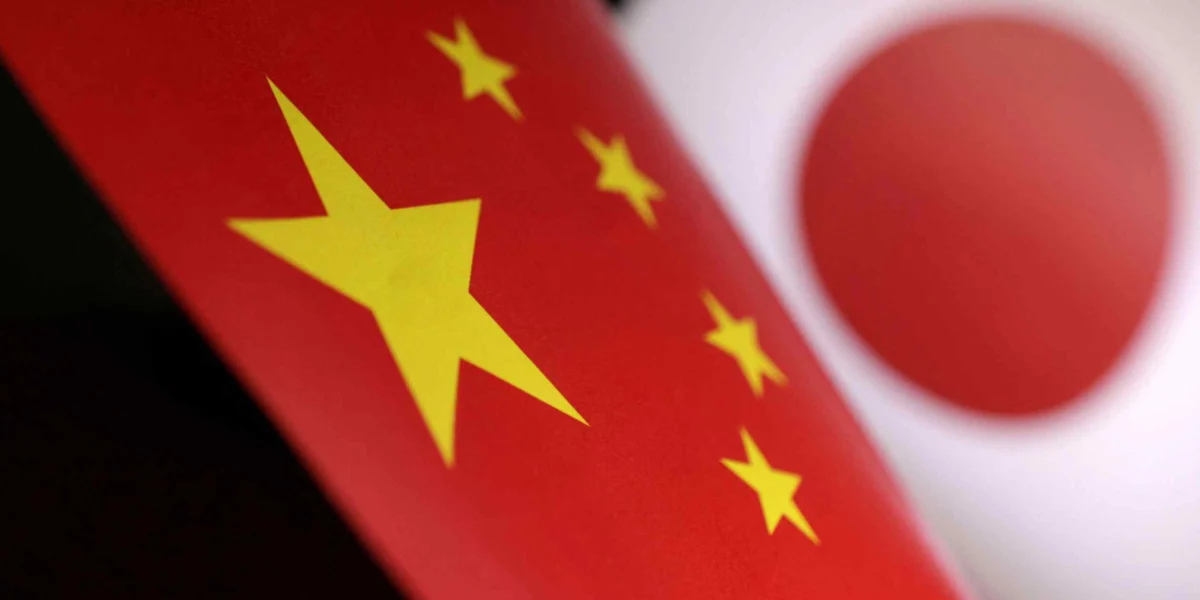
BEIJING – The immensely popular Japanese television drama "Vivant," known for its intricate plotlines and ambitious production, has found itself at the center of a diplomatic spat, with state-run Chinese media issuing sharp criticism over its depiction of Chinese intelligence operatives. The drama’s second season, which premiered recently, has ignited controversy by portraying fictional Chinese intelligence units as "ruthless perpetrators" engaged in the torture of Japanese covert operatives, a narrative that Beijing has deemed offensive and a distortion of reality.
The controversy first surfaced on Chinese social media platforms, where a significant portion of the public discourse surrounding the drama’s latest installment took place. Reports from Chinese news outlets highlighted widespread online reactions, many of which echoed the official sentiment. State-backed media amplified these concerns, framing the drama’s portrayal not merely as creative license but as a deliberate and damaging misrepresentation that could fuel negative perceptions of China.
Background: The Rise of "Vivant" and its International Appeal
"Vivant," which translates to "The Living" or "The Alive," is a serialized television drama that debuted in Japan in July 2023. Created by Koji Hakemitsu and starring a star-studded cast including Takuya Kimura, the series quickly garnered a massive domestic audience, captivating viewers with its globe-trotting espionage themes, complex character development, and high-stakes plot twists. The first season was lauded for its cinematic quality and its ability to blend elements of action, mystery, and political intrigue.
The drama’s premise typically involves Japanese protagonists caught in perilous international situations, often requiring them to navigate treacherous geopolitical landscapes and confront hostile intelligence agencies. While the first season did not directly focus on China, its success paved the way for ambitious storytelling in subsequent seasons. The decision to center a significant portion of the second season’s conflict around a fictional Chinese intelligence apparatus, and to depict its agents in such a negative light, appears to have been the critical misstep in the eyes of Beijing.
The Core of the Controversy: Portrayal of Chinese Intelligence
According to reports originating from China, the specific scenes causing offense depict Chinese intelligence agents employing brutal interrogation tactics, including torture, against Japanese undercover operatives. This depiction has been decried by Chinese state media as a gross exaggeration and a deliberate attempt to demonize China’s intelligence services. State-run outlets, such as those affiliated with the Communist Party of China’s propaganda apparatus, have seized upon these portrayals to argue that the drama is perpetuating harmful stereotypes and contributing to a negative international image of China.
One prominent line of criticism, as reported by Chinese media, focuses on the alleged "ruthlessness" of these fictional Chinese agents, suggesting that their actions are presented without nuance and serve only to paint China as an antagonist on the global stage. This narrative is particularly sensitive in the context of ongoing geopolitical tensions between China and Japan, as well as broader international concerns regarding China’s human rights record and its assertive foreign policy.
Timeline of Reactions and Escalation
While the precise timeline of initial reactions is difficult to pinpoint without access to the full breadth of Chinese social media commentary, the official state media criticism appears to have emerged in the days following the broadcast of the controversial episodes.
- Initial Social Media Buzz: Following the premiere of "Vivant" Season 2, discussions on Chinese social media platforms likely began to circulate regarding the drama’s new plot elements.
- State Media Amplification: Chinese state-run media outlets, monitoring social media trends and public sentiment, began to report on and amplify criticisms of the drama’s portrayal of Chinese agents.
- Official Condemnation: The amplified social media discourse led to more direct condemnation from official Chinese media, framing the drama as an act of cultural aggression or propaganda.
- Diplomatic Undertones: While no formal diplomatic protest has been officially announced by the Chinese government, the strong public condemnation by state media carries significant diplomatic weight and signals Beijing’s displeasure. Such critiques often serve as a precursor to more formal diplomatic actions or as a means of gauging international and domestic public opinion.
Supporting Data and Context: China-Japan Relations
The controversy surrounding "Vivant" is not occurring in a vacuum. It is situated within a broader context of complex and often strained relations between China and Japan. These relations are characterized by:
- Historical Grievances: Lingering historical issues, particularly related to Japan’s wartime actions in China, continue to be a sensitive point in bilateral relations. Any perceived disrespect or misrepresentation of China can easily tap into these historical sensitivities.
- Geopolitical Rivalry: Both nations are major economic and geopolitical players in East Asia. They often find themselves competing for influence, with differing perspectives on regional security and international order.
- Territorial Disputes: Disputes over territorial claims, such as the Senkaku/Diaoyu Islands in the East China Sea, periodically escalate tensions between the two countries.
- Information Warfare and Propaganda: Both China and Japan, like many nations, engage in efforts to shape public opinion domestically and internationally. State-controlled media in China are particularly adept at framing narratives that serve the interests of the ruling Communist Party.
Data from organizations like the Pew Research Center has consistently shown that public opinion in China towards Japan, and vice versa, can fluctuate significantly based on current events and the prevailing media narratives. The "Vivant" controversy, by aligning with existing negative perceptions of foreign intelligence operations and potentially tapping into historical animosities, could contribute to a further hardening of attitudes.
Statements and Reactions (Inferred)
While direct quotes from official Japanese sources on this specific issue may not be immediately available, the situation can be analyzed in terms of expected diplomatic protocols and public relations strategies:
- From Chinese State Media: The criticism has been direct and unequivocal, framing the drama’s content as harmful and unacceptable. Phrases like "ruthless perpetrators" and accusations of distortion are indicative of the official tone. News outlets have likely quoted unnamed analysts or commentators who echo these sentiments, lending an air of expert consensus to the critique.
- From Japanese Broadcasters/Producers (Likely Response): It is highly probable that the producers of "Vivant" and its broadcasting network, TBS, would issue a statement emphasizing the fictional nature of the drama. They would likely assert that the series is a work of entertainment designed to explore themes of espionage and international intrigue, and that the portrayal of any specific nation or intelligence agency is a narrative choice within a fictional context. Such statements often aim to de-escalate the situation by emphasizing creative freedom and distinguishing fiction from reality. They might also highlight the drama’s international appeal and its intent to engage audiences with compelling storytelling rather than to make political statements.
- From the Japanese Government (Potential Response): The Japanese government would likely adopt a cautious approach. While not directly commenting on fictional television content, they might issue general statements about the importance of maintaining positive bilateral relations and fostering mutual understanding. If the controversy escalates to a diplomatic level, a formal statement from the Ministry of Foreign Affairs of Japan might address the broader context of China-Japan relations without directly engaging with the specifics of the drama.
Analysis of Implications
The controversy surrounding "Vivant" carries several significant implications:
- Impact on Cultural Exchange: Such incidents can have a chilling effect on cultural exchange between countries. When a popular cultural product becomes a source of diplomatic friction, it can lead to increased scrutiny and self-censorship, potentially hindering future collaborative projects or the free dissemination of cultural works.
- Reinforcement of Existing Narratives: For China, the criticism serves to reinforce its narrative of being unfairly targeted or misrepresented by foreign media. This can be used to bolster domestic support and to rally nationalist sentiment.
- Geopolitical Signaling: Beijing’s strong reaction can be seen as a signal to Japan and the international community that it is sensitive to portrayals of its intelligence services and its national image. This serves as a subtle warning against what it perceives as hostile narratives.
- Media as a Diplomatic Tool: The incident underscores how popular culture, particularly television dramas, can become unwitting participants in geopolitical rivalries. State media’s ability to rapidly mobilize public opinion around a fictional narrative highlights the increasing interconnectedness of entertainment, social media, and international relations.
- Challenge for International Storytelling: For creators of international spy thrillers and dramas, the "Vivant" incident presents a challenge. Balancing the need for compelling and often adversarial narratives with the sensitivities of various national governments and publics requires careful consideration and a nuanced approach to character and plot development. The line between dramatization and defamation can be thin, and its perception can vary widely across different cultural and political contexts.
In conclusion, the hit Japanese drama "Vivant" has inadvertently become a focal point in the complex diplomatic relationship between Japan and China. By portraying fictional Chinese intelligence agents in a negative light, the series has ignited a firestorm of criticism from Chinese state media, highlighting the potent role of popular culture in shaping national perceptions and the ever-present sensitivities in East Asian geopolitics. The ensuing controversy serves as a stark reminder of the challenges inherent in international storytelling and the delicate balance required to navigate the intersection of entertainment, national interest, and diplomatic relations.