Lina Wu
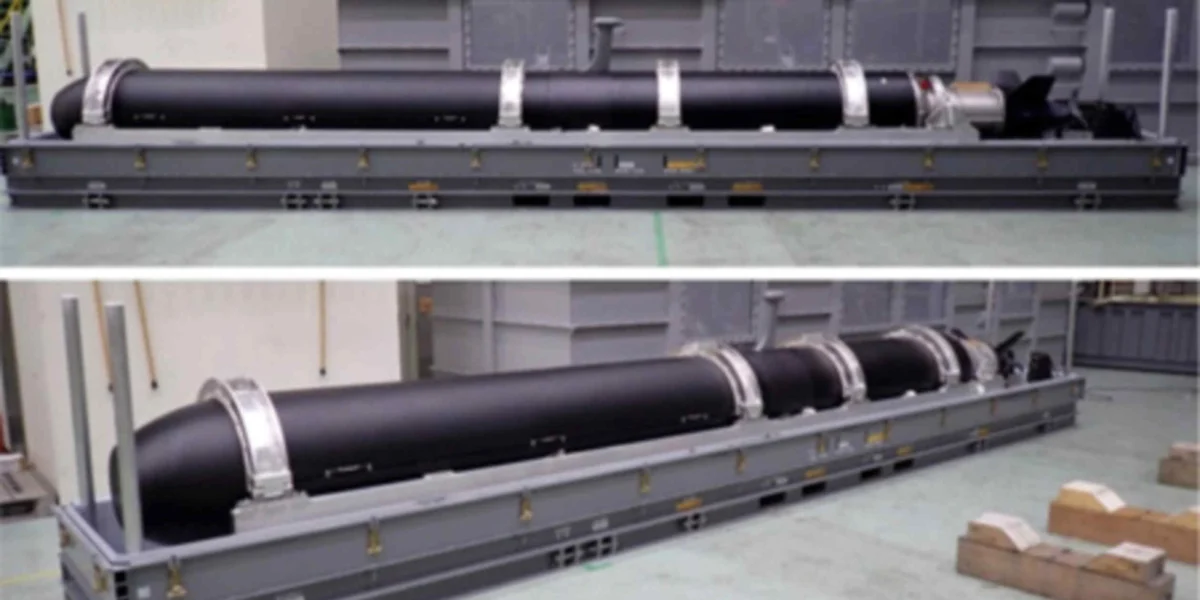
Japan is set to strategically deploy a fleet of advanced underwater drones to monitor foreign submarine activity, a significant move aimed at bolstering its maritime defense capabilities and countering the expanding naval presence of China in the Indo-Pacific region. This initiative also addresses persistent challenges within the Japan Maritime Self-Defense Force (JMSDF) concerning crew recruitment and the inherent risks associated with traditional submarine detection and tracking missions. The deployment marks a technological leap for Japan’s defense sector, leveraging unmanned systems to enhance both operational efficiency and the nation’s deterrence posture.
The decision to invest heavily in autonomous underwater vehicles (AUVs) for surveillance comes at a critical juncture for regional security. China’s rapid naval modernization, particularly its submarine force, has been a primary driver of concern for Japan and its allies. Beijing has been consistently increasing the number and sophistication of its submarines, including conventionally powered attack submarines (SSKs) and nuclear-powered ballistic missile submarines (SSBNs), which pose a growing threat to maritime trade routes and regional stability. Intelligence reports and naval analyses indicate that China’s submarine fleet has grown from approximately 60 submarines in 2010 to over 70 by 2020, with projections suggesting a continued expansion in the coming years. This expansion is not merely in quantity but also in technological advancement, with newer Chinese submarines featuring quieter propulsion systems and advanced sensor arrays, making them more difficult to detect using conventional methods.
Historically, the JMSDF has relied on a combination of active and passive sonar systems, maritime patrol aircraft, and manned submarines for submarine hunting. These methods, while effective, are resource-intensive and place significant strain on personnel. The underwater environment is inherently challenging for detection, with factors such as water temperature, salinity, and seabed topography significantly affecting sonar performance. Furthermore, sustained submarine patrols require substantial crew complements, leading to recruitment and retention challenges that have been a persistent concern for many modern navies, including Japan’s. The JMSDF, like its counterparts globally, faces an aging population and a competitive job market, making it increasingly difficult to attract and retain the highly skilled personnel needed for complex naval operations.
The introduction of underwater drones offers a multi-faceted solution. These AUVs can operate for extended periods, cover vast areas of the ocean, and collect critical intelligence on submarine movements without directly exposing human crews to potential dangers. They can be deployed from surface vessels or shore bases, offering greater flexibility in operational planning. The drones can be equipped with a suite of sensors, including advanced sonar, magnetic anomaly detectors (MAD), and optical sensors, providing comprehensive data for analysis. This technology allows for persistent, low-signature monitoring, a crucial advantage when tracking stealthy modern submarines.
A Phased Approach to Technological Integration
The current deployment is not an entirely new venture for Japan. The JMSDF has already been utilizing underwater drones, though primarily for mine clearance operations. These existing capabilities provide a foundational understanding and operational experience that can be leveraged for the new surveillance mission. The evolution from mine countermeasures to advanced intelligence gathering signifies a strategic shift in the utilization of unmanned underwater systems.
The timeline for this expanded deployment is still being finalized, but sources within the Ministry of Defense suggest a phased integration over the next five to ten years. Initial deployments will likely focus on key strategic waterways, such as the East China Sea and the waters surrounding Japan’s southern islands, areas where Chinese submarine activity has been most pronounced. The drones will be tasked with continuously monitoring these areas, identifying any unfamiliar or potentially hostile submarine signatures, and relaying this information to command centers for further action. This proactive approach aims to provide early warning and enhance Japan’s ability to respond effectively to any perceived threats.
Addressing the "China Factor"
The strategic impetus behind this move is undeniably linked to China’s expanding naval power projection. Over the past two decades, the People’s Liberation Army Navy (PLAN) has undergone a dramatic transformation, shifting from a coastal defense force to a blue-water navy capable of operating across vast oceanic distances. The growth of China’s submarine fleet is a cornerstone of this strategy, with its submarines increasingly venturing into the Western Pacific and beyond. Reports from organizations like the U.S. Department of Defense and the Royal Australian Navy have consistently highlighted the increased presence and operational tempo of Chinese submarines in waters closer to Japan.
Japan’s geographical position, with its extensive coastline and proximity to major East Asian shipping lanes, makes it particularly vulnerable to submarine threats. The potential for interdiction of vital sea lines of communication (SLOCs) is a significant concern for Japan, an island nation heavily reliant on maritime trade for its economic survival. By deploying underwater drones, Japan aims to create a more robust and pervasive underwater surveillance network, making it more difficult for foreign submarines to operate undetected in its vicinity.
Data-Driven Defense and Enhanced Deterrence
The data collected by these underwater drones will be crucial for building a comprehensive picture of underwater activity. Advanced analytics and artificial intelligence (AI) will likely be employed to process the vast amounts of sensor data, identifying patterns, anomalies, and potential threats with greater speed and accuracy than human analysis alone. This data-driven approach to defense is becoming increasingly vital in modern warfare, where information superiority can be a decisive advantage.
The enhanced deterrence capability is another significant implication of this strategy. A more effective surveillance system, coupled with the ability to quickly identify and track potential threats, can discourage aggressive actions. Knowing that their submarines are likely to be detected and monitored can act as a significant deterrent, influencing the decision-making calculus of potential adversaries. This is particularly relevant in the context of the disputed Senkaku Islands (known as the Diaoyu Islands in China), where maritime tensions have frequently flared.
Supporting Technological Advancements
The development and deployment of these advanced underwater drones will likely involve collaboration between Japan’s defense industry, research institutions, and international partners, particularly the United States. Japanese companies like Mitsubishi Heavy Industries and Kawasaki Heavy Industries are already involved in naval technology development, and this initiative is expected to spur further innovation in AUV design, sensor technology, and autonomous navigation systems. The global market for unmanned maritime systems is projected to grow significantly in the coming years, and Japan aims to be at the forefront of this technological revolution.
The financial investment required for such a large-scale deployment will be substantial. While specific figures have not been released, defense budgets in Japan have been steadily increasing, reflecting the evolving security landscape. The allocation of resources towards unmanned systems represents a strategic prioritization of next-generation defense capabilities. This investment is seen as essential for maintaining a credible defense posture in an increasingly complex and challenging geopolitical environment.
Broader Implications for Regional Security
The implications of Japan’s move extend beyond its immediate defense needs. It signals a proactive approach to maritime security in the Indo-Pacific and could influence the defense strategies of other regional actors. Allies and partners of Japan, such as the United States, Australia, and South Korea, will likely be watching this development closely and may seek to enhance their own capabilities or explore greater interoperability with Japan’s new drone fleet.
This initiative also highlights a broader trend in global defense: the increasing reliance on unmanned systems to complement and, in some cases, replace manned platforms. As technology advances, AUVs and other unmanned systems are becoming more capable, cost-effective, and versatile. Japan’s decision to embrace this trend positions it as a leader in adopting future-oriented defense technologies.
In conclusion, Japan’s plan to deploy underwater drones for submarine surveillance is a strategic response to evolving regional security challenges, particularly the growing assertiveness of China’s navy. By leveraging advanced technology, Japan aims to enhance its maritime domain awareness, bolster its deterrence capabilities, and alleviate critical personnel challenges within its defense forces. This move underscores Japan’s commitment to maintaining regional stability and its willingness to invest in cutting-edge solutions to safeguard its national interests in the Indo-Pacific. The success of this initiative will depend on continued technological innovation, effective integration into existing defense structures, and robust international cooperation.