Lina Wu
TOKYO – In a move poised to revolutionize aerial surveying and delivery services, Japan has officially lifted the regulatory cap on the number of drones a single remote pilot can simultaneously operate. This significant policy shift, announced by the Ministry of Land, Infrastructure, Transport and Tourism, is expected to dramatically expand the reach and efficiency of drone applications, particularly in addressing persistent labor shortages in rural logistics and critical infrastructure inspection.

The previous regulation, which limited pilots to overseeing just one drone at a time, had been a considerable bottleneck for companies looking to scale their drone operations. This change, effective immediately, empowers a single operator to monitor and control multiple unmanned aerial vehicles (UAVs) concurrently, a development that industry experts predict will lead to a surge in drone service adoption across various sectors.
Historical Context: The Evolution of Drone Regulations in Japan
The journey towards this regulatory liberalization has been gradual, reflecting a growing recognition of the potential of drone technology while balancing safety concerns. Early regulations in Japan, much like in many other developed nations, were primarily focused on preventing collisions with manned aircraft and ensuring public safety. The initial restrictions on simultaneous operations were a prudent measure to guarantee sufficient pilot attention for each aircraft.

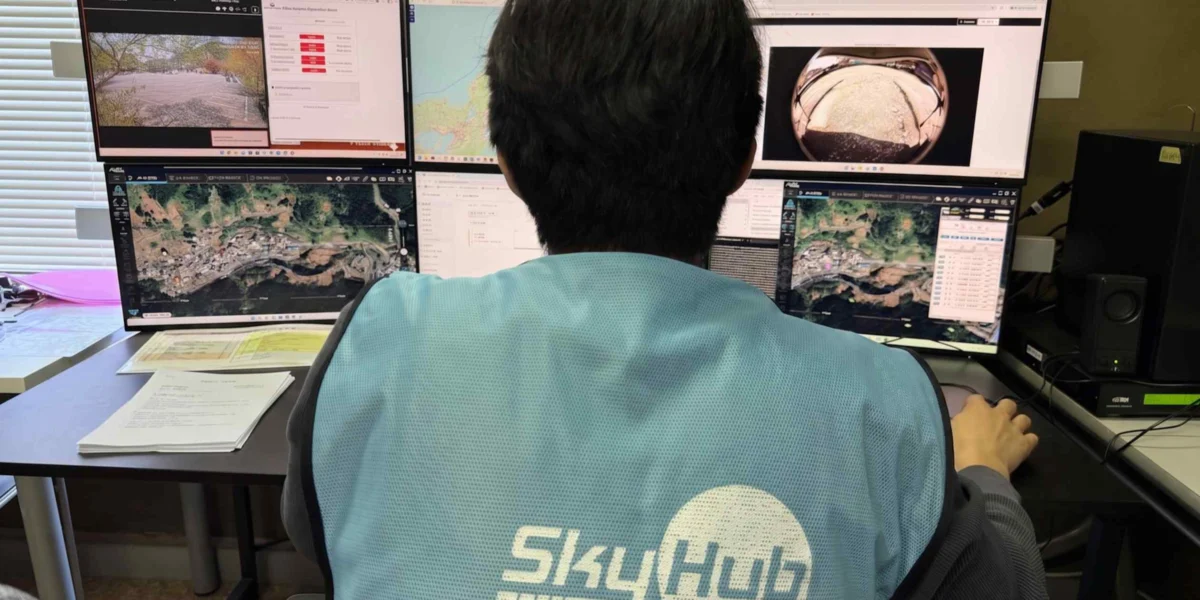
However, as drone technology has matured, with advancements in autonomous flight capabilities, sophisticated sensor technology, and robust communication systems, the limitations of the single-pilot, single-drone paradigm became increasingly apparent. Companies like Aeronext, a pioneer in drone development and operation, have been at the forefront of advocating for regulatory reform, demonstrating the safety and efficacy of multi-drone operations through extensive trials. The image accompanying this announcement, showing a single pilot monitoring multiple drones, symbolizes this technological leap and the regulatory adaptation it necessitates.
The Ministry’s decision is a direct response to these technological advancements and the growing demands of the Japanese economy. The nation faces an aging population and a declining birthrate, leading to critical labor shortages in sectors such as agriculture, construction, and last-mile delivery. Drones offer a compelling solution to augment human capabilities and fill these operational gaps.

Expanding Rural Logistics: Bridging the Delivery Gap
One of the most immediate and impactful applications of the relaxed regulations will be in rural logistics. Many remote and sparsely populated areas in Japan struggle with inefficient delivery services due to long distances and limited transportation infrastructure. The ability for a single pilot to manage a fleet of delivery drones can drastically reduce operational costs and delivery times.
Consider the agricultural sector, where drones can be used for precision spraying, crop monitoring, and even delivering small agricultural supplies directly to farms. With the new rules, a pilot could oversee multiple drones simultaneously, covering larger areas more efficiently. This not only improves farm management but also helps in reducing the physical burden on farmers.

For e-commerce and retail, the implications are equally profound. Companies can establish localized drone hubs in rural areas, enabling rapid delivery of goods to customers who have historically faced longer wait times and higher shipping costs. This could revitalize rural economies by providing better access to goods and services, fostering greater consumer engagement. Industry analysts project that the market for drone-based logistics in Japan could see a growth of over 30% in the next five years, driven by this regulatory change.
Revolutionizing Infrastructure Inspection: Enhanced Safety and Efficiency
Beyond logistics, the new rules are set to transform the way critical infrastructure is inspected and maintained. Bridges, power lines, wind turbines, and railway tracks, particularly those located in remote or hazardous environments, often require extensive and costly manual inspections. Drones equipped with high-resolution cameras, thermal imaging, and other sensors can conduct these inspections far more safely and efficiently.

Previously, deploying multiple drones for a large-scale inspection project would have required a significant number of pilots, increasing operational complexity and cost. Now, a single pilot can manage several drones, each equipped with specialized sensors, to cover different aspects of an inspection simultaneously. This parallel processing of data can significantly shorten inspection timelines, allowing for quicker identification and remediation of potential issues.
For instance, a pilot could direct one drone to perform a visual inspection of a bridge’s structural integrity while another simultaneously conducts thermal imaging to detect any hidden defects or anomalies. This multi-faceted approach not only enhances the thoroughness of the inspection but also minimizes the need for human personnel to work at heights or in potentially dangerous conditions. The Japan Society of Civil Engineers has previously highlighted the need for more advanced inspection technologies, and this regulatory change is seen as a key enabler.

Technological Advancements Enabling Multi-Drone Operations
The feasibility of multi-drone operations hinges on significant technological advancements in recent years. Modern drones are equipped with sophisticated GPS, inertial navigation systems (INS), and obstacle avoidance sensors that enhance their autonomous capabilities. This allows them to navigate complex environments with a high degree of precision and safety, even under the supervision of a single operator managing multiple units.
Furthermore, advancements in command and control software have made it possible for pilots to manage multiple drones through a unified interface. These systems often provide real-time telemetry data, video feeds, and diagnostic information for each drone, allowing the pilot to make informed decisions and respond swiftly to any developing situations. The development of AI-powered flight planning and mission management tools further enhances the efficiency and safety of these operations.

Aeronext’s proprietary "4D GRAVITY" technology, for example, aims to stabilize drone flight and improve payload capacity, making them more suitable for complex logistical and inspection tasks. Such innovations are crucial for ensuring that multi-drone operations are not only feasible but also reliable and safe.
Industry Reactions and Future Outlook
The announcement has been met with widespread enthusiasm from industry stakeholders. Kenji Tanaka, CEO of a leading drone service provider, commented, "This is a game-changer for our industry. The ability to scale our operations without a proportional increase in pilot personnel will allow us to offer more competitive pricing and expand our services to a wider range of clients, especially in underserved rural areas. We anticipate a significant boost in demand for our services."

The Ministry of Land, Infrastructure, Transport and Tourism has indicated that further refinements to drone regulations are being considered, including potential pathways for fully autonomous drone operations beyond visual line of sight (BVLOS) in the future. This incremental approach to deregulation signals a commitment to fostering innovation while prioritizing safety.
The implications of this rule change extend beyond mere operational efficiency. It signifies a strategic shift in Japan’s approach to leveraging technology to overcome demographic and economic challenges. By embracing advanced drone capabilities, Japan is positioning itself as a leader in the global drone economy, fostering innovation and creating new economic opportunities.

Broader Economic and Societal Impacts
The liberalization of drone operations is expected to have a ripple effect across the Japanese economy and society.
- Economic Growth: The expansion of drone services will create new jobs in drone manufacturing, software development, maintenance, and specialized piloting. It will also foster the growth of ancillary industries that rely on efficient logistics and data acquisition.
- Regional Development: By improving connectivity and access to services in rural areas, drone technology can help to revitalize these regions, potentially stemming the tide of rural-to-urban migration.
- Environmental Benefits: More efficient logistics can lead to reduced carbon emissions from traditional delivery vehicles. Drones can also aid in environmental monitoring and disaster response efforts.
- Enhanced Public Safety: The ability to conduct rapid infrastructure inspections and provide timely delivery of emergency supplies can significantly contribute to public safety and resilience.
While the immediate focus is on logistics and inspection, the long-term potential is vast, encompassing applications in search and rescue, public health (e.g., delivering medical supplies), and even advanced surveillance for environmental protection.

Navigating the Path Forward
As Japan embarks on this new era of drone operations, continued collaboration between regulatory bodies, technology developers, and industry users will be crucial. Ensuring robust safety protocols, standardized training for pilots, and clear guidelines for data privacy will be paramount to maintaining public trust and maximizing the benefits of this transformative technology. The success of this policy shift will serve as a valuable case study for other nations grappling with similar challenges and seeking to harness the power of drone innovation. The skies over Japan are poised to become a lot busier, carrying with them the promise of a more connected, efficient, and resilient future.