Lina Wu
TOKYO — Toyota Motor’s sales in China during the fiscal first half, spanning from April to September 2026, have plummeted to their lowest point in nine years. This sharp decline underscores the significant challenges the Japanese automotive giant, alongside its global peers, is encountering in the fiercely competitive Chinese market. The period, marked by aggressive pricing strategies and a rapid shift in consumer preferences towards electric and intelligent vehicles, has seen Toyota’s market share erode substantially. Official figures released by the company indicate a stark downturn in performance, signaling a critical juncture for the automaker’s long-standing dominance in what remains the world’s largest automotive market.
Deep Dive into the Sales Figures and Market Dynamics
The fiscal first half of 2026 paints a grim picture for Toyota in China. While precise year-on-year percentage drops and absolute sales numbers require further confirmation from the company’s official reporting, industry analysts estimate a decline of over 20% compared to the same period in the previous fiscal year. This contraction is particularly concerning given Toyota’s historical strength in China, where it has built a robust presence through joint ventures with local partners such as FAW Group and GAC Group. The company’s traditional reliance on its reputation for reliability and fuel efficiency appears to be waning as Chinese consumers increasingly prioritize cutting-edge technology, advanced driver-assistance systems (ADAS), and sustainable powertrain options.
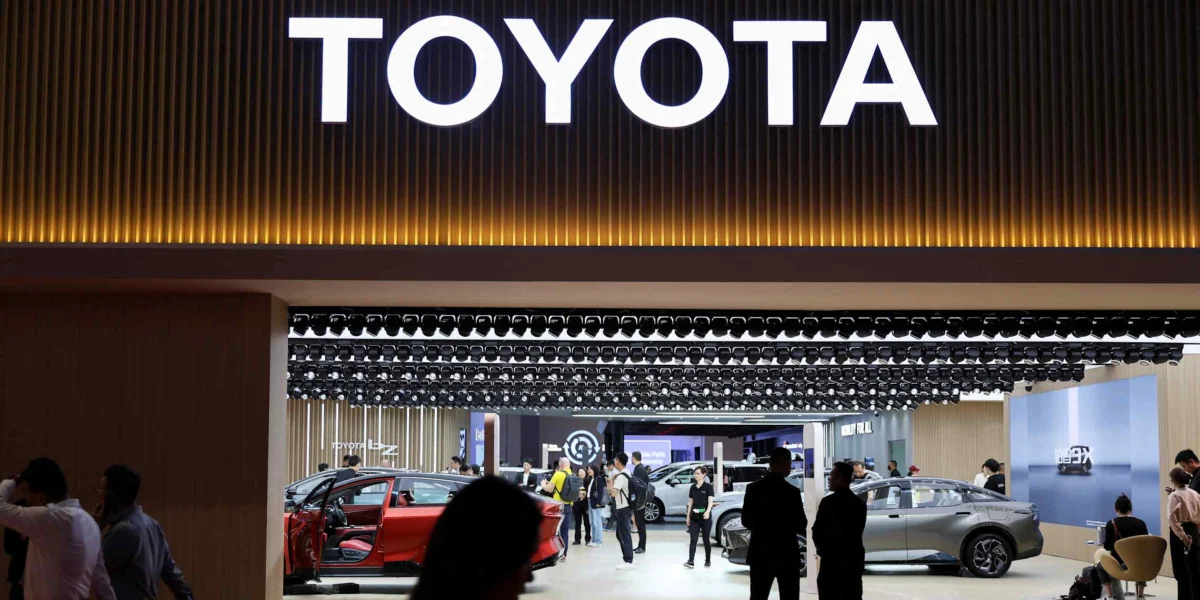
The Auto Shanghai show, a prominent global automotive exhibition, held its media day on April 24, 2025, in Shanghai. This event, typically a showcase for automakers to unveil their latest innovations and strategic direction, likely highlighted the very trends that are now impacting Toyota’s sales. The image accompanying the initial report, depicting visitors at the Toyota booth during the 2025 Auto Shanghai, serves as a visual reminder of Toyota’s past engagement with the Chinese market, now juxtaposed against its current struggles. The exhibition would have undoubtedly featured a surge of new electric vehicle (EV) models and sophisticated digital integration from both domestic and international manufacturers, setting a high bar for consumer expectations.
Chronology of Evolving Market Conditions
The current downturn is not an overnight phenomenon but rather a culmination of evolving market dynamics over several years. As early as 2020-2021, Chinese domestic brands began to gain significant traction, fueled by government support for the new energy vehicle (NEV) sector and a growing sense of national pride in local innovation. Companies like BYD, NIO, XPeng, and Li Auto started to challenge established foreign players not just on price but also on technology and design.
By 2023, the competitive landscape had intensified dramatically. A price war, initiated by Tesla and subsequently adopted by numerous Chinese manufacturers, began to exert immense pressure on profit margins across the industry. Toyota, while having its own EV offerings and hybrid technologies, was perceived by many Chinese consumers as being slower to adapt to the rapid pace of technological advancement in the NEV space. Its flagship models, while still popular, were increasingly seen as lacking the “smart” features and seamless connectivity that younger, tech-savvy buyers demanded.
The fiscal first half of 2026 represents a critical inflection point. The data emerging now suggests that the strategies implemented by Toyota, including the introduction of new hybrid models and the gradual rollout of battery electric vehicles (BEVs), have not been sufficient to counter the momentum of its rivals. The market has moved beyond simply offering efficient and reliable transportation; it now demands a holistic digital experience within the vehicle.
Supporting Data and Industry Trends
Several key data points illuminate the broader context of Toyota’s challenges:
- NEV Dominance: China has been the world’s largest market for NEVs for several consecutive years. In 2025, NEV sales are projected to have surpassed 30% of the total passenger vehicle market, with estimates for 2026 suggesting this figure could reach 40% or higher. Toyota’s traditional strength has been in internal combustion engine (ICE) vehicles and hybrids, which, while still holding a significant portion of the market, are losing ground rapidly to fully electric alternatives.
- Price Wars: The intense price competition in China has significantly impacted profitability. Reports from industry research firms indicate that average transaction prices for new vehicles have declined, forcing manufacturers to either absorb lower margins or reduce production. Toyota’s premium pricing strategy, often a hallmark of its global operations, is proving less effective in a market where value for money, coupled with cutting-edge technology, is paramount.
- Technological Advancement: Chinese automakers have made remarkable strides in areas such as battery technology, autonomous driving capabilities, and in-car infotainment systems. Features like advanced AI-powered voice assistants, augmented reality navigation, and over-the-air software updates are becoming standard expectations, areas where Toyota has historically been more conservative.
- Market Share Shifts: Data from the China Association of Automobile Manufacturers (CAAM) has shown a consistent decline in the market share of established foreign brands, while domestic Chinese brands have seen substantial growth. BYD, in particular, has emerged as a dominant force, surpassing many global automakers in terms of sales volume.
Official Responses and Strategic Adjustments
While Toyota has not yet released a detailed public statement specifically addressing the fiscal first-half sales figures for China, its past actions and statements provide clues to its strategic thinking. In response to the growing EV trend, Toyota announced in late 2023 its commitment to accelerating its electrification strategy, including the introduction of several new BEV models and the development of next-generation battery technology. The company has also been investing in its local joint ventures to adapt production lines and supply chains to meet the demands of the Chinese market.
However, the pace of these adjustments may be insufficient. The automotive industry operates on long development cycles, and the rapid evolution of consumer preferences in China presents a formidable challenge. Toyota’s global CEO, Akio Toyoda, has previously expressed a more cautious approach to a full transition to EVs, emphasizing the importance of hybrid technology and the need to cater to diverse market needs. This nuanced strategy, while potentially sustainable in other regions, appears to be a disadvantage in China’s highly polarized and fast-moving NEV market.
Reactions from industry observers suggest that Toyota needs to be more aggressive in its product development and marketing. Some analysts have pointed to the need for faster decision-making processes and greater localization of research and development to better understand and cater to the specific demands of Chinese consumers. The company’s long-standing emphasis on "Kaizen" (continuous improvement) will be severely tested as it seeks to rapidly innovate and adapt to a market that is setting global trends.
Broader Impact and Implications for Toyota and the Global Auto Industry
The decline in Toyota’s sales in China has far-reaching implications. China is not only the world’s largest automotive market but also a crucial hub for the global automotive supply chain, particularly for battery technology and components. A sustained downturn for Toyota in China could:
- Impact Global Profitability: China represents a significant portion of Toyota’s overall sales volume and revenue. A prolonged slump in this key market will undoubtedly affect the company’s global financial performance and its ability to fund future research and development.
- Shift the Global Competitive Balance: If Toyota falters in China, it could embolden its competitors, particularly Chinese domestic brands, to expand their global reach more aggressively. This could lead to a significant reshaping of the international automotive landscape.
- Influence Future Automotive Strategies: The challenges faced by Toyota and other legacy automakers in China highlight the critical importance of embracing digital transformation and electrification with greater urgency. The market’s rapid shift serves as a stark warning and a potential blueprint for other regions, forcing a re-evaluation of long-term product development and investment strategies across the entire industry.
- Test Toyota’s Hybrid Strategy: Toyota’s strong belief in the continued relevance of hybrid technology is being put to the test. While hybrids offer a bridge to full electrification, the Chinese market’s swift embrace of BEVs suggests that this transitional role may be shorter-lived than anticipated.
The coming months will be critical for Toyota as it navigates this complex and rapidly evolving market. The company’s ability to adapt its product portfolio, accelerate its technological innovation, and effectively respond to the changing demands of Chinese consumers will determine whether it can regain its footing or face a prolonged period of market erosion. The nine-year low in sales is more than just a statistic; it is a potent indicator of a profound shift occurring within the global automotive industry, with China at its epicenter.