Lina Wu
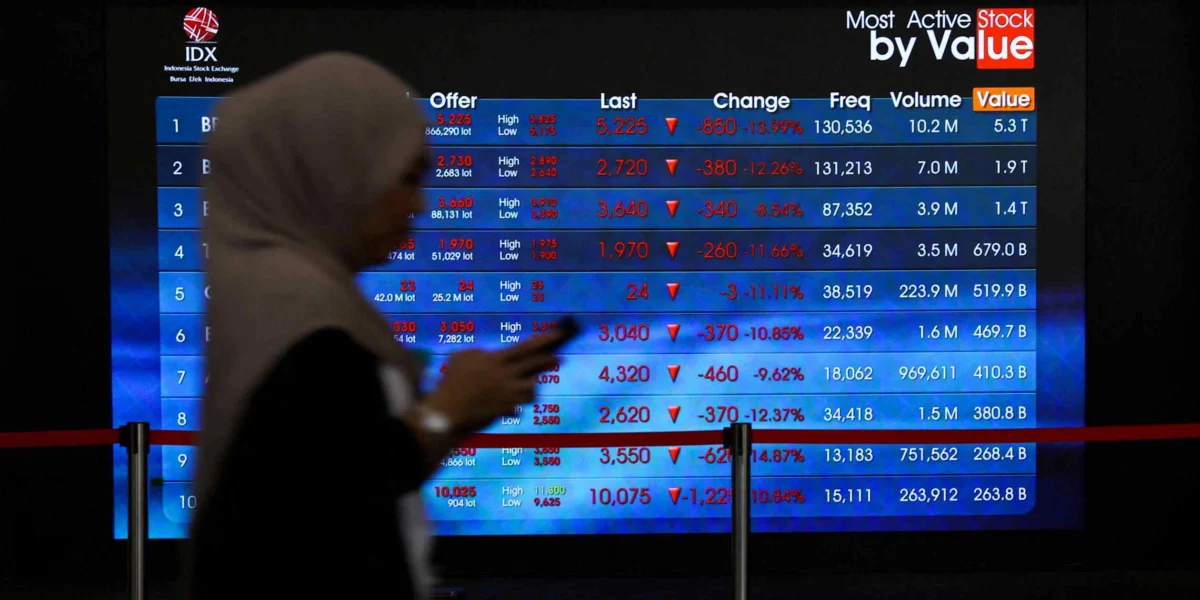
The Indonesian stock market is navigating a critical juncture as global index provider Morgan Stanley Capital International (MSCI) mulls a potential reclassification of the nation’s market from Emerging to Standalone status. This consideration, announced in October, stems from persistent concerns regarding the transparency and accessibility of market transactions, despite concerted reform efforts by Indonesian authorities aimed at bolstering investor confidence. The potential downgrade, if enacted, could have significant implications for foreign investment inflows and the overall perception of Indonesia as an investment destination.
The MSCI Consultation: A Catalyst for Change
MSCI’s decision to launch a consultation on Indonesia’s market classification signifies a crucial moment for the archipelago’s financial landscape. For years, foreign investors and index providers have flagged issues related to the opaque nature of certain transactions within the Indonesian equity market. These concerns often revolve around the ease with which foreign investors can execute trades, repatriate capital, and access reliable market data. MSCI’s periodic reviews are designed to ensure that its widely followed indices accurately reflect the investability and accessibility of global markets.
The consultation process, which commenced in October 2026, involves soliciting feedback from market participants, including asset managers, brokers, and institutional investors, on the current state of the Indonesian market. MSCI’s methodology for classifying markets is multifaceted, taking into account factors such as market size, liquidity, accessibility for foreign investors, regulatory framework, and the efficiency of trading and settlement systems. Indonesia’s current classification as an Emerging Market places it in a category alongside other developing economies, attracting a specific segment of investment capital. A downgrade to Standalone status would signify a significant departure, potentially signaling a perceived decline in the market’s maturity and accessibility compared to its emerging market peers.
A History of Concerns and Reform Initiatives
The current MSCI review is not an isolated event but rather a culmination of ongoing dialogues and observations spanning several years. MSCI has previously highlighted specific areas of concern that have contributed to its current consideration. These often include:
- Foreign Ownership Limits: While some sectors have seen liberalized foreign ownership rules, certain restrictions can still impede the seamless integration of foreign capital.
- Trading and Settlement Efficiency: Issues related to the speed and reliability of trade settlement, as well as the accessibility of market data for foreign participants, have been recurring points of discussion.
- Corporate Governance and Transparency: While progress has been made, persistent concerns about corporate governance standards and the transparency of financial reporting in some listed companies can deter risk-averse investors.
- Market Access and Repatriation: Ensuring that foreign investors can freely and efficiently repatriate their profits and capital is a fundamental requirement for any developed or emerging market classification.
In response to these concerns, the Indonesian government and its financial regulators have been actively pursuing reforms. The Financial Services Authority (OJK) and the Indonesia Stock Exchange (IDX) have undertaken various initiatives aimed at enhancing market infrastructure, improving regulatory oversight, and fostering a more transparent and investor-friendly environment. These efforts have included:
- Digitalization of Trading and Settlement: Investments in technology to streamline trading processes, reduce settlement times, and improve data availability.
- Strengthening Corporate Governance Frameworks: Initiatives to promote better corporate governance practices, including enhanced disclosure requirements and stricter enforcement of regulations.
- Broadening Investor Base: Efforts to attract both domestic and foreign institutional investors, as well as retail investors, through financial literacy programs and product innovation.
- Streamlining Foreign Investment Procedures: Reviewing and adjusting regulations related to foreign ownership and capital flows to improve ease of doing business.
The Inferred Reaction: A Delicate Balancing Act
While official statements from Indonesian authorities often emphasize their commitment to reform and their confidence in the market’s progress, the underlying sentiment within the market suggests a palpable sense of urgency and concern. The prospect of a downgrade to Standalone status, even if not a full "developed market" reclassification, carries significant weight.
Sources within the financial industry, who requested anonymity due to the sensitive nature of the matter, have indicated that the government is actively engaging with MSCI and other stakeholders to address the remaining concerns. There is an inferred understanding that a failure to adequately resolve these issues could lead to a reduction in the weighting of Indonesian equities in global emerging market indices, potentially impacting portfolio allocations by international fund managers.
The government’s response appears to be a delicate balancing act. On one hand, they are committed to implementing necessary reforms to meet international standards and attract foreign capital. On the other hand, they must navigate these changes in a way that does not disrupt domestic market stability or perceived national economic sovereignty. The phrasing of their public statements often seeks to reassure investors of their proactive approach while downplaying any potential negative repercussions. For instance, a spokesperson for the Ministry of Finance might reiterate their dedication to "continuous market improvement" and "upholding international best practices," without directly acknowledging the specific threat of a reclassification.
Supporting Data: Indonesia’s Market Performance and Foreign Flows
To understand the implications of MSCI’s potential decision, it is crucial to examine relevant data. As of late 2026, Indonesia’s stock market, represented by the benchmark Jakarta Composite Index (JCI), has demonstrated resilience and growth, albeit with periods of volatility. The JCI has historically offered attractive returns, making it a key destination for emerging market investors seeking diversification and exposure to a rapidly growing economy.
Foreign investor participation is a significant driver of liquidity and price discovery in the Indonesian market. Historically, foreign net purchases have played a vital role in market uptrends. Any perceived impediment to foreign investment, such as concerns over transparency or repatriation, could lead to a decline in foreign inflows, impacting market performance. Data from the Indonesia Stock Exchange would typically show the proportion of trading volume attributable to foreign investors, providing a key metric for assessing their sentiment and activity.
For instance, if historical data reveals that foreign investors account for an average of 30-40% of daily trading volume, a sustained decline in this figure following the MSCI announcement would be a strong indicator of investor apprehension. Furthermore, analysis of foreign exchange reserves and the central bank’s intervention patterns could also offer insights into the broader implications for capital flows.
The Broader Impact and Implications
The potential reclassification of Indonesia’s stock market carries several broader implications:
- Investment Flows: A downgrade could lead to a reduction in the weight of Indonesian equities in major emerging market indices. This would likely trigger passive divestment by index-tracking funds, potentially leading to outflows of foreign capital. Active fund managers may also reassess their allocations, leading to a shift away from Indonesian assets.
- Cost of Capital: A perceived decline in market accessibility and transparency could lead to a higher cost of capital for Indonesian companies. Investors may demand higher risk premiums, making it more expensive for businesses to raise funds through equity or debt issuance.
- Investor Perception: The MSCI classification serves as a global benchmark for market quality. A downgrade, even to Standalone status, could negatively impact Indonesia’s reputation as an investment destination, potentially deterring new investors and hindering long-term capital formation.
- Competitive Landscape: Other emerging markets in the region that are perceived to have more transparent and accessible markets might benefit from a relative shift in investor attention and capital.
A Timeline of Developments
To contextualize the current situation, a chronological overview of key events is beneficial:
- Early 2026: MSCI initiates preliminary discussions and expresses concerns regarding specific aspects of the Indonesian stock market’s transparency and accessibility to foreign investors.
- Mid-2026: Indonesian authorities, including the OJK and the Ministry of Finance, begin to intensify reform efforts in response to these concerns, announcing various initiatives aimed at market enhancement.
- October 2026: MSCI formally announces its decision to launch a consultation to propose reclassifying Indonesia as a standalone market, signaling a more concrete step in its review process.
- November 2026 – Early 2027: The consultation period is active, with market participants providing feedback to MSCI. During this time, Indonesian authorities are expected to actively engage in dialogue and potentially accelerate the implementation of reforms.
- Mid-2027 (Anticipated): MSCI is expected to make a final decision regarding Indonesia’s market classification based on the feedback received and its ongoing assessment of market developments.
Conclusion: Navigating Towards a More Robust Market
The MSCI consultation presents Indonesia with both a challenge and an opportunity. The challenge lies in addressing the persistent concerns that have led to this scrutiny. The opportunity lies in leveraging this external review as a catalyst for deeper, more meaningful reforms that can ultimately strengthen the Indonesian stock market, enhance its attractiveness to a broader range of investors, and solidify its position as a maturing emerging market economy. The coming months will be critical as Indonesia works to demonstrate its commitment to transparency, accessibility, and robust market practices, aiming to assuage investor concerns and secure its place within the global investment landscape. The outcome of MSCI’s review will undoubtedly be closely watched by policymakers, market participants, and investors alike, shaping the future trajectory of Indonesia’s financial markets.