Lina Wu
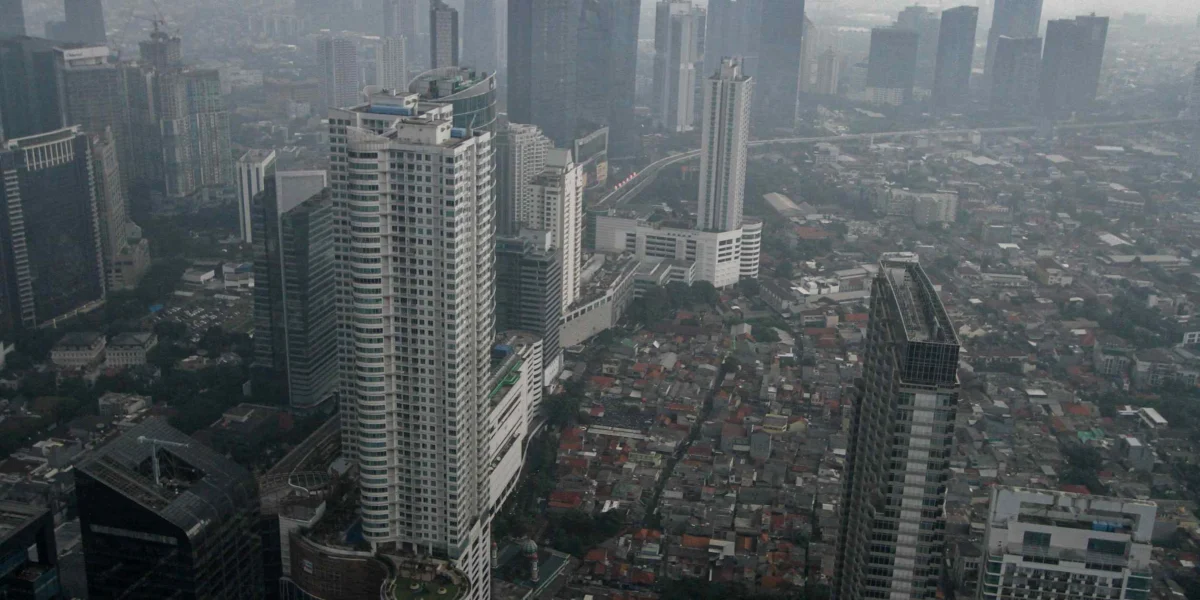
Indonesia, including its bustling capital Jakarta, finds itself at a critical juncture, confronting the multifaceted consequences of widespread fires and the resultant haze that have choked its skies and strained its public health infrastructure. The nation’s resilience is being tested not only by these environmental calamities but also by significant economic headwinds, including an impending assessment by MSCI that could lead to a downgrade, and persistent fuel shortages exacerbated by the geopolitical fallout from the U.S.-Israeli conflict in the Middle East. As the country prepares to release its latest Gross Domestic Product (GDP) figures, these challenges cast a long shadow over its economic outlook.
The environmental crisis, characterized by pervasive smoke and poor air quality, has had a tangible impact on public health, with studies indicating a significant rise in respiratory illnesses and related fatalities. Beyond the immediate health concerns, the fires have disrupted daily life, leading to widespread flight delays and cancellations, most notably affecting services to and from Jakarta. This disruption, coupled with the broader economic fallout from diminished agricultural productivity and increased healthcare expenditures, is expected to be reflected in the upcoming GDP data. Economists are closely watching the third-quarter figures, anticipating a potential slowdown as the nation navigates these compounding crises.
Adding to Indonesia’s economic anxieties is the looming prospect of an MSCI downgrade. This potential reclassification by the global index provider could signal increased market risk, potentially deterring foreign investment and impacting the liquidity of Indonesian assets. The reasons behind the potential downgrade are multifaceted, likely encompassing concerns about market volatility, regulatory uncertainties, and the broader economic climate. Such a move would not only affect institutional investors but could also ripple through domestic markets, impacting currency valuations and the cost of capital for Indonesian businesses.
The nation’s struggles are further compounded by ongoing fuel shortages that have begun to spread beyond industrial hubs, affecting regions like Bali, a crucial tourism destination. This scarcity, coupled with rising fuel prices, presents a dual challenge: it directly impacts consumer spending and business operations while simultaneously contributing to inflationary pressures. The origins of these shortages are complex, with analysts pointing to a combination of domestic supply chain issues and the broader global energy market disruptions stemming from the ongoing U.S.-Israeli conflict and its implications for oil and gas supply routes.
Midterm Elections in the U.S. and Their Asian Repercussions
Across the Pacific, the United States is gearing up for its midterm elections, a quadrennial event that consistently sends ripples through the global economic and geopolitical landscape, with Asia being a significant recipient of these influences. The outcome of these elections is poised to shape not only domestic U.S. policy but also America’s engagement with the Asian continent, particularly concerning trade, technology, and defense.
A key area of concern for Asian tech suppliers is the potential impact of the U.S. midterm elections on the future of massive data center projects. Across the U.S. political spectrum, there appears to be a growing consensus against the unchecked expansion of these facilities, driven by environmental concerns, infrastructure strain, and community opposition. Should this sentiment translate into policy changes, it could significantly dampen the growth trajectory of Asian companies that have heavily benefited from the construction and operation of these digital infrastructure hubs. The demand for semiconductors, specialized hardware, and related services, which has been a significant boon for many Asian economies, could see a slowdown.
Furthermore, the U.S. midterm elections hold considerable weight in shaping the future of U.S.-China relations. While both major U.S. political parties have historically expressed a unified stance in supporting Taiwan against potential aggression from mainland China, the electoral outcome could influence the pace and scale of U.S. military assistance to the island. If the Democratic Party gains control of one or both houses of Congress, there is a heightened possibility that they may exert greater pressure on the incumbent U.S. President to expedite a substantial arms package for Taiwan, estimated to be worth approximately $14 billion. This potential acceleration of arms sales could heighten regional tensions and further complicate the already delicate balance of power in the Indo-Pacific.
The U.S. political discourse surrounding trade and critical minerals is also expected to intensify. A Democratic-controlled Congress might scrutinize critical mineral deals brokered by the Trump administration, particularly those perceived as undermining efforts to diversify supply chains away from China. Similarly, trade agreements negotiated in the wake of the president’s "liberation day" tariffs could face renewed examination, potentially leading to adjustments in trade policies that affect Asian export-oriented economies.
A Week of High-Stakes Engagements in Asia
This week is packed with significant economic and political events across Asia, offering crucial insights into the region’s evolving dynamics.
Monday: Hong Kong’s Financial Hub Status Under Scrutiny
Hong Kong is set to host a confluence of high-profile events, underscoring its persistent ambition to remain a leading global financial center. The Global Financial Leaders’ Investment Summit will convene prominent figures from international banking and investment, alongside a significant contingent of entrepreneurs. Running concurrently, Fintech Week will explore the transformative potential and emerging challenges of financial technology. Both gatherings occur at a time when the rapid advancement of artificial intelligence presents both unprecedented opportunities and significant risks for the financial sector. Industry leaders are expected to discuss strategies for harnessing AI’s power while mitigating its potential to disrupt existing business models and create new vulnerabilities, such as sophisticated cyber threats.
Adding to the city’s intellectual discourse, Hong Kong Legal Week will bring together legal professionals, business leaders, and policymakers. This annual forum serves as a crucial platform for discussing evolving legal practices, cross-border collaboration, and the impact of international legal developments on regional commerce. A key highlight of this year’s Legal Week will be the inauguration of the first overseas liaison office of the International Institute for the Unification of Private Law (UNIDROIT). This intergovernmental organization, based in Rome, is dedicated to modernizing and harmonizing private law principles among nations, and its expanded presence in Hong Kong signifies the city’s growing role in shaping international legal frameworks.
Indonesia is also scheduled to release its latest trade and inflation data on Monday, providing an early indication of the economic pressures the nation is facing. Analysts will be scrutinizing these figures for signs of how the environmental crisis and fuel shortages are impacting consumer prices and the balance of trade.
Tuesday: The U.S. Midterms and Asian Economic Indicators
The pivotal U.S. midterm elections will dominate headlines on Tuesday. As American voters head to the polls, the results will determine the balance of power in Congress and significantly influence U.S. foreign policy and economic engagement with Asia. The potential for a Democratic victory in either or both chambers of Congress could lead to a more assertive approach towards trade imbalances and critical mineral supply chains, potentially impacting export-dependent Asian economies.
On the monetary policy front, Australia is expected to release its latest interest rate decision. Following a period of global economic uncertainty and inflationary pressures, markets will be keen to understand the Reserve Bank of Australia’s assessment of the domestic economy and its forward guidance on interest rates.
In the corporate earnings arena, Grab, the Southeast Asian super-app, is scheduled to announce its latest financial results. Investors will be looking for updates on the company’s performance across its various segments, including ride-hailing, food delivery, and digital payments, particularly in the context of regional economic recovery and competitive pressures.
Economic data from Vietnam and South Korea will also be released, with trade and inflation figures for Vietnam and inflation data for South Korea offering further insights into the economic health of these key Asian economies.
Wednesday: Singapore Banks Face Interest Rate Uncertainty
Singapore’s banking sector will be in the spotlight as its three largest local lenders – DBS, UOB, and OCBC – begin releasing their third-quarter earnings. UOB is slated to report on Wednesday, with DBS and OCBC following on Thursday and Friday, respectively. These results will be closely watched for insights into the banks’ performance amidst a landscape of persistent uncertainty surrounding the future direction of global interest rates. Wealth management services have been a significant contributor to the profitability of these institutions, and analysts will be assessing the sustainability of this trend. The banks’ disclosures will likely address their strategies for navigating potential shifts in monetary policy and managing asset quality in a dynamic economic environment.
Thursday: Indonesia’s GDP, China’s Trade Fair, and Malaysia’s Monetary Stance
Indonesia will release its Gross Domestic Product (GDP) data for the July-September quarter. This report is particularly crucial given the significant natural disasters, including widespread forest fires and volcanic activity, that have plagued the archipelago during this period. The economic impact of these events, coupled with flight disruptions and ongoing market uncertainties, is expected to be a key focus of the GDP figures. The data will provide a quantitative assessment of how these challenges have affected the nation’s economic output.
Shanghai will host the opening of the China International Import Expo (CIIE), an annual event where global companies showcase their latest products and innovations aimed at the vast Chinese market. However, the expo takes place against a backdrop of persistent concerns regarding sluggish domestic consumption in China and widening trade imbalances. The world’s second-largest economy is on track for another substantial trade surplus exceeding $1 trillion, prompting ongoing discussions about global trade dynamics and potential adjustments to international economic relationships.
Bank Negara Malaysia will announce its final interest rate decision of the year. Economists are divided on whether the central bank will maintain its current policy rate of 2.75% or opt for an increase. The Malaysian central bank previously cut its policy rate by 0.25 percentage points in July 2025 and has held it steady since. While strong economic growth might support a rate hike, subdued inflation provides policymakers with the flexibility to maintain the current stance, with some anticipating a potential adjustment in 2027.
The corporate earnings calendar remains robust, with major Japanese conglomerates Toyota Motor, Sony Group, and Nintendo scheduled to release their quarterly financial results. Investors will be keen to assess their performance in key global markets and their strategies for navigating ongoing supply chain challenges and evolving consumer demand.
Inflation data from the Philippines, Thailand, and Taiwan will also be released, offering a snapshot of price pressures across these diverse economies.
Friday: Labor Market Data from the Philippines
The Philippines will release its latest unemployment figures on Friday, providing an indication of the health of its labor market and the broader economic recovery.
Saturday: New Zealand’s Electoral Landscape
New Zealand will hold its general election on Saturday. Current polling suggests that neither the incumbent National Party nor the main opposition Labour Party is likely to secure an outright majority. This scenario opens the door for the Opportunity Party, a centrist group that has seen a surge in support leading up to the vote, to play a potentially pivotal role in forming the next coalition government. The election outcome could shape New Zealand’s economic and social policies for years to come.
Sunday: Vietnam-Japan Diplomatic Engagement
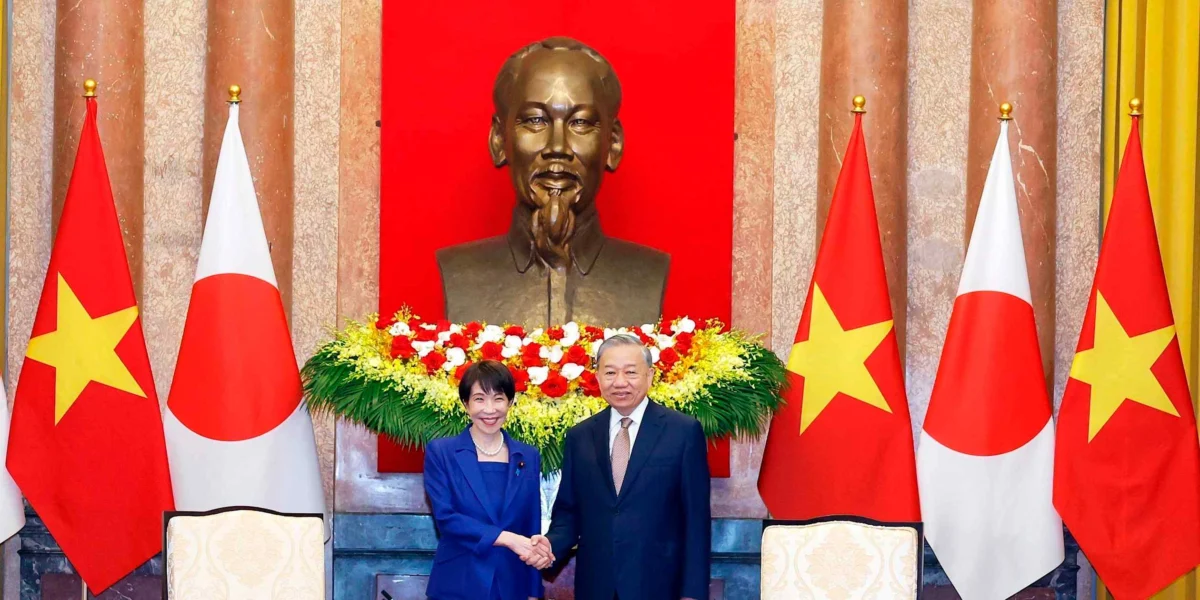
Vietnamese President To Lam will commence an official visit to Japan on Sunday, which will extend through November 11. During his visit, he is scheduled to meet with Japanese Prime Minister Sanae Takaichi and pay a state call on Emperor Naruhito. This visit marks President Lam’s first official trip to Japan in his current capacity and underscores Vietnam’s strategic objective to deepen ties with key economic and security partners. Discussions are expected to center on strengthening the comprehensive strategic partnership between the two nations, with a particular focus on economic security, trade, investment, and technological cooperation. This diplomatic engagement highlights the growing importance of bilateral relationships in navigating the complex geopolitical landscape of the Indo-Pacific.