Lina Wu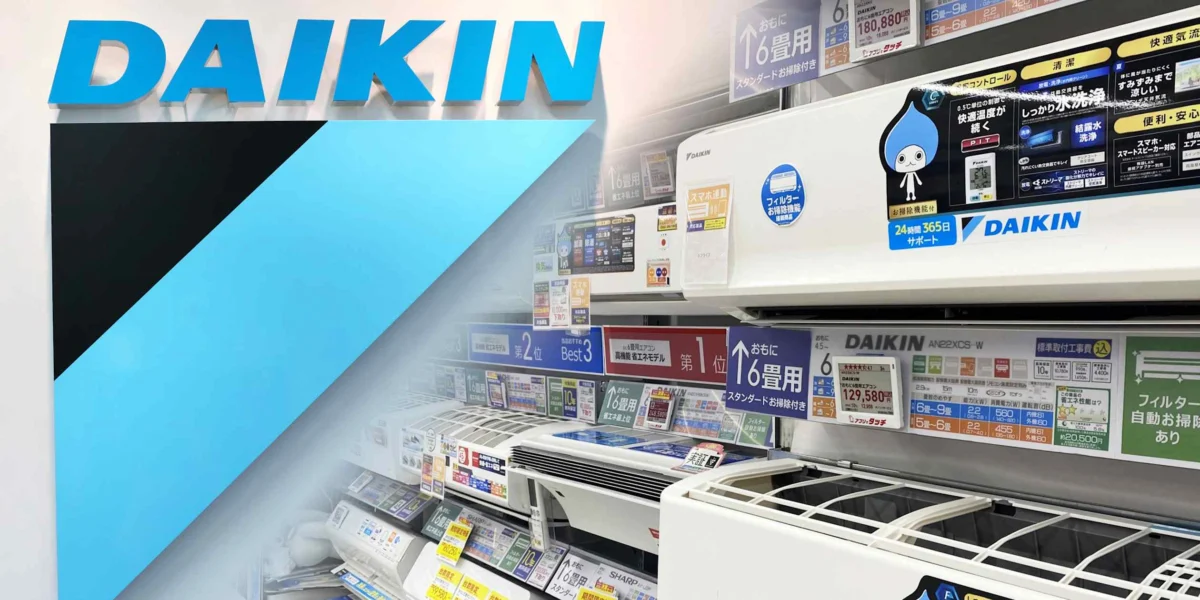
TOKYO — Daikin Industries, the undisputed global leader in air conditioning manufacturing, is reportedly under significant pressure from the prominent activist investment fund Elliott Management. Sources familiar with the matter have revealed to Nikkei that Elliott is advocating for a substantial share buyback program, potentially amounting to as much as 1 trillion yen (approximately $6.3 billion USD at current exchange rates) over the coming years. This significant demand signals a strategic push by the activist investor to unlock greater shareholder value and potentially influence the operational direction of the Japanese industrial giant.
The Catalyst: A New Era of Corporate Governance in Japan?
While the specifics of Elliott Management’s engagement with Daikin remain under wraps, some industry observers and analysts suggest that the fund’s intensified focus on the air conditioner maker may be intricately linked to recent shifts in Japan’s corporate governance landscape. The revised Corporate Governance Code, implemented to foster greater transparency and accountability, has emboldened investors, including activist funds, to scrutinize corporate strategies and capital allocation more rigorously. Elliott’s well-established track record of engaging with companies to drive performance improvements and enhance shareholder returns suggests a calculated approach, potentially leveraging these evolving governance norms to its advantage. The timing of this pressure, coinciding with a period of increased attention on Japanese corporate practices, is noteworthy.
Elliott Management’s Strategy and Daikin’s Financial Standing
Elliott Management is renowned for its activist investment strategy, which often involves taking significant stakes in companies and then actively engaging with management and boards to advocate for changes such as operational efficiencies, strategic divestitures, increased dividends, or, as in this case, substantial share buybacks. The rationale behind such buybacks is typically to reduce the number of outstanding shares, thereby increasing earnings per share (EPS) and, theoretically, the stock price. It can also signal management’s confidence in the company’s future prospects and its ability to generate strong cash flows.
Daikin Industries, a company with a long and storied history dating back to 1924, has consistently demonstrated robust financial performance. As the world’s largest air conditioner manufacturer, it commands a significant market share across residential, commercial, and industrial sectors. The company’s strong balance sheet and consistent profitability provide a solid foundation for a substantial share repurchase program. In its fiscal year ending March 2023, Daikin reported net sales of ¥3.79 trillion (approximately $23.7 billion USD) and operating income of ¥439.5 billion (approximately $2.75 billion USD). This financial strength suggests that a 1 trillion yen buyback, while ambitious, is within the realm of possibility for the company.
A Look at Daikin’s Shareholder Returns History
Historically, Daikin has engaged in share buybacks, though perhaps not at the scale now being reportedly demanded by Elliott. For instance, in November 2022, the company announced a share repurchase of up to 300 billion yen, demonstrating its willingness to return capital to shareholders. This existing practice, however, might not satisfy the ambitious targets set by an activist investor seeking to accelerate value creation. The current proposal, if realized, would represent a significant step-up in Daikin’s capital return strategy, potentially impacting its future investment plans and dividend policies.
Potential Implications for Daikin and its Stakeholders
The pressure from Elliott Management raises several critical questions regarding Daikin’s future strategic direction. A substantial share buyback could free up capital that might otherwise be allocated to research and development, international expansion, or mergers and acquisitions. While it could boost short-term shareholder returns, it might also impact the company’s long-term growth trajectory.
From Elliott’s perspective, the goal is likely to optimize Daikin’s capital structure and operational efficiency to maximize returns for its investors. The fund’s involvement often sparks debate about the balance between long-term strategic investment and immediate shareholder gratification.
For other shareholders, the situation presents a potential opportunity for increased returns, but also a need to understand the long-term implications of such a significant buyback. Employees and suppliers might also be indirectly affected by any shifts in investment priorities or operational focus that the buyback could necessitate.
The Broader Context of Activism in Japan
Elliott Management’s engagement with Daikin is not an isolated incident. The Japanese market has seen a notable increase in activist investor activity in recent years. Driven by factors such as a low interest rate environment, an aging population, and the aforementioned corporate governance reforms, foreign and domestic activist funds have identified Japanese companies with potentially undervalued assets or inefficient capital structures. These funds see opportunities to unlock value through a variety of tactics, including advocating for stronger corporate governance, divestitures of non-core assets, and increased capital returns. Daikin, as a globally recognized and financially strong company, presents an attractive target for such strategic interventions.
Timeline of Potential Engagement
While the current reporting is based on recent revelations, the timeline of Elliott Management’s investment and engagement with Daikin is likely to have commenced some time ago. Activist funds typically build their positions gradually before making their demands public or engaging directly with the company. The duration of such engagements can vary significantly, often depending on the complexity of the company’s business, the receptiveness of management, and the specific goals of the activist investor.
- Late 2025 / Early 2026 (Inferred): Elliott Management begins acquiring a significant stake in Daikin Industries, likely over several months to avoid immediate market detection.
- Early 2026 (Inferred): Elliott Management initiates private discussions with Daikin’s management and board, outlining its proposals, including the substantial share buyback.
- April 16, 2026: Nikkei reports on the pressure from Elliott Management for a 1 trillion yen share buyback, citing sources familiar with the matter.
- Ongoing: Negotiations and potential public statements from Daikin Industries and Elliott Management are anticipated as the situation unfolds.
Official Responses and Market Reactions
As of the reporting date, there have been no official public statements from either Daikin Industries or Elliott Management regarding this specific demand. Companies often refrain from commenting on market rumors or ongoing discussions with investors. However, the market will be keenly watching for any official pronouncements.
- Daikin Industries: The company’s management will need to carefully evaluate Elliott’s proposal in light of its existing strategic objectives, financial capacity, and long-term growth plans. A formal response, if one is issued, could outline Daikin’s rationale for its current capital allocation strategy or indicate a willingness to engage further with Elliott.
- Elliott Management: As an activist investor, Elliott is expected to continue its advocacy, potentially through public letters, filings with regulatory bodies, or further engagement with other shareholders if its demands are not met.
The market’s reaction will likely be swift and significant. Daikin’s share price could experience volatility as investors digest the news and anticipate potential outcomes. Analysts will be re-evaluating their ratings and price targets for the company, factoring in the potential impact of a large-scale share buyback on its financial metrics and strategic flexibility.
Broader Impact and Future Outlook
The situation at Daikin Industries underscores a broader trend of increasing investor activism in Japan. As companies continue to navigate a dynamic global economic landscape, the pressure to demonstrate value creation and efficient capital deployment will likely intensify. The outcome of Elliott’s engagement with Daikin could serve as a bellwether for future activist campaigns targeting other Japanese corporations.
Daikin’s ability to balance the demands of an activist investor with its long-term vision for innovation, sustainability, and global market leadership will be crucial. The company has a strong track record of technological advancement and a commitment to developing energy-efficient solutions, which are increasingly important in the context of climate change and evolving consumer preferences. Any strategic decisions made in response to shareholder pressure will need to consider these critical factors to ensure sustained success and responsible corporate citizenship. The coming months will be pivotal in determining the future trajectory of one of Japan’s most prominent industrial powerhouses.