Gilang Muhammad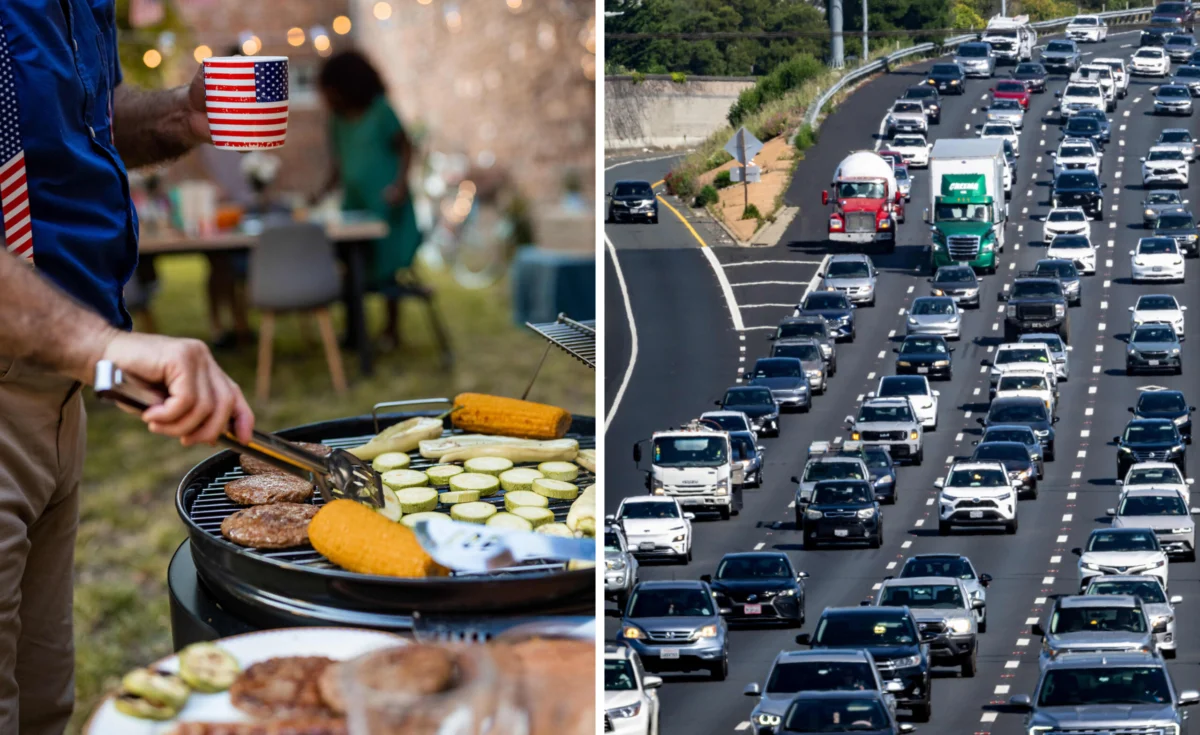
As Americans prepare to usher in the unofficial start of summer with the Memorial Day weekend, they face a stark economic reality: widespread price increases for essential goods and services, largely driven by the ongoing Iran War. Federal government data released this month indicates that total inflation for consumers surged to 3.8% in April compared to the same period last year, marking the highest annual rate since 2023. This unwelcome development means that everything from gasoline to grilling staples and travel accommodations will command a significantly higher price tag, draining household budgets and casting a shadow over holiday plans.
The conflict in the Middle East, now nearly three months old, has emerged as a dominant factor in the resurgence of inflationary pressures. Geopolitical tensions, particularly surrounding vital shipping lanes like the Strait of Hormuz, have sent shockwaves through global energy markets, directly impacting crude oil prices and subsequently the cost of transportation and manufacturing across sectors. This ripple effect has quickly translated into higher consumer prices, exacerbating financial strain for millions of U.S. households.
A Deep Dive into Inflationary Pressures and Consumer Sentiment
The latest economic indicators paint a concerning picture of consumer confidence. Survey data from the University of Michigan released Friday revealed that consumer sentiment officially plummeted to its lowest level on record in May. This precipitous decline is primarily attributed to the spiking oil prices fueled by the Middle East conflict, which has destabilized energy markets and ignited fears of broader economic slowdown.
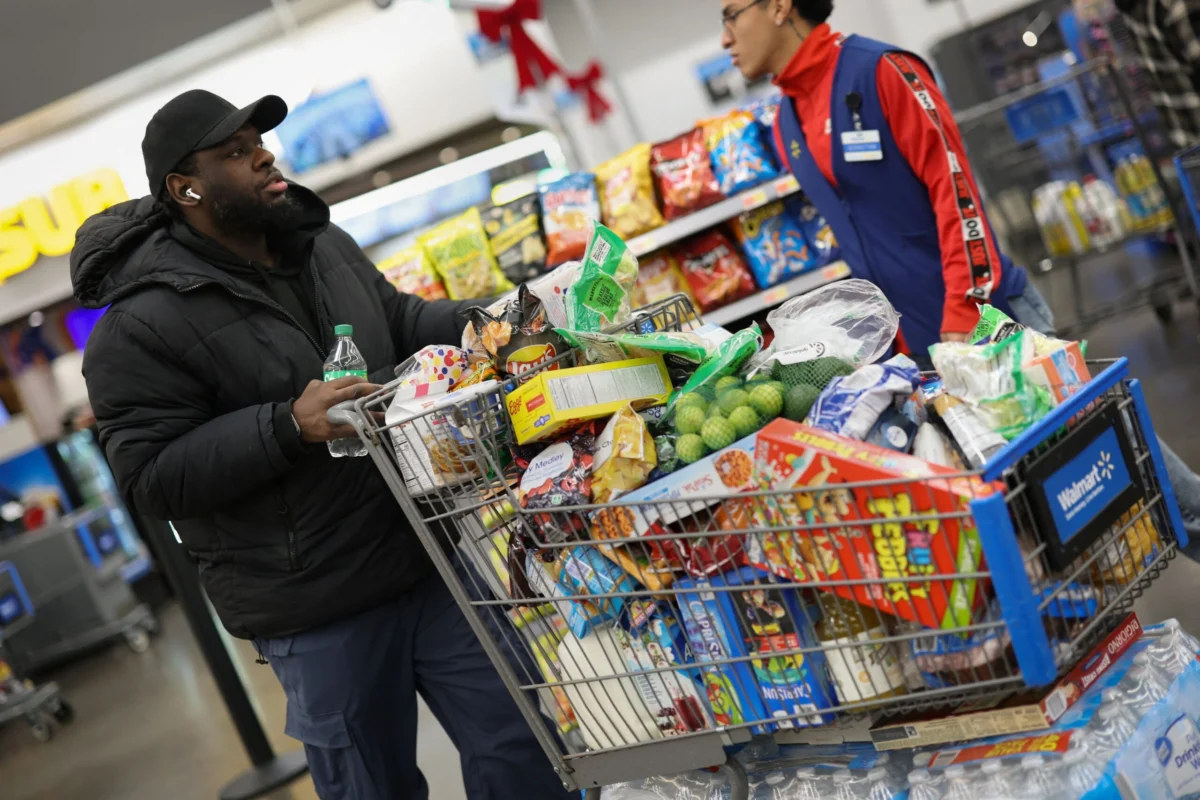
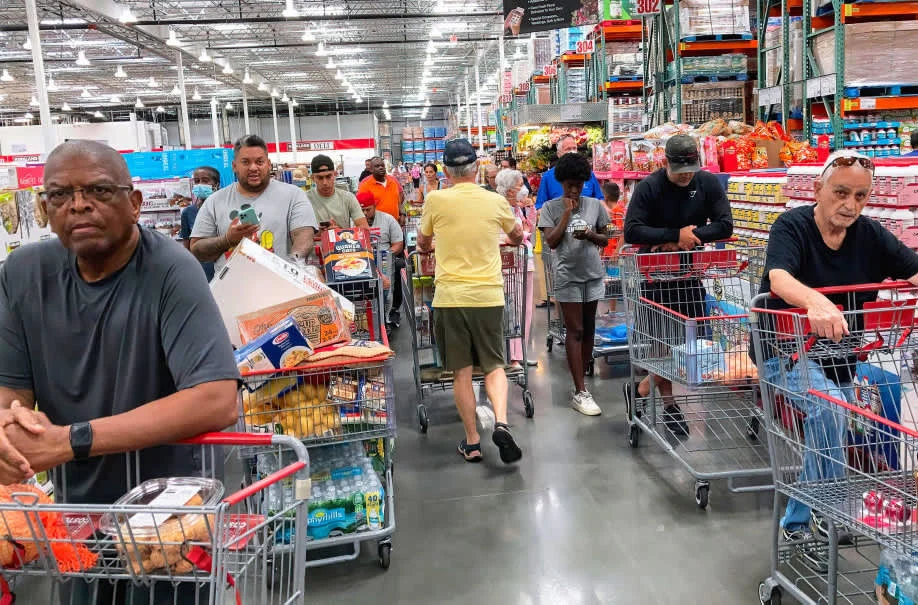
Economists are sounding alarms about the immediate impact on household spending. Stephen Juneau, a senior U.S. economist at Bank of America, articulated the prevailing sentiment, stating, "They’re not going to be happy about what they see. There will be a lot of grumbling this weekend when people are driving and in the airports, or are going to the store to stock up." This observation underscores the palpable frustration likely to be experienced by consumers as they confront elevated costs for traditional holiday activities.
The breadth of price increases is notable. Beyond energy, the April Consumer Price Index (CPI) report highlighted particularly sharp upticks in costs for travel, recreation, and food. This widespread inflation is more than just a temporary blip; it reflects a complex interplay of global supply chain vulnerabilities, commodity market volatility, and persistent domestic demand in certain sectors, all now intensified by geopolitical instability.
Even major corporations are acknowledging the severity of the situation. E.l.f. Beauty announced Wednesday a rollback of some price increases, explicitly citing consumers "suffering" from elevated fuel costs. Similarly, McDonald’s CEO Chris Kempczinski warned earlier this month of a "challenging environment" as inflationary pressures continue to mount, impacting the fast-food giant’s operations and potentially consumer spending on discretionary items. These corporate reactions signal that businesses are feeling the squeeze and recognizing the impact on their customer base, potentially leading to difficult strategic decisions regarding pricing and profitability.
The Genesis of the Crisis: The Iran War’s Economic Fallout
The current inflationary surge can be directly traced to the outbreak and escalation of the Iran War, which commenced in late February/early March 2026. Initial skirmishes quickly escalated into a broader regional conflict, disrupting shipping lanes and threatening oil production facilities in the Persian Gulf. The most significant event impacting global commodity markets was Iran’s closure of the Strait of Hormuz, a crucial choke point for approximately 20% of the world’s crude oil supply.
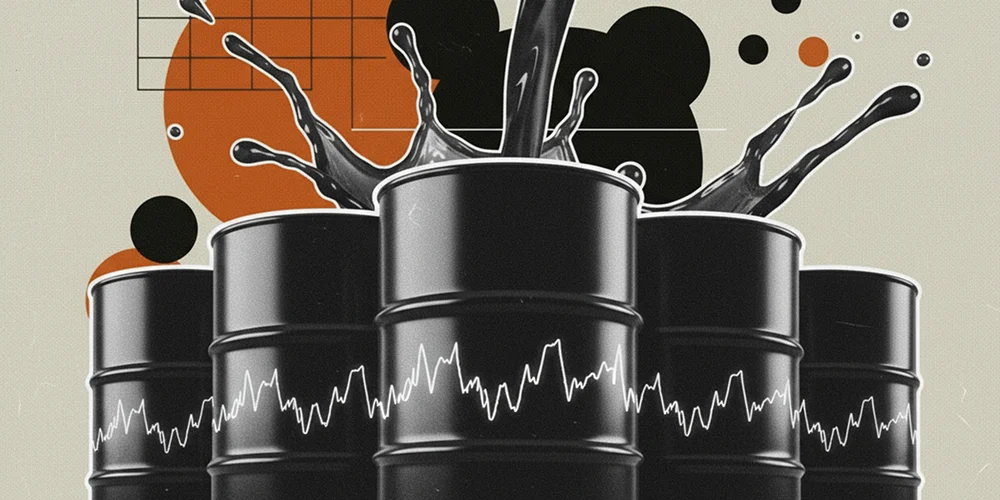
This strategic move immediately triggered a dramatic spike in international crude oil benchmarks, including Brent and WTI futures. Oil prices, already subject to existing supply-demand dynamics, surged by double-digit percentages within weeks of the closure. The direct consequence was an almost immediate increase in refined petroleum products, particularly gasoline and jet fuel, impacting transportation costs globally. Beyond crude oil, the conflict also indirectly affected other commodity markets, including natural gas, a key input for fertilizer production, thereby contributing to rising agricultural costs.
The chronology of events highlights a rapid deterioration:
- Late February/Early March 2026: Outbreak of hostilities in the Middle East.
- Mid-March 2026: Escalation leads to concerns over oil supply routes.
- Early April 2026: Iran announces closure of the Strait of Hormuz, sending oil prices soaring.
- Mid-April 2026: First signs of significant consumer price increases begin to appear in economic data.
- May 2026: Inflation figures confirm a substantial jump, and consumer sentiment plummets to record lows, reflecting the cumulative impact of the crisis.
Sector-Specific Impacts on Memorial Day Spending
The ripple effects of the Iran War and the ensuing inflation are most acutely felt in three primary areas: food, travel, and recreation. Each sector presents its own set of challenges for consumers planning their holiday weekend.
Food: Barbecue Budgets Under Strain
Summer barbecues, a quintessential Memorial Day tradition, are set to become significantly more expensive this year. The primary drivers are shrinking cattle herds and soaring fertilizer costs, both linked to broader economic and geopolitical factors.
- Meat Prices: Ground beef and steaks have seen increases of as much as 16% compared to 2025. Frankfurters, a holiday staple, now cost nearly 11% more than a year ago. The reduction in cattle herds can be attributed to a combination of factors, including prolonged drought conditions in key cattle-producing regions in previous years, coupled with the rising cost of feed, which itself is impacted by energy and fertilizer prices.
- Produce: Fresh produce, vital for summer salads and side dishes, is also feeling the pinch. Tomatoes run shoppers close to 40% more, while lettuce is up about 8% over the same period. These increases are a result of higher transportation costs, labor expenses, and, in some cases, adverse weather conditions affecting yields.
- Condiments and Staples: Even the smaller additions to a meal are pricier. Toppings such as spices, seasonings, condiments, and sauces have climbed almost 4%.
- Desserts and Beverages: The sweet treats and refreshing drinks that accompany holiday meals are not exempt. Shoppers picking up desserts like cakes, cupcakes, or cookies will pay just over 5% extra compared with a year ago. Carbonated drinks are 3.7% more expensive than last year, and coffee prices have soared by more than 18%, influenced by global commodity markets and shipping costs. Beer, which has seen a recent demand slowdown, still saw its prices rise by 2.2%.
Travel: Record Numbers Face Record Costs
Despite the rising costs, a record number of Americans are still expected to travel this Memorial Day weekend, yet they will confront significantly higher transportation expenses as a direct consequence of the war-driven oil price surge.
- Road Travel: AAA anticipates that 45 million Americans will travel at least 50 miles from home over the holiday period, a 0.4% increase from the peak set last year. More than 39 million of these travelers will opt for car travel. However, gasoline prices soared more than 28% year-over-year, according to federal data. Heading into the weekend, the average price for a gallon of unleaded gas nationally was its highest in four years, a substantial burden for long-distance drivers. Kimberly Palmer, a personal finance expert at NerdWallet, emphasized this challenge: "The holiday weekend poses extra financial challenges this year. Memorial Day weekend is traditionally a time for a lot of driving, which means consumers are searching for ways to save at the pump or cut back other areas of their budget to compensate for the higher gas prices."
- Air Travel: Airline fares surged by an alarming 20.7% from April 2025 to April 2026, reaching their highest level since 2022. Carriers have explicitly stated the necessity of hiking ticket prices due to surging jet fuel costs in the wake of Iran’s closure of the Strait of Hormuz. The situation was further complicated by Spirit Airlines shuttering operations earlier this month, citing costlier jet fuel. Industry analysts predict that ticket prices could rise even further without the budget airline in the market, reducing competition and capacity.
- Lodging: Hotels, motels, and other forms of lodging away from home will cost consumers 4.3% more than 12 months earlier, adding another layer of expense to holiday getaways.
- Consumer Adjustments: A Bank of America survey indicated that about 30% of respondents would not alter their summer travel plans despite higher gas prices. However, approximately one in five reported plans to curb vacations or choose destinations closer to home, demonstrating a clear behavioral shift among a significant segment of the population.
Recreation: Staycations Also See Inflationary Creep
Even Americans opting for a "staycation" will not be entirely immune to inflationary pressures on summer pastimes.
- Entertainment: Movie, theater, or concert tickets jumped 5.5% from a year ago, reflecting increased operating costs and potentially higher demand in some areas. Interestingly, sporting event tickets have dropped 10% in the same timeframe. This anomaly might be attributed to a strategic decision by some sports organizations to lower prices to attract fans facing budget constraints, or an oversupply of tickets relative to demand in certain markets as consumers prioritize other spending.
- Outdoor Activities: Price tags on bikes and other sporting vehicles are 4.3% higher than a year ago. For those engaging in home and garden projects, gardening supplies such as tools and hardware are up 5%, and indoor plants or flowers have seen a 6% increase in the past year.
Broader Economic Implications and Outlook
The current inflationary environment presents significant challenges for policymakers, particularly the Federal Reserve. With inflation running hot and consumer sentiment at record lows, the central bank faces a delicate balancing act. Aggressive interest rate hikes to tame inflation risk stifling economic growth and potentially pushing the economy into a recession, especially with the added uncertainty of a persistent geopolitical conflict. Conversely, inaction could allow inflation to become entrenched, eroding purchasing power further.
Analysts are closely watching for any signs of "stagflation" – a period characterized by high inflation and stagnant economic growth – a scenario made more plausible by the supply-side shock of the Iran War. The sustained pressure on energy and food prices could force the Fed to adopt a more hawkish stance, even if it means slowing down an already fragile economic recovery.
Beyond the immediate holiday weekend, the long-term implications are considerable. Businesses will continue to grapple with higher input costs, potentially leading to further price increases or reduced profit margins. Consumers, faced with persistently high costs for essentials, may be forced to make difficult choices about discretionary spending, impacting sectors like retail, hospitality, and entertainment. The cumulative effect could be a slowdown in consumer spending, which is a major driver of the U.S. economy.
The political landscape could also be affected. Elevated inflation and a struggling economy often translate into public dissatisfaction, potentially influencing upcoming elections and policy debates. Government officials may face pressure to implement measures to alleviate consumer burdens, though options are limited in the face of global supply shocks.
In conclusion, the Memorial Day weekend of 2026 serves as a poignant reminder of the interconnectedness of global events and domestic economic realities. The Iran War, though thousands of miles away, has directly translated into tangible economic pain for American households, reshaping holiday plans and highlighting the persistent challenges of navigating an increasingly volatile global economy. The path forward remains uncertain, with economists and policymakers grappling with how to restore price stability while safeguarding economic growth in the shadow of ongoing geopolitical conflict.