Lina Wu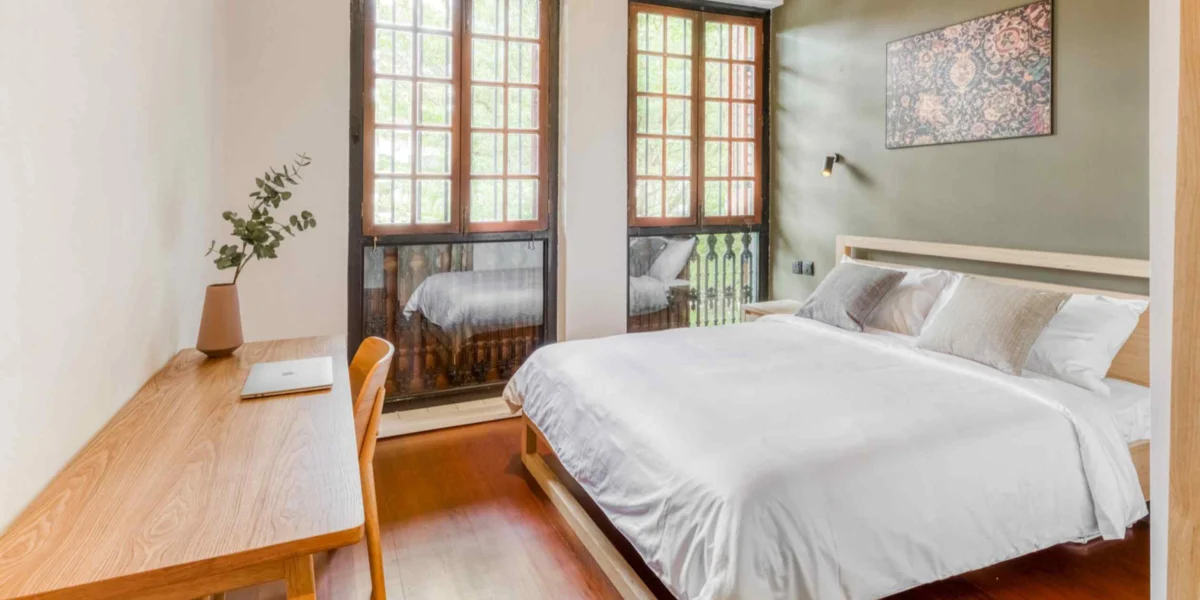
TOKYO — Mitsubishi Estate has announced its strategic acquisition of Habyt, a prominent Singapore-based operator of furnished rental housing, signaling a significant acceleration of its global expansion strategy targeting the burgeoning mid- to long-term accommodation market. This move underscores the Japanese real estate giant’s commitment to capturing growing demand from expatriates, digital nomads, and other transient populations seeking flexible and cost-effective living solutions across international urban centers. The deal, details of which were not fully disclosed, is expected to bolster Mitsubishi Estate’s presence in key Asian markets and further integrate its global rental housing portfolio.
Strategic Rationale Behind the Acquisition
The acquisition of Habyt aligns with Mitsubishi Estate’s overarching vision of establishing a robust international network of rental housing properties. As global mobility continues to increase, driven by remote work trends and an expanding expatriate workforce, the demand for adaptable living spaces that bridge the gap between short-term hotel stays and traditional long-term leases has surged. Habyt, with its established operational expertise and a portfolio of properties in strategic urban locations, presents a compelling opportunity for Mitsubishi Estate to rapidly scale its offerings in the Asia-Pacific region.
This strategic move is not an isolated event but rather a continuation of Mitsubishi Estate’s deliberate global diversification strategy. In recent years, the company has actively sought to expand its real estate footprint beyond its domestic Japanese market, recognizing the potential for growth in international rental housing. The acquisition of Habyt, therefore, represents a key milestone in this endeavor, allowing Mitsubishi Estate to leverage Habyt’s existing infrastructure, customer base, and operational know-how in a highly competitive market.
Habyt: A Profile in Flexible Living
Habyt distinguishes itself in the serviced accommodation sector by focusing on a model of "flexible living." Unlike traditional serviced apartments, which often incorporate hotel-style amenities such as daily cleaning and 24/7 front desk services, Habyt’s approach prioritizes cost-efficiency by offering essential services. This allows for more affordable rental arrangements, a critical factor for many expatriates and longer-staying visitors who seek comfortable and functional living spaces without the premium associated with full-service hotels.
The company’s operational model typically involves curating a network of furnished apartments and co-living spaces, managed through a streamlined digital platform. This technology-driven approach facilitates seamless booking, check-in, and communication, catering to the preferences of a modern, mobile clientele. Habyt’s emphasis on community and shared amenities in some of its properties further appeals to individuals seeking social interaction and networking opportunities during their stay.
A Growing Market for Mid- to Long-Term Stays
The global market for mid- to long-term rental accommodations is experiencing robust growth. Several factors are contributing to this trend:
- Rise of Digital Nomads and Remote Work: The increasing prevalence of remote work has enabled a growing segment of the workforce to relocate temporarily or travel while working. These individuals require flexible housing options that can accommodate stays ranging from a few weeks to several months.
- Expatriate Mobility: As multinational corporations expand their global operations, the demand for housing solutions for expatriate employees and their families remains consistently high. These individuals often seek furnished accommodations that provide a sense of home and familiarity during their assignments abroad.
- Global Tourism Trends: While short-term tourism is a significant driver of the hospitality industry, there is also a growing segment of travelers who opt for longer stays, exploring destinations in depth or engaging in extended business trips.
- Cost-Effectiveness: For stays exceeding a few weeks, furnished rental apartments often present a more economical alternative to hotels, offering better value for money without compromising on comfort and convenience.
According to industry reports, the global serviced apartment market, which encompasses mid- to long-term rentals, is projected to reach over $100 billion by 2027, exhibiting a compound annual growth rate (CAGR) of approximately 7%. This growth is particularly pronounced in Asia, where rapid urbanization, economic development, and increased foreign investment are driving demand for flexible housing solutions. Singapore, as a major business hub and a popular destination for expatriates in Southeast Asia, represents a critical market within this landscape.
Mitsubishi Estate’s Global Ambitions
Mitsubishi Estate, a titan in Japan’s real estate sector, has been progressively expanding its international portfolio. The company’s strategy involves investing in and developing a diverse range of properties, including office buildings, retail complexes, and residential accommodations, across key global cities. The acquisition of Habyt signifies a concentrated effort to build a significant presence in the residential rental segment, particularly in high-growth markets where demand for flexible living solutions is strong.
Prior to this acquisition, Mitsubishi Estate has been involved in various overseas projects, including the development of residential properties and the management of rental housing. However, the direct acquisition of an established operator like Habyt allows for a more immediate and impactful market entry, providing a ready-made platform for expansion and integration with its existing global real estate assets.
The company’s approach is often characterized by a long-term perspective, focusing on sustainable growth and value creation. By acquiring Habyt, Mitsubishi Estate is not only gaining a portfolio of properties but also acquiring valuable operational expertise and a brand that resonates with its target demographic. This acquisition is expected to serve as a cornerstone for further expansion within the Asia-Pacific region and potentially beyond.
Timeline and Key Developments
While the precise timeline leading up to the acquisition was not publicly detailed, the move aligns with broader trends in the real estate investment sector. The increasing interest in alternative real estate assets, such as rental housing and logistics facilities, has been a defining feature of the market in recent years.
- Mid-2010s Onwards: Mitsubishi Estate begins to systematically increase its overseas investments, diversifying beyond its traditional Japanese market. This period sees the company engage in various development and investment projects across North America, Europe, and Asia.
- Early 2020s: The COVID-19 pandemic, while initially disruptive, highlighted the resilience and growing importance of residential real estate and flexible living solutions. Companies like Habyt saw increased demand as individuals sought more adaptable living arrangements.
- 2023-2024: Increased M&A activity in the real estate sector, particularly in the build-to-rent and serviced accommodation segments, indicates a strong investor appetite for these asset classes. Mitsubishi Estate, with its substantial financial resources, would have been well-positioned to pursue strategic acquisitions.
- April 2026: The announcement of Mitsubishi Estate’s acquisition of Habyt. This marks a significant step in the company’s strategy to solidify its position in the global mid- to long-term rental housing market.
Potential Implications and Future Outlook
The acquisition of Habyt by Mitsubishi Estate is poised to have several significant implications for the market and the broader real estate landscape:
- Accelerated Growth for Habyt: With the backing of a major real estate conglomerate like Mitsubishi Estate, Habyt is likely to experience accelerated growth. Access to capital, global networks, and operational expertise will enable Habyt to expand its property portfolio, enhance its technological infrastructure, and enter new markets more rapidly.
- Enhanced Competition: The entry of a well-resourced player like Mitsubishi Estate into the flexible living market in Asia is likely to intensify competition. This could lead to innovation in service offerings, pricing strategies, and property development, ultimately benefiting consumers.
- Consolidation in the Market: This acquisition could signal a trend towards consolidation within the fragmented serviced accommodation and flexible living sector. Larger players may seek to acquire smaller operators to gain market share and operational efficiencies.
- Increased Investor Confidence: The investment by a reputable Japanese company like Mitsubishi Estate in an Asian flexible living operator could boost investor confidence in the region’s real estate market, particularly in the residential rental segment.
- Synergies with Existing Portfolios: Mitsubishi Estate may explore synergies between Habyt’s portfolio and its existing international real estate holdings. This could involve integrating Habyt’s services into larger mixed-use developments or leveraging its operational model for other residential projects.
From an analytical perspective, Mitsubishi Estate’s strategic acquisition of Habyt demonstrates a forward-thinking approach to real estate investment. The company is clearly positioning itself to capitalize on evolving living patterns and the increasing demand for flexible, digitally enabled accommodation solutions. The success of this venture will likely depend on Mitsubishi Estate’s ability to effectively integrate Habyt into its global operations, maintain the brand’s core value proposition of cost-efficient flexible living, and adapt to the diverse regulatory and market conditions across different Asian countries.
Official Statements and Reactions
While specific statements from Mitsubishi Estate and Habyt executives were not immediately available in the provided excerpt, such a significant acquisition would typically be accompanied by official announcements. In a hypothetical scenario, one might expect Mitsubishi Estate’s leadership to emphasize the strategic alignment of the acquisition with its global growth objectives, highlighting the potential for synergy and market leadership. Habyt’s management would likely express enthusiasm for the partnership, underscoring how Mitsubishi Estate’s resources and expertise will enable them to reach new heights and better serve their growing customer base.
For instance, a statement from a Mitsubishi Estate representative might read: "This acquisition of Habyt represents a pivotal step in our international strategy, allowing us to significantly expand our presence in the rapidly growing mid- to long-term rental housing market across Asia. Habyt’s innovative operational model and established brand recognition in Singapore make them an ideal partner for us to deliver high-quality, flexible living solutions to a global clientele."
Similarly, a statement from Habyt’s CEO could be: "We are thrilled to join forces with Mitsubishi Estate, a company that shares our vision for the future of urban living. This partnership will provide us with the resources and global reach necessary to scale our operations, enhance our offerings, and continue to provide exceptional flexible living experiences to our residents worldwide."
These inferred statements reflect the typical positive framing and strategic rationale communicated during major corporate acquisitions, aiming to reassure stakeholders and outline future growth prospects.
Conclusion
The acquisition of Habyt by Mitsubishi Estate is a significant development that underscores the evolving dynamics of the global real estate market. As demand for flexible and cost-effective mid- to long-term accommodation continues to rise, driven by an increasingly mobile global population, companies like Mitsubishi Estate are making strategic moves to capture this growth. This partnership between a real estate giant and an innovative operator in the flexible living space is poised to reshape the competitive landscape in Asia and beyond, setting new standards for urban living solutions. The focus on cost-efficiency, coupled with a digitally enabled operational model, positions Habyt, under Mitsubishi Estate’s stewardship, to become a leading provider in this dynamic and expanding market segment.