Lina Wu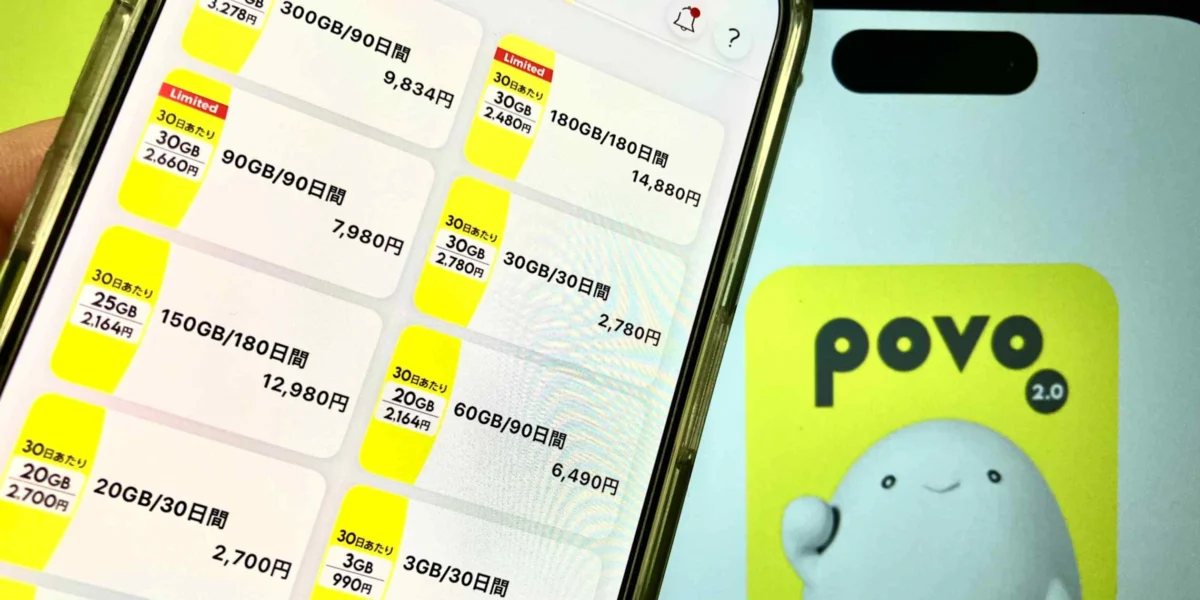
Japanese wireless carrier KDDI is set to make a significant expansion into the burgeoning Southeast Asian market by launching a new mobile service in Vietnam later this year. The venture, undertaken in partnership with the state-owned telecommunications giant VNPT, will introduce a prepaid brand designed to attract a new generation of Vietnamese consumers, leveraging KDDI’s successful povo2.0 model from Japan. This strategic move signals KDDI’s intent to tap into Vietnam’s rapidly growing digital economy and its large, young, and tech-savvy population.

H2: Strategic Entry into a Dynamic Market
The collaboration between KDDI and VNPT represents a calculated effort to navigate the competitive Vietnamese telecommunications landscape. Vietnam’s mobile market is characterized by high penetration rates and a strong demand for data services, fueled by a population where a substantial portion is under the age of 35. This demographic is increasingly adopting smartphones and seeking flexible, affordable mobile plans. KDDI’s decision to introduce a prepaid brand, mirroring the successful povo2.0 model, suggests a focus on agility, customer-centricity, and digital-first engagement, features that resonate strongly with younger demographics.

The povo2.0 prepaid plan, launched by KDDI in Japan in March 2021, was designed to offer a highly customizable and digital-native experience. It allows users to purchase data and other services in modular "toppings," providing flexibility and cost control. This "pay-as-you-go" or "build-your-own-plan" approach is expected to appeal to Vietnamese consumers who may be price-sensitive or prefer not to commit to long-term contracts. The service in Vietnam will likely be operated primarily through digital channels, including a dedicated app, minimizing the need for physical retail outlets and further enhancing cost efficiencies.
H2: Background and Market Context

Vietnam’s telecommunications sector has witnessed remarkable growth over the past decade. As of early 2024, mobile penetration rates are estimated to be well over 100%, indicating that many individuals possess multiple SIM cards. The market is dominated by a few key players, including Viettel, VNPT (through its Vinaphone brand), and MobiFone. While these incumbents offer a wide range of services, there is a growing opportunity for innovative, digital-first offerings, particularly in the prepaid segment, which remains a significant portion of the market.
The Vietnamese government has been actively promoting digital transformation and the development of its digital economy. This has created a favorable environment for technology companies and service providers. The influx of foreign investment in the tech and telecommunications sectors is a testament to Vietnam’s potential. KDDI’s partnership with VNPT, a major state-owned enterprise, provides a crucial local foothold, navigating regulatory requirements and leveraging VNPT’s existing network infrastructure and market presence.

H3: The Povo2.0 Model: A Blueprint for Success
The povo2.0 prepaid plan in Japan has been lauded for its innovative approach. Key features include:

- Modular "Toppings": Users can buy specific data bundles (e.g., 1GB for 24 hours, 3GB for 7 days, 20GB for 30 days) or specialized services like unlimited data for specific apps.
- Digital-First Experience: The entire service, from signup to plan management and topping purchases, is handled through a mobile application.
- Cost-Effectiveness: By offering granular control over data usage and services, users can tailor their plans to their exact needs, potentially reducing overall expenditure.
- Flexibility: The absence of long-term contracts and complex plans offers significant freedom to users.
This model is particularly attractive to younger demographics who are accustomed to on-demand digital services and value flexibility and transparency. The success of povo2.0 in Japan, where it has attracted millions of subscribers, suggests a strong potential for replication in markets with similar consumer preferences.
H2: Timeline and Key Milestones

While specific launch dates are not yet public, KDDI and VNPT are reportedly aiming for a rollout "later this year," implying a launch in the latter half of 2026. The development process would have likely begun much earlier, involving:
- Partnership Agreement (Late 2024/Early 2025): Initial discussions and formalization of the joint venture between KDDI and VNPT.
- Regulatory Approvals (Mid-2025 onwards): Securing necessary licenses and approvals from Vietnamese authorities.
- Network Integration and Infrastructure Development (Late 2025 – Mid-2026): Adapting VNPT’s existing network to support the new service and ensuring seamless integration.
- Platform and App Development (Early 2026 – Mid-2026): Customizing the povo2.0 digital platform and mobile application for the Vietnamese market.
- Marketing and Pre-Launch Campaigns (Late 2026): Building awareness and generating interest ahead of the official launch.
- Official Launch (Late 2026): The commencement of services for Vietnamese consumers.
H2: Supporting Data and Market Projections

Vietnam’s digital landscape provides a compelling backdrop for KDDI’s expansion. According to recent industry reports:
- Smartphone Penetration: Vietnam boasts a high smartphone penetration rate, exceeding 70% of the adult population, with significant growth projected in the coming years.
- Internet Usage: Internet penetration stands at over 70%, with mobile internet access being the primary means of connectivity for a large segment of the population.
- Young Population: Approximately 50% of Vietnam’s population is under 30 years old, representing a vast pool of potential customers who are digital natives and early adopters of new technologies.
- E-commerce Growth: The rapid expansion of e-commerce and digital services in Vietnam indicates a strong consumer appetite for online transactions and digital platforms.
- Data Consumption: Mobile data consumption per user is steadily increasing, driven by video streaming, social media, and online gaming.
These statistics underscore the immense potential for a mobile service that caters to the specific needs and preferences of this demographic. The prepaid model, with its emphasis on flexibility and affordability, is well-positioned to capture a significant share of this market.

H3: Analysis of Implications
The entry of KDDI and VNPT with a povo2.0-inspired brand carries several implications for the Vietnamese telecommunications market and KDDI’s broader international strategy:

- Increased Competition and Innovation: The launch is expected to intensify competition, particularly in the prepaid segment, potentially driving other operators to enhance their offerings and digital capabilities. This could lead to more innovative services and better value for consumers.
- Focus on Digital Channels: The emphasis on a digital-first approach will likely accelerate the trend towards app-based service management and digital customer support in Vietnam, pushing the market towards greater digitalization.
- KDDI’s International Growth Strategy: This venture is a key component of KDDI’s strategy to diversify its revenue streams beyond its domestic market. Success in Vietnam could pave the way for similar expansions into other emerging markets in Asia.
- VNPT’s Modernization: For VNPT, the partnership offers an opportunity to inject fresh innovation and digital expertise into its operations, helping it to remain competitive and cater to evolving consumer demands. It also signifies a willingness for state-owned enterprises to collaborate with international players for technological advancement.
- Potential for New Business Models: The modular, data-centric approach of povo2.0 could inspire the development of new data-sharing, content integration, or IoT-related services in the future, further expanding the digital ecosystem.
H2: Future Outlook and Potential Challenges
While the outlook appears promising, KDDI and VNPT will need to navigate several potential challenges. These include:

- Brand Recognition: Establishing a new brand in a market with established players will require substantial marketing efforts.
- Customer Acquisition Costs: Attracting subscribers in a competitive market may involve significant initial investment in promotions and incentives.
- Network Quality and Coverage: Ensuring consistent and reliable network performance across Vietnam, particularly in rural areas, will be critical for customer satisfaction.
- Regulatory Landscape: While the partnership with VNPT mitigates some regulatory hurdles, ongoing compliance and adaptation to evolving telecommunications policies will be necessary.
- Consumer Education: Educating consumers about the unique benefits and operational aspects of the povo2.0 model will be important for its successful adoption.
Despite these challenges, the strategic alignment between KDDI’s innovative digital model and VNPT’s established market presence positions the partnership for significant success. The launch of this new prepaid brand in Vietnam represents a bold step by KDDI to capture the dynamism of a rapidly growing Asian market, aiming to redefine mobile connectivity for a new generation of users. The success of this venture could serve as a blueprint for KDDI’s future international expansion efforts.