Lina Wu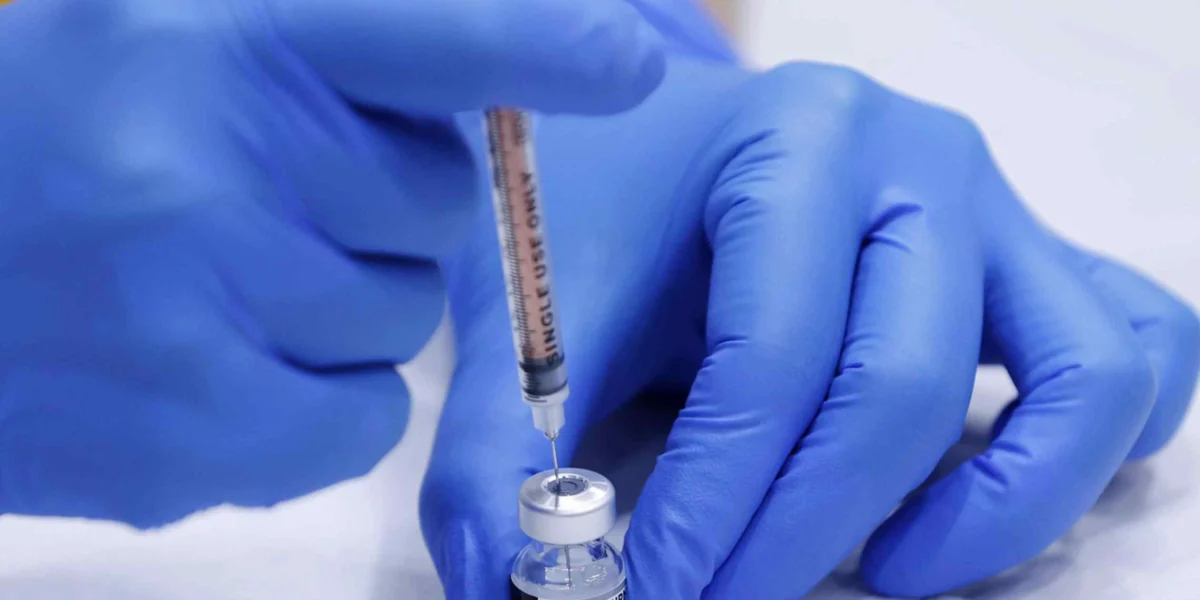
TOKYO – The Japanese government announced on Thursday, April 17, 2026, a strategic release of 50 million medical gloves from its substantial national stockpile. This decision comes in direct response to mounting concerns over potential shortages of this critical medical supply, a situation exacerbated by the ongoing conflict in Iran and its ripple effects on global supply chains. The move aims to stabilize domestic availability and prevent disruptions in healthcare services.
Escalating Supply Chain Vulnerabilities in the Wake of the Iran War
The protracted conflict in Iran, which began with escalating regional tensions in late 2023 and intensified into direct military confrontations throughout 2024 and early 2025, has significantly disrupted established global trade routes and manufacturing hubs. Iran, while not a primary global producer of medical gloves, plays a crucial role in the transit of goods and raw materials for several key industries, including the petrochemical sector which is vital for nitrile and latex production – the primary components of disposable medical gloves. Disruptions to shipping lanes in the Persian Gulf and surrounding maritime territories, coupled with sanctions and geopolitical instability, have led to increased shipping costs, delays, and uncertainty in the procurement of essential raw materials and finished medical products.
This global strain on supply chains has been acutely felt by Japan, a nation heavily reliant on imports for many of its medical consumables. While Japan maintains a robust national stockpile of essential medical supplies, the prolonged nature of the Iran conflict and its cascading effects on international trade have prompted a proactive reassessment of its preparedness. The government’s decision to release a significant portion of its glove reserves underscores the perceived severity of the emerging supply crunch.
A Strategic Stockpile Built on Precedent
Japan’s commitment to maintaining a strategic stockpile of medical supplies is not a new phenomenon. The nation has historically placed a high priority on public health security, a lesson deeply ingrained from past experiences, including the SARS outbreak in 2002-2003 and, more profoundly, the COVID-19 pandemic that began in late 2019. The pandemic exposed vulnerabilities in global supply chains and highlighted the critical importance of self-sufficiency in essential medical equipment, particularly personal protective equipment (PPE) such as masks, gowns, and gloves.
In the aftermath of COVID-19, the Japanese government significantly bolstered its stockpile, investing heavily in acquiring and storing vast quantities of medical supplies. This included a substantial procurement of disposable medical gloves, with the current stockpile reportedly holding nearly 500 million surplus units. These reserves are managed by various government agencies, with oversight from the Ministry of Health, Labour and Welfare (MHLW), and are intended for use during emergencies, infectious disease outbreaks, natural disasters, or other situations that could compromise the availability of essential medical goods.
The decision to dip into this reserve signifies a departure from simply holding inventory for unforeseen catastrophic events, moving towards managing a more dynamic supply chain buffer against geopolitical and economic shocks.
Chronology of Emerging Concerns and Government Action
- Late 2023 – Early 2024: Initial reports emerge of minor disruptions to global shipping and raw material procurement related to the escalating tensions in the Middle East, including the Iran region.
- Mid-2024: The conflict in Iran intensifies, leading to significant disruptions in key maritime trade routes. This results in increased freight costs and longer lead times for various imported goods, including petrochemical derivatives used in glove manufacturing.
- Late 2024 – Early 2025: Japanese importers and medical distributors begin to report increasing difficulties in securing consistent supplies of medical gloves. Price hikes and extended delivery schedules become more common.
- Q1 2025: The MHLW initiates a more formal assessment of the domestic medical glove supply situation, monitoring import volumes and domestic consumption patterns.
- Q2 2025: Reports from healthcare facilities and medical supply wholesalers indicate growing unease about potential shortages. Industry associations begin to lobby the government for intervention.
- April 10, 2026: The government publicly acknowledges concerns about the impact of the Iran conflict on medical supply chains, including gloves.
- April 17, 2026: The MHLW formally announces the decision to release 50 million medical gloves from the state stockpile into the domestic market.
Supporting Data and Market Dynamics
The global medical glove market is a multi-billion dollar industry, with demand significantly driven by healthcare sectors, laboratories, and industrial applications. Prior to the Iran conflict’s escalation, the market had already experienced fluctuations due to increased demand during the COVID-19 pandemic, followed by a period of oversupply as manufacturing capacity expanded. However, the geopolitical instability introduced a new layer of complexity.
Nitrile gloves, which constitute a significant portion of the market, are derived from petrochemicals. Disruptions to oil and gas production and transport, particularly in regions like the Middle East, can directly impact the cost and availability of the raw materials. Manufacturers often rely on complex global supply networks, making them vulnerable to even localized disruptions.
In Japan, the reliance on imports for disposable gloves is substantial. While domestic production exists, it does not meet the full demand of the nation’s extensive healthcare system. This import dependency means that global supply chain issues are almost immediately translated into domestic availability challenges. The price of imported gloves has reportedly seen a steady increase of approximately 15-20% over the past year, according to preliminary industry figures, driven by higher raw material costs and increased shipping insurance premiums.
Official Statements and Industry Reactions
A spokesperson for the Ministry of Health, Labour and Welfare, speaking anonymously to maintain protocol, stated, "The government is closely monitoring the global supply chain situation for essential medical supplies. Our decision to release these gloves from the national stockpile is a proactive measure to ensure that our healthcare providers have the necessary resources to continue delivering uninterrupted care. We believe this will provide a crucial buffer during this period of global uncertainty."
Industry bodies, while welcoming the government’s intervention, have also expressed ongoing concerns. A representative from the Japan Medical Association (JMA), speaking on condition of anonymity, commented, "We are grateful for the government’s swift action. However, this release, while substantial, addresses immediate needs. We remain concerned about the long-term sustainability of supply if global disruptions persist. We urge continued dialogue with the government to explore further strategies, including diversification of import sources and potential incentives for domestic manufacturing expansion."
Medical supply distributors have indicated that the released gloves will be channeled through existing distribution networks to hospitals, clinics, and pharmacies across the country. The exact timeline for their arrival in the market will depend on logistical arrangements, but is expected to begin within the next two weeks.
Broader Implications and Analysis
The Japanese government’s decision to release medical gloves from its strategic reserve has several significant implications:
- Reinforcement of National Health Security: The move highlights Japan’s commitment to safeguarding its public health infrastructure against external shocks, reinforcing the lessons learned from previous global health crises. It signals a recognition that national security now encompasses robust supply chain resilience.
- Economic Stabilization: By ensuring the availability of a critical medical consumable, the government aims to prevent price gouging and maintain stability within the healthcare sector. This can prevent a domino effect that could impact the operational capacity of healthcare institutions and potentially lead to increased healthcare costs for the public.
- Potential Precedent for Other Supplies: This action could set a precedent for the management of other essential medical supplies within the national stockpile. If supply chain pressures continue to mount for other PPE items or pharmaceuticals, similar releases might be considered.
- Focus on Supply Chain Diversification: The incident is likely to intensify discussions and policy initiatives aimed at diversifying Japan’s import sources for medical supplies. This could involve strengthening trade relationships with countries not directly impacted by the Middle East conflict, or exploring near-shoring and reshoring manufacturing capabilities.
- Geopolitical Awareness: The direct link drawn between the Iran war and domestic medical supply availability underscores the interconnectedness of global events and their tangible impact on everyday life, even in geographically distant nations. It emphasizes the need for heightened geopolitical awareness and proactive risk management in economic policy.
While the release of 50 million gloves provides a much-needed reprieve, the underlying vulnerabilities in global supply chains remain. The long-term effectiveness of this strategy will depend on the duration and severity of the Iran conflict, the global response, and Japan’s ability to implement more sustainable solutions for its medical supply chain security in the future. The government’s proactive stance, however, demonstrates a commitment to navigating these complex challenges with a view towards protecting its population’s health and well-being.