Lina Wu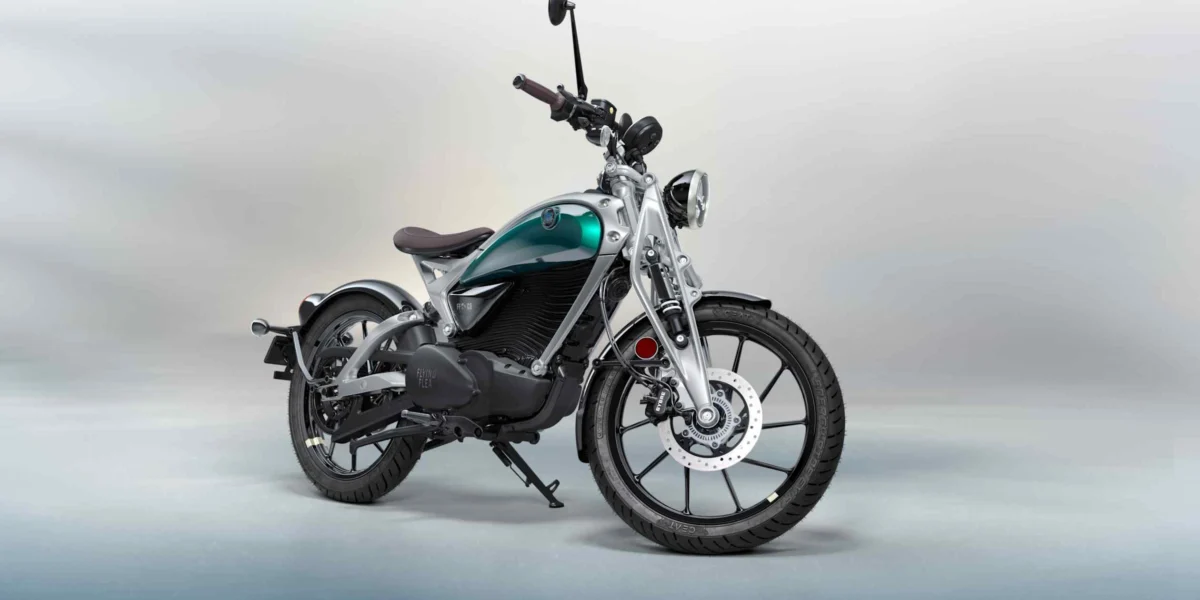
MUMBAI – Royal Enfield, a brand long synonymous with the thrum of classic petrol engines and the open road, has officially entered the electric vehicle arena with the unveiling of its maiden electric motorcycle, codenamed "Flying Flea." This pivotal moment, marked by the reveal on April 16, 2026, signifies a strategic pivot for the historic Indian manufacturer, aiming to capture a new generation of riders and address the evolving landscape of personal mobility. The "Flying Flea," as described by company insiders and hinted at by its lightweight and quieter operational characteristics, represents a departure from the robust, character-driven machines that have defined Royal Enfield for decades, suggesting a deliberate effort to broaden its appeal beyond its traditional, loyal customer base.
The genesis of the "Flying Flea" project can be traced back several years, with internal discussions and preliminary research into electric powertrains beginning as early as the late 2010s. Royal Enfield, a subsidiary of Eicher Motors, observed the burgeoning global EV market and the increasing regulatory pressures on internal combustion engine vehicles. While the company initially focused on modernizing its existing petrol-powered lineup and exploring new segments like adventure touring with models such as the Himalayan, the strategic imperative to develop an electric offering became undeniable. By 2020, dedicated R&D teams were reportedly established, tasked with conceptualizing a Royal Enfield electric motorcycle that could retain the brand’s core values of accessible, engaging riding experiences while embracing sustainable technology.
The choice of the "Flying Flea" moniker itself is evocative. Historically, the name was associated with a lightweight, nimble motorcycle produced by Royal Enfield in the mid-20th century, renowned for its agility and ease of use. This historical echo suggests that the new electric model, while technologically advanced, will likely inherit some of that spirit – emphasizing maneuverability and an approachable riding dynamic, a stark contrast to the heavier, more visceral experience of models like the Interceptor 650 or the Classic 350. Ishmeet Kaur Muker, an owner of a Royal Enfield Interceptor for eight years, encapsulates the brand’s traditional appeal. Her initial attraction to Royal Enfield was rooted in childhood memories of uncles riding the company’s older Classic models, highlighting the deep-seated nostalgia and familial connection that many riders have with the brand. The introduction of the "Flying Flea" presents a fascinating challenge: how to translate this emotional resonance into a silent, electrically powered machine.
A Strategic Shift in a Maturing Market
The timing of Royal Enfield’s electric foray is significant. The global two-wheeler market, particularly in India, is experiencing a profound transformation. India, the world’s largest two-wheeler market, has seen a surge in electric scooter sales in recent years, driven by government incentives, rising fuel prices, and growing environmental awareness. While the electric motorcycle segment is still nascent, it is projected for substantial growth. Data from market research firms indicates a compound annual growth rate (CAGR) of over 30% for the electric motorcycle market globally over the next five to seven years. Companies like Ather Energy, Ola Electric, and Revolt Motors have already made significant inroads into the Indian electric two-wheeler space, albeit primarily in the scooter segment. Royal Enfield’s entry, therefore, is not merely about technological adoption but a strategic move to secure its future relevance and market share in a rapidly evolving competitive landscape.
The development of the "Flying Flea" is understood to have involved a multi-pronged approach. Beyond in-house engineering, Royal Enfield has been actively exploring collaborations and sourcing advanced battery technology and electric powertrain components. While specific details remain under wraps, it is widely believed that the company has invested heavily in battery management systems (BMS) and motor efficiency to ensure a competitive range and charging time. The emphasis on "lighter and quieter" production indicates a focus on user experience. This suggests that the "Flying Flea" is not envisioned as a high-performance electric sportbike, but rather a practical, city-friendly commuter or a relaxed cruiser, catering to urban dwellers and potentially new riders who might be intimidated by the weight and noise of traditional motorcycles.
From Heritage to Innovation: A Chronology of Royal Enfield’s Electric Ambitions
The journey towards the "Flying Flea" can be pieced together through various industry reports and the company’s strategic announcements over the past few years:
- Late 2010s: Initial internal feasibility studies and market research into electric powertrains for two-wheelers commence within Royal Enfield.
- 2019-2020: Formal establishment of dedicated R&D teams focusing on electric vehicle development. The company begins exploring partnerships for battery technology and electric motor suppliers.
- 2021: Royal Enfield CEO Siddhartha Lal publicly acknowledges the company’s interest in electric mobility, stating that the brand is "looking at electric." This marks a significant public signal of intent.
- 2022: Rumors and spy shots of Royal Enfield electric prototypes begin circulating, fueling speculation about the brand’s electric future. Investments in battery technology and charging infrastructure research are reported.
- 2023: Eicher Motors, Royal Enfield’s parent company, announces substantial capital expenditure plans, with a portion earmarked for new product development, including electric vehicles. Strategic acquisitions or investments in EV component manufacturers are rumored.
- 2024: Development of the "Flying Flea" prototype intensifies, with extensive testing conducted in various conditions. The company reportedly refines its strategy to balance brand heritage with EV requirements.
- April 16, 2026: Official unveiling of the Royal Enfield "Flying Flea" electric motorcycle, marking its public debut and signaling the commencement of a new era for the brand.
This timeline highlights a deliberate, phased approach to electrification, allowing Royal Enfield to learn, adapt, and integrate electric technology without compromising its core identity.
Supporting Data and Market Context
The global electric two-wheeler market is projected to grow from approximately USD 25 billion in 2023 to over USD 70 billion by 2030, according to various industry analyses. In India, the electric two-wheeler market is already a significant contributor, with sales of electric scooters and motorcycles growing exponentially. In 2023, India’s electric two-wheeler sales crossed the 1.2 million mark, a substantial increase from previous years. While the motorcycle segment within this is smaller, it represents a substantial growth opportunity. Factors driving this growth include:
- Government Incentives: Schemes like the Faster Adoption and Manufacturing of Electric Vehicles (FAME) India scheme have been instrumental in subsidizing the cost of electric two-wheelers, making them more accessible to consumers.
- Falling Battery Costs: The declining cost of lithium-ion batteries, the primary component of EV powertrains, is making electric vehicles more economically viable. Global average battery prices have fallen by over 80% in the last decade.
- Environmental Consciousness: Increasing awareness of air pollution and climate change is pushing consumers towards cleaner transportation alternatives.
- Lower Running Costs: Electric vehicles generally have lower running costs due to cheaper electricity compared to petrol and reduced maintenance requirements (fewer moving parts).
Royal Enfield’s entry into this market, with a product positioned as lighter and quieter, suggests a strategy to capture urban commuters and potentially younger demographics who prioritize convenience and environmental impact. The "Flying Flea" is expected to compete with upcoming electric motorcycles from established players and new entrants, all vying for a share of this rapidly expanding market.
Official Responses and Industry Reactions
While specific quotes from Royal Enfield executives at the unveiling event are not yet fully detailed in the provided snippet, the strategic significance of the "Flying Flea" would undoubtedly have been addressed. It is reasonable to infer that company leadership, including CEO Siddhartha Lal, would have emphasized the brand’s commitment to innovation while respecting its legacy. Potential talking points would likely include:
- Commitment to Sustainability: Highlighting the brand’s role in contributing to a greener future for mobility.
- Rider Experience: Assuring customers that the electric offering will still provide an engaging and enjoyable riding experience, albeit in a new format.
- Market Expansion: Articulating the vision of reaching new customer segments and expanding Royal Enfield’s global footprint.
- Technological Advancement: Showcasing the investment in cutting-edge EV technology.
Industry analysts and competitors are likely to view Royal Enfield’s move with a mix of anticipation and strategic assessment. For established petrol-powered motorcycle manufacturers, it signals the undeniable shift towards electrification. For existing EV players, it means facing a formidable competitor with a massive brand following and extensive distribution network.
A hypothetical statement from an industry analyst might read: "Royal Enfield’s entry into the electric motorcycle segment is a watershed moment. Their ability to translate the brand’s emotional appeal and robust build quality into an electric platform will be key to their success. The ‘Flying Flea’ appears to be positioned as an accessible, urban-focused machine, which could tap into a significant untapped market segment. However, they will face stiff competition from agile startups that have already established a foothold."
Broader Impact and Implications
The introduction of the "Flying Flea" carries significant implications for Royal Enfield and the broader automotive industry:
- Brand Evolution: This marks a critical step in Royal Enfield’s evolution from a heritage brand to a modern mobility solutions provider. It challenges the perception that the brand is solely tied to its traditional internal combustion engines.
- Market Disruption: By entering the electric motorcycle space with a potentially accessible and well-marketed product, Royal Enfield could accelerate the adoption of electric motorcycles in markets where they have historically lagged behind electric scooters.
- Technological Advancement: The development and eventual success of the "Flying Flea" will likely spur further investment in EV technology and infrastructure within the Royal Enfield ecosystem and among its suppliers.
- Customer Segmentation: The "Flying Flea" explicitly aims to attract a new demographic of riders. This includes younger individuals, environmentally conscious consumers, and those seeking a simpler, more urban-friendly riding experience. The success of this strategy will depend on how effectively Royal Enfield can communicate the value proposition of its electric offering to these new segments.
- Competitive Landscape: The move will undoubtedly intensify competition within the nascent electric motorcycle market, potentially leading to further innovation and price adjustments from other manufacturers.
- Sustainability Goals: For Eicher Motors and Royal Enfield, this aligns with broader corporate sustainability goals and contributes to the growing narrative of Indian automotive companies embracing green technologies.
The "Flying Flea" is more than just a new model; it represents Royal Enfield’s audacious ambition to remain a dominant force in the two-wheeler market by embracing the future. Its success will be measured not only by sales figures but by its ability to redefine the Royal Enfield experience for a new era of riders, proving that the spirit of adventure and the allure of the open road can indeed be powered by electricity. The coming years will reveal whether this historic brand can successfully navigate the silent revolution of electric mobility.