Lina Wu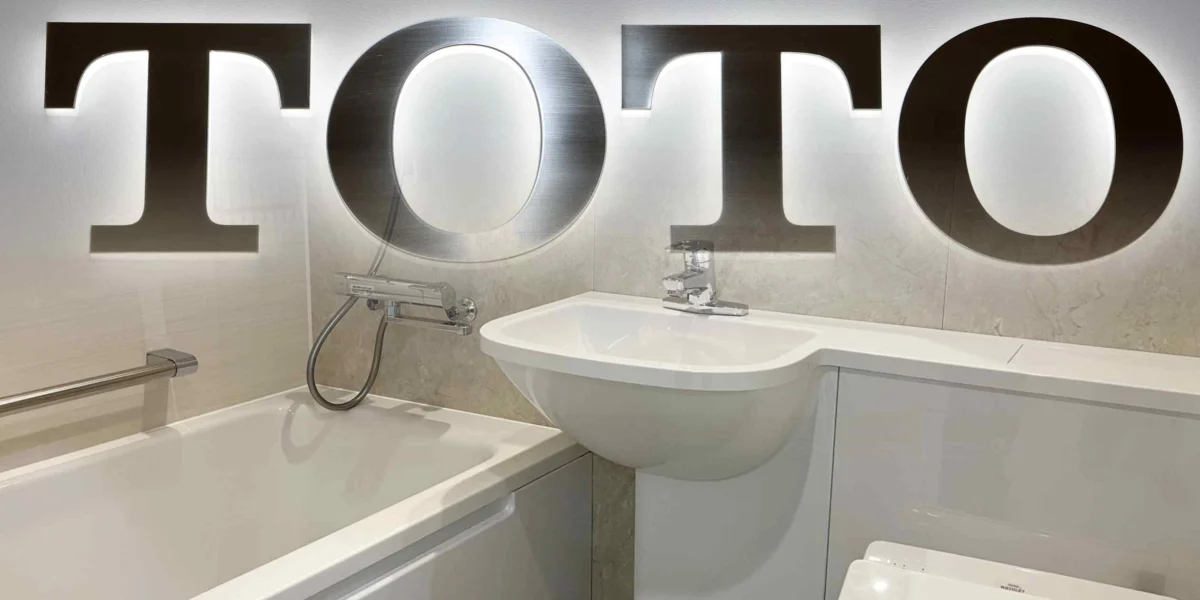
TOKYO — Japan’s leading sanitary equipment manufacturer, Toto Ltd., has been compelled to suspend new orders for its prefabricated bath units due to a critical shortage of organic solvents, a consequence directly linked to the ongoing closure of the Strait of Hormuz. The company, renowned globally for its innovative washlet bidet toilets, high-quality bathtubs, and integrated kitchen systems, revealed this significant disruption on Monday, April 13, 2026, with further updates provided later the same day. This development has raised concerns about potential delays in new housing construction across Japan, a sector heavily reliant on timely delivery of such essential components.
The Immediate Impact: Halting Prefabricated Bath Unit Orders
The decision by Toto to halt orders for its prefabricated bath units, a staple in modern Japanese residential construction for their efficiency and quality, underscores the severity of the supply chain disruption. Prefabricated bath units, often referred to as "unit baths," are a cornerstone of Japanese housing, offering a complete, factory-assembled bathroom solution that streamlines construction and ensures consistent quality and waterproofing. Toto, as a dominant player in this market, accounts for a substantial portion of these units supplied to developers and builders nationwide.
The specific organic solvent in question is a crucial component in the manufacturing process of certain resins and coatings used in these bath units. These materials are vital for ensuring the durability, water resistance, and aesthetic finish of the finished product. Without a stable supply of these solvents, Toto’s production lines for these units are facing significant bottlenecks, making it impossible to meet existing and prospective demand.
Background: The Strait of Hormuz Closure and its Ripple Effects
The root cause of Toto’s supply crisis traces back to the escalating geopolitical tensions and subsequent closure of the Strait of Hormuz, a vital chokepoint for global oil and gas transport, situated between the Persian Gulf and the Gulf of Oman. While the exact timeline of the closure and the specific events leading to it are still unfolding and subject to ongoing international diplomatic efforts, the impact on global shipping and commodity markets has been immediate and far-reaching.
The Strait of Hormuz handles approximately 30% of the world’s seaborne oil trade. Its closure, whether due to conflict, sanctions, or other disruptive events, immediately sent shockwaves through global supply chains. Beyond crude oil, the strait is also a critical transit route for liquefied natural gas (LNG) and other petrochemical products. Many of the specialized organic solvents used in industrial manufacturing, including those essential for Toto’s bath units, are derived from petrochemical feedstocks that are transported via this vital waterway.
The disruption has led to significant price hikes for these raw materials and, more critically, a severe reduction in their availability. Shipping routes have been rerouted to avoid the affected area, leading to increased transit times, higher freight costs, and uncertainty regarding delivery schedules. For industries that rely on just-in-time manufacturing and precise inventory management, such as the construction sector, these disruptions pose a substantial threat.
A Timeline of Disruption
While the precise timeline of Toto’s internal response to the shortage is not fully detailed, the announcement on April 13, 2026, suggests a period of assessment and deliberation.
- Early 2026 (Estimated): Geopolitical events in the Middle East escalate, leading to increased tensions and eventual disruptions in the Strait of Hormuz. This would have begun to impact global shipping and commodity prices, including petrochemical derivatives.
- February-March 2026 (Estimated): Suppliers of organic solvents to Toto begin to experience delivery delays and price increases. Toto likely initiates internal reviews of its inventory levels and supply chain resilience.
- Early April 2026: The shortage of critical organic solvents reaches a point where Toto’s production capacity for prefabricated bath units is significantly impacted. The company determines that it can no longer accept new orders without jeopardizing its ability to fulfill existing commitments.
- April 13, 2026: Toto formally announces the suspension of new orders for prefabricated bath units. The Nikkei reports on this development.
- April 13, 2026 (Later): Toto provides further updates or clarifications on the situation, though specific details of these updates are not immediately available in the initial report.
Supporting Data and Market Context
The Japanese housing market, while facing demographic shifts, remains a significant economic driver. In 2025, the number of new housing starts in Japan hovered around 800,000 to 900,000 units annually, a figure that has remained relatively stable in recent years, demonstrating a consistent demand for construction materials. Prefabricated bath units are a key component in a large percentage of these new homes, particularly in multi-unit dwellings and more affordable housing segments, due to their cost-effectiveness and rapid installation.
Toto’s market share in the prefabricated bath unit sector is estimated to be substantial, potentially exceeding 50% in certain segments. This dominance means that any disruption to their production has a magnified effect on the overall market. The company’s financial reports for the fiscal year ending March 2025, for instance, indicated strong revenue streams from its building products division, with prefabricated bathrooms being a significant contributor. The inability to generate new revenue from this product line will undoubtedly impact Toto’s short-term financial performance.
Official Responses and Industry Reactions
As of the initial report, specific official statements from government bodies or industry associations beyond Toto’s announcement have not been detailed. However, the implications for the construction sector are likely to prompt swift reactions.
Inferred Reactions and Potential Statements:
- Japan’s Ministry of Economy, Trade and Industry (METI): METI would likely be monitoring the situation closely, given its implications for a key manufacturing sector and the broader economy. They may engage with Toto and other industry players to assess the extent of the shortage and explore potential government interventions, such as facilitating alternative sourcing or offering support for domestic production of essential chemicals. A METI spokesperson might issue a statement emphasizing the government’s commitment to stabilizing supply chains and supporting Japanese industries facing external shocks.
- Japan Federation of Construction Contractors (JFCC): The JFCC, representing major construction firms, would undoubtedly express concern over potential project delays and cost overruns. Their leadership might release a statement calling for urgent solutions from Toto and urging government support to mitigate the impact on ongoing and future construction projects. They might also emphasize the need for greater supply chain diversification among their members.
- Real Estate Developers: Developers reliant on Toto’s units would be facing difficult decisions regarding project timelines and budgets. Representatives from major developers might voice their concerns about the potential for delays in delivering new homes to market, which could impact sales targets and customer satisfaction. They may also be exploring alternative suppliers, though finding comparable quality and scale on short notice would be challenging.
- Toto Ltd.: While the initial announcement was direct, Toto’s management is likely to be engaged in intense efforts to secure alternative sources for the critical organic solvents. They may be exploring options such as air freight for smaller quantities, though this would significantly increase costs. The company might also be investigating whether its existing inventory of finished units or components can be prioritized for existing orders. Further communication from Toto could detail their efforts to mitigate the impact, such as exploring alternative materials or temporary production adjustments.
Broader Impact and Implications
The suspension of Toto’s prefabricated bath unit orders sends ripples far beyond the company’s immediate operations.
Impact on the Construction Sector:
- Project Delays: The most immediate consequence will be delays in the construction of new homes and buildings that utilize Toto’s prefabricated units. This can have a cascading effect, impacting developers’ schedules, pre-sale agreements, and the availability of new housing for consumers.
- Increased Costs: Developers and builders may face increased costs if they are forced to source alternative, potentially more expensive, bathroom solutions or if they incur penalties for project delays.
- Shift to Alternative Solutions: The shortage could accelerate the adoption of alternative bathroom construction methods or push developers to consider different suppliers for prefabricated units, provided such alternatives exist and can meet demand. However, the scale and quality of Toto’s offerings are difficult to replicate quickly.
Economic Ramifications:
- Reduced Housing Starts: A prolonged shortage of essential building components could lead to a temporary decline in overall housing starts, impacting related industries such as real estate, finance, and home furnishings.
- Impact on Toto’s Revenue and Profitability: The inability to take new orders for a key product line will directly affect Toto’s revenue and profitability in the short to medium term. The company’s stock performance could also be impacted by investor concerns over supply chain vulnerabilities.
- Supply Chain Resilience: This incident highlights the fragility of global supply chains, particularly those reliant on petrochemicals and transit through politically sensitive regions. It serves as a stark reminder for Japanese industries to enhance their supply chain resilience through diversification, increased inventory, and potentially domestic sourcing strategies for critical materials.
Geopolitical Context and Future Outlook:
The Strait of Hormuz closure, while the proximate cause, is a symptom of broader geopolitical instability. The duration and ultimate resolution of this closure will heavily influence the longevity of the supply shortage. If the geopolitical situation stabilizes, shipping routes could reopen, and commodity prices might normalize, allowing companies like Toto to resume normal operations. However, the experience may prompt a re-evaluation of manufacturing strategies within Japan, potentially leading to greater emphasis on localized production of essential components to mitigate future risks associated with international supply lines. The long-term implications could include increased investment in domestic chemical production and a more robust approach to supply chain risk management across various industrial sectors. Toto’s ability to navigate this challenge will depend on its agility in securing alternative supplies and its strategic foresight in building a more resilient operational framework for the future.