Lina Wu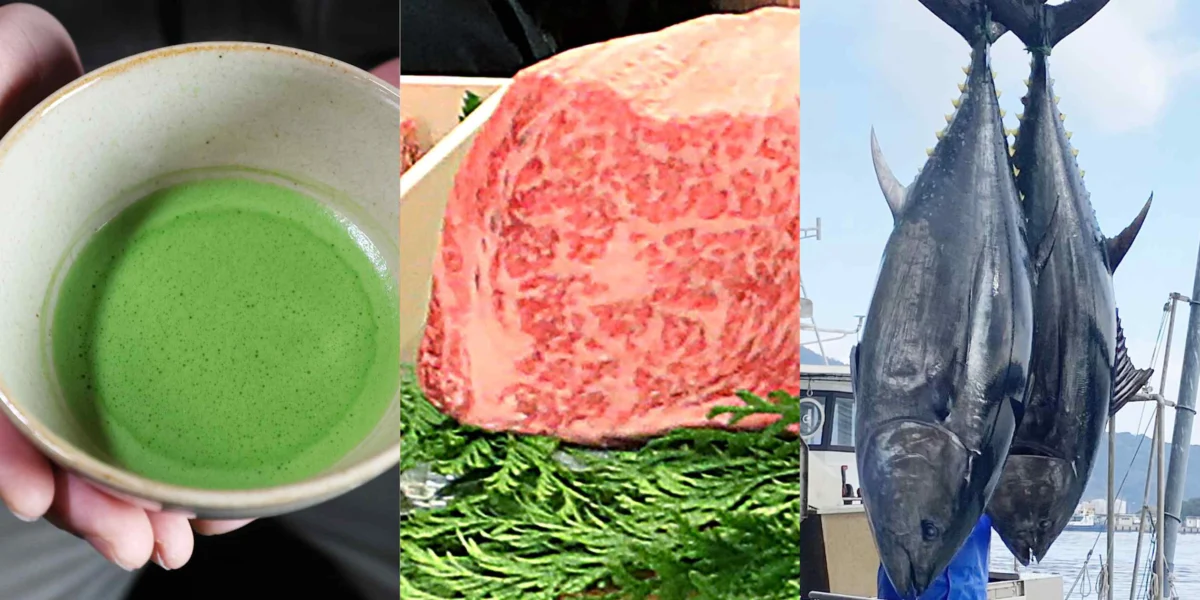
The lucrative Middle Eastern market for premium Japanese agricultural, forestry, and fishery products, including sought-after matcha tea, succulent wagyu beef, and prized bluefin tuna, is experiencing a significant and concerning downturn. Companies that had witnessed a remarkable fivefold increase in their exports to the United Arab Emirates (UAE) in the five years preceding the escalation of the Iran war are now grappling with a sharp contraction in orders, a direct consequence of the geopolitical instability. This disruption poses a substantial challenge to Japanese producers who had invested heavily in cultivating and expanding their presence in this high-value market.
The Booming Middle Eastern Appetite for Japanese Delicacies
For years, the Middle East, particularly the UAE, has emerged as a dynamic and increasingly important export destination for Japan’s finest agricultural and marine offerings. The region’s burgeoning wealth, coupled with a growing appreciation for high-quality, artisanal food products, created fertile ground for Japanese exports. The statistics painted a compelling picture of this success: prior to the recent geopolitical upheaval, Japanese agricultural, forestry, and fishery exports to the UAE had seen an astonishing tripling over a five-year period. This growth was not a marginal increase but a substantial surge, indicative of a strong and sustained demand.
Specific products that resonated deeply with consumers in the UAE included:
- Matcha Tea: The vibrant green powder, synonymous with Japanese tea ceremonies, found a new audience among health-conscious and discerning consumers seeking sophisticated beverages.
- Wagyu Beef: Renowned for its intense marbling, rich flavor, and melt-in-your-mouth texture, wagyu beef became a symbol of luxury and culinary excellence, attracting high-end restaurants and affluent individuals.
- Bluefin Tuna: Prized for its exceptional quality and suitability for sushi and sashimi, Japanese bluefin tuna became a staple on the menus of exclusive dining establishments across the UAE.
This growth was the result of concerted efforts by Japanese exporters and government agencies to promote these products. Trade missions, participation in international food exhibitions, and targeted marketing campaigns had successfully cultivated a strong brand image for Japanese food in the region. The UAE, with its strategic location, robust infrastructure, and affluent population, served as a crucial hub for broader Middle Eastern market penetration.
The Shadow of Conflict: Iran War Triggers Export Crisis
The recent escalation of tensions and subsequent military engagements involving Iran have cast a long shadow over this burgeoning trade relationship. While the direct conflict may not be geographically proximate to the UAE in all its manifestations, the ripple effects of such geopolitical instability are far-reaching and often unpredictable. For Japanese exporters, the Iran war has translated into a tangible and immediate crisis: a precipitous fall in orders.
The exact timeline of the impact is still being assessed, but anecdotal evidence and preliminary reports suggest a sharp decline commencing in late 2025 and intensifying in early 2026, coinciding with the intensification of the Iran conflict. This sudden contraction is attributed to a confluence of factors:
- Heightened Risk Aversion: In times of regional uncertainty, businesses and consumers alike tend to become more cautious with their spending. Luxury goods, including premium imported foods, are often the first to be affected as discretionary budgets are tightened.
- Supply Chain Disruptions: The conflict, even if localized, can disrupt vital shipping routes, increase insurance premiums for cargo, and lead to unpredictable delays. The reliance on complex global supply chains for perishable goods like fresh seafood makes them particularly vulnerable.
- Economic Uncertainty: Geopolitical crises often trigger broader economic uncertainty. Fluctuations in currency exchange rates, potential sanctions, and a general slowdown in economic activity can significantly impact import demand.
- Travel Restrictions and Tourism Decline: The Middle East is a popular destination for international tourism. Any perceived instability can lead to a decline in tourist numbers, which in turn affects demand for high-end dining experiences that rely on imported delicacies.
Industry Reactions and Concerns
The impact of this downturn is being felt keenly by Japanese companies that had dedicated significant resources to developing their Middle Eastern markets. While specific company names and detailed financial figures remain largely private, industry associations and trade bodies have begun to voice their concerns.
"We are observing a significant contraction in demand for our premium products in the Middle East," stated a representative from a Japanese food export association, speaking on condition of anonymity due to the sensitive nature of the market conditions. "The progress we had made over the past five years, building trust and establishing strong relationships with buyers, is now under severe threat. We are urging for swift diplomatic resolutions to de-escalate the situation."
The sentiment is echoed by producers themselves. Farmers who have invested in specialized Wagyu breeding programs, fisheries that have secured sustainable bluefin tuna quotas, and tea growers who have perfected their matcha cultivation techniques are now facing a stark reality of reduced orders and potential financial losses. The long lead times involved in agricultural production mean that a sudden drop in demand can have cascading effects, impacting future planting and harvesting decisions.
Broader Economic and Geopolitical Implications
The decline in Japanese exports to the Middle East extends beyond the immediate financial concerns of individual companies. It highlights the interconnectedness of global economies and the profound impact that geopolitical events can have on seemingly disparate sectors.
- Diversification Imperative: This crisis serves as a stark reminder for Japanese exporters of the importance of market diversification. Over-reliance on any single region, however lucrative it may appear, can leave businesses vulnerable to unforeseen shocks.
- Food Security Considerations: While not a direct threat to Japan’s domestic food security, the disruption to export markets can impact the livelihoods of producers and the overall vitality of Japan’s agricultural and fishing industries.
- Diplomatic and Trade Relations: The situation underscores the delicate balance between economic ties and geopolitical stability. A sustained downturn in trade could strain diplomatic relations and necessitate a re-evaluation of trade agreements and partnerships.
Looking Ahead: Navigating Uncertainty
The path forward for Japanese exporters in the Middle East remains uncertain and hinges heavily on the evolving geopolitical landscape. Several factors will be critical in determining the pace and nature of any recovery:
- De-escalation and Stability: The most immediate and crucial factor is the resolution of the Iran conflict and the restoration of regional stability. Without a predictable and secure environment, businesses will remain hesitant to commit to large-scale orders.
- Government Support and Diplomacy: The Japanese government will likely play a crucial role in supporting affected businesses through export insurance, financial aid, and diplomatic efforts to promote a stable trading environment.
- Adaptability and Resilience: Japanese companies will need to demonstrate resilience and adaptability. This may involve exploring alternative markets, developing new product lines catering to different consumer preferences, or finding innovative ways to navigate supply chain challenges.
- Long-Term Market Assessment: As the situation stabilizes, a thorough reassessment of the Middle Eastern market will be necessary. Understanding evolving consumer behaviors, economic conditions, and competitive landscapes will be vital for developing sustainable export strategies.
The story of Japanese premium food exports to the Middle East is a testament to the power of quality, innovation, and market development. However, it also serves as a sobering reminder that in an increasingly interconnected world, even the most successful ventures can be profoundly impacted by events far beyond their immediate control. The coming months will be critical in determining whether the gains made over the past decade can be salvaged and rebuilt, or if this promising trade relationship will require a fundamental redefinition in the face of a turbulent global order. The resilience and strategic foresight of both the private sector and the government will be paramount in navigating this challenging period.