Lina Wu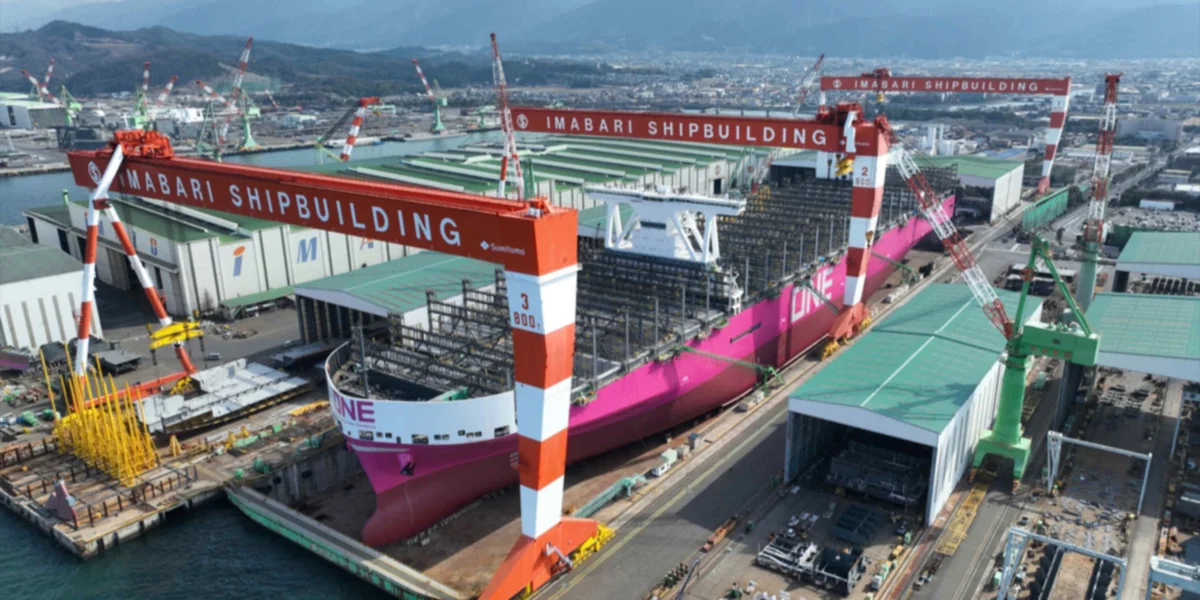
New contracts for Japanese shipbuilders of vessels for export fell for a fourth straight year in fiscal 2025 amid a crushing labor shortage, impeding the government’s plan to double shipbuilding capacity by 2035. This persistent decline, driven by an inability to secure sufficient skilled labor, is preventing Japanese yards from capitalizing on a robust global demand for new vessels, particularly in the crucial maritime transportation sector. The situation poses a significant challenge to Japan’s ambition to reclaim its leading position in the global shipbuilding market and achieve its ambitious capacity expansion goals.
The latest figures reveal a concerning trend for an industry that is a cornerstone of global trade and a vital component of national economic security. In fiscal 2025, which concluded at the end of March 2026, export-oriented shipbuilding contracts experienced a further contraction. While the exact percentage decline for fiscal 2025 is not yet publicly released in detail, the ongoing trend suggests a continuation of the downward trajectory observed in previous years. This stands in stark contrast to the burgeoning demand for new ships worldwide, fueled by an aging global fleet, the urgent need for greener shipping technologies, and the expansion of international trade routes.
The Deepening Labor Crisis
At the heart of this crisis lies a severe and pervasive labor shortage that has plagued the Japanese shipbuilding industry for years. The demographic shifts in Japan, characterized by an aging population and a declining birthrate, have exacerbated the problem. Younger generations have shown less interest in pursuing careers in traditional heavy industries like shipbuilding, which are often perceived as physically demanding and less glamorous than other sectors. This has led to a shrinking pool of experienced workers and a critical deficit in skilled tradespeople, including welders, pipefitters, electricians, and engineers, all of whom are essential for the complex and precision-oriented construction of modern vessels.
The impact of this labor shortage is palpable across major Japanese shipyards. Imabari Shipbuilding, one of the country’s largest shipbuilding companies, has publicly acknowledged its struggles to meet even domestic replacement demand, let alone take on new overseas orders. Its president has highlighted the significant challenges in securing the necessary workforce to operate at full capacity. This sentiment is echoed by other industry leaders, who are increasingly vocal about the constraints imposed by a lack of skilled personnel.
Government Ambitions and Industry Realities
The Japanese government has set an ambitious target to double the country’s shipbuilding capacity by 2035. This strategic objective is aimed at revitalizing a key industrial sector, enhancing national economic resilience, and capturing a larger share of the global shipbuilding market, which has been increasingly dominated by South Korea and China in recent decades. However, the current labor landscape presents a formidable obstacle to achieving this goal. Without a significant influx of skilled workers, any expansion plans are likely to remain aspirational rather than achievable.
The government’s strategy to address the labor shortage has involved various initiatives, including promoting vocational training, encouraging automation and digitalization in shipyards, and exploring ways to attract foreign workers. However, these measures have proven insufficient to offset the scale of the deficit. The long lead times required to train new workers and the inherent challenges of attracting and retaining talent in a competitive labor market mean that the problem is unlikely to be resolved quickly.
Historical Context and Global Demand
The Japanese shipbuilding industry has a rich history of innovation and excellence, having been a dominant force in the global market for much of the latter half of the 20th century. However, the rise of cost-competitive shipyards in South Korea and China, coupled with economic downturns and shifts in global demand, led to a period of restructuring and consolidation in Japan. In recent years, there has been a resurgence of interest in Japanese shipbuilding, driven by the demand for high-value, technologically advanced vessels, such as liquefied natural gas (LNG) carriers, offshore structures, and environmentally friendly ships.
Global demand for new ships has been particularly strong in recent years. The average age of the world’s merchant fleet is increasing, necessitating a significant wave of new vessel construction to replace aging tonnage. Furthermore, the International Maritime Organization’s (IMO) increasingly stringent environmental regulations, aimed at reducing greenhouse gas emissions from shipping, are driving demand for greener technologies and fuels. This includes vessels designed to run on LNG, methanol, ammonia, and other alternative fuels, as well as ships equipped with energy-saving devices. Japanese shipyards, with their reputation for quality and advanced technology, are well-positioned to compete for these high-value orders. However, the labor shortage is preventing them from fully capitalizing on this opportune market.
Data and Trends
While specific fiscal 2025 contract figures for Japanese export shipbuilding are still emerging, the trend over the preceding years provides a clear indication of the challenges. In fiscal 2024, new orders for Japanese shipbuilders saw a notable decline compared to the previous year, primarily attributed to the labor constraints. This followed a pattern of contraction in fiscal 2023 and fiscal 2022, where capacity limitations were already becoming a significant factor.
Data from industry associations like the Japan Ship Exporters’ Association (JSEA) has consistently highlighted the widening gap between order intake and the industry’s capacity to fulfill them. The average shipyard utilization rate, a key indicator of industry health, has been impacted by the inability to staff new projects adequately. This has, in turn, led to longer delivery times for new vessels, potentially making Japanese yards less attractive to some international clients compared to their competitors in other shipbuilding nations.
Reactions from Related Parties
Industry insiders and stakeholders have expressed growing concern over the persistent labor shortage. Executives from major shipbuilding companies have repeatedly appealed to the government for more robust support and policy interventions to address the issue. They have emphasized the need for long-term strategies that focus on talent development, workforce retention, and potentially more liberalized immigration policies for skilled foreign labor.
Government officials, while acknowledging the severity of the problem, have reiterated their commitment to the shipbuilding sector’s revitalization. The Ministry of Land, Infrastructure, Transport and Tourism (MLIT) has been actively involved in discussions with industry representatives, exploring various solutions. These include increased subsidies for vocational training programs, incentives for companies to invest in automation, and efforts to promote shipbuilding as an attractive career path. However, the effectiveness and pace of these interventions remain a subject of debate and concern for the industry.
Broader Implications and Analysis
The ongoing labor shortage in the Japanese shipbuilding industry has far-reaching implications beyond the immediate impact on export contracts.
- Economic Competitiveness: A diminished shipbuilding capacity directly impacts Japan’s ability to compete in the global market for high-value maritime assets. This can lead to a loss of market share and reduced export revenues.
- Supply Chain Vulnerabilities: The maritime sector is critical for global trade. If major shipbuilding nations like Japan are unable to meet demand, it could lead to longer waiting times for new vessels, potentially impacting global shipping capacity and freight rates.
- Technological Advancement: The push for greener shipping technologies requires significant investment in research, development, and manufacturing. If Japanese yards are constrained by labor, their ability to lead in these advanced areas could be hampered.
- National Security: A strong domestic shipbuilding industry is often considered a strategic asset for national security, capable of producing naval vessels and supporting other defense-related industries. A weakened shipbuilding sector could have long-term implications for Japan’s defense capabilities.
- Regional Economic Impact: The shipbuilding industry is a major employer in many coastal regions of Japan. A decline in capacity and order books can lead to job losses and have a detrimental effect on these local economies.
Looking Ahead: The Path to Recovery
The path forward for Japanese shipbuilders is fraught with challenges, but also presents opportunities. To overcome the labor crisis, a multi-pronged approach is essential. This includes:
- Enhanced Vocational Training and Education: Investing heavily in modernizing and expanding vocational training programs to attract and equip a new generation of skilled workers. This may involve collaborations between industry, educational institutions, and government.
- Automation and Digitalization: Accelerating the adoption of advanced robotics, AI, and digital technologies to improve efficiency, reduce reliance on manual labor for certain tasks, and enhance worker safety.
- Attracting and Retaining Talent: Developing more attractive employment packages, improving working conditions, and actively promoting shipbuilding as a viable and rewarding career choice to combat the perception of it being a difficult or outdated industry.
- Strategic Workforce Planning: Implementing robust long-term workforce planning to anticipate future labor needs and develop proactive recruitment and training strategies.
- Consideration of Foreign Labor: Carefully evaluating and potentially expanding pathways for skilled foreign workers to enter the shipbuilding sector, while ensuring proper integration and support systems are in place.
The current situation underscores the critical interdependence between a nation’s industrial capacity, its demographic realities, and its strategic economic ambitions. For Japan’s shipbuilding industry to regain its former prominence and achieve its ambitious goals, addressing the deep-seated labor shortage must remain its paramount priority. Without a sustained and effective solution to this challenge, the robust demand for new vessels will continue to be a missed opportunity, leaving Japanese shipyards struggling to keep pace with the evolving global maritime landscape.