Ena Muazin
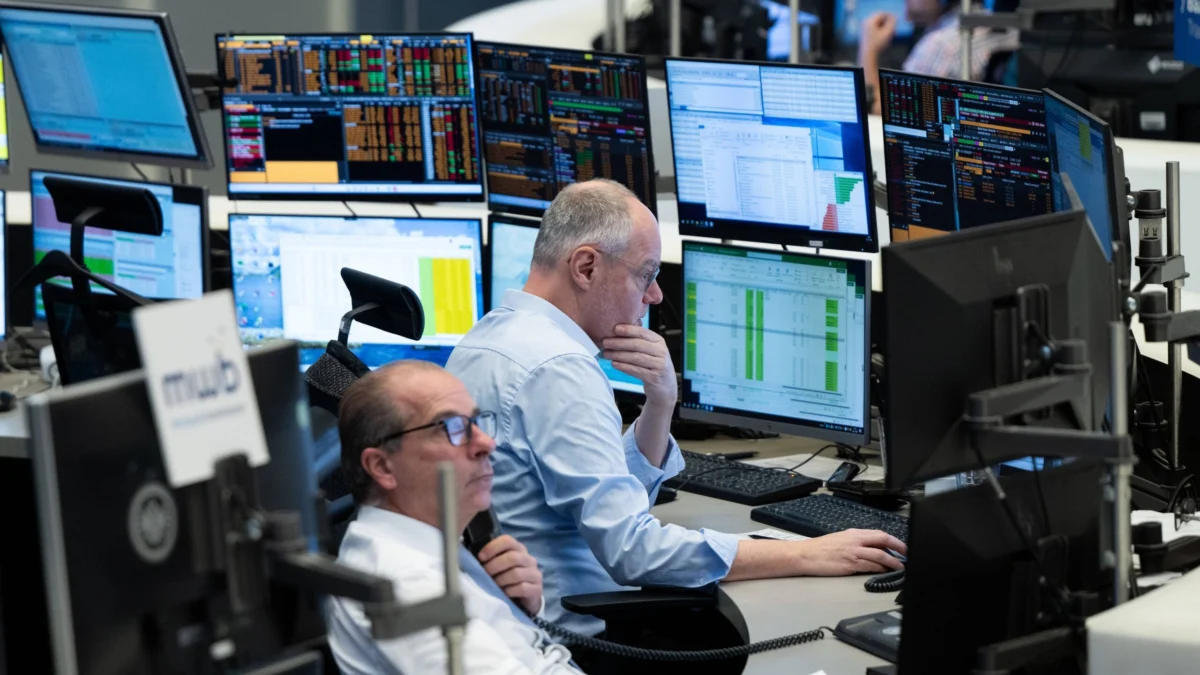
The German stock market, measured by the DAX index, experienced a sharp reversal on Thursday, marking a new record high earlier in the day before succumbing to a broader market sell-off. The index reached an intraday peak of 26,685.23 points, building on a strong performance in the preceding weeks. However, by the afternoon, gains had evaporated, and the DAX was trading slightly below its opening levels, reflecting a global market sentiment shift driven by a significant downturn in US technology stocks.
A Day of Contrasting Fortunes on the Trading Floor
Thursday began with considerable optimism for German equities. A confluence of positive factors, including anticipated outcomes from the US midterm elections, hopes for diplomatic progress in the Iran conflict, declining energy prices and bond yields, and robust corporate earnings reports, propelled the DAX to new heights. This surge extended a rally that had seen the index gain over five percent, or approximately 1400 points, in the previous two trading weeks. The momentum carried into the European trading sessions, where German shares initially benefited from this favorable climate.
However, the sentiment took a dramatic turn with the opening of the US trading day. The technology-heavy Nasdaq Composite index experienced a significant sell-off, plunging over five percent, with particular weakness observed in artificial intelligence (AI)-related stocks. This broad-based decline in the tech sector, a key driver of recent market gains, triggered a ripple effect across global markets. Chip manufacturers, central to the AI boom, saw their valuations drop significantly, with some experiencing double-digit percentage losses.
The impact on the DAX was swift and decisive. The index, which had been celebrating a new record, found itself trading down by the afternoon, struggling to maintain its morning gains. The sell-off in US tech shares directly influenced German and other European markets, as many listed companies have significant exposure to these global trends and supply chains. The interconnectedness of the global financial system meant that the sharp correction in the US market was almost immediately reflected in European trading floors.
The DAX’s Upward Trajectory Before the Downturn
In the early autumn, the German stock market had largely traded within a sideways range, fluctuating between 25,000 and 25,600 points. This period of consolidation indicated a market digesting various economic signals and awaiting a clear catalyst for a sustained move. The breakout from this range in the previous week marked a significant technical and psychological shift, signaling renewed investor confidence and fueling the subsequent upward climb. The drivers for this breakout were multifaceted, including signs of moderating inflation, expectations of a less aggressive interest rate hike cycle from major central banks, and a generally positive outlook for corporate profitability.
The rally leading up to Thursday’s record high was characterized by broad participation across various sectors, though technology and growth stocks had been prominent performers in the preceding months. Investors were increasingly willing to take on risk, encouraged by a perceived stabilization of geopolitical tensions and a belief that the worst of the economic headwinds might be behind us. This optimism, however, proved to be fragile in the face of renewed market pressures.
US Midterms and Geopolitical Developments: A Mixed Bag of Influence
The US midterm elections, a recurring source of market uncertainty, concluded with a split outcome that many analysts interpreted as a relief for financial markets. While the exact composition of Congress was still being finalized, the absence of a sweeping "red wave" suggested a less drastic policy shift than some had feared. This outcome was generally viewed as positive, as it could lead to a more balanced approach to fiscal policy and reduce the likelihood of significant tax increases or disruptive regulatory changes.

Simultaneously, developments in the Iran conflict, while still volatile, offered glimmers of hope for de-escalation. Any indication of diplomatic progress or a reduction in tensions in this region is typically welcomed by global markets, as it alleviates concerns about potential oil supply disruptions and broader geopolitical instability. These factors, combined with a noticeable decline in energy prices and bond yields, created a fertile ground for a bullish sentiment in the equity markets. Falling bond yields make equities relatively more attractive as an investment, while lower energy costs reduce inflationary pressures and improve corporate margins.
Corporate Earnings: A Crucial Benchmark
The performance of corporate earnings reports played a vital role in shaping market sentiment. As companies released their quarterly results, investors scrutinized them for signs of resilience and future growth prospects. Stronger-than-expected earnings from key German and international corporations provided further validation for the optimistic outlook, bolstering investor confidence and contributing to the DAX’s ascent. These reports offered concrete evidence that many businesses were navigating the challenging economic environment more effectively than anticipated.

However, the market’s sensitivity to any signs of weakness in earnings cannot be overstated. A disappointing earnings report from a major company, or a general trend of downward revisions in future earnings guidance, could quickly extinguish the prevailing optimism. The market’s reaction to Thursday’s events suggests that while many companies have shown resilience, the broader economic uncertainties and the potential for a significant slowdown in growth remain a significant concern for investors.
The Tech Sell-Off: A Chain Reaction
The precipitous decline in US technology stocks, particularly those associated with AI, served as the immediate trigger for the global market correction. The rapid ascent of AI-related companies in recent years has been fueled by technological advancements and a widespread belief in the transformative potential of artificial intelligence. However, the sector has also been subject to concerns about valuations, the sustainability of rapid growth, and the potential for regulatory scrutiny.

The sharp sell-off on Thursday suggests that investors may be reassessing the risk-reward profile of these high-growth, often highly valued, companies. Factors contributing to this reassessment could include:
- Interest Rate Sensitivity: Technology stocks, with their long-duration cash flows, are particularly sensitive to changes in interest rates. As central banks continue to signal a commitment to combating inflation, even if at a slower pace, higher borrowing costs can significantly impact the present value of future earnings.
- Profit-Taking: Following a period of substantial gains, some investors may have decided to lock in profits, triggering a cascade of selling.
- Broader Economic Concerns: Persistent inflation, the risk of a recession, and ongoing geopolitical uncertainties can lead investors to de-risk their portfolios, moving away from more speculative growth assets towards safer havens.
- Specific AI Sector Concerns: The rapid development and deployment of AI technologies also bring potential challenges, including ethical considerations, the need for robust regulation, and the potential for disruptive competition. Concerns about the long-term profitability and market dominance of current AI leaders may have contributed to the sell-off.
The impact on German chip manufacturers and technology firms was a direct consequence of this US-led sell-off. Companies like Infineon Technologies, SAP, and Siemens, while diversified, are significantly exposed to global technology trends and supply chains. A downturn in the US tech market, especially in the semiconductor industry, inevitably affects their order books, revenue projections, and ultimately, their stock prices.

Looking Ahead: Navigating Market Volatility
The events of Thursday underscore the inherent volatility of financial markets and the rapid shifts in investor sentiment. While the DAX had demonstrated remarkable resilience and achieved new record highs, the market’s vulnerability to external shocks remains evident. The coming days and weeks will be crucial in determining whether Thursday’s sell-off represents a temporary correction or the beginning of a more sustained downturn.
Key factors to monitor will include:

- Further US Economic Data: Inflation figures, employment reports, and consumer spending data from the US will be closely watched for indications of the economy’s trajectory and the Federal Reserve’s future policy decisions.
- Corporate Earnings Season: The ongoing corporate earnings season will provide further insights into the health of the global economy and the ability of companies to adapt to changing market conditions.
- Geopolitical Developments: Any escalation or de-escalation of geopolitical tensions, particularly in Ukraine and the Middle East, will continue to influence market sentiment.
- Central Bank Policy: The communication and actions of major central banks, especially the US Federal Reserve and the European Central Bank, regarding interest rates and quantitative tightening will remain a dominant theme.
The brief flirtation with record highs for the DAX highlights the underlying strength and potential of the German economy and its stock market. However, the sharp reversal serves as a stark reminder of the interconnectedness of global financial markets and the pervasive influence of macroeconomic factors and investor psychology. The market’s ability to digest these developments and find a new equilibrium will be a key determinant of its performance in the near to medium term. The focus now shifts from celebrating record highs to navigating increased uncertainty and reassessing investment strategies in a dynamic global economic landscape.