Ena Muazin
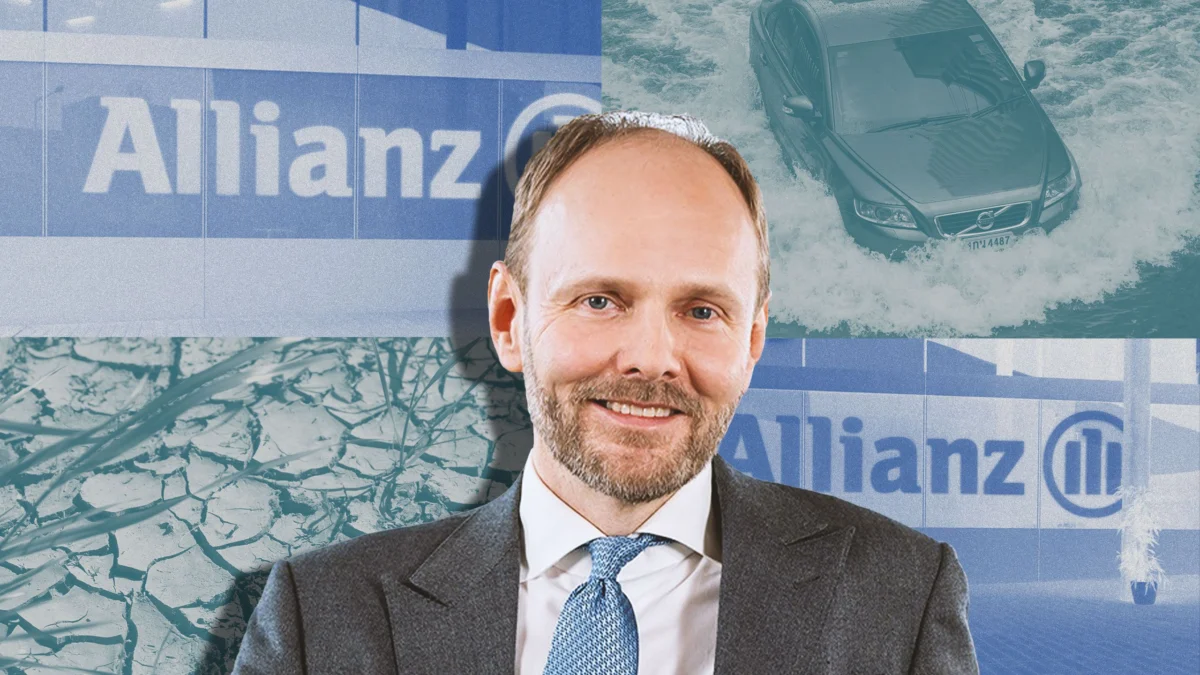
Allianz Commercial is set to bolster its presence in the complex specialty insurance market by establishing its first wholly-owned syndicate at Lloyd’s of London. This strategic move, confirmed to Handelsblatt ahead of publication, signifies a significant expansion for the insurer and underscores its ambition to capture a larger share of high-value, niche insurance business. The new syndicate, named "Allianz Commercial 1893," is slated to commence operations in January 2027, following preliminary approval from Lloyd’s.

The establishment of a dedicated syndicate at Lloyd’s, a globally recognized hub for specialized insurance and reinsurance, represents a potent strategic play for Allianz Commercial. This initiative is directly aligned with the company’s overarching strategy to strengthen its market position in specialized insurance sectors, including aviation, marine, and transport. By creating its own underwriting platform within the esteemed Lloyd’s market, Allianz Commercial aims to gain direct access to a broader range of business opportunities that might be less accessible through traditional distribution channels.
Strategic Rationale and Market Context
The insurance industry, particularly the specialty lines, is characterized by its complexity, requiring deep technical expertise and a robust understanding of intricate risks. Lloyd’s of London, with its unique marketplace structure, has historically been the go-to venue for underwriting these highly specialized and often high-value risks. These can encompass everything from insuring massive infrastructure projects and global shipping fleets to covering the complex liabilities associated with aviation and emerging technologies.
Allianz Commercial’s decision to form its own syndicate is a testament to its long-term vision for growth in these lucrative segments. Historically, insurers have participated in the Lloyd’s market through various means, including investing in existing syndicates or operating through coverholders. However, establishing a wholly-owned syndicate provides Allianz Commercial with unparalleled control over its underwriting strategy, risk appetite, and capital allocation within this influential market. This level of direct involvement is expected to facilitate a more agile response to evolving market demands and emerging risk landscapes.
The syndicate’s name, "Allianz Commercial 1893," is a deliberate nod to the Allianz Group’s history. The year 1893 marks a significant milestone for the broader Allianz organization, representing its inaugural international expansion with the establishment of a London office. This historical connection imbues the new venture with a sense of legacy and continuity, linking its current strategic ambitions to the foundational international vision of the parent company.
Operational Framework and Objectives
The "Allianz Commercial 1893" syndicate will operate as a direct insurance syndicate, a structure that allows it to underwrite risks directly within the Lloyd’s market. This differs from arrangements where a managing agent underwrites on behalf of capital providers. By having its own syndicate, Allianz Commercial can directly deploy its capital and expertise, ensuring alignment with its strategic objectives.
The primary goal of this new entity is to underwrite a portfolio of specialty insurance business. This is not intended to replace Allianz Commercial’s existing specialty lines operations but rather to complement and expand them. The syndicate will focus on areas where Lloyd’s has a strong reputation and established trading relationships, enabling Allianz Commercial to leverage these existing strengths. Key areas of focus are likely to include:

- Aviation Insurance: Covering risks associated with aircraft, airlines, and aerospace manufacturers, often involving complex liability and hull insurance.
- Marine and Transport Insurance: Providing coverage for cargo, hull, and liabilities related to global shipping, logistics, and transportation networks.
- Energy Insurance: Underwriting risks associated with oil, gas, and renewable energy sectors, including exploration, production, and infrastructure.
- Specialty Liability: Offering coverage for unique liability exposures, such as professional indemnity for specialized professions or directors’ and officers’ liability for complex entities.
- Political Risk and Trade Credit: Insuring against risks arising from political instability, expropriation, currency inconvertibility, and trade credit defaults.
The financial risks assumed by the syndicate will be borne by the capital providers within the syndicate structure. Lloyd’s operates on a unique model where syndicates are essentially pools of capital, managed by professional underwriting teams, that underwrite insurance risks. The capital for these syndicates can come from various sources, including third-party capital providers, corporate capital (like Allianz Commercial’s), or a combination of both.
Leadership Perspective and Strategic Vision
Thomas Lillelund, the CEO of Allianz Commercial, articulated the strategic importance of this development in an exclusive statement to Handelsblatt: "Lloyd’s will offer us access to further business that we could not access through the open market." This statement highlights a critical rationale for the move: tapping into specific segments of the specialty insurance market where Lloyd’s plays a pivotal role and where direct participation offers a competitive advantage.

Lillelund’s assertion suggests that the Lloyd’s market provides unique opportunities for business that may be characterized by larger sum insured values, more complex risk structures, or a greater concentration of specialized brokers and clients. By establishing its own syndicate, Allianz Commercial can cultivate deeper relationships with these key market participants and tailor its offerings more precisely to their needs.
Furthermore, the move signifies a commitment to innovation and specialization within the insurance sector. As global risks become more interconnected and complex, insurers need to develop sophisticated solutions. The Lloyd’s market, with its long history of underwriting challenging risks, provides an ideal environment for Allianz Commercial to hone its expertise and develop cutting-edge insurance products.

The Lloyd’s Market: A Unique Ecosystem
To fully appreciate the significance of Allianz Commercial’s move, understanding the structure and function of Lloyd’s is essential. Lloyd’s is not an insurance company but a marketplace where its members (syndicates) join together to insure and reinsure risks. It is one of the oldest and most reputable insurance markets in the world, dating back to the late 17th century.
Key characteristics of the Lloyd’s market include:

- Syndicates: These are the underwriting entities within Lloyd’s. Each syndicate is managed by a managing agent that employs professional underwriters to make decisions on which risks to accept and at what price.
- Capital Providers: Syndicates are funded by capital. This capital can be provided by individuals (Names), corporate entities (like Allianz Commercial), or institutional investors. The capital is placed into the market, and the returns are generated from underwriting profits.
- Brokers: Insurance is brought to the Lloyd’s market by specialist brokers who act as intermediaries between clients and syndicates. These brokers have deep market knowledge and strong relationships with underwriters.
- Underwriting Expertise: Lloyd’s is renowned for its underwriting expertise, particularly in complex and unusual risks. It attracts some of the world’s leading insurance professionals.
- Global Reach: The market underwrites risks from virtually every country in the world, covering a vast array of industries and exposures.
Allianz Commercial’s decision to establish its own syndicate means it will be directly involved in the underwriting process, managing its own book of business and capital within this dynamic ecosystem. This offers greater control and potential for higher returns compared to being a passive investor or operating through intermediary arrangements.
Historical Context and Future Implications
The Allianz Group has a long-standing relationship with the London insurance market. Its initial foray into London in 1893 was a foundational step in its journey to becoming a global insurance powerhouse. The establishment of "Allianz Commercial 1893" represents a strategic re-engagement and deepening of this relationship, tailored to the current demands of the specialty insurance landscape.

This move is likely to have several implications for the broader specialty insurance market:
- Increased Competition: The entry of a major player like Allianz Commercial with its own syndicate is expected to intensify competition within the specialty lines at Lloyd’s. This could lead to more competitive pricing and innovative product development.
- Enhanced Capacity: Allianz Commercial’s participation will contribute to the overall capacity available in the Lloyd’s market for specialty risks, potentially benefiting clients seeking coverage for large or complex exposures.
- Talent Attraction: The establishment of a new syndicate often leads to the recruitment and development of specialized underwriting talent, further strengthening the expertise within the market.
- Strategic Partnerships: While Allianz Commercial will operate its own syndicate, this move may also pave the way for new strategic partnerships and collaborations within the Lloyd’s ecosystem.
The success of "Allianz Commercial 1893" will depend on its ability to attract and retain top underwriting talent, accurately assess and price complex risks, and navigate the competitive dynamics of the Lloyd’s market. The insurer’s established reputation and financial strength provide a solid foundation for this ambitious undertaking. As the global economy evolves and new risks emerge, the demand for specialized insurance solutions is expected to grow, positioning Allianz Commercial for significant opportunities in the years to come. The move to establish a dedicated syndicate at Lloyd’s is a clear signal of its intent to be at the forefront of this growth.