Lina Wu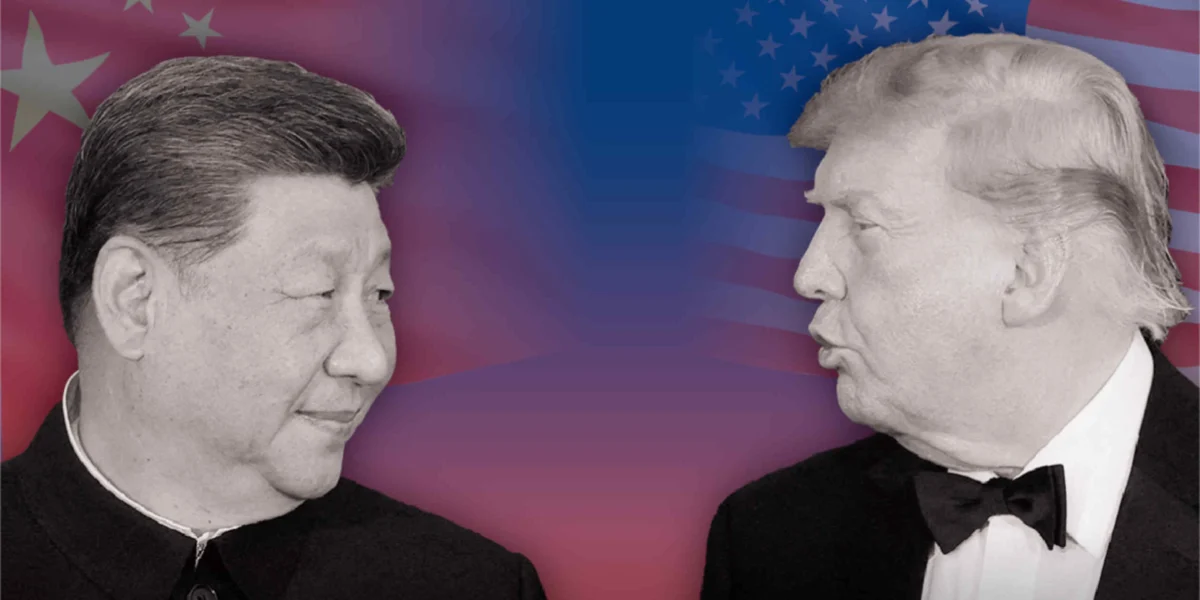
In a highly unusual diplomatic development, U.S. President Donald Trump and his Chinese counterpart Xi Jinping have agreed to meet two more times by the end of the year. This series of high-level engagements, unprecedented in its frequency and proximity, signals a significant, albeit complex, push to manage the increasingly fraught relationship between the world’s two largest economies. While both leaders have expressed a mutual interest in maintaining a degree of stability, particularly in the face of burgeoning global uncertainties, fundamental disagreements, most notably concerning Taiwan, persist and threaten to undermine any progress made in these direct dialogues.
The initial meeting, which took place on October 13, 2026, was characterized by a cautious optimism, a sentiment that has been tempered by the underlying strategic divergences. Sources close to the administration indicated that the discussions covered a wide spectrum of bilateral issues, from trade imbalances and technological competition to geopolitical flashpoints. However, it was the persistent issue of Taiwan that emerged as the most significant sticking point, underscoring the deep chasm in their respective approaches to the island’s future.
A Calendar of High-Stakes Diplomacy
The agreement for two additional summits by year-end represents a dramatic acceleration of diplomatic engagement. The first of these follow-up meetings is tentatively scheduled for late November, with the final encounter planned for mid-December. This packed schedule suggests a recognition by both Washington and Beijing of the urgent need to de-escalate tensions and establish clearer lines of communication.
The decision to convene such frequent, direct meetings between the leaders of two global superpowers is a stark departure from conventional diplomatic practices. Typically, high-level engagement occurs through more structured channels and at less frequent intervals. The current approach suggests a willingness by both Trump and Xi to personally steer their nations through a period of heightened geopolitical and economic risk, bypassing some of the traditional bureaucratic processes.
This intensified diplomatic calendar can be traced back to a series of escalating events throughout 2026. The year began with a series of retaliatory trade measures that had begun to significantly impact global supply chains. By mid-year, increased military posturing in the South China Sea and heightened rhetoric surrounding Taiwan had ratcheted up anxieties among regional allies and international observers. The October 13th meeting was, therefore, seen as a critical juncture, an attempt to pull back from the brink of further escalation.
Taiwan: The Unyielding Obstacle
Despite the outward show of diplomatic effort, the core issue of Taiwan remains a formidable challenge. China views Taiwan as a renegade province that must be unified with the mainland, by force if necessary. The United States, while acknowledging Beijing’s "One China" policy, maintains robust unofficial relations with Taiwan, including significant arms sales, and has pledged to help the island defend itself. This fundamental divergence in perspectives has been a constant source of friction and has, in recent years, become a more pronounced flashpoint.
The strategic implications of any change in Taiwan’s status are immense. Taiwan is a critical hub in global semiconductor manufacturing, producing a significant percentage of the world’s most advanced chips. Disruptions to this supply chain would have catastrophic consequences for the global economy. Furthermore, its strategic location in the first island chain is of paramount importance to both U.S. and Chinese military interests in the Indo-Pacific region.
During the October 13th summit, President Trump reportedly reiterated the U.S. commitment to its existing policy, emphasizing the importance of peace and stability across the Taiwan Strait. President Xi, on the other hand, is understood to have firmly restated Beijing’s sovereignty claims and its determination to achieve reunification, signaling an unwillingness to compromise on this core national interest. This intransigence on both sides has led to an impasse, with the planned additional meetings offering little immediate prospect of a breakthrough on this particular issue.
Economic Interdependence and Strategic Competition
Beyond Taiwan, the broader economic relationship between the U.S. and China, valued at hundreds of billions of dollars annually, is characterized by a complex interplay of interdependence and intense competition. While trade figures from 2025 indicated a slight decrease in the bilateral trade surplus for the U.S. to approximately $300 billion, a significant increase from previous years, the underlying structural issues remain. China’s growing dominance in critical manufacturing sectors and its ambitious technological development plans, particularly in areas like artificial intelligence and advanced materials, are viewed with increasing concern by U.S. policymakers.
The Trump administration has consistently pursued a strategy of imposing tariffs and other trade restrictions to address what it perceives as unfair trade practices by China, including intellectual property theft and forced technology transfer. While these measures have had some impact, they have also led to retaliatory actions from Beijing, creating a volatile trade environment that has ripple effects across global markets.
The ongoing strategic competition extends into the technological realm. Both nations are vying for leadership in emerging technologies, which are seen as crucial for future economic prosperity and national security. This includes competition in 5G network deployment, quantum computing, and the development of advanced semiconductors. The U.S. has expressed concerns about the potential security risks associated with Chinese technology firms and has implemented export controls on certain advanced technologies destined for China. Beijing, in turn, has accused Washington of protectionism and of attempting to stifle its technological advancement.
Regional Reactions and Allied Concerns
The intensified diplomatic engagement between the U.S. and China has not gone unnoticed by regional allies. Countries like Japan, South Korea, and Australia, all of whom have strong economic ties with China and security alliances with the U.S., are closely monitoring these developments. Their primary concern is to avoid being caught in the crossfire of any escalating Sino-American tensions.
Japanese Prime Minister Fumio Kishida, in a statement released following the October 13th meeting, expressed his hope that the dialogues would lead to a de-escalation of tensions and contribute to regional stability. He emphasized Japan’s commitment to working with both countries to ensure peace and prosperity in the Indo-Pacific.
South Korea’s Ministry of Foreign Affairs echoed similar sentiments, highlighting the importance of open communication channels to prevent misunderstandings and manage potential crises. Australia, a key U.S. ally in the region, has also voiced its support for diplomatic engagement, while simultaneously reinforcing its own defense capabilities and its commitment to international law.
The underlying anxiety among these allies stems from the possibility that any agreement reached between Trump and Xi might not adequately address their own security concerns or might come at the expense of their strategic interests. The precedent set by previous U.S. administrations’ dealings with China, where bilateral agreements sometimes had unintended consequences for regional partners, fuels this caution.
Analysis: A Balancing Act Between Cooperation and Confrontation
The series of planned meetings between President Trump and President Xi represents a high-stakes gamble by both leaders. On one hand, there is a clear recognition that outright confrontation is too costly and potentially destabilizing for the global order. The sheer economic interdependence between the two nations, coupled with shared challenges like climate change and global health security, necessitates a degree of cooperation.
However, the fundamental strategic divergences, particularly on Taiwan, and the intense competition in technological and geopolitical arenas, make any genuine breakthrough exceptionally difficult. The meetings are likely to serve as a mechanism for managing existing tensions rather than forging deep new areas of collaboration. They may help to establish clearer red lines, reduce the risk of miscalculation, and create a more predictable, albeit still competitive, environment.
The success of these meetings will ultimately be measured not by grand pronouncements of friendship, but by the tangible reduction of tensions and the avoidance of further escalation. The Taiwan issue, in particular, will remain a significant litmus test. Without any movement from Beijing on its territorial claims or from Washington on its security commitments, the prospect of a lasting resolution remains distant.
The coming months will be critical in assessing the true impact of this unprecedented diplomatic initiative. The world will be watching to see if these frequent encounters can translate into a more stable bilateral relationship, or if they merely serve to highlight the enduring divisions that define the complex and increasingly consequential U.S.-China dynamic. The delicate balancing act between cooperation and confrontation is set to continue, with the future of global stability hanging in the balance.