Lina Wu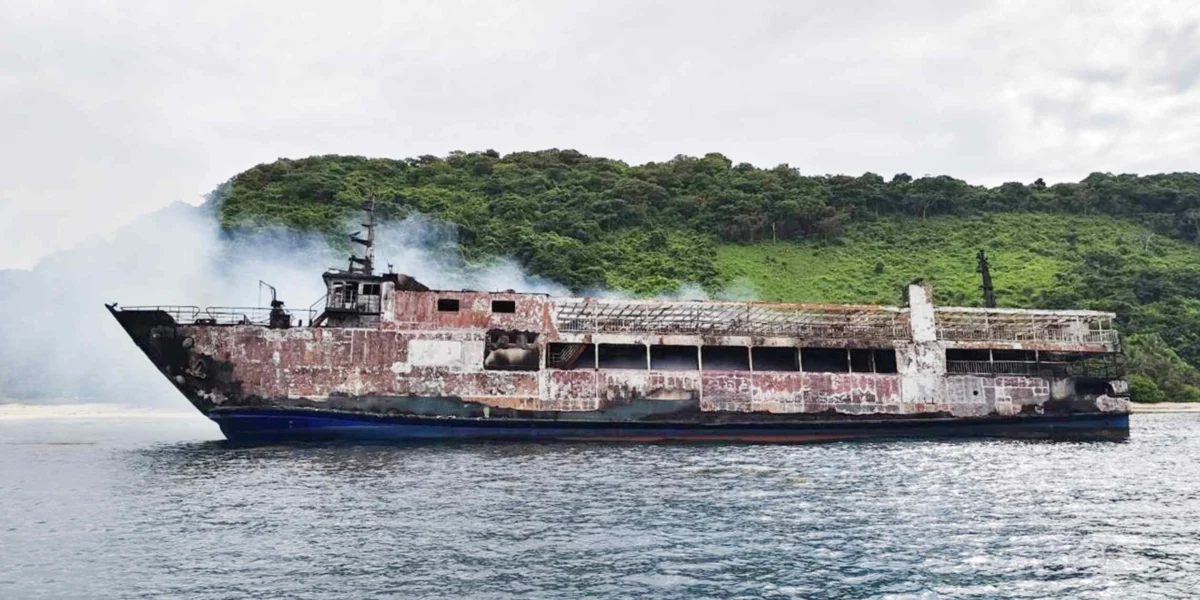
Five individuals have been confirmed dead and a significant number remain unaccounted for following a devastating fire that engulfed the Philippine ferry MV June Aster on Wednesday evening, September 9, 2026. The incident, which occurred approximately 1.2 nautical miles northeast of Barangay Marcilla, Coron, in the province of Palawan, has once again cast a grim spotlight on the persistent challenges of maritime safety in the Southeast Asian nation. As of Thursday morning, September 10, 2026, the Philippine Coast Guard (PCG) reported that 43 people had been rescued from the burning vessel, which had departed from Baseco port in Metro Manila and was en route to Coron.
The MV June Aster, operated by Atienza Interisland Shipping Line, became engulfed in flames shortly after its departure, prompting a swift and urgent response from maritime authorities. The PCG, in a statement disseminated via Facebook, confirmed that multiple vessels, including coast guard units, were immediately dispatched to the scene to initiate search and rescue operations in the surrounding waters. The scale of the unfolding tragedy became apparent as the night progressed and rescue efforts continued.
Initial Reports and Escalating Concerns
Commodore Noemie Cayabyab, spokesperson for the Philippine Coast Guard, provided initial details of the developing situation in a radio interview on Thursday morning. "Based on the manifest given to us, from 117 passengers and 17 crew – that’s 134 – so based on the data that we have right now on the rescued and casualties, there are 87 more that are still missing," Cayabyab stated. She emphasized the fluid nature of the data, cautioning that it was "live data" and subject to change as search and rescue operations were still actively underway.
Later that morning, the PCG released an updated figure, indicating that one additional person had been successfully rescued, bringing the total number of survivors to 43. Consequently, the number of individuals still missing was revised to 86. This update, while confirming more survivors, underscored the severity of the loss and the ongoing urgency of the search efforts.
Unraveling the Cause and Obstacles to Rescue
The immediate cause of the fire aboard the MV June Aster remains under investigation. Commodore Cayabyab indicated that information from the rescued individuals, who were being attended to by authorities, had not yet been obtained. "We cannot get information from them yet, so we will wait," she explained, adding that the shipping company, Atienza Interisland Shipping Line, was also being consulted as part of the investigative process.
The challenging operational environment further complicated the rescue mission. Cayabyab highlighted that "bad weather" and the vessel being "dragged away from shore by the current" were significant hindrances to the search and rescue teams. These environmental factors likely exacerbated the situation, potentially making it more difficult for passengers to escape and for rescuers to reach the immediate vicinity of the burning ferry.
As of Thursday morning, Atienza Interisland Shipping Line had not yet issued a formal statement regarding the incident. This silence, while perhaps understandable in the immediate aftermath of such a disaster, is likely to be closely scrutinized by authorities and the public alike.
A Persistent Pattern of Maritime Accidents in the Philippines
The tragedy of the MV June Aster is not an isolated incident but rather a stark reminder of the recurring issues plaguing maritime transportation in the Philippines. The archipelago nation, with its vast expanse of islands and reliance on sea travel, has a long and unfortunate history of ferry accidents. These incidents, often resulting in significant loss of life, underscore systemic vulnerabilities in vessel safety, maintenance, and regulatory oversight.
Just months prior to this incident, in January 2026, a passenger and cargo ferry carrying over 350 individuals sank in Basilan province, claiming at least 58 lives. This event, along with numerous other maritime mishaps, has prompted calls for more stringent safety measures and a thorough review of existing protocols. Government data from 2024 alone indicated a concerning 202 "serious" accidents at sea, highlighting the pervasive nature of these risks.
Broader Implications and Future Scrutiny
The recurring nature of ferry disasters in the Philippines raises critical questions about the effectiveness of current maritime safety regulations and their enforcement. Factors often cited in such incidents include aging vessels, inadequate maintenance, overcrowding, and insufficient safety equipment. The investigation into the MV June Aster fire will undoubtedly scrutinize these aspects, alongside the specific circumstances that led to the conflagration.
The Atienza Interisland Shipping Line, as the operator of the ill-fated ferry, will face intense scrutiny. Its safety record, maintenance practices, and adherence to regulatory standards will be a focal point of the investigation. The Philippine maritime authorities, including the Maritime Industry Authority (MARINA) and the Philippine Coast Guard, will also be under pressure to demonstrate the efficacy of their oversight mechanisms.
The economic and social impact of such tragedies extends beyond the immediate loss of life. They disrupt transportation networks, impact local economies reliant on ferry services, and erode public confidence in the safety of sea travel. For communities that depend heavily on ferries for inter-island connectivity, these accidents can have profound and lasting consequences.
Moving forward, this incident is likely to trigger renewed calls for comprehensive reforms in the Philippine maritime sector. These could include stricter vessel inspections, enhanced crew training, improved emergency response protocols, and a more robust regulatory framework to ensure accountability. The commitment to learning from these recurring tragedies and implementing meaningful change will be crucial in preventing future loss of life on the nation’s waters. The ongoing search for the missing from the MV June Aster serves as a somber and urgent reminder of the lives at stake and the critical need for improved maritime safety.