Lina Wu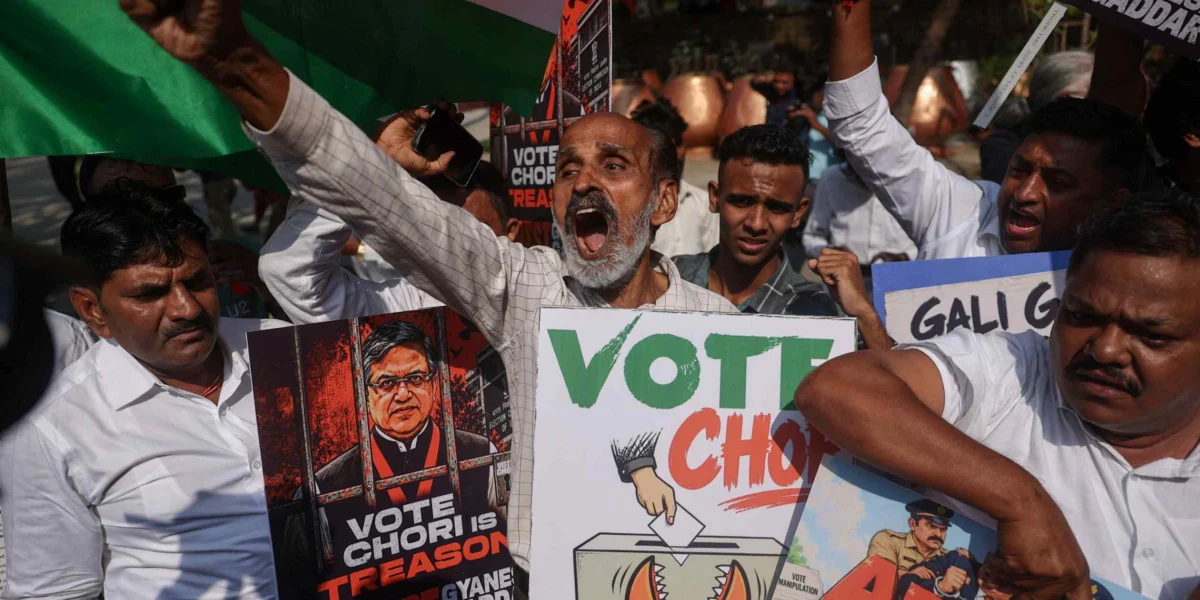
NEW DELHI – India’s opposition parties have intensified their calls for the resignation of Chief Election Commissioner Gyanesh Kumar, alleging widespread manipulation of voter lists during a recent, extensive revision of the country’s electoral rolls. These revisions, according to opposition leaders, have resulted in the exclusion of approximately 130 million eligible voters, a move they contend strategically benefits the ruling Bharatiya Janata Party (BJP) led by Prime Minister Narendra Modi. The controversy has ignited a significant political firestorm, raising concerns about the integrity of India’s democratic processes and the impartiality of its election machinery.
The accusations center on a comprehensive exercise to update and clean India’s massive voter database, a process that occurs periodically to reflect demographic changes, deaths, and removals of individuals who have moved or are no longer eligible. However, opposition parties, including the Indian National Congress, the Samajwadi Party, and the Aam Aadmi Party, claim that the current revision, which concluded in late September, was deliberately skewed. They assert that the exclusion of such a substantial number of voters was not a routine administrative correction but a targeted effort to disenfranchise specific demographics and regions perceived as sympathetic to the opposition.
Background of Electoral Roll Revisions in India
India, the world’s largest democracy, conducts regular elections at national, state, and local levels. The Election Commission of India (ECI), a constitutional body, is responsible for overseeing these elections, including the preparation and maintenance of electoral rolls. These rolls are the definitive list of citizens eligible to vote in a particular constituency. The process of revision is critical for ensuring that the electorate accurately reflects the eligible population and that no genuine voter is disenfranchised.
Historically, electoral roll revisions have been subject to scrutiny. However, the scale of the alleged disenfranchisement in the current revision, with figures cited by the opposition reaching 130 million, is unprecedented. This number represents a significant portion of India’s estimated 900 million eligible voters, raising alarm bells about the potential impact on electoral outcomes.
The ECI typically conducts these revisions through a multi-stage process involving field-level verification, door-to-door surveys, and applications for inclusion and deletion. Citizens can apply to be added to the rolls, or their names can be removed if they have died, moved, or are otherwise ineligible. The process is designed to be transparent, with provisions for public inspection of draft rolls and mechanisms for aggrieved individuals to file objections.
Timeline of the Controversy
The current controversy appears to have gained momentum in the weeks leading up to the finalization of the revised electoral rolls. While the exact commencement date of this specific revision cycle is not publicly detailed in the initial report, such exercises are typically planned and executed over several months.
- Early to Mid-2026: The Election Commission of India would have initiated its planning and preparatory phases for the comprehensive electoral roll revision. This would involve setting timelines, allocating resources, and training enumerators and election officials.
- Mid-2026 to Late September 2026: The intensive field operations, including door-to-door surveys and data collection, would have been conducted across the country. During this phase, applications for inclusion and deletion of names would have been processed.
- Late September 2026: The draft electoral rolls would have been published, allowing for public inspection and filing of objections. This period is crucial for transparency and citizen participation. It is during this phase that opposition parties claim to have identified significant discrepancies and alleged manipulation.
- September 29, 2026: Supporters of India’s opposition Indian National Congress staged a protest in Mumbai, demanding the resignation of Chief Election Commissioner Gyanesh Kumar. This event, captured in accompanying imagery, marks a public escalation of the opposition’s grievances.
- October 1, 2026: News reports, including the one this article is based on, emerge detailing the opposition’s demands and the core allegations of voter list manipulation.
Supporting Data and Opposition Claims
The opposition parties have not yet provided a detailed, independently verifiable breakdown of the 130 million excluded voters. However, their claims are based on preliminary analyses and reports from their grassroots organizations and legal teams. They allege that the exclusions are not random but disproportionately affect:
- Vulnerable Sections: Dalits, Adivasis (tribal communities), and minority groups, who often face challenges in proving residency or possessing necessary documentation, are allegedly being targeted.
- Urban Poor and Migrant Workers: These populations, often living in informal settlements or frequently relocating for work, may find it harder to navigate the administrative requirements for voter registration or to prove continuous residency.
- Specific Constituencies: Opposition parties claim that constituencies where their support base is strong have seen a higher rate of voter list deletions.
While the exact figures remain contested, the sheer magnitude of the alleged exclusions suggests a potential systemic issue rather than isolated administrative errors. For context, the total number of voters in India has steadily increased over the years. For instance, in the 2019 general election, the total electorate was around 900 million. A reduction of 130 million would represent a significant percentage of this electorate, potentially altering the demographic composition of the voting population.
Official Responses and ECI’s Position (Inferred)
As of the reporting date, the Election Commission of India has not issued a formal, detailed public statement addressing the specific allegations of manipulation. However, the ECI typically defends its processes by emphasizing its constitutional mandate for impartiality and its adherence to established procedures.
In the past, when faced with similar, albeit less severe, allegations, the ECI has:
- Reiterated its commitment to free and fair elections: The commission consistently asserts that its actions are guided by the Constitution and electoral laws.
- Highlighted transparency mechanisms: The ECI usually points to the public display of draft rolls and the process for filing objections and claims as safeguards against errors and manipulation.
- Initiated inquiries (when warranted): In cases of proven administrative lapses, the ECI has been known to conduct internal reviews and, in rare instances, take disciplinary action against erring officials.
It is plausible that the ECI would argue that the current revision is a standard administrative exercise aimed at ensuring the accuracy of the electoral rolls, removing duplicate entries, and updating information based on field reports and citizen applications. They might also point to the appeals process as the appropriate channel for individuals or groups who believe their names have been wrongly excluded.
Opposition’s Stance and Demands
The opposition’s demand for the resignation of Chief Election Commissioner Gyanesh Kumar stems from a perceived lack of trust in his leadership and the ECI’s impartiality under his tenure. They argue that the scale of the alleged disenfranchisement is too great to be attributed to mere administrative oversight.
Key demands from the opposition include:
- Immediate resignation of the Chief Election Commissioner: This is seen as a necessary step to restore confidence in the election process.
- Independent judicial inquiry: Opposition parties are likely to call for a thorough, impartial investigation into the electoral roll revision process, potentially by the Supreme Court or a specially constituted commission.
- Reinstatement of excluded voters: They will demand that all legitimately excluded voters be identified and re-enrolled before any future elections.
- Reform of electoral roll revision processes: The opposition may also push for reforms to make the process more transparent, accessible, and less susceptible to political interference.
Broader Impact and Implications
The controversy surrounding the electoral rolls carries significant implications for India’s democratic fabric:
- Erosion of Public Trust: Allegations of voter list manipulation, especially at this scale, can severely damage public trust in electoral institutions. This can lead to voter apathy or, conversely, increased polarization and distrust in election results.
- Impact on Electoral Outcomes: If the exclusions are indeed as widespread and targeted as alleged, they could significantly influence the outcome of upcoming elections, potentially leading to mandates that do not accurately reflect the will of the people.
- Constitutional Crisis Potential: If the ECI is perceived to have acted with bias, it could raise questions about the fundamental principles of democratic governance and the role of independent constitutional bodies.
- International Scrutiny: India’s democratic credentials are often a subject of international interest. Such controversies can attract negative attention and raise concerns among global observers of democracy.
- Political Polarization: The issue is likely to become a major point of contention in the political arena, further deepening the divide between the ruling party and the opposition. The government will face pressure to address the concerns, while the opposition will leverage this issue to mobilize support.
The integrity of electoral rolls is foundational to any democratic election. The allegations against the ECI and Chief Election Commissioner Gyanesh Kumar, if substantiated, represent a grave threat to the fairness and credibility of India’s electoral process. As the situation unfolds, the actions of the Election Commission, the government, and the judiciary will be closely watched, not just by Indian citizens but by the global community observing the health of the world’s largest democracy. The coming days and weeks will be crucial in determining whether these allegations can be effectively addressed and public confidence in the electoral system restored.