Farhan Pambudi
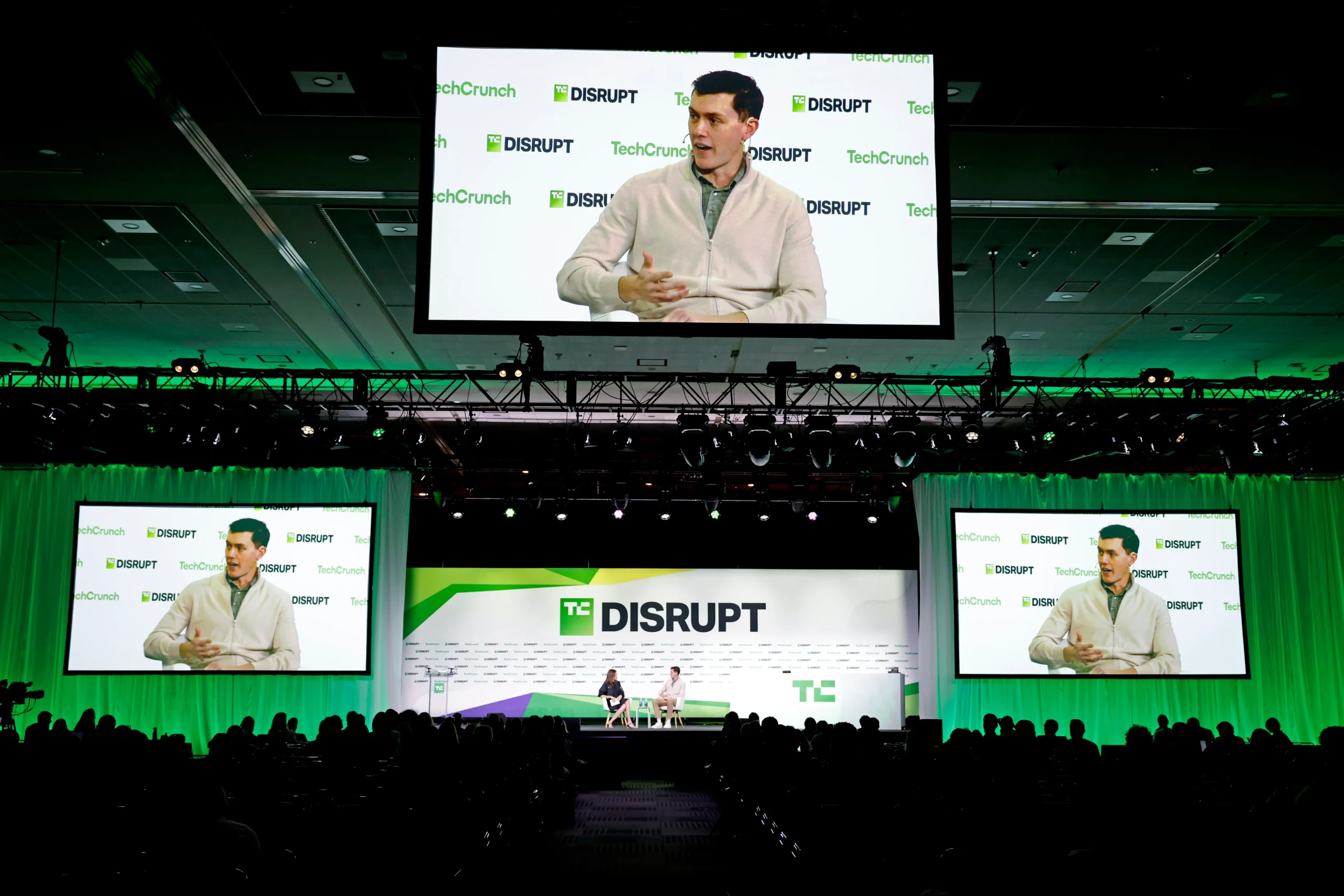
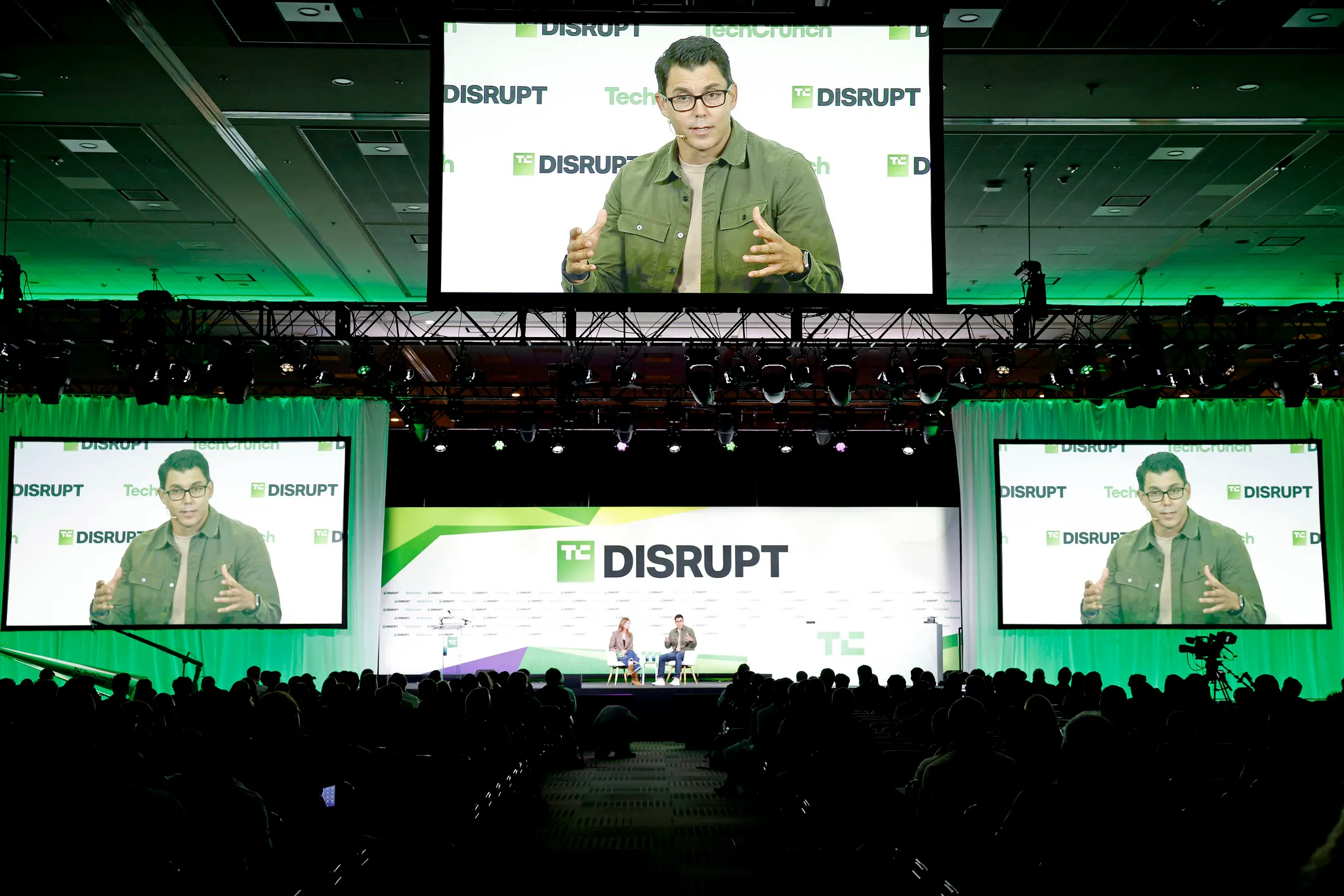
The final day of TechCrunch Disrupt 2026 has concluded at San Francisco’s Moscone West, marking the end of a high-intensity week that drew more than 10,000 founders, investors, and technology leaders to the heart of the global tech ecosystem. As the premier platform for early-stage startups and venture capital, the third day of the conference shifted its focus toward the practicalities of scaling in an AI-saturated market, the evolving landscape of mergers and acquisitions (M&A), and the psychological resilience required of modern entrepreneurs. The event, which has served as a launchpad for companies like Dropbox and Fitbit in years past, remains a critical barometer for the health of the private tech sector, particularly as the industry navigates the transition from speculative AI development to tangible, enterprise-grade execution.
The Evolution of Disrupt: A Three-Day Chronology
The 2026 edition of TechCrunch Disrupt followed a strategic arc designed to move attendees from broad industry vision to granular execution. Day 1 opened with a focus on the macro-economic environment and the initial shifts in the venture capital landscape following the stabilization of interest rates in late 2025. Day 2 delved into the technical hurdles of the "AI Summer," exploring how large language models (LLMs) are being integrated into legacy hardware and software stacks.
Day 3 served as the practical culmination of these themes. The final day’s agenda was characterized by its "Builders" focus, providing actionable strategies for startups aiming for the $10 million Annual Recurring Revenue (ARR) milestone. Throughout the day, the Moscone West halls remained a hive of activity, with the Expo Hall hosting over 320 exhibiting startups. These companies represented a diverse array of sectors, including HealthTech, SaaS, and Consumer Electronics, all vying for the attention of the thousands of accredited investors in attendance.
The registration process itself reflected the conference’s technological focus, utilizing "Klik" badge technology. This system allowed for seamless, proximity-based contact exchange, generating a massive data set of networking interactions that attendees could access via the official event app. This emphasis on data-driven networking underscores a broader trend in the 2026 tech landscape: the replacement of traditional "business card" interactions with integrated digital identity management.

Strategic Shifts in the Startup Lifecycle: M&A and Growth
One of the most significant discussions on the Builders Stage involved the changing role of Mergers and Acquisitions in the early-stage ecosystem. Traditionally viewed as an "exit" strategy for mature companies, panelists Karl Alomar of M13 and Lindsey Mignano of Mignano Law Group argued that M&A has now become an "early-stage strategy." In an environment where organic growth is increasingly expensive due to saturated digital advertising markets, strategic acquisitions of smaller teams or specific IP blocks are being used by Series A and B companies to accelerate their path to market.
This shift is partly driven by the "AI arms race," where talent acquisition—often referred to as "acqui-hiring"—remains a dominant force. The panel emphasized that for 2026 startups, being "acquisition-ready" from day one is no longer about selling out, but about maintaining the agility to merge into larger platforms that provide the compute power and distribution networks necessary to compete with "Big Tech" incumbents.
Furthering the discussion on growth, the session "The First 90 Days: How Startups Build Toward $10M ARR" featured Luke Arno of Lovable and Tomasz Tunguz of Theory Ventures. The consensus among the experts was that the timeline for scaling has compressed. With the advent of AI-augmented coding and automated go-to-market (GTM) tools, the "zero to one" phase of a startup is faster than ever, but the "one to ten" phase has become more complex due to the sheer volume of competition in the software space.
The AI Industry Stage: From Chatbots to Autonomous Agents
The AI Industry Stage remained the most attended area of the conference on Day 3, reflecting the industry’s obsession with the next phase of generative technology. A recurring theme was the transition "beyond the chatbot." Alexander Embiricos of OpenAI and other industry leaders discussed the move toward "autonomous agents"—AI systems that do not merely respond to prompts but can execute complex, multi-step workflows across different software environments.
However, this technological leap has brought new challenges to the forefront. Gavriel Cohen of NanoCo and Ric Smith of Okta addressed the "Agent Security Problem," a burgeoning concern in 2026. As AI agents gain the authority to move money, access sensitive databases, and represent human users in legal transactions, the potential for "prompt injection" and "agent hijacking" has created a new sub-sector of the cybersecurity industry.

The economic implications of this AI shift were highlighted in the session "The $63 Billion Case for Storagemaxxing Your AI Stack." This discussion focused on the massive infrastructure requirements needed to support local AI processing. As enterprises move away from centralized cloud models toward "Edge AI" to protect data privacy, the demand for specialized high-speed storage and localized compute power has created a multi-billion-dollar opportunity for infrastructure providers like Vultr and Wasabi Technologies.
The Startup Battlefield Finale: A Glimpse into Tomorrow
The climax of the three-day event was the Startup Battlefield 2026 finale. This world-renowned competition, which began earlier in the week with 200 hand-selected startups, was narrowed down to a group of finalists who pitched their companies to a panel of elite judges, including Stacy Brown-Philpot of Cherryrock Capital and Chi-Hua Chien of Goodwater Capital.
The 2026 finalists reflected a move away from "pure-play" software toward "Physical AI" and "Bio-Digital" integration. Notable presentations included technologies for banking biological data to personalize future medical treatments and autonomous logistics stacks designed to increase national supply chain resilience. The announcement of the Startup Battlefield winner remains the most anticipated moment of the week, often resulting in an immediate surge of investor interest and media coverage for the winning team.
Human Capital and the Founder’s Journey
Despite the heavy emphasis on technology, Day 3 also addressed the human element of the tech industry. In an unusually candid session titled "Yes, It’s Hard to Be a Founder: An Honest Conversation," Nell Daly and David H. Rosmarin of Harvard Medical School discussed the mental health crisis within the startup community. As the "hustle culture" of the previous decade is scrutinized, 2026 has seen a rise in "founder wellness" initiatives, recognizing that sustainable innovation requires mentally resilient leaders.
This sentiment was echoed in the "Ask the Investors" segment, where prominent VCs noted that they are increasingly looking for "emotional intelligence" and "long-term grit" in founders, rather than just technical brilliance. The power of "access" was also a key theme, with actor and entrepreneur Mark Wahlberg and Bruce Lee of Keebeck Wealth Management discussing how the democratization of networks is allowing founders from non-traditional backgrounds to enter the San Francisco tech fold.

Data and Analysis: The State of Tech in 2026
Data collected during the conference suggests a stabilizing but disciplined venture market. While the 75% discount on final-day passes was a tactical move to maximize attendance and diversity, the underlying metrics of the event showed a 15% increase in "investor-to-founder" meetings compared to 2025. This indicates that while the "easy money" era of 2021 has passed, there is a significant amount of "dry powder" (unallocated capital) being deployed into startups that can demonstrate a clear path to profitability.
Analysis of the 320+ exhibiting startups shows that approximately 65% of new companies have "AI-native" architectures, meaning AI is not just a feature but the core operating principle of the product. Furthermore, there has been a 20% year-over-year increase in startups focused on "ClimateTech" and "Sustainability Infrastructure," suggesting that the tech industry is increasingly aligning its innovation cycles with global environmental mandates.
Broader Impact and Industry Implications
The conclusion of TechCrunch Disrupt 2026 reinforces San Francisco’s status as the indispensable hub of the global technology industry. Despite the rise of remote work and regional tech hubs, the 10,000-person turnout at Moscone West proves that physical proximity remains a vital component of the venture capital process.
The "Disrupt effect" is expected to ripple through the market in the coming months. Historically, the trends identified on the Disrupt stages—such as the 2026 focus on "Physical AI" and "Agent Security"—become the primary investment themes for the following fiscal year. As attendees depart, the industry turns its eyes toward the implementation of these ideas. The move from "What can AI say?" to "What can AI do?" is no longer a theoretical debate; it is the commercial reality that will define the tech sector through the remainder of the decade.
The success of the 2026 conference also signals a maturing AI industry. The shift in tone from the exuberant hype of previous years to the "Builders" mindset of Day 3 suggests that the industry is entering a period of consolidation and execution. For the founders who walked the halls of Moscone West this week, the message was clear: the future of tech will be won by those who can pair visionary artificial intelligence with the disciplined, human-centric management of a sustainable business.