Farhan Pambudi
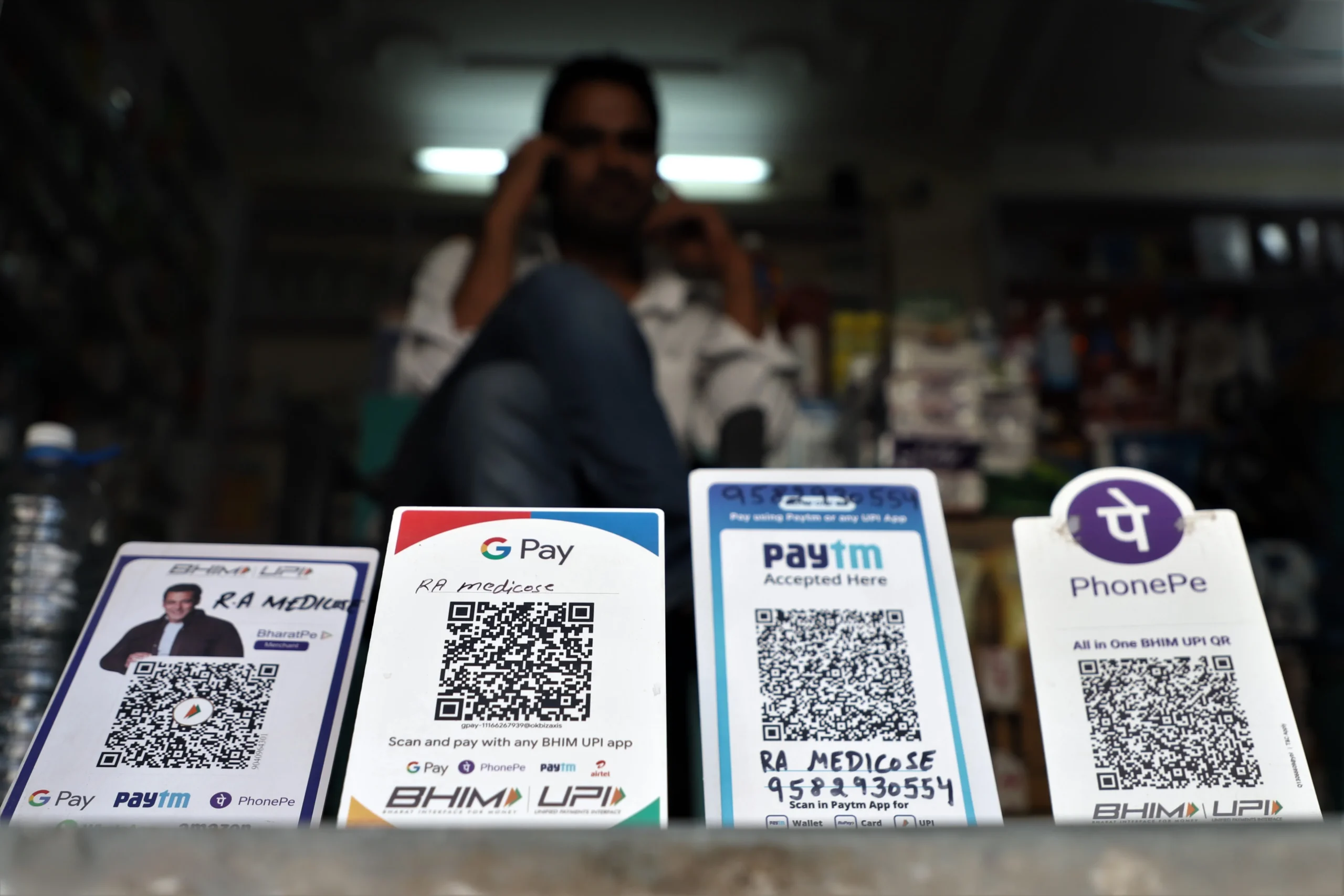
The National Payments Corporation of India (NPCI), the governing body for the country’s ubiquitous Unified Payments Interface (UPI), has officially announced a postponement of its plan to introduce merchant fees on large-value transactions. Originally scheduled to take effect on October 15, the new fee structure—which proposed a 0.4% charge on eligible merchant transactions exceeding ₹2,000 (approximately $24)—has been deferred until further notice. This decision follows a wave of intense pushback from retail associations, petroleum dealers, and various merchant groups who argued that the levy would erode thin profit margins and discourage the digital adoption that the Indian government has spent years promoting.
The NPCI cited the upcoming festive season, which includes major celebrations such as Diwali and Dussehra, as the primary reason for the delay. This period traditionally accounts for the highest consumer spending in India, and officials expressed concerns that a sudden shift in the payment fee structure could disrupt the retail ecosystem during a critical economic window. While a new implementation date has not been finalized, the NPCI indicated that the rollout would be reconsidered only after the conclusion of the holiday shopping peak.
The Evolution of UPI: From Innovation to National Infrastructure
To understand the weight of this delay, one must look at the meteoric rise of the Unified Payments Interface since its inception in 2016. Developed by the NPCI under the guidance of the Reserve Bank of India (RBI), UPI was designed to simplify the complexities of inter-bank transfers. By allowing users to link multiple bank accounts to a single mobile application and use a unique Virtual Payment Address (VPA) or a QR code, UPI effectively bypassed the need for traditional credit and debit card infrastructure in many retail settings.
The platform’s growth was significantly accelerated by the 2016 demonetization exercise and later by the COVID-19 pandemic, which necessitated contactless payment solutions. However, the most pivotal policy shift occurred in January 2020, when the Indian government implemented a "zero-MDR" (Merchant Discount Rate) policy for UPI and RuPay transactions. This policy mandated that no fees be charged to merchants for accepting these payments, effectively making UPI a free service for businesses.
While this move was instrumental in driving UPI’s adoption to every corner of the country—from high-end boutiques to street-side vendors—it created a significant financial burden for the banks and payment service providers (PSPs) like Google Pay, PhonePe, and Paytm. These companies facilitate billions of transactions but have struggled to find sustainable monetization routes due to the absence of transaction fees.
Detailed Breakdown of the Proposed Fee Structure
The proposed fee announced by the NPCI in late September represented the first major attempt to reintroduce a revenue model for standard UPI transactions. The 0.4% fee was specifically targeted at merchant transactions exceeding ₹2,000. To protect smaller businesses and daily micro-transactions, the NPCI had built in several safeguards:
- Threshold Exemption: Transactions of ₹2,000 or less remained free of any merchant charges.
- Small Merchant Protection: Businesses receiving less than ₹100,000 (approx. $1,200) per month via UPI were exempt from the fee regardless of transaction size.
- Fee Capping: The total fee for any single large-value transaction was capped at ₹300 ($3.60) to prevent excessive costs on high-ticket items like electronics or jewelry.
The revenue generated from these fees was intended to be distributed among the various stakeholders in the UPI ecosystem. This includes the remitter bank (the user’s bank), the beneficiary bank (the merchant’s bank), and the payment service provider. The NPCI stated that these funds are essential for maintaining the massive server infrastructure, enhancing cybersecurity protocols, and developing more robust fraud prevention mechanisms.
Industry Resistance and the Threat of Boycotts
The announcement of the fee met with immediate and vocal opposition. The All India Mobile Retailers Association (AIMRA) and various petrol pump operator unions were among the first to voice their concerns. Retailers argued that in high-volume, low-margin sectors like fuel and mobile hardware, a 0.4% fee represents a significant portion of their take-home profit.
In the petroleum sector, where margins are strictly regulated by the government, operators warned that they might stop accepting UPI payments altogether if the fees were enforced. "Our margins are already squeezed by rising operational costs," a spokesperson for a regional petroleum dealers’ association stated. "Adding a merchant fee to a platform that was promised to be free is a breach of trust and a threat to our viability."
Consumer advocacy groups also raised concerns that merchants might indirectly pass these costs onto customers by increasing prices or by insisting on cash payments for larger purchases, thereby reversing the progress made toward a "less-cash" economy.
The Economic Scale of UPI: September 2024 Data
The scale of the UPI network is difficult to overstate. According to the latest data released by the NPCI, the platform processed 24.07 billion transactions in September 2024 alone. The total value of these transactions reached a staggering ₹29.37 trillion (approximately $350 billion). This represents a significant year-on-year growth, cementing UPI’s status as the dominant retail payment method in India, far outstripping credit and debit card usage in terms of volume.
The cost of maintaining such a massive real-time system is substantial. Industry estimates suggest that the annual operational cost of the UPI ecosystem is approximately ₹200 billion ($2.4 billion). This includes the technical support required to handle peak loads of thousands of transactions per second, as well as the constant battle against sophisticated financial cyber-crimes. Currently, the Indian government provides an annual subsidy to banks to help cover these costs, but the subsidy often falls short of the actual expenditure incurred by the private and public sector banks that form the backbone of the network.
A Timeline of UPI’s Key Regulatory Milestones
- April 2016: UPI is launched by the NPCI with 21 member banks.
- November 2016: Demonetization of high-value currency notes leads to a surge in digital wallet and UPI adoption.
- January 2020: The Government of India mandates zero-MDR for UPI, making it free for all merchants.
- April 2020: NPCI International Payments Limited (NIPL) is incorporated to take UPI to global markets.
- March 2023: NPCI introduces an interchange fee for Merchant Transactions made via Prepaid Payment Instruments (PPI) like mobile wallets on UPI, but peer-to-peer and bank-to-bank UPI remains free.
- September 2024: NPCI announces the 0.4% fee for merchant transactions over ₹2,000.
- October 2024: Following merchant protests and the onset of the festive season, the NPCI postpones the fee implementation.
The Global Ambition and Geopolitical Context
While domestic monetization remains a challenge, the NPCI has been aggressively expanding UPI’s footprint internationally. Through its international arm, UPI has established linkages in several countries, including Singapore (via PayNow), the United Arab Emirates, France, Mauritius, Nepal, and Sri Lanka.
These international forays are part of India’s broader "Digital Public Infrastructure" (DPI) diplomacy. By exporting the UPI model, India aims to provide a low-cost, efficient alternative to traditional global payment networks like SWIFT or Visa/Mastercard. However, the domestic success of the platform is the primary proof of concept. If the network cannot find a way to be self-sustaining through a balanced fee structure at home, it may face questions regarding its long-term viability in foreign markets where government subsidies are not guaranteed.
Implications for Market Leaders: Google Pay and PhonePe
The delay in fee implementation has specific implications for the dominant players in the UPI space. Currently, Walmart-backed PhonePe and Google Pay control roughly 85% of the UPI market share by transaction volume. These companies have invested billions of dollars in customer acquisition and technology but have seen their paths to profitability hampered by the zero-MDR policy.
The introduction of merchant fees would have provided these fintech giants with a direct revenue stream from their massive user bases. The postponement means these companies must continue to rely on ancillary services—such as insurance distribution, credit lending, and wealth management—to generate revenue. The delay also provides a temporary reprieve for Paytm, which has been navigating its own regulatory challenges with the RBI over the past year and is working to regain its footing in the merchant payment space.
Brief Analysis: Balancing Growth with Sustainability
The NPCI finds itself in a delicate balancing act. On one hand, the "free" nature of UPI is the very reason it reached 300 million unique users and tens of millions of merchants. Any friction introduced via fees risks pushing users back toward cash, particularly in the informal economy.
On the other hand, a "permanently free" model is unsustainable. Banks are currently bearing the brunt of the infrastructure costs, which diverts resources away from other digital banking innovations. Furthermore, without a clear revenue model, the incentive for private players to continue innovating and securing the platform may diminish over time.
The decision to delay the fee until after Diwali is a pragmatic political and economic move. It avoids inflation concerns during a high-consumption period and prevents a potential PR crisis during the holidays. However, the fundamental question remains: Who will pay for the "free" ride? As UPI moves toward its goal of processing 100 billion transactions a month, the pressure to implement a sustainable financial model will only intensify.
Conclusion and Future Outlook
The postponement of the 0.4% merchant fee highlights the immense sensitivity surrounding digital payment costs in India. For now, UPI remains free for the vast majority of users and businesses, maintaining the status quo during the nation’s busiest shopping season.
Observers expect the NPCI to engage in further consultations with merchant guilds and industry stakeholders during the delay period. A potential compromise could involve a further reduction in the fee percentage, a higher threshold for "large" transactions, or a phased implementation across different sectors. Regardless of the eventual outcome, the debate underscores the transition of UPI from a disruptive fintech experiment to a vital piece of national infrastructure that must now grapple with the realities of economic sustainability and stakeholder management.