Farhan Pambudi
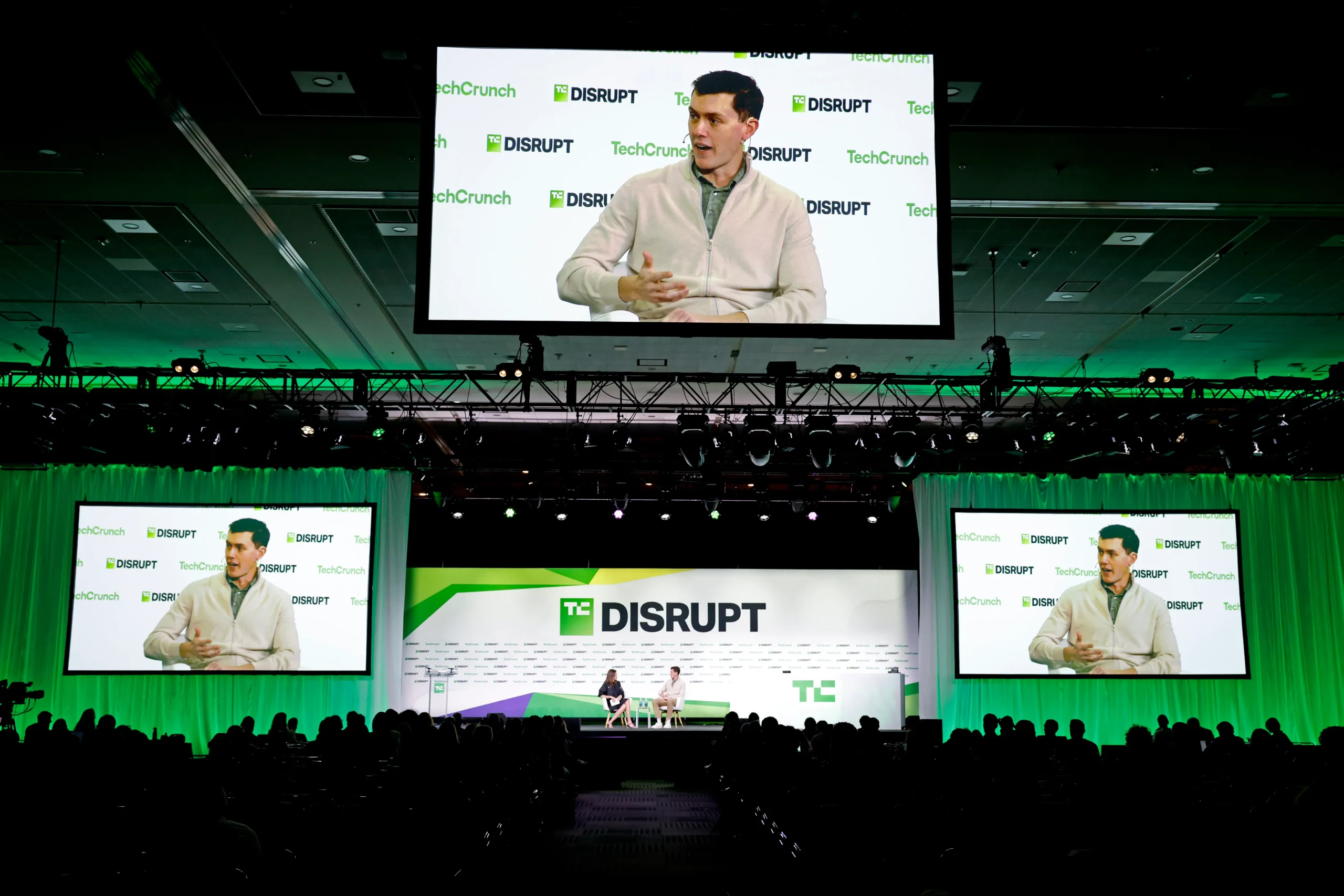
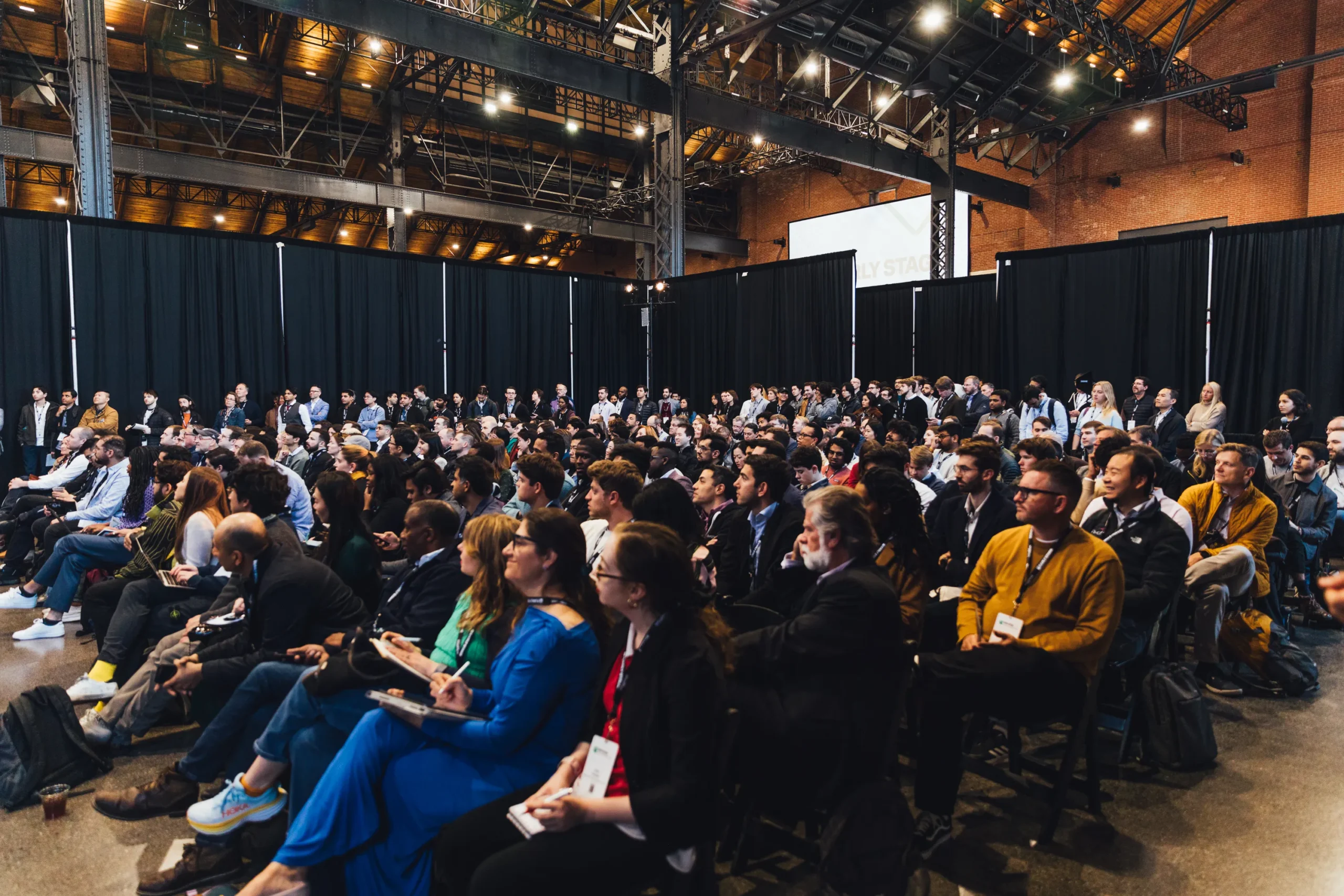
The final day of TechCrunch Disrupt 2026 has commenced at San Francisco’s Moscone West, marking the culmination of a high-intensity week for the global technology ecosystem. More than 10,000 founders, venture capitalists, and industry executives have converged on the city’s premier convention center to witness the conclusion of the Startup Battlefield competition and engage in technical discourse regarding the next evolution of artificial intelligence. While the first two days of the conference focused on early-stage scaling and sector-specific disruptions, Day 3 is characterized by its emphasis on the practical application of emerging technologies and the long-term strategic shifts defining the 2026 fiscal landscape.
The atmosphere within Moscone West reflects a tech sector that has moved past the initial hype of generative AI and into a period of rigorous implementation. From the bustling Expo Hall, featuring over 320 exhibiting startups, to the high-stakes environment of the Disrupt Stage, the final day serves as both a networking nexus and a barometer for the health of the venture capital market. Registration opened at 8:00 a.m., with attendees utilizing "Klik" badge technology—a sophisticated networking tool that facilitates the seamless exchange of contact information through physical proximity, reflecting the event’s emphasis on high-efficiency connectivity.
A Chronology of Innovation: The Path to the Final Day
The progression of TechCrunch Disrupt 2026 has followed a strategic trajectory designed to mirror the lifecycle of a modern technology enterprise. Day 1 served as the foundational phase, emphasizing the "Builders" mindset and addressing the immediate challenges of the current macroeconomic environment. Discussions centered on capital efficiency and the revitalization of the San Francisco tech corridor, which has seen a significant resurgence as the global epicenter for AI research and development.
Day 2 shifted the focus toward vertical integration and industry-specific breakthroughs. Panels explored the intersection of AI with healthcare, fintech, and sustainability, while the Startup Battlefield 200 began the arduous process of narrowing down a field of hundreds of competitors to a handful of finalists. This middle phase of the conference highlighted the increasing importance of "sovereign AI" and the development of localized data models for enterprise security.

Day 3 represents the "Future State." The programming for the final day is heavily weighted toward "Agentic AI"—the concept of autonomous software entities capable of executing complex tasks without constant human intervention—and the hardware that will eventually succeed the smartphone. The schedule includes a mix of rapid-fire lightning pitches on the Pitch Showcase Stage and deep-dive technical sessions on the AI and Builders stages.
Data-Driven Insights: The 2026 Startup Landscape
The scale of Disrupt 2026 provides a significant data set for analyzing current market trends. With over 320 startups in the Expo Hall, the distribution of sectors offers a clear look at where private capital is flowing. Approximately 45% of exhibiting companies are categorized as "AI-Native," a 15% increase from the previous year. Furthermore, the presence of "Physical AI" startups—those integrating machine learning with robotics and hardware—has grown by 20%, signaling a shift away from purely software-based solutions.
Investment trends discussed on the Builders Stage suggest a shifting exit environment. Karl Alomar of M13 and Lindsey Mignano of Mignano Law Group noted that M&A is no longer viewed solely as a late-stage liquidity event but is increasingly utilized as an "early-stage strategy." This is driven by the high cost of specialized compute resources and the aggressive "acqui-hire" tactics of big tech firms seeking to consolidate AI talent. Current data suggests that seed-stage acquisitions have risen by 12% year-over-year, as larger entities seek to integrate innovative agentic architectures before they reach Series B funding levels.
The Startup Battlefield: The High-Stakes Finale
The centerpiece of the final day remains the Startup Battlefield Final. This competition, which has a storied history of launching companies like Dropbox, Mint, and Cloudflare, offers a $100,000 equity-free prize and the prestigious Disrupt Cup. The 2026 finalists were selected from the "Battlefield 200," a curated group of the world’s most promising early-stage companies.
The judging panel for the 2026 final includes prominent figures from the venture capital community, such as Chi-Hua Chien of Goodwater Capital and Alexa von Tobel of Inspired Capital. The criteria for selection have evolved to reflect the 2026 market; judges are prioritizing "defensibility" and "unit economics" over raw user growth. In an era where AI can rapidly replicate software features, the ability to demonstrate a unique data moat or a proprietary hardware integration has become the primary differentiator for winning teams.

The Pitch Showcase Stage also hosted "Fast Pitches" focused on Health and Consumer sectors. These one-minute lightning rounds provide a platform for startups to capture the attention of the hundreds of angel investors and limited partners roaming the floor. The intensity of these sessions underscores the competitive nature of the 2026 fundraising environment, where brevity and clarity of vision are paramount.
Technical Analysis: Beyond the Chatbot
A recurring theme throughout Day 3 is the transition from "Chatbots" to "Operators." On the AI Stage, Alexander Embiricos of OpenAI led a session titled "What Comes After the Chatbot," exploring the development of interfaces that prioritize action over conversation. This sentiment was echoed by Amjad Masad, CEO of Replit, who discussed the democratization of software creation. Masad’s thesis suggests that as AI becomes capable of writing and deploying its own code, the role of the human "developer" will shift toward that of a "system architect" or "product visionary."
Security remains a significant headwind for this transition. The "Agent Security Problem" was a focal point of discussions involving Ric Smith of Okta and Gavriel Cohen of NanoCo. As autonomous agents gain the authority to access bank accounts, sign contracts, and manage enterprise data, the potential for "prompt injection" and "agent hijacking" poses a systemic risk. Analysts at the event suggest that the cybersecurity market for AI agents is projected to reach $12 billion by 2028, making it one of the fastest-growing sub-sectors in technology.
Official Responses and Industry Sentiment
While the mood at Moscone West is overwhelmingly optimistic, there is an undercurrent of "honest conversation" regarding the mental health and logistical challenges of founding a company in the AI era. Nell Daly of Revenge Capital and David H. Rosmarin of Harvard Medical School led a session addressing the psychological toll of the "founder’s journey." Industry leaders emphasized that the rapid pace of AI development has compressed the traditional five-year startup cycle into eighteen months, leading to unprecedented levels of burnout.
Amazon’s Panos Panay provided a high-level perspective on the hardware side, discussing the post-smartphone era. Panay’s presence at Disrupt 2026 signals Big Tech’s continued interest in the "Ambient Intelligence" market—devices that move away from screens and toward voice, gesture, and neural interfaces. "The device of the future isn’t something you look at; it’s something that understands your context," Panay noted during his Disrupt Stage appearance, reinforcing the trend toward invisible, integrated technology.

Broader Impact and Global Implications
The implications of the discussions at TechCrunch Disrupt 2026 extend far beyond the confines of San Francisco. The shift toward "Physical AI" and autonomous logistics, discussed by teams from UC Berkeley and companies like Bluecore Energy, has significant ramifications for national resilience and global supply chains. The session on the "Next Logistics Stack" highlighted how autonomy and infrastructure are becoming matters of national security, particularly as countries compete for dominance in the semiconductor and energy sectors required to power these AI systems.
Furthermore, the "Social Start Over" discussion featuring Bluesky’s Toni Schneider and Rose Wang addressed the ongoing fragmentation of the digital public square. As centralized social media platforms face regulatory and algorithmic challenges, the move toward decentralized protocols suggests a future where users have greater control over their data and digital identities.
As the final hours of the conference approach, the announcement of the Startup Battlefield 2026 winner will serve as the closing act. However, the true legacy of the event will be the partnerships formed and the technological roadmaps established during the week. With a 75% discount offered on final-day passes, the organizers have ensured that the concluding sessions remain accessible to a diverse range of participants, from student entrepreneurs to veteran engineers.
TechCrunch Disrupt 2026 has successfully framed the narrative for the coming year: a period defined not just by the intelligence of our machines, but by the security, execution, and human-centric design of the systems they inhabit. As the 10,000 attendees depart Moscone West, they carry with them the blueprints for a decade that promises to be the most disruptive in the history of the modern computing era.