Gilang Muhammad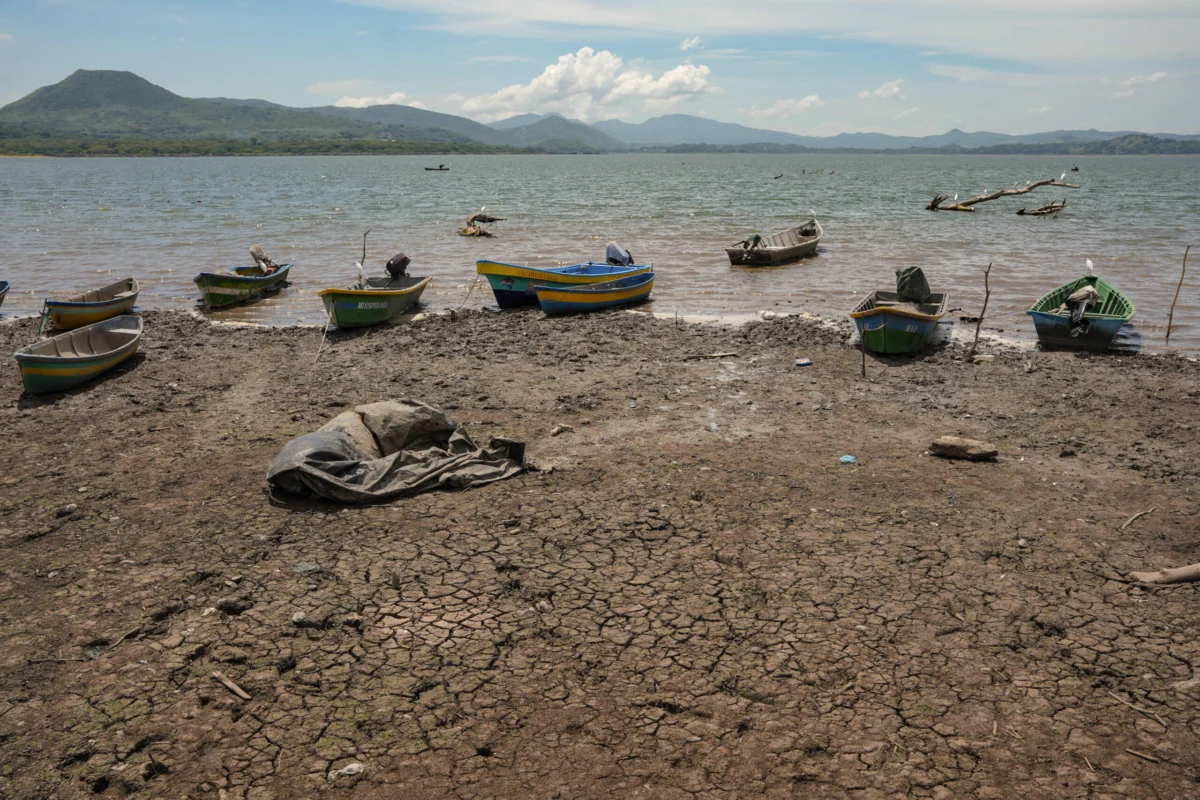
The global climate system is bracing for an unprecedented challenge as the El Niño climate event intensifies into a "supersized" phenomenon, projected by the United Nations to persist until February 2027. This extended duration and amplified intensity raise alarm bells worldwide, signaling an elevated risk of widespread floods, severe droughts, and extreme heat across numerous countries, with profound implications for global food and energy supplies, human security, and economic stability.
Celeste Saulo, Secretary-General of the U.N.’s World Meteorological Organization (WMO), issued a stark warning on Thursday, emphasizing that this extraordinary El Niño "has the potential to deliver a massive blow to communities and economies across the world." She further elaborated, "We are already seeing disruption and devastation from droughts and floods, and we expect these impacts to increase as El Niño intensifies." While nations in the Asia-Pacific and Latin American regions are poised to bear the immediate and most severe brunt, the reverberations of this prolonged climatic anomaly are expected to be felt globally, fundamentally impacting critical sectors such as agriculture, fisheries, and energy.
The Mechanics of a Monster El Niño: Scientific Underpinnings
El Niño, meaning "little boy" in Spanish, is a naturally occurring climate pattern characterized by the warming of ocean surface temperatures in the central and eastern tropical Pacific Ocean. This oceanic warming is intrinsically linked to atmospheric pressure changes, a phenomenon known as the El Niño-Southern Oscillation (ENSO). Normally, strong trade winds blow from east to west across the Pacific, pushing warm surface water towards Asia and allowing cooler, nutrient-rich water to well up off the coast of South America. During an El Niño event, these trade winds weaken or even reverse, causing warm water to spread eastward across the Pacific, suppressing the upwelling of cold water and dramatically altering global atmospheric circulation patterns.
The WMO’s latest research underscores the exceptional nature of the current event. Sea surface temperatures in the tropical eastern Pacific were observed to be more than 2 degrees Celsius above their long-term average in July. This anomaly further escalated to between 2.2 and 2.6 degrees Celsius above normal during the period from late July to mid-August. Even more concerning is the subsurface ocean, where temperatures were recorded to be more than 8 degrees Celsius above average in July and early August, indicating a significant and deeply entrenched warming trend that underpins the "supersized" designation. Typically, an El Niño event is declared when sea temperatures in this region rise 0.5 degrees Celsius above the long-term average. The current measurements far exceed this threshold, pointing to a strong, potentially record-breaking event. El Niño phases oscillate with La Niña ("little girl"), a cooling phase, every two to seven years, creating a natural rhythm that dictates much of the planet’s inter-annual climate variability. However, the intensity and duration of the current event suggest a departure from typical patterns, prompting scientists to investigate potential links to broader climate change trends.

A Global Climate Conundrum: Regional Manifestations
The geographical reach of El Niño’s influence is vast, affecting weather patterns far beyond the Pacific basin through atmospheric teleconnections.
Latin America’s "Dry Corridor" and Coastal Havoc:
Central American nations are already grappling with severe manifestations. Guatemala, Honduras, and El Salvador, often referred to as the "dry corridor," are experiencing erratic weather conditions and prolonged drought. An August 2026 report by Oxfam explicitly linked these conditions to El Niño, highlighting severe crop losses that threaten food security for millions. For instance, Lake Guija in Metapan, El Salvador, has witnessed critically low water levels, prompting the Salvadoran government to declare a state of emergency on August 25 due to El Niño-linked drought conditions impacting communities nationally. Further south, Peru’s vital fishing industry, particularly its anchovy catches, has faced a "devastating blow," according to local officials. Anchovies are a cornerstone of the global aquaculture and livestock feed industries, and a collapse in supply could trigger price hikes and ripple through global food chains. Conversely, other parts of South America, such as Ecuador and northern Peru, could face an increased risk of torrential rains and flooding, disrupting agriculture and infrastructure.
Asia-Pacific Under Siege:
The Asia-Pacific region is confronting its own set of challenges. Indonesia is battling devastating wildfires, exacerbated by prolonged dry conditions typical of strong El Niño years. These fires contribute significantly to regional air pollution, or "haze," impacting public health and economic activities across Southeast Asia. India, a critical global food producer, is anticipating a weaker monsoon season, which is expected to severely impact the growth of staple crops such as rice, sugar, cotton, and soybean, as reported by Reuters in August 2026. A shortfall in India’s agricultural output could have significant implications for global commodity markets and food prices. Australia and parts of Southeast Asia, including Thailand and Vietnam, are also bracing for increased drought risk, threatening agricultural productivity and water resources.
Broader Global Repercussions:
Beyond these immediate hotspots, El Niño’s influence extends to other continents. Parts of East Africa could experience increased rainfall and flooding, while Southern Africa might face hotter and drier conditions. In North America, typical El Niño patterns often lead to warmer, drier winters in the northern states and Canada, coupled with wetter conditions across the southern United States. These shifts can affect everything from agricultural yields to snowpack levels, crucial for water supply.
Economic Fallout and Sectoral Vulnerabilities

The economic implications of a prolonged "supersized" El Niño are far-reaching, threatening to disrupt global supply chains, fuel inflation, and hinder economic growth.
Agriculture and Food Security:
The agricultural sector is arguably the most vulnerable. Crop losses from droughts in Central America and India, coupled with potential yield reductions in other key agricultural regions, could lead to significant increases in global food prices. Rice, a staple for billions, is particularly susceptible to monsoon variability. Shortages of specific commodities like sugar, cotton, and soybeans will affect various industries from food processing to textiles. The collapse of Peru’s anchovy fishery illustrates the interconnectedness of global food systems, impacting livestock feed prices and, subsequently, the cost of meat and dairy products. The Food and Agriculture Organization (FAO) of the United Nations has consistently highlighted the risk of El Niño exacerbating food insecurity, particularly in regions already vulnerable to climate shocks and poverty.
Energy Sector Volatility:
The energy sector faces unpredictable effects on both generation and demand. Hydropower output, a significant source of electricity in many regions, can be severely curtailed by drought conditions. Conversely, heavy rainfall can disrupt solar and wind energy infrastructure. Oil and gas production and refining operations, as well as mining activities, are also susceptible to disruptions from extreme weather events, whether through damage to infrastructure, logistical challenges, or impacts on worker safety. Increased demand for cooling during heatwaves could strain electricity grids, leading to higher energy consumption and potentially higher prices.
Broader Economic Impacts:
Beyond agriculture and energy, other sectors face considerable risks. Insurance companies anticipate a surge in claims related to natural disasters, leading to increased premiums. Tourism, especially in weather-dependent regions, could suffer. Supply chain disruptions, from raw materials to finished goods, could become more frequent and severe, impacting manufacturing and trade. Macroeconomic indicators such as GDP growth rates could be negatively affected in climate-vulnerable economies, and central banks may face difficult decisions regarding inflation management in the face of rising commodity prices. The International Monetary Fund (IMF) and World Bank regularly analyze the economic drag from climate-related disasters, and a prolonged El Niño of this magnitude could shave significant points off global economic growth projections.
Humanitarian Crisis and Environmental Degradation
The human toll of an intensified El Niño is equally alarming. Food insecurity and water scarcity could lead to humanitarian crises, forcing populations to migrate in search of resources. The World Health Organization (WHO) warns of increased risks of waterborne diseases following floods and vector-borne diseases (like malaria and dengue) due to altered rainfall patterns. Heatwaves pose direct health risks, particularly to vulnerable populations.

Environmentally, the event threatens biodiversity. Wildfires, like those in Indonesia, devastate ecosystems and release vast amounts of carbon into the atmosphere, creating a feedback loop that exacerbates climate change. Marine ecosystems, particularly coral reefs, are highly vulnerable to prolonged periods of warmer ocean temperatures, leading to widespread coral bleaching events that can decimate these vital habitats.
Official Responses and the Call for Action
The gravity of the situation prompted U.N. Secretary-General António Guterres to declare on Thursday that El Niño was being "supersized before our eyes." His powerful statement underscored the urgency of the moment: "The world is in the danger zone of extreme weather. The race now is between rising risks and our commitment to take climate action and protect people. We must win that race."
This call to action resonates with the WMO’s emphasis on enhancing early warning systems and investing in disaster preparedness and climate adaptation strategies. Governments worldwide are urged to prioritize resilience-building measures, including improving water management infrastructure, developing drought-resistant crops, strengthening healthcare systems, and establishing robust emergency response mechanisms. International cooperation is paramount, with humanitarian organizations like the Red Cross/Red Crescent and various UN agencies (e.g., UNHCR for displacement, UNICEF for children’s health) gearing up for increased demand for aid and assistance.
The protracted nature of this El Niño, extending into early 2027, demands a sustained and comprehensive global response. It highlights the critical need not only for immediate humanitarian and economic interventions but also for accelerated efforts to mitigate climate change, which scientists warn can amplify the impacts of natural climate phenomena like El Niño, pushing them into uncharted and dangerous territory. The challenge is not merely to weather the storm but to fundamentally rethink humanity’s relationship with a rapidly changing climate.