Ella Zulfa
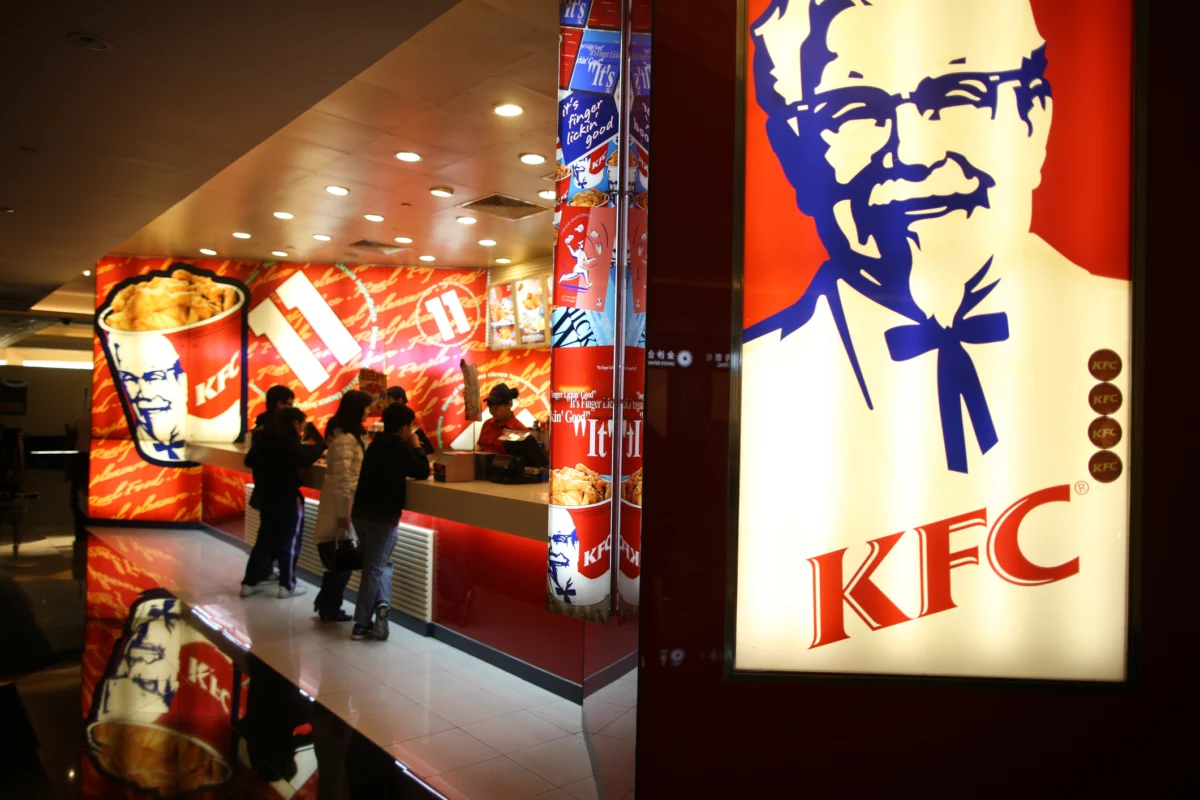
In a significant strategic shift poised to redefine the beverage landscape within one of America’s most iconic fast-food chains, KFC U.S. has announced it will transition its beverage offerings from PepsiCo to Coca-Cola. This landmark decision, set to take effect in January 2027, marks the end of a deeply entrenched partnership that has spanned approximately four decades. Coca-Cola products are slated to be available across all KFC U.S. locations by the spring of 2027, signaling a new era for the fried chicken giant’s drink menu.
A Long-Standing Alliance Comes to an End
The approximately 40-year relationship between KFC U.S. and PepsiCo is one of the longest-standing soda partnerships in the fast-food industry. PepsiCo’s acquisition of KFC in 1986 solidified the beverage giant’s presence within the fast-food chain’s operations. Even after KFC was spun off into Yum! Brands in 1997, PepsiCo retained its crucial pouring rights for the U.S. market, a testament to the strength and longevity of their business ties. This continuity meant that for generations of KFC customers, the familiar taste of Pepsi products was intrinsically linked to their favorite fried chicken meals. The decision to sever this long-standing connection underscores a deliberate and strategic move by KFC to re-evaluate its brand identity and consumer offerings.
KFC’s Vision for a Evolving Brand
Catherine Tan-Gillespie, President of KFC U.S., articulated the strategic rationale behind this significant beverage switch, emphasizing that the partnership with Coca-Cola extends beyond mere product placement. "This partnership is about more than what’s in the cup," Tan-Gillespie stated, framing the agreement as a pivotal step in KFC’s ongoing brand evolution. This sentiment suggests a broader strategy to modernize the KFC experience and align its offerings with contemporary consumer preferences and market trends.
The move towards Coca-Cola is also being complemented by an expansion of KFC’s drink lineup. At "Open House," the chain’s experimental new restaurant concept located in McKinney, Texas, KFC has been actively testing and introducing an array of innovative beverages. These include iced coffees, a growing trend in the fast-food sector, alongside popular items like boba teas and milkshakes. This diversification indicates KFC’s ambition to cater to a wider range of tastes and occasions, moving beyond traditional fountain sodas to capture a more comprehensive beverage market share. The "Open House" location serves as a crucial testing ground for these new concepts, providing valuable consumer feedback and data to inform future national rollouts.
PepsiCo’s Continued Presence in the Yum! Brands Ecosystem
While the U.S. KFC partnership with PepsiCo is concluding, it is important to note that PepsiCo’s relationship with Yum! Brands is far from over. The global food and beverage conglomerate will continue to serve as a key beverage partner for other Yum! Brands properties, including Taco Bell. Recent agreements have solidified these ongoing ties, with a notable 10-year deal specifically for Taco Bell. Furthermore, PepsiCo will retain pouring rights for KFC’s international restaurants, underscoring the complexity of these multi-faceted business relationships and the strategic importance of different markets. This continued collaboration with other Yum! Brands entities highlights that the KFC U.S. decision is a targeted strategic adjustment rather than a wholesale divestment from the broader Yum! Brands portfolio.
Timeline and Transition Details
The transition is scheduled to commence in January 2027, with a phased rollout expected to ensure a seamless integration of Coca-Cola products across all U.S. KFC restaurants. By the spring of 2027, customers will be able to enjoy a full range of Coca-Cola beverages alongside their favorite KFC meals. This timeline allows for logistical planning, including equipment changes in soda fountains, staff training, and marketing adjustments across thousands of franchise locations nationwide. The phased approach aims to minimize disruption for both consumers and franchisees during this significant operational change.
Industry Context and Market Implications
The fast-food industry is characterized by intense competition and constant evolution, with beverage partnerships playing a critical role in brand identity and profitability. For decades, the choice of soda provider has been a significant differentiator for major chains. The partnership between KFC and PepsiCo was a deeply ingrained element of American fast-food culture. Its dissolution signals a dynamic shift in how major players are strategizing their brand alliances.
The move by KFC to Coca-Cola could have several implications:
- Increased Competition: This partnership intensifies the rivalry between Coca-Cola and PepsiCo in the lucrative fast-food sector. Coca-Cola will gain a significant new avenue for product placement and consumer engagement through KFC’s vast network.
- Consumer Perception: For consumers who are loyal to either Coca-Cola or Pepsi, this change will alter their beverage choices at KFC. It may also influence where consumers choose to dine based on their preferred soda brand.
- Franchisee Impact: Franchisees will need to adapt to new equipment, supply chains, and potentially renegotiate local marketing agreements. While the corporate decision is final, the operational execution will fall to individual restaurant owners.
- Innovation in Beverage Offerings: The emphasis on expanding the drink lineup, as indicated by KFC’s "Open House" initiatives, suggests a broader industry trend toward offering more diverse beverage options beyond traditional sodas. This includes exploring healthier alternatives, specialty drinks, and premium non-carbonated beverages.
Background: The Historical Entanglement of Fast Food and Soda Giants
The symbiotic relationship between fast-food chains and beverage companies is a cornerstone of the modern food service industry. These partnerships are often long-term, mutually beneficial arrangements that involve significant marketing support, co-branding opportunities, and financial incentives.
- PepsiCo’s Legacy with KFC: PepsiCo’s acquisition of KFC in 1986 was a strategic move to expand its footprint in the burgeoning fast-food market. For many years, KFC was a significant revenue driver for PepsiCo, and the company’s ownership allowed for direct control over beverage distribution and marketing within the chain. Even after the spin-off to Yum! Brands, the contractual agreements ensured PepsiCo’s continued presence. This era saw the integration of Pepsi products into countless KFC meals, becoming a familiar part of the consumer experience.
- Coca-Cola’s Dominance in Other Chains: Coca-Cola, conversely, holds strong partnerships with other major fast-food players, most notably McDonald’s, another iconic American brand. This long-standing relationship with McDonald’s has been a significant factor in Coca-Cola’s market dominance. The acquisition of KFC’s U.S. business represents a major strategic win for Coca-Cola, allowing it to capture a significant portion of the fast-food beverage market previously held by its chief rival.
- Yum! Brands’ Portfolio: Yum! Brands, the parent company of KFC, Pizza Hut, and Taco Bell, operates a vast global network of restaurants. Managing beverage partnerships across such a diverse portfolio requires intricate negotiation and strategic alignment. The decision for KFC U.S. to switch to Coca-Cola while maintaining PepsiCo ties with Taco Bell internationally highlights the nuanced approach Yum! Brands takes in optimizing its supply chain and brand relationships across its various divisions and geographic regions.
Analysis of Strategic Motivations
The decision by KFC U.S. to partner with Coca-Cola is likely driven by a confluence of factors aimed at revitalizing the brand and enhancing its competitive edge.
- Brand Alignment and Modernization: Coca-Cola is often perceived as a premium global brand, and aligning with it could bolster KFC’s image as it seeks to attract a broader demographic, including younger consumers. The move signals a departure from its legacy association with PepsiCo, potentially allowing KFC to reposition itself in the market.
- Menu Diversification and Innovation: As mentioned, KFC is actively exploring new beverage categories. Coca-Cola’s extensive portfolio and expertise in beverage innovation may offer greater opportunities for collaboration on new product development, including specialty drinks, healthier options, and premium offerings that align with evolving consumer demands. This could range from a wider variety of sparkling beverages to ready-to-drink coffee and tea options.
- Marketing and Promotional Synergies: Coca-Cola’s global marketing reach and extensive promotional capabilities could provide KFC with new avenues for co-branded marketing campaigns, loyalty programs, and in-store promotions. This could translate into increased foot traffic and customer engagement.
- Financial Considerations: While specific financial terms are not publicly disclosed, it is highly probable that the new agreement with Coca-Cola offers more favorable terms for KFC U.S., whether through enhanced marketing support, volume discounts, or other financial incentives. In the competitive fast-food landscape, optimizing profit margins is a constant imperative.
Future Outlook and Broader Industry Trends
The KFC-Coca-Cola partnership is more than just a beverage deal; it’s a signal of the ongoing evolution within the fast-food industry. As consumer tastes diversify and the demand for healthier and more varied beverage options grows, fast-food chains are increasingly looking beyond traditional soda partnerships. The inclusion of items like iced coffees and boba teas at KFC’s experimental locations foreshadows a future where the "drink menu" in fast-food restaurants will be as diverse and innovative as the food offerings themselves.
The strategic realignment also underscores the power of major beverage corporations to influence consumer choice and brand perception. Coca-Cola’s victory in securing the U.S. KFC business is a significant coup, demonstrating its continued ability to forge and maintain dominant partnerships in the food service sector. As this transition unfolds throughout 2027, industry analysts will be closely watching to assess its impact on sales, consumer loyalty, and the broader competitive dynamics between Coca-Cola and PepsiCo in the U.S. market. The long-standing tradition of a single soda provider at major fast-food chains is clearly undergoing a significant transformation, driven by a desire for brand reinvention and a keen understanding of evolving consumer preferences.