Lina Wu
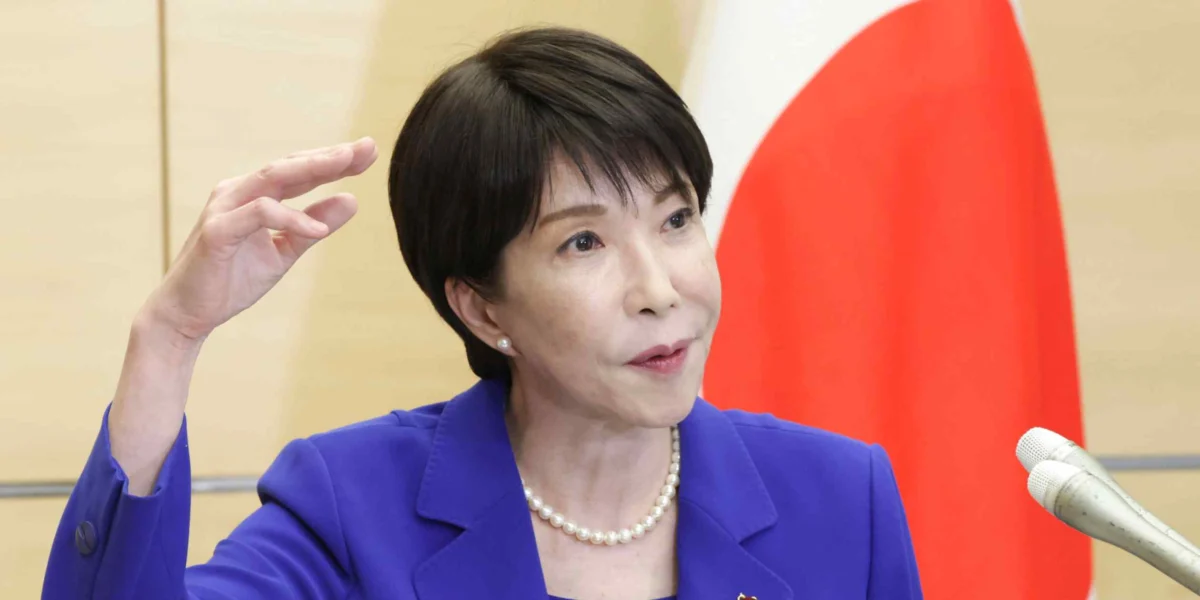
Public support for Japanese Prime Minister Sanae Takaichi’s cabinet has remained robust, holding steady at 62% in the latest poll conducted by Nikkei and TV Tokyo in October 2026, an identical figure to the September survey. This stability comes despite a significant portion of the electorate expressing dissatisfaction with the Prime Minister’s handling of the recent resignation of Farm Minister Yana. According to the same poll, 48% of respondents criticized Takaichi’s management of the fallout from Yana’s departure, a development that has cast a shadow over an otherwise steady period of governance for the Takaichi administration.

The approval rating, which has consistently stayed above the 50% mark since Takaichi took office in October 2025, suggests that the Prime Minister has largely managed to maintain public confidence in her leadership. However, the substantial disapproval regarding the handling of the Farm Minister’s resignation indicates a potential area of vulnerability for the government. This divergence in public sentiment highlights a nuanced political landscape where overall leadership is viewed favorably, but specific managerial decisions face scrutiny.
Background of the Farm Minister’s Resignation
The controversy surrounding Farm Minister Yana’s resignation emerged in early October 2026, following allegations of impropriety concerning agricultural subsidies and potential conflicts of interest. While specific details of the allegations remain subject to ongoing investigation and official statements have been cautious, reports in the Japanese media pointed to questions about the distribution of funds allocated to agricultural cooperatives and Yana’s alleged personal connections to some of these entities.

The Farm Ministry, a critical pillar of Japan’s economy, oversees policies related to agriculture, forestry, and fisheries, sectors that hold significant cultural and economic importance for the nation. Any perceived mismanagement or ethical lapse within this ministry can have far-reaching consequences, impacting food security, rural livelihoods, and the broader agricultural industry.
Farm Minister Yana, appointed in the cabinet reshuffle following the general election of 2025, had been seen as a capable figure within the agricultural sector. His tenure, though relatively short, was marked by efforts to modernize farming practices and support small-scale producers. However, the allegations, which surfaced through media investigations and subsequent internal reviews, quickly escalated, leading to mounting pressure for accountability.

Chronology of Events
The timeline leading to Farm Minister Yana’s resignation and its aftermath can be broadly outlined as follows:
- Late September 2026: Initial media reports begin to surface, raising questions about the allocation of agricultural subsidies and alleged irregularities involving entities with potential ties to Farm Minister Yana. These reports trigger internal inquiries within the ministry and the ruling party.
- Early October 2026: The allegations gain traction, with opposition parties calling for immediate clarification and parliamentary inquiries. Public unease begins to grow as the scope of the alleged impropriety appears to broaden.
- Mid-October 2026: Facing intensifying scrutiny and internal pressure, Farm Minister Yana tenders his resignation to Prime Minister Takaichi. The Prime Minister’s office initially acknowledges the resignation, stating that a thorough investigation into the allegations would continue.
- Late October 2026: The Nikkei-TV Tokyo poll is conducted, revealing the public’s divided opinion. While the Prime Minister’s overall approval remains high, a significant percentage of the public expresses dissatisfaction with how the resignation and the underlying allegations were handled by the Prime Minister’s office. The government announces the appointment of a successor to the Farm Minister position.
Supporting Data and Poll Analysis
The Nikkei-TV Tokyo poll, conducted between October 20th and 23rd, 2026, surveyed 1,000 eligible voters nationwide via telephone and online methods. The margin of error for the overall approval rating is approximately 3.1 percentage points.

The poll revealed the following breakdown regarding the handling of Farm Minister Yana’s resignation:
- Approve of the Prime Minister’s handling: 38%
- Disapprove of the Prime Minister’s handling: 48%
- No opinion/Don’t know: 14%
This data indicates a clear plurality of respondents who believe the Prime Minister’s office did not manage the situation effectively. The reasons for this dissatisfaction could stem from various factors, including perceptions of a delayed response, insufficient transparency, or a perceived lack of decisive action in addressing the core allegations before the resignation.

In contrast, the overall approval rating for Prime Minister Takaichi’s cabinet has been a consistent strength. Since taking office in October 2025, the cabinet’s approval has hovered between 58% and 65%, demonstrating a broad base of public support. This suggests that while specific events can draw criticism, the Prime Minister’s general leadership and policy agenda resonate positively with a majority of the electorate. The current 62% approval is a testament to this sustained confidence.
Official Responses and Party Reactions
Following Farm Minister Yana’s resignation, the Prime Minister’s office issued a statement emphasizing the government’s commitment to transparency and accountability. "The Prime Minister takes all allegations of impropriety seriously and is committed to ensuring that all government officials adhere to the highest ethical standards," the statement read. "We will cooperate fully with any ongoing investigations and will take appropriate measures to restore public trust."

The ruling Liberal Democratic Party (LDP) has largely rallied behind Prime Minister Takaichi, framing the resignation as a necessary step to uphold governmental integrity. Senior party officials have reiterated the importance of a thorough investigation and have expressed confidence in the Prime Minister’s ability to navigate the challenges. However, behind the scenes, there are likely internal discussions about the political fallout and strategies to mitigate any further damage to the party’s reputation.
Opposition parties have seized upon the controversy as an opportunity to criticize the government. The Constitutional Democratic Party of Japan (CDP) and other opposition groups have called for a more comprehensive parliamentary inquiry, demanding greater disclosure of information regarding the subsidy distribution and any potential political interference. They argue that the resignation, while a step, does not absolve the Prime Minister’s office of responsibility for oversight.

"This incident raises serious questions about the ethical compass of this administration," stated a prominent opposition spokesperson. "The public deserves to know the full truth, and we will continue to press for answers. The Prime Minister’s handling of this matter has clearly eroded public trust among a significant portion of the electorate."
Broader Impact and Implications
The sustained high approval rating for Prime Minister Takaichi’s cabinet, despite the criticism regarding the Farm Minister’s resignation, can be attributed to several factors. The Prime Minister has cultivated an image of stability and decisive leadership, which is often valued by the Japanese public, particularly in an era of global uncertainties. Her administration has also likely benefited from a perceived lack of strong, unified opposition and a general desire for continuity in policy.

However, the 48% disapproval rating concerning the handling of the Farm Minister’s resignation is a significant warning sign. It suggests that the public is not willing to overlook ethical lapses or perceived mismanagement, even if they generally support the Prime Minister. This could become a more pronounced issue in the lead-up to future elections or if similar controversies arise.
The implications for the agricultural sector are also noteworthy. The allegations and subsequent resignation could lead to a period of uncertainty and potentially a re-evaluation of subsidy distribution mechanisms. This might also prompt a broader discussion about transparency and accountability within government ministries, especially those dealing with substantial public funds.

Furthermore, the incident could influence the Prime Minister’s approach to future cabinet appointments and crisis management. She may opt for a more cautious and transparent approach in addressing similar situations to avoid further erosion of public confidence in specific areas of her governance. The appointment of a new Farm Minister will be closely watched, as will the government’s subsequent actions to address the root causes of the scandal.
The Takaichi administration’s ability to maintain its overall approval rating while facing criticism on specific issues highlights the complex nature of public opinion in Japan. The challenge moving forward will be to address the lingering concerns about the Farm Minister’s resignation in a manner that satisfies public demand for accountability and transparency, without allowing it to derail the broader agenda and public confidence in her premiership. The coming months will be crucial in determining whether this controversy becomes a minor blip or a more significant political hurdle for Prime Minister Takaichi.