Lina Wu
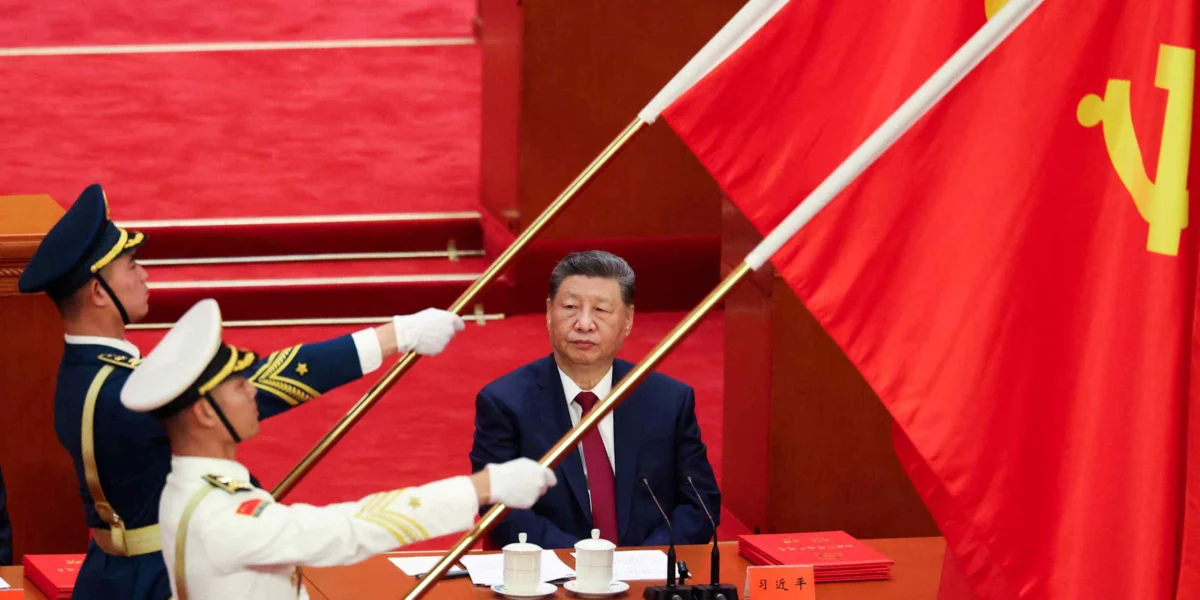
Hundreds of the Chinese Communist Party’s (CCP) highest-ranking officials are convening for the Fifth Plenum of the 20th Central Committee, a pivotal meeting scheduled from October 26th to 29th. This closed-door session in Beijing is widely anticipated to center on reinforcing party discipline, advancing anti-corruption initiatives, and further solidifying the authority of General Secretary and President Xi Jinping. The plenum serves as a critical platform for Xi to assert his leadership and set the ideological and political direction for the party, especially as the nation approaches significant leadership transitions expected in the coming year.
The Fifth Plenum, a regular fixture in China’s political calendar, typically addresses major policy directives and ideological frameworks. Historically, these plenums have laid the groundwork for significant policy shifts and have been instrumental in shaping the CCP’s long-term strategic objectives. The current meeting takes place against a backdrop of evolving domestic and international challenges, including economic headwinds, geopolitical tensions, and the ongoing global efforts to reshape supply chains.
Consolidating Power and Ideological Direction
The primary focus on party governance and anti-corruption is seen as a strategic move to enhance the CCP’s legitimacy and internal cohesion. Xi Jinping has made combating corruption a cornerstone of his presidency, launching a sweeping anti-graft campaign that has ensnared numerous officials, including some at the highest echelons of power. This campaign has not only served to root out corruption but has also been interpreted as a mechanism for eliminating political rivals and consolidating Xi’s control over the party apparatus.
The plenum is expected to endorse resolutions that will likely reaffirm Xi Jinping’s political thought and his vision for China’s development. This ideological reinforcement is crucial for ensuring the party’s unwavering adherence to the leadership’s directives and for preparing the ground for any future personnel adjustments or policy initiatives. The emphasis on "party governance" suggests a renewed push for ideological purity, discipline, and loyalty within the CCP’s ranks, ensuring that all members are aligned with the central leadership’s agenda.
Background and Significance of the Fifth Plenum
The Fifth Plenum is the fifth in a series of Central Committee meetings held during a five-year Party Congress cycle. These meetings are critical for translating the broad strategies outlined at the Party Congress into more concrete plans and directives. The Central Committee, comprising around 200 full members and 170 alternate members, represents the CCP’s elite leadership body, tasked with making key decisions between Party Congresses.
Historically, Fifth Plenums have been significant for setting economic policy directions. For instance, the Third Plenum typically focuses on economic reforms, while the Fifth Plenum often delves into other critical areas, such as national defense, ideological matters, or, as in this case, party building and governance. The current plenum’s emphasis on internal party affairs underscores the leadership’s priority in strengthening the CCP’s foundational structures and its capacity to govern effectively in a complex global environment.
Key Agendas and Potential Outcomes
While the specific agenda items are not publicly disclosed in advance, analysts widely predict that the plenum will address several key areas:
- Strengthening Party Discipline: This is likely to involve measures to enhance the ideological and political discipline of party members, ensuring adherence to the CCP’s core principles and the directives of the central leadership. This could include new regulations or initiatives aimed at reinforcing loyalty and preventing dissent.
- Deepening Anti-Corruption Efforts: The plenum is expected to signal a continuation and potentially an intensification of the anti-corruption campaign. This could involve reviewing the progress of existing initiatives and outlining future strategies to maintain vigilance against corruption at all levels of the party and government.
- Ideological Reinforcement: Xi Jinping’s political thought, "Xi Jinping Thought on Socialism with Chinese Characteristics for a New Era," is likely to be further enshrined and promoted. This reinforces his ideological dominance and provides the theoretical underpinning for the party’s current and future policies.
- Economic and Social Development Directives: While not the primary focus, the plenum will also likely touch upon economic and social development plans, ensuring alignment with the overarching political and ideological goals. This could involve adjustments to current five-year plans or the articulation of new priorities in areas such as technological self-reliance, common prosperity, and environmental protection.
- Personnel Considerations: Though not explicitly stated, plenums often serve as a platform for discussing and endorsing significant personnel changes within the party and government. As leadership transitions loom, this plenum might offer insights into potential future appointments or the consolidation of existing leadership roles.
Xi Jinping’s Strengthened Position
The focus on party governance and anti-corruption is directly linked to strengthening Xi Jinping’s position. By emphasizing discipline and rooting out corruption, he projects an image of a strong and decisive leader committed to purifying the party and enhancing its effectiveness. This narrative resonates with a significant segment of the Chinese population and reinforces his status as the paramount leader.
The plenum provides Xi with an opportunity to showcase party unity and collective endorsement of his leadership. The resolutions passed are typically framed as decisions of the entire Central Committee, thereby lending broad legitimacy to his initiatives. This is particularly important as he seeks to solidify his legacy and potentially pave the way for continued leadership beyond the traditional term limits.
Broader Context: Global and Domestic Challenges
The Fifth Plenum convenes at a time when China is navigating a complex global landscape. The ongoing trade tensions with the United States, the recalibration of global supply chains, and geopolitical uncertainties in various regions all present significant challenges. Domestically, the CCP faces the task of sustaining economic growth, addressing social inequalities, and managing public sentiment.
The emphasis on party governance can be seen as an attempt to ensure internal stability and control amidst these external pressures. A disciplined and unified party is considered essential for effectively responding to domestic and international crises and for maintaining the CCP’s grip on power.
Other Key Events in Asia This Week
Beyond China’s political landscape, Asia is a hub of significant economic and diplomatic activity this week:
- Jio Platforms IPO (India): Indian telecom giant Jio Platforms is making its much-anticipated market debut. The company’s listing is a significant event, marking the first public offering by a Reliance Industries group company in two decades. The initial public offering (IPO) was fully subscribed within two hours of its launch, indicating strong investor interest and Jio’s ambition to bolster its tech credentials. This listing is a testament to the resurgence of India’s primary market after a slower first half of the year.
- Vietnam Autumn Economic Forum (Ho Chi Minh City): Vietnam is hosting a four-day summit with the World Economic Forum, drawing political and business leaders from 19 countries. The forum focuses on critical issues such as technological advancement, supply chain resilience, and environmental sustainability. Prime Minister’s keynote address will highlight Vietnam’s strategic priorities and its engagement with global economic trends.
- Western Sydney International Airport Opens (Australia): The new Western Sydney International (Nancy-Bird Walton) Airport is commencing its first international passenger services. This development marks a significant milestone in Australia’s aviation infrastructure, aiming to alleviate pressure on Sydney’s existing airport and support regional growth.
- Bangladesh Prime Minister’s Visit to Japan: Prime Minister Tarique Rahman of Bangladesh is undertaking a visit to Japan, with discussions planned with Prime Minister Sanae Takaichi. This visit is crucial for Dhaka’s efforts to attract greater Japanese investment, following the recent signing of a bilateral economic partnership agreement which is nearing ratification in Japan.
- ASEAN Defense Ministers Meeting (Cebu, Philippines): Defense ministers from the Association of Southeast Asian Nations (ASEAN) are gathering in Cebu for crucial security talks. Key agenda items include enhancing defense collaboration, protecting vital underwater infrastructure, and addressing the escalating tensions in the South China Sea.
- Bank of Japan Monetary Policy Meeting (Japan): The Bank of Japan is widely expected to maintain its current interest rates following its two-day policy meeting. Market participants will closely scrutinize Governor Kazuo Ueda’s commentary for any indications regarding the potential for a December rate hike and the broader trajectory of monetary tightening.
- Foxconn Tech Day (Taiwan): Foxconn, a major global electronics manufacturer, is holding its annual Tech Day, spotlighting its advancements in artificial intelligence, automotive technology, and robotics. Under the theme "Accelerating Imagination," the event will feature prominent figures from leading technology companies, underscoring Foxconn’s strategic shift towards becoming an AI-driven technology platform.
- Bangsamoro Parliament Convenes (Philippines): Following historic regional elections in September, the Bangsamoro Parliament is set to hold its inaugural session and elect its first chief minister. This marks a significant step towards establishing lasting peace and economic stability in the Bangsamoro Autonomous Region in Muslim Mindanao (BARMM), a region historically affected by protracted conflict.
These diverse events across Asia highlight the region’s dynamic economic, political, and security landscape. While China’s Fifth Plenum commands significant attention for its implications on global governance and power dynamics, the other developments underscore the interconnectedness of regional economies and the ongoing efforts to address contemporary challenges through diplomacy, innovation, and strategic planning. The convergence of these events provides a comprehensive snapshot of Asia’s multifaceted engagement with the world in the latter part of 2026.