Lina Wu
Humiliating loss forces rethink of Blackstone’s investment process

STEPHEN SCHWARZMAN
October 19, 2026 07:00 JST

More than 40 years have passed since I founded Blackstone in 1985. Of all that has happened since, three episodes have remained with me. In a sense, they are my life itself. The first was the early struggle for survival. The second, which this essay will detail, was the profoundly humbling experience of our disastrous 1989 acquisition of Edgcomb. The third was the extraordinary journey that followed, leading to the creation of a global firm.
The Edgcomb Debacle: A Defining Moment
The acquisition of Edgcomb Steel Company in 1989 stands as a stark and indelible lesson in the annals of Blackstone’s history. This pivotal, albeit painful, event served as a crucial inflection point, compelling a fundamental re-evaluation of our investment strategies, due diligence processes, and the very ethos of how we approached significant acquisitions. The humiliation of this loss was not merely a financial setback; it was a profound challenge to our burgeoning reputation and a stark reminder of the unforgiving nature of the private equity landscape.

At the time, Blackstone was a relatively young firm, having been established just four years prior. The Edgcomb acquisition was intended to be a flagship deal, a demonstration of our growing prowess in identifying and executing complex transactions. However, what unfolded was a cautionary tale of overconfidence, insufficient scrutiny, and the perils of misjudging market dynamics and the intrinsic value of a target company.
Background and the Allure of Edgcomb
Edgcomb Steel Company, a metal distribution and processing firm, represented a seemingly attractive opportunity. In the late 1980s, the industrial sector was undergoing significant restructuring, and companies like Edgcomb, with established operations and a perceived stable customer base, appeared ripe for private equity intervention. The prevailing sentiment was that with tighter operational controls and strategic financial management, such businesses could yield substantial returns.

Blackstone, under my leadership, was eager to prove its mettle in larger-scale buyouts. The Edgcomb deal was envisioned as a significant step in this direction. The firm’s partners at the time, including myself, believed that the company’s market position and potential for operational efficiencies presented a compelling investment thesis. The acquisition was finalized with considerable leverage, a common practice in private equity, aiming to amplify returns upon successful turnaround and eventual sale.
The Unraveling: A Cascade of Miscalculations
The initial optimism surrounding the Edgcomb acquisition quickly began to dissipate. Almost immediately after the deal closed, a series of unforeseen challenges emerged, exposing critical flaws in our pre-acquisition analysis.

- Deteriorating Market Conditions: The industrial economy, which had appeared robust, began to falter. A general economic slowdown impacted demand for steel products, directly affecting Edgcomb’s sales volumes and profitability. This was a macroeconomic shift that our due diligence had, perhaps, underestimated in its potential severity.
- Operational Weaknesses Exposed: Upon taking control, it became apparent that Edgcomb’s operational inefficiencies were more deeply entrenched than initially assessed. Supply chain issues, outdated inventory management systems, and a less-than-agile workforce presented significant hurdles to implementing the envisioned cost-saving measures. The company’s existing infrastructure was not as readily adaptable to the rapid improvements we had anticipated.
- Customer Concentration Risks: Further investigation revealed a higher-than-anticipated concentration of revenue from a few key clients. When one or two of these major customers faced their own financial difficulties or shifted their procurement strategies, Edgcomb’s revenue streams were disproportionately impacted. This vulnerability had not been adequately weighted in our risk assessment.
- Competitive Pressures: The metal distribution market was more competitive than we had fully appreciated. New entrants and existing competitors were employing more aggressive pricing strategies and offering more flexible service models, further eroding Edgcomb’s market share and profitability.
These converging factors created a perfect storm. The leveraged nature of the acquisition meant that declining revenues and persistent operational costs placed immense pressure on the company’s ability to service its debt. The projected timeline for achieving a turnaround and exiting the investment at a profit began to stretch, then evaporate.
The Inevitable Outcome: A Painful Exit
By 1991, it became clear that the Edgcomb acquisition was unsalvageable. The financial losses were substantial, impacting Blackstone’s limited partners and, more significantly, our own internal capital. The firm was forced to divest its stake in Edgcomb, crystallizing a significant loss that was a bitter pill to swallow for a firm so early in its journey.

The precise financial figures of the loss are a matter of record within Blackstone’s archives, but the impact transcended mere numbers. It represented a humbling defeat, a public testament to an investment gone awry. This was a moment where the personal history of its founders and partners was inextricably linked to the professional fortunes of the firm.
The Aftermath: A Catalyst for Change
The Edgcomb failure was not merely an event to be endured; it was an opportunity to be learned from. The humiliation served as a powerful catalyst, prompting a rigorous and introspective examination of Blackstone’s investment philosophy and operational practices.

Re-engineering the Investment Process
The immediate aftermath of the Edgcomb debacle saw a significant overhaul of our due diligence framework. The firm committed to a more granular and exhaustive approach, demanding deeper dives into every aspect of a target company. This included:
- Enhanced Market Analysis: A more sophisticated understanding of industry cycles, competitive landscapes, and potential disruptions became paramount. Scenarios of economic downturns and intensified competition were integrated into our financial modeling with greater weight.
- Deeper Operational Scrutiny: We developed more robust methodologies for assessing operational efficiencies, supply chain management, and technological infrastructure. This involved bringing in specialized operational experts earlier in the process.
- Customer and Supplier Due Diligence: The importance of understanding customer concentration and supplier relationships was amplified. This meant not just reviewing contracts but engaging directly with key stakeholders to gauge the stability and health of these relationships.
- Stress Testing Financial Models: Our financial models began incorporating more aggressive stress tests, simulating a wider range of adverse economic and operational scenarios to understand the downside risk of any potential investment.
The Plaque as a Constant Reminder
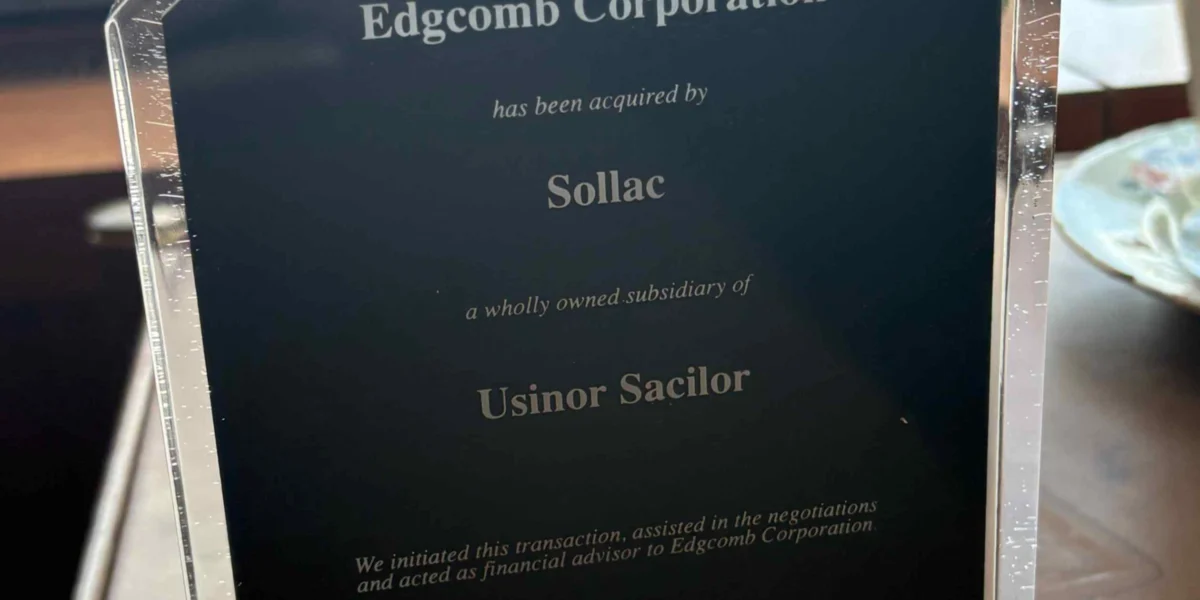
To ensure that the lessons of Edgcomb were never forgotten, a symbolic gesture was made: a plaque commemorating the acquisition was placed on my desk. This was not intended as a morbid reminder, but as a constant, tangible prompt to maintain a vigilant, humble, and rigorously analytical approach to every future investment. It served as a personal touchstone, a reminder that even with the best intentions and the most skilled teams, missteps are possible, and continuous learning is essential.

Building a Culture of Intellectual Honesty
Beyond procedural changes, the Edgcomb experience fostered a deeper commitment to intellectual honesty within Blackstone. It reinforced the understanding that admitting uncertainty, challenging assumptions, and fostering an environment where dissenting opinions are not only heard but encouraged is critical to avoiding future pitfalls. This cultural shift was as important as any structural change to our investment process.
The Long-Term Impact: A Foundation for Growth
The painful lessons learned from the Edgcomb acquisition proved to be foundational for Blackstone’s subsequent growth and success. While the immediate financial consequences were significant, the long-term strategic and cultural adaptations were invaluable.

The period following 1989 saw Blackstone become even more discerning in its deal-making. The firm’s reputation for thoroughness and its ability to navigate complex situations grew, attracting more sophisticated investors and generating more compelling opportunities. The commitment to understanding the intrinsic value of businesses, coupled with a pragmatic approach to operational improvement and risk management, became hallmarks of the Blackstone brand.
This period of intense learning and recalibration ultimately positioned Blackstone to undertake increasingly ambitious and successful transactions across a broader spectrum of industries and geographies. The scar of Edgcomb, though initially painful, ultimately served to forge a more resilient, rigorous, and ultimately more successful firm. It was a testament to the principle that true growth often emerges not from uninterrupted success, but from the profound lessons learned from significant setbacks. The plaque on my desk remained a silent, yet powerful, witness to this transformative chapter in Blackstone’s history.