Farhan Pambudi
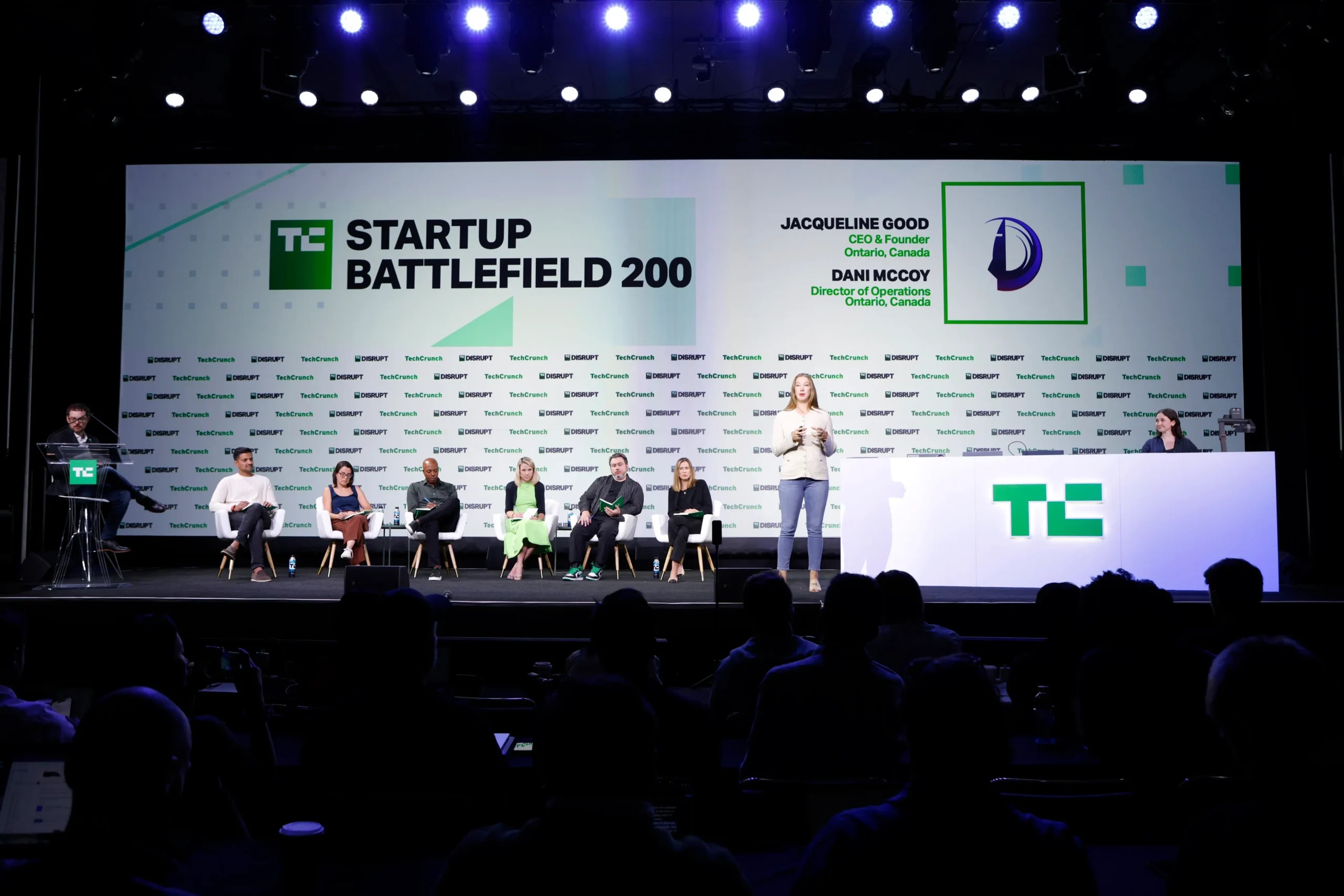
The global technology sector is preparing to descend upon San Francisco as TechCrunch Disrupt 2026 approaches its opening day on October 13. Hosted at Moscone West, the three-day summit is expected to draw more than 10,000 founders, investors, and operators to discuss the shifting paradigms of artificial intelligence, venture capital, and the modernization of legacy industries. As the event marks its return to the heart of the Bay Area, the 2026 iteration arrives at a critical juncture for the tech economy, characterized by a transition from purely digital "bits" to the integration of AI within the "atoms" of the physical world.
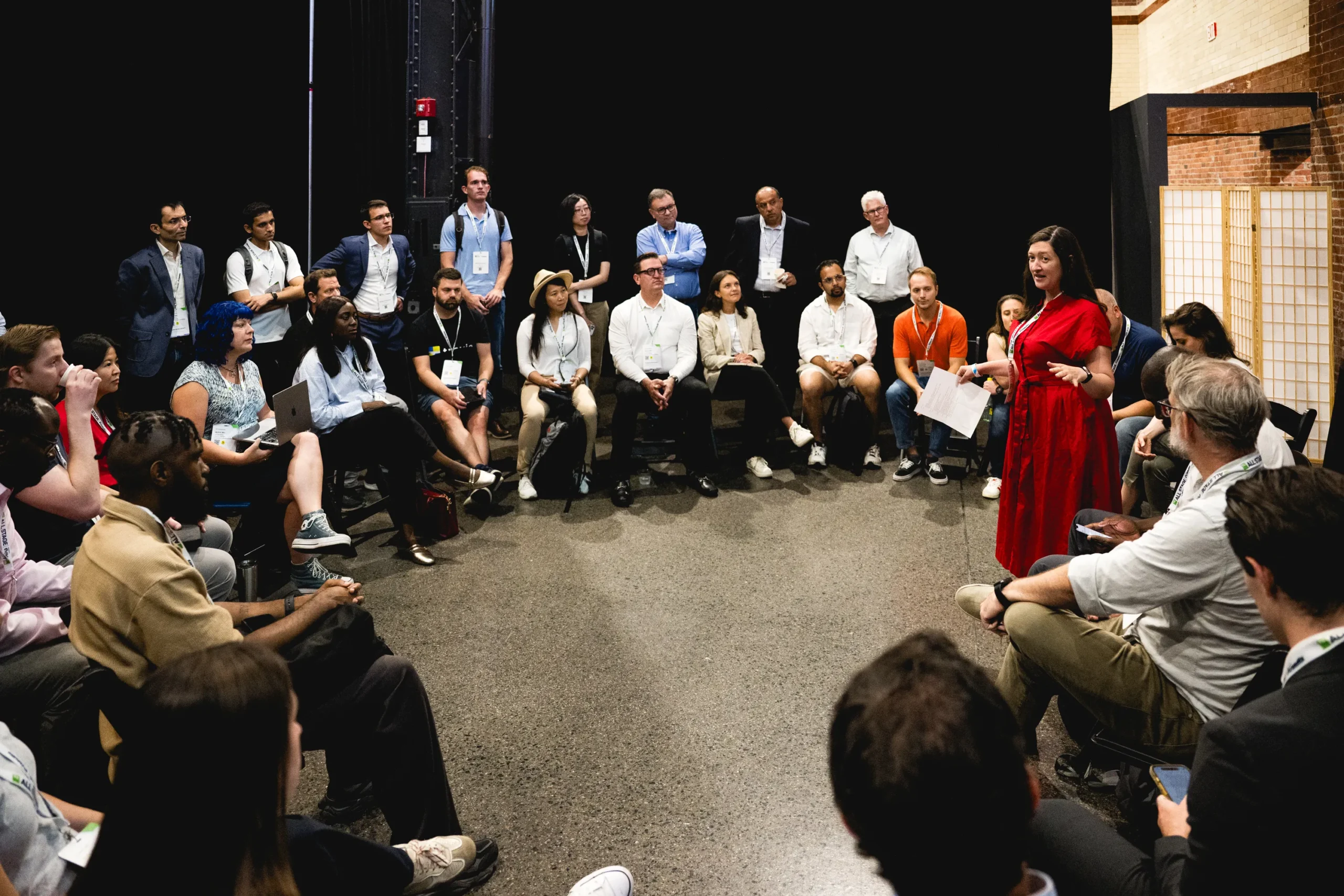
This year’s agenda is anchored by a series of interactive, deep-dive roundtables designed to move beyond traditional keynote formats. These sessions prioritize peer-to-peer engagement, allowing participants to challenge existing narratives on scaling, hiring, and the "arms race" for specialized data. With the event only seven days away, organizers have emphasized that the 2026 gathering will focus on practical execution rather than speculative hype, reflecting a broader industry trend toward profitability and verifiable return on investment (ROI).
The Shift from Digital Bits to Physical Atoms
A central theme of Disrupt 2026 is the emergence of "Physical AI," a sector that applies machine learning to robotics, autonomous systems, and infrastructure. Unlike the generative AI wave of 2023-2024, which focused on text and image synthesis, the current frontier involves grounding AI in physics, chemistry, and biology.
Radha Basu, Founder and CEO of iMerit, is slated to lead a session titled "Arm Wrestling Your Data: The Physical AI Challenge." Basu’s focus remains on the immense difficulty of building data pipelines for robotics that can withstand the unpredictability of the real world. This sentiment is echoed by Jack Hidary, CEO of SandboxAQ, and Stacie Calad-Thomson of Nvidia, who will explore how AI is being utilized to revolutionize materials science and energy systems.
Industry analysts note that this shift represents a significant capital reallocation. While software-as-a-service (SaaS) dominated the previous decade, investors are increasingly gravitating toward "Hard Tech." Jackson Feder, VP of Investment at MetaProp, and Logan Farrell, CTO of Rugged Robotics, will lead discussions on why building for the physical world—such as construction and infrastructure—requires a fundamentally different operational playbook than traditional software development.
The Crisis of Enterprise Software and the Rise of Agentic Systems
The enterprise software landscape is currently undergoing a period of intense fragmentation. Rajeev Singh, CEO of Smartsheet, argues that AI is not merely an "add-on" to SaaS but a force exposing the inefficiencies of traditional enterprise workflows. His roundtable, "Is SaaS Dead?", addresses the growing demand for orchestration and intelligence across workflows rather than isolated software silos.
This transformation is further evidenced by the rise of "Agentic AI"—systems capable of completing entire workflows autonomously rather than just assisting human users. Ankita Mehta of Databricks and Naren Krishna of Balerion will examine the "pilot-to-production" gap, where many enterprise AI projects stall due to trust and reliability issues. The consensus among early-stage leaders is that Fortune 500 companies are seeking "intelligent agent layers" that can integrate with existing systems of record without requiring a total overhaul of their digital infrastructure.

Navigating the Capital-Intensive Frontier of 2026
The financial climate of late 2026 presents a paradox: record amounts of capital are flowing into frontier AI labs, yet early-stage founders face a more disciplined and demanding fundraising environment. Harrison Rolfes, a senior research analyst at PitchBook, will lead a session addressing the "$100 Billion Entry Fee," questioning whether startups can still compete in a market where capital concentration is heavily skewed toward a few dominant players.
To counter this, investors like Aditi Maliwal of Upfront Ventures and Alex Li of MVP Ventures are emphasizing "IPO readiness" from the earliest stages. Eléonore Crespo, co-CEO of Pigment, and Sofia Fatakhova, SVP at Chime, will discuss the new playbook for finance teams, which involves using AI to automate the rigorous documentation and financial discipline required for public market debuts.
Furthermore, the debate over "overfunding" has gained traction. Neil Sequeira, founder of Defy.vc, will lead a discussion on the risks of excessive dilution and how founders can "do more with less" in an AI-first world. This reflects a growing sentiment among VCs that while AI requires significant compute capital, the most successful companies will be those that prioritize capital efficiency and sustainable unit economics.
Regional Innovation and the Rise of Hard Tech Hubs
While San Francisco remains the "startup epicenter," Disrupt 2026 will highlight the growth of alternative regional ecosystems. A featured session sponsored by the New York Stock Exchange will explore the rise of "Gundo"—the El Segundo area in Southern California—as a magnet for space, defense, and hard tech startups. Kevin Hawkins of the NYSE and Drew Boyles, an El Segundo City Councilmember, will discuss how localized policy and infrastructure can foster environments where capital-intensive hardware companies can thrive.
Simultaneously, the UC Berkeley Sutardja Center for Entrepreneurship and Technology (SCET) will showcase the continued influence of academic-led ecosystems. The "Berkeley Connect" session will feature founders like Maryanne Alhallak and Anthea Guo of Lumeria, illustrating how the integration of research and commercialization continues to feed the Silicon Valley pipeline.
The Science of the Pivot: Specialized Data and Discovery
As general-purpose Large Language Models (LLMs) reach a point of diminishing returns, the industry is pivoting toward "Specialty Post-Training Data." Dani London of Base10 Partners will lead a roundtable on why specialized datasets are becoming the ultimate differentiator for AI startups. This is particularly relevant in the scientific community, where Piotr Byrski of Molecule.one will explore how AI-driven autonomous experimentation can accelerate the pace of breakthrough scientific discoveries.
This shift toward specialization is also affecting the workforce. Kevin Bai of Anthropic will introduce the concept of the "Forward-Deployed Engineer" (FDE), a role that blends software engineering with product consulting to ensure that complex AI systems are properly integrated into enterprise environments.

Chronology of the Event and Logistics
The three-day event is structured to maximize networking and actionable insights.
- Day One (October 13): Focuses on the "State of the Union" for AI and the transition to physical systems.
- Day Two (October 14): Concentrates on enterprise transformation, cybersecurity, and the "Brutal Truth" of leadership, featuring lessons from former CISOs like Stephen Ward.
- Day Three (October 15): Shifts toward the "Exit Strategy," focusing on IPO readiness, wealth management for founders, and the long-term impact of the current innovation cycle.
Registration remains open, with TechCrunch offering a $100 discount on passes and a 50% discount on a second ticket for co-founders or colleagues. This tiered pricing strategy is intended to encourage collaborative attendance, reflecting the event’s focus on building durable professional connections.
Broader Impact and Industry Implications
The discussions at TechCrunch Disrupt 2026 are expected to set the tone for the 2027 fiscal year. The transition from "Chatbots" to "Agentic Systems" and from "Digital Services" to "Physical Infrastructure" signals a maturing of the AI market. James Joaquin of Obvious Ventures, who has built through multiple technology cycles including the dawn of the internet, suggests that the current era is fundamentally different because innovation is moving faster than conventional planning cycles.
For founders, the takeaway from the Disrupt 2026 agenda is clear: the era of "growth at all costs" has been replaced by a focus on "defensibility" and "workflow integration." Whether it is through the use of open-weight models to maintain control over costs, as discussed by Mercedes Bent and Vanessa Larco of Premise, or the science of "Powerful Introductions" to stand out in an AI-saturated world, the 2026 summit serves as a roadmap for the next generation of tech leaders.
As San Francisco prepares for the arrival of these 10,000 attendees, the city once again reinforces its status as the world’s premier forum for technological debate. The outcomes of the roundtables at Moscone West will likely influence everything from venture capital allocation to federal policy on AI and robotics for years to come. Participants are encouraged to bring their most pressing challenges to the table, as the goal of Disrupt 2026 is to transform the agenda from a one-way presentation into a multi-lateral conversation that shapes the future of the global economy.