Ena Muazin
The failure of diplomatic negotiations in Islamabad and the United States’ imposition of sanctions on Iranian shipping have introduced a significant element of caution into global financial markets. While these geopolitical developments have dampened overall market sentiment, a specific biotechnology stock has seen a surge in investor interest.
The recent diplomatic breakdown in Islamabad, aimed at de-escalating tensions between the United States and Iran, has cast a pall over international relations and sent ripples through global financial markets. The talks, which concluded without a resolution, underscore the deep-seated disagreements on critical issues such as Iran’s nuclear program and maritime security in the Strait of Hormuz. Compounding this uncertainty, the U.S. has enacted measures to block Iranian shipping, a move that has further heightened anxieties among investors worldwide.
Diplomatic Stalemate in Islamabad
The protracted negotiations in Pakistan’s capital, Islamabad, were seen as a crucial opportunity to bridge the divide between the U.S. and Iran. Representatives from both nations engaged in discussions throughout the weekend, but by Sunday morning, it became evident that no tangible progress had been made. Sources close to the talks indicated that fundamental differences persisted, particularly concerning the future of Iran’s nuclear ambitions and the security of the strategically vital Strait of Hormuz. The lack of a breakthrough has amplified concerns about a potential escalation of conflict in the Middle East, a region already grappling with persistent instability.
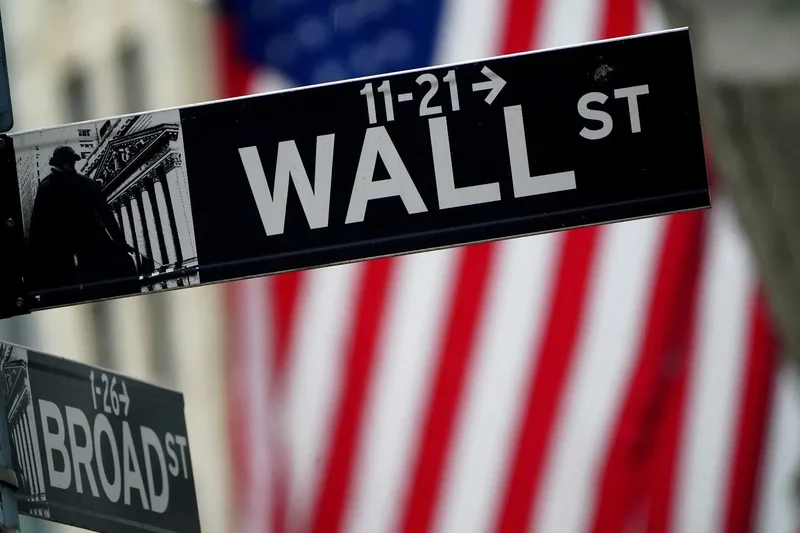
The implications of this diplomatic impasse are far-reaching. The failure to reach an accord not only prolongs the existing geopolitical friction but also creates a fertile ground for further economic uncertainty. For the international community, the inability to find common ground on these critical issues raises questions about the efficacy of multilateral diplomatic efforts in resolving complex international disputes.
U.S. Sanctions on Iranian Shipping: A New Layer of Concern
In response to the stalled negotiations and what is perceived as a lack of progress on key security concerns, the United States has initiated a stringent blockade of Iranian shipping. Effective from 4:00 PM Central European Time on Monday, this directive aims to cripple Iran’s maritime trade. The U.S. administration has framed this action as a necessary measure to curb what it describes as destabilizing activities by Iran in the region.
This move has immediately impacted the global oil market. Crude oil prices experienced a notable surge, with benchmarks temporarily breaching the $100 per barrel mark. This spike reflects the market’s anticipation of potential supply disruptions stemming from the shipping blockade. While prices later retreated below this threshold, they remained significantly higher than the previous day, indicating persistent market nervousness. Analysts attribute this volatility to the heightened risk of further escalation, including the possibility of retaliatory measures from Iran, such as missile strikes. Such actions, if they materialize, could trigger substantial market downturns.
Market Reactions and Investor Sentiment
The dual impact of failed diplomatic overtures and the imposition of U.S. sanctions has led to a general sense of reticence among investors in key financial centers, particularly in the United States. Initial market downturns were observed as the news of the failed negotiations and subsequent sanctions began to circulate. However, reports of U.S. President Donald Trump’s statement that Iran had initiated contact and expressed a strong desire for an agreement appeared to offer some solace, leading to a partial recovery in major indices.

Despite this temporary reprieve, the underlying sentiment remains cautious. The market is keenly watching for any further developments that could either de-escalate or intensify the current geopolitical situation. The price of oil, often considered a barometer of geopolitical stability, is expected to remain sensitive to any new information or actions taken by the involved parties. The oil price surge, even if temporary, highlights the delicate balance of supply and demand in the global energy market and its susceptibility to geopolitical events.
Background: A History of Tensions
The current situation is rooted in a long and complex history of U.S.-Iran relations. Tensions have been particularly acute since the U.S. withdrawal from the Joint Comprehensive Plan of Action (JCPOA), commonly known as the Iran nuclear deal, in 2018. This withdrawal, coupled with the reimposition of stringent sanctions, significantly impacted Iran’s economy and its international standing.

The JCPOA, negotiated in 2015, aimed to limit Iran’s nuclear program in exchange for sanctions relief. Its collapse has led to a resurgence of concerns about Iran’s potential to develop nuclear weapons, a development that is viewed with alarm by many global powers. The Strait of Hormuz, a narrow waterway connecting the Persian Gulf to the open sea, is a critical chokepoint for global oil supplies. Any disruption to shipping in this vital corridor has immediate and significant consequences for the world economy.
Chronology of Key Events
- Recent Weekend: Diplomatic negotiations between the U.S. and Iran conclude in Islamabad without an agreement. Key sticking points include Iran’s nuclear program and maritime security in the Strait of Hormuz.
- Monday (4:00 PM CET): U.S. President Donald Trump’s directive to block Iranian shipping comes into effect.
- Monday Trading Session: Oil prices surge, temporarily exceeding $100 per barrel, reflecting market concerns over potential supply disruptions.
- Following Hours: Reports emerge of Iran contacting the U.S. regarding a potential agreement, leading to a partial recovery in some stock market indices.
- Ongoing: Markets remain vigilant, awaiting further developments and assessing the broader implications of the geopolitical standoff.
Biotechnology Sector Sees Unexpected Interest
Amidst the broader market caution, a specific biotechnology company has emerged as a notable exception, attracting significant investor attention. While the exact reasons for this surge in demand are not detailed in the initial reports, such sector-specific interest often arises from positive clinical trial results, new drug approvals, or strategic partnerships within the pharmaceutical and life sciences industries. In a market environment characterized by risk aversion, strong fundamentals or promising future prospects can still draw capital towards specific investment opportunities. This divergence in market behavior highlights that while broad geopolitical events influence overall sentiment, individual company-specific news can override these broader trends.

Analysis of Broader Implications
The current geopolitical landscape presents a multifaceted challenge for global economic stability. The U.S. sanctions on Iranian shipping, while intended to exert pressure, carry the risk of unintended consequences. A significant escalation of conflict could lead to substantial disruptions in oil supply, potentially triggering a global economic slowdown. The price volatility in the oil market is a clear indicator of this underlying risk.
Furthermore, the failure of diplomatic channels to resolve these critical issues raises concerns about the future of international cooperation on matters of global security. The interconnectedness of the global economy means that regional conflicts and trade disputes can quickly have far-reaching impacts, affecting everything from energy prices to supply chains and investor confidence.

The biotechnology sector’s independent surge, however, suggests that specific industry drivers can still create pockets of growth and opportunity, even in challenging macroeconomic environments. This selective investor behavior underscores the importance of thorough due diligence and a nuanced understanding of sector-specific trends alongside broader geopolitical and economic factors.
As the situation evolves, market participants will be closely monitoring any statements or actions from the U.S. and Iranian governments, as well as the responses of other key international players. The trajectory of oil prices and the overall market sentiment will likely be heavily influenced by the de-escalation or escalation of this critical geopolitical standoff.