Ena Muazin
The imposition of a US blockade on Iranian shipping has initially been met with a reserved response from investors, particularly in the United States. However, the prospect of further negotiations offers a glimmer of hope, potentially offsetting the early morning losses experienced in financial markets. This development follows the breakdown of talks in Islamabad, Pakistan, leaving the path to lasting peace in the Middle East appearing increasingly distant.
Escalating Tensions and Market Volatility
The United States, under President Donald Trump’s directive, has initiated a military blockade of shipping traffic connected to Iran, commencing at 4:00 PM German time. This decisive action has introduced a significant new variable into the already complex geopolitical landscape of the Middle East, raising concerns about a potential escalation of the Iran conflict.
The immediate market reaction has been palpable, with the price of oil experiencing a notable surge, briefly exceeding $100 per barrel on Monday. While the price later receded below this psychological threshold, it maintained a significant increase of 3.2% compared to the previous day. This upward trend in oil prices directly reflects the market’s apprehension regarding potential disruptions to global energy supplies. The Strait of Hormuz, a critical chokepoint for a significant portion of the world’s oil, is a key area of concern in this unfolding situation.
Background to the Blockade: Failed Diplomatic Efforts
The US blockade follows the unsuccessful conclusion of negotiations between the United States and Iran in the Pakistani capital, Islamabad. The talks, aimed at resolving long-standing disputes, particularly concerning Iran’s nuclear program and the strategic Strait of Hormuz, concluded on Sunday morning without any tangible progress. This diplomatic impasse has amplified anxieties about regional stability and the potential for further military confrontations.
Sources close to the negotiations, though not officially confirmed, indicated that significant divergences remained on key issues. The Iranian side reportedly sought assurances regarding the lifting of sanctions, while the US delegation emphasized strict adherence to international agreements and verifiable limitations on Iran’s nuclear enrichment activities. The failure to bridge these gaps has created a vacuum that the US has now chosen to fill with a more forceful approach.
Timeline of Events:
- Sunday Morning: Negotiations between the United States and Iran in Islamabad conclude without a resolution on critical issues such as the nuclear program and the Strait of Hormuz.
- Sunday Afternoon (4:00 PM CET): President Trump’s directive for a military blockade of Iranian shipping traffic comes into effect.
- Monday Morning: Global oil prices experience a sharp increase, briefly surpassing $100 per barrel due to concerns over potential supply disruptions.
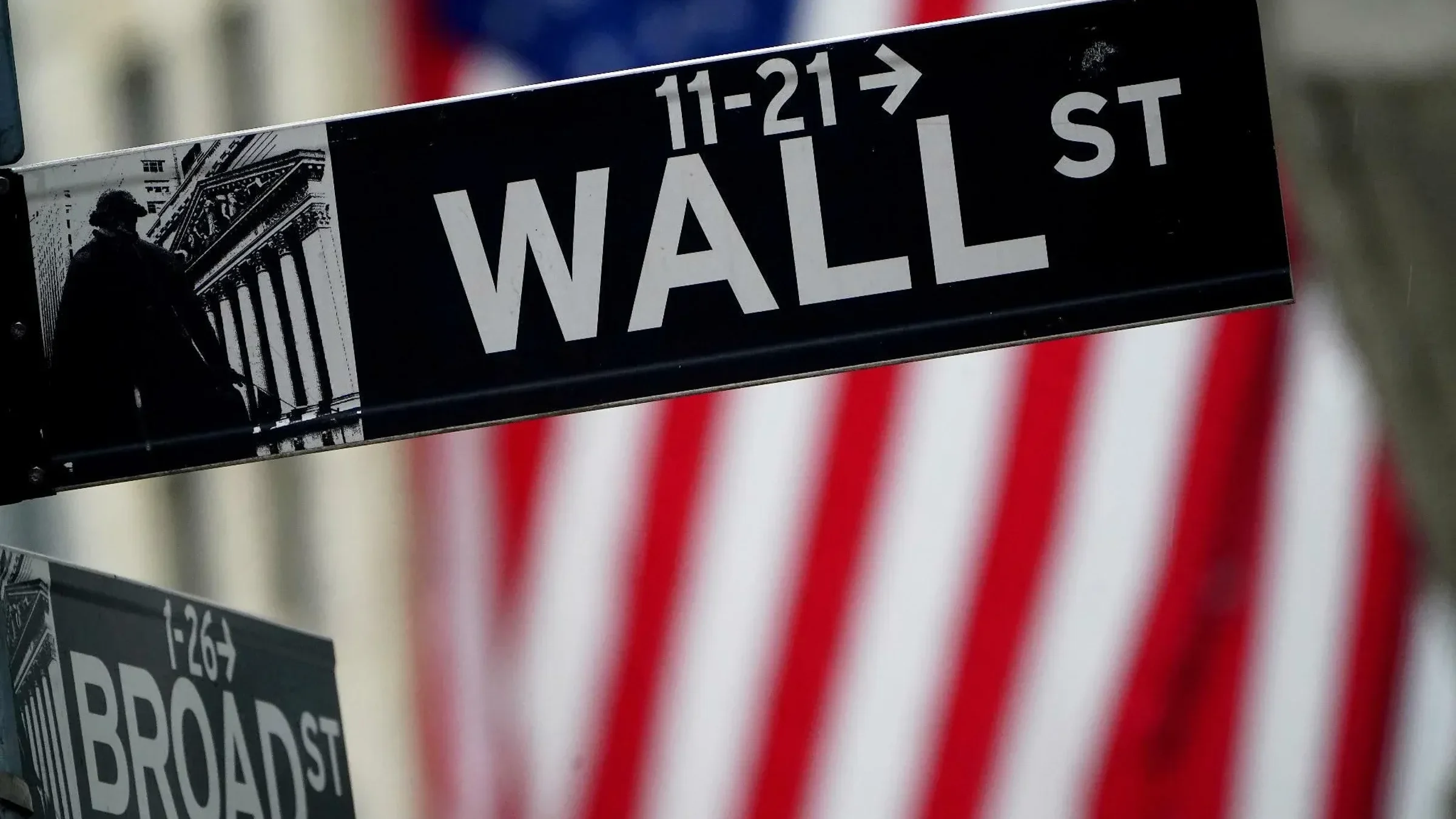
- Monday Trading Session: Financial markets react with initial caution, with some indices experiencing early losses. However, reports of Iran initiating contact for further negotiations begin to temper these declines.
Market Analysis: Oil Prices and Investor Sentiment
The surge in oil prices is a direct consequence of the increased geopolitical risk associated with the blockade. Disruptions to shipping in a region vital for oil transportation can lead to immediate price hikes as markets factor in potential supply shortages. The price exceeding $100 per barrel signifies a level of market concern that could trigger broader economic impacts if sustained.
However, the market’s subsequent recovery, albeit partial, can be attributed to President Trump’s statement that Iran had initiated contact, expressing a strong desire for an agreement. This suggests a potential opening for de-escalation and further diplomatic engagement, which would be viewed favorably by investors. The delicate balance between military action and diplomatic overtures is currently defining market sentiment.

Broader Implications and Potential Future Scenarios
The blockade represents a significant escalation in the ongoing tensions between the US and Iran. The economic implications extend beyond the oil market, potentially affecting global trade routes, insurance costs for shipping, and the overall stability of economies reliant on Middle Eastern energy supplies.
Analysts are closely monitoring Iran’s response to the blockade. Should Iran opt for retaliatory measures, such as missile attacks on the blockading forces or other strategic targets, the situation could rapidly devolve into a wider regional conflict. Such an event would almost certainly lead to substantial and sustained market downturns, with far-reaching global economic consequences. The "shockwaves" that the market feared are contingent on Iran’s reaction.

Conversely, if Iran chooses to engage constructively in renewed diplomatic efforts, the current market volatility could subside. The willingness of both sides to return to the negotiating table, as suggested by reports of Iran’s outreach, is a critical factor in determining the future trajectory of this crisis.
Official Statements and Reactions (Inferred):
While direct official statements from Iran regarding the blockade’s impact on their shipping are not yet widely reported, it is reasonable to infer that the measure would be viewed as a severe provocation. Iran has historically responded assertively to perceived threats to its sovereignty and economic interests. Their engagement in seeking further negotiations, however, suggests a pragmatic approach aimed at averting a full-blown conflict while potentially seeking concessions.

From the US side, the blockade is likely framed as a necessary measure to curb Iran’s destabilizing activities and enforce international norms. President Trump’s public statements often emphasize a transactional approach to foreign policy, suggesting that continued engagement would depend on Iran’s willingness to negotiate a comprehensive agreement that addresses US concerns.
The involvement of Pakistan as a venue for the failed negotiations underscores the regional dimension of this crisis. Pakistan, sharing a border with Iran, has a vested interest in stability in the region. Its role as a mediator, though unsuccessful thus far, highlights the international community’s efforts to de-escalate the situation.
Data and Economic Context:

The Strait of Hormuz is a critical maritime artery, with an estimated 20-30% of global oil shipments passing through it annually. Any significant disruption to this traffic can have immediate and substantial impacts on global energy prices and supply chains. The average daily volume of oil traded globally is in the tens of millions of barrels, making even minor supply interruptions a significant concern for market stability.
Iran’s oil exports, though impacted by existing sanctions, remain a crucial component of its economy. The imposition of a blockade would further cripple its ability to generate revenue, potentially leading to increased domestic pressure and a more aggressive foreign policy stance.
Conclusion:

The US blockade of Iranian shipping represents a critical juncture in a volatile geopolitical standoff. While initial market reactions have been cautious, the prospect of renewed diplomatic engagement offers a potential pathway to de-escalation. The coming days and weeks will be crucial in determining whether diplomacy can prevail over military action, thereby averting a broader regional conflict and stabilizing global markets. The international community will be watching closely to see how both Washington and Tehran navigate this precarious situation.