Ena Muazin
Investors are navigating a complex and often opaque market landscape, with recent fluctuations in the German Dax index offering a mixed signal. While a temporary cessation of hostilities in Ukraine sparked a notable rally, suggesting a speculative bet on peace, a comprehensive analysis of investor sentiment reveals a more nuanced picture. The latest Handelsblatt Dax Sentiment survey indicates that while extreme pessimism has receded, a profound sense of confusion and caution persists among private investors. This shift, while not yet a full-fledged bullish sentiment, represents a significant development since the conflict’s outset, potentially signaling a turning point in market psychology.
The Mechanics of Dax Sentiment: A Weekly Pulse on Investor Mood
The Handelsblatt Dax Sentiment survey, conducted weekly from Friday morning to Saturday evening, polls over 10,000 private investors regarding their current market assessments. These responses are then meticulously analyzed by Stephan Heibel, CEO of the analysis firm AnimusX, who also incorporates additional market indicators to provide a comprehensive outlook. This regular barometer of investor mood is crucial for understanding the underlying currents influencing market movements, particularly in times of geopolitical and economic instability.
A Long Shadow of Pessimism: The Lingering Impact of Conflict
Since the commencement of the war in Ukraine, investor sentiment has been characterized by an enduring and deeply entrenched pessimism. The five-week average of the Dax Sentiment index underscores the prolonged period of despondency experienced by market participants. This sustained negativity has often preceded significant market downturns in the past, as a predominantly bearish outlook can lead to widespread selling pressure. Historically, such extreme negative sentiment has often served as a contrarian indicator, signaling that the market may be oversold and poised for a rebound as the most pessimistic investors have already exited their positions.
Historical Precedents: When Pessimism Breeds Opportunity
The historical performance of the Dax following periods of extreme negative sentiment offers a compelling narrative of market recovery. In numerous comparable instances, a deeply pessimistic investor base has preceded substantial gains in the German benchmark index. The logic underpinning this phenomenon lies in the principle that when a significant portion of investors have capitulated and sold their holdings, there are fewer participants left to drive prices further down. Consequently, any positive catalyst can trigger a significant upward revaluation. However, the market’s response to the Russian invasion of Ukraine in 2022 served as a notable exception, with the onset of an upward trend taking a considerably longer time to materialize, highlighting the unpredictable nature of geopolitical crises.

A Fleeting Ceasefire Sparks a Surge: The Impact of De-escalation Hopes
The recent two-week ceasefire agreement between warring parties in Ukraine, reached in the early hours of Wednesday, had a tangible and immediate impact on the Dax. The index recorded its most significant single-day gain in over four years, a testament to the market’s sensitivity to any signs of de-escalation. Although this surge was followed by subsequent setbacks, the German blue-chip index has managed to hold its ground, reaching its highest level in three weeks. This brief but potent rally underscores the market’s capacity for swift upward movement when hopes for peace and stability emerge, even if these hopes prove to be transient.
A Shift from Extreme Negativity: The Nuances of Current Investor Mood
While investor sentiment remains subdued, a crucial shift has occurred. For the first time since the outbreak of the war, the mood is no longer characterized by extreme negativity. The proportion of investors anticipating a downward market trend has halved. Consequently, the investor sentiment indicator has improved, rising from a reading of minus 4.2 points to minus 1.1 points. Readings above four in either direction are considered indicative of extreme sentiment. This movement suggests that while optimism is far from prevalent, the pervasive sense of impending doom has begun to dissipate, replaced by a more complex emotional landscape.
Uncertainty Lingers: A Measure of Disappointment and Hesitation
Parallel to the shift in overall sentiment, the level of uncertainty has also decreased, moving from minus 4.2 percent to minus 1.9 percent. However, this reduction does not yet signal a broader market stabilization. This indicator reflects how well expectations have been met in the preceding week. A higher level of unmet expectations translates to greater investor unease. The persistent uncertainty highlights the difficulty investors face in making informed decisions amidst the ongoing geopolitical fluidity.
Navigating the Fog of War: Expert Insights into Investor Psychology
Stephan Heibel acknowledges and validates the ongoing caution exhibited by investors. He points to the war in Ukraine as the dominant factor shaping market dynamics, with developments often driven by short-term events and the potential for significant reversals at any moment. "It is difficult to maintain a compass for right and wrong in this mixed situation," Heibel observes. He further elaborates on the current sentiment, stating, "I don’t know if I should describe the mood as ‘neutral.’ ‘Confused’ seems more fitting for the current situation here." This sentiment captures the intricate balance of hope, fear, and bewilderment that characterizes the investor mindset.
The Double-Edged Sword of Doubt: How Uncertainty Can Fuel Gains
Market participants largely agree that the momentum in equity markets remains inextricably linked to developments in the ongoing conflict. If the Dax Sentiment is viewed as a contrarian indicator, then persistent investor doubt could, paradoxically, serve as a foundation for rising stock prices. In such a scenario, Heibel estimates that "every marginal glimmer of hope could trigger a further rally." This perspective suggests that even small positive developments can have a disproportionately large impact on a market characterized by deep-seated caution and a lack of widespread conviction.

Medium-Term Outlook: A Cautiously Optimistic Horizon
Looking ahead to the medium term, the prevailing sentiment presents a mixed, albeit slightly positive, outlook. Approximately 40 percent of surveyed investors anticipate the Dax to trade sideways in the next three months. A significant 28 percent expect an upward trend, while 20 percent foresee downward pressure. This distribution indicates a departure from outright pessimism, with a growing segment of investors open to the possibility of market appreciation.
The Hesitation to Invest: Fear of Missing Out and Strategic Patience
Despite the slightly more optimistic medium-term outlook, the willingness to invest has seen a marginal decline, moving from 3.1 to 2.0 points. Following the substantial gains experienced on Wednesday, many investors appear to fear they may have missed the optimal buying opportunity. However, Heibel also posits that investors might be strategically waiting for further market dips to re-enter at more favorable prices. Similar patterns have been observed in the preceding two trading weeks, suggesting a tactical approach to portfolio adjustments rather than a wholesale abandonment of equity markets.
Broader Implications and Data Context
The ongoing geopolitical instability, particularly the war in Ukraine, has had a profound impact on global financial markets. This conflict has not only disrupted supply chains and energy markets but has also injected a significant element of uncertainty into investment decisions. The Dax, as a bellwether for the European economy, is particularly sensitive to these developments.
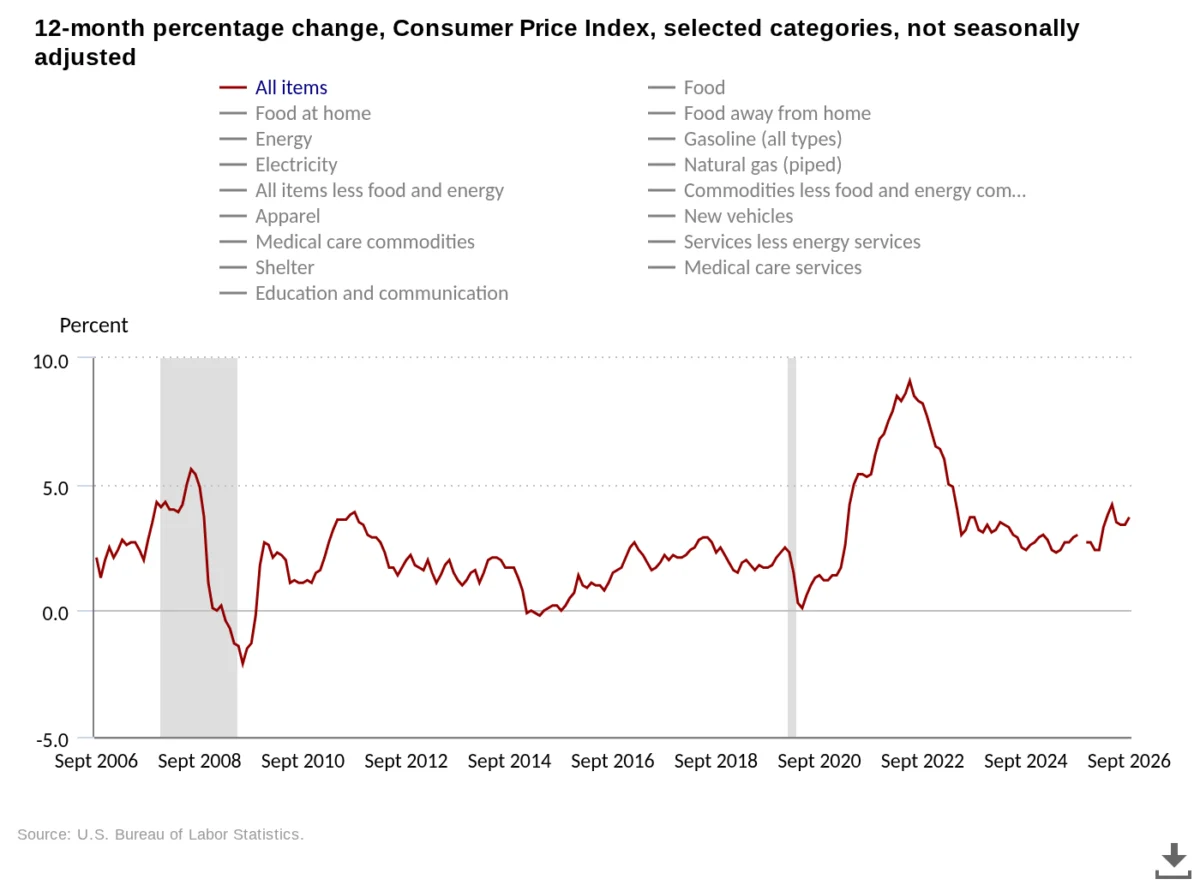
- Inflationary Pressures: The conflict has exacerbated existing inflationary pressures globally, leading central banks to implement aggressive monetary tightening policies. This has, in turn, increased the cost of borrowing and can dampen economic growth, impacting corporate earnings and stock valuations.
- Energy Security: Europe’s reliance on Russian energy has been a major point of concern, leading to volatile energy prices and a concerted effort to diversify energy sources. This transition involves significant investment and can create both opportunities and challenges for various sectors.
- Geopolitical Risk Premium: The war has introduced a persistent geopolitical risk premium into asset pricing. Investors are factoring in the potential for further escalation or unforeseen geopolitical events, leading to higher volatility and a greater demand for safe-haven assets.
The Handelsblatt Dax Sentiment survey provides a valuable granular insight into how these broader macroeconomic and geopolitical factors are translating into the psychology of individual investors. The shift from extreme negativity to a more "confused" state suggests a market that is no longer in a panic, but is also far from being in a state of confident expansion. This delicate balance means that market movements will likely continue to be driven by news flow and the evolving geopolitical landscape, with any positive developments potentially amplified by the current investor sentiment.
Conclusion: A Market in Transition
The current state of the Dax Sentiment reflects a market in transition. The deep pessimism that characterized the early stages of the conflict has begun to wane, replaced by a more complex mix of cautious optimism and lingering confusion. While a sustained rally is not yet assured, the reduction in extreme negativity and the historical precedent of sentiment-driven recoveries suggest that the German stock market may be laying the groundwork for a potential upward trend. However, the overarching influence of the war in Ukraine ensures that volatility will remain a defining characteristic, and investors will continue to scrutinize every development for signs of genuine de-escalation and economic stability. The coming weeks and months will be crucial in determining whether this nascent shift in sentiment can translate into a more robust and sustained market recovery.