Putri Inara
The global digital landscape has reached a point of unprecedented saturation, with current estimates suggesting that over 600 million blogs exist worldwide. As content production becomes increasingly automated through artificial intelligence and standardized SEO practices, the "personality gap" has emerged as a primary differentiator between high-growth digital assets and stagnant platforms. Industry analysts observe that while technical proficiency—such as well-structured posts and keyword optimization—remains a baseline requirement, the infusion of a distinct personal brand is the critical factor in driving reader retention and community engagement.
A comprehensive review of ten leading digital creators reveals a series of distinct methodologies for personalizing content. These strategies range from visual identity and linguistic tone to the psychological engineering of reader identification. By analyzing these case studies, a clear pattern emerges regarding how personal branding influences the commercial and social success of modern blogging.
The Evolution of Digital Personalization: A Brief Chronology
The trajectory of blogging has undergone three distinct phases over the last two decades. In the early 2000s, the "Journal Era" focused on raw, unpolished personal narratives. By 2010, the "SEO and Utility Era" saw a shift toward highly optimized, often clinical, "how-to" content designed primarily for search engine algorithms. Since 2020, the industry has entered the "Personal Brand Era," where the authority and relatability of the creator serve as the primary value proposition.
Data from the Content Marketing Institute indicates that 81% of consumers are more likely to trust a brand if they feel a personal connection to its leadership. In the context of blogging, this connection is fostered through specific design and editorial choices that humanize the digital interface.
Visual Storytelling and Authentic Imagery
Caz and Craig of YTravel have established a benchmark for personalization in the travel niche by moving away from generic stock photography in favor of candid family imagery. In travel media, where high-gloss, professional photography is the industry standard, the inclusion of "smiley, candid snapshots" serves to lower the barrier between the creator and the audience.
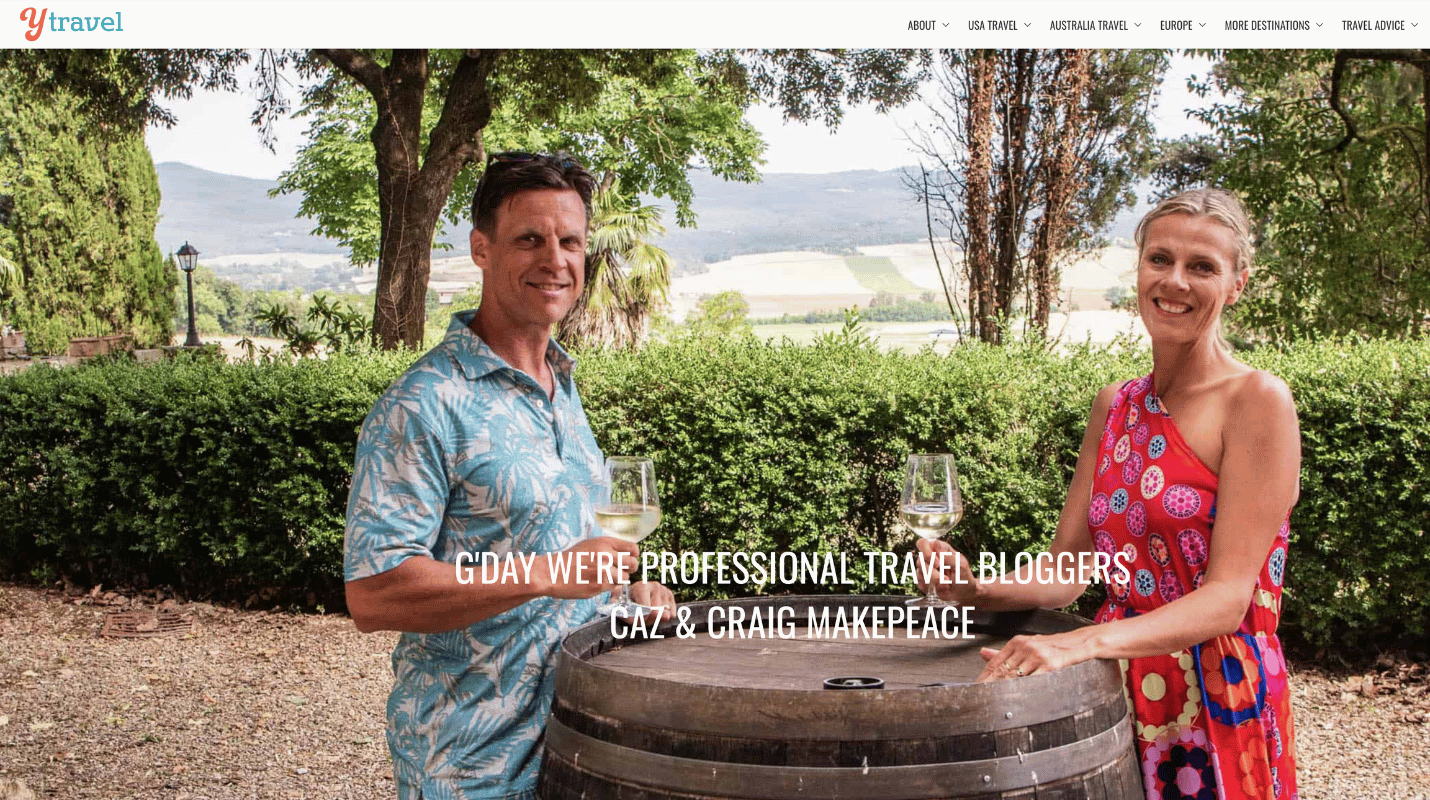
According to a study by BrightLocal, 60% of consumers are more likely to consider or contact a business that has an image show up in local search results, and this principle extends to blog engagement. For YTravel, the visual presence of the creators’ family functions as social proof, signaling that the travel advice is based on lived experience rather than curated press releases. This approach transforms a travel guide into a shared journey, fostering a deeper sense of loyalty among readers who identify with the family dynamic.
The Role of Transparency and Quirky Branding
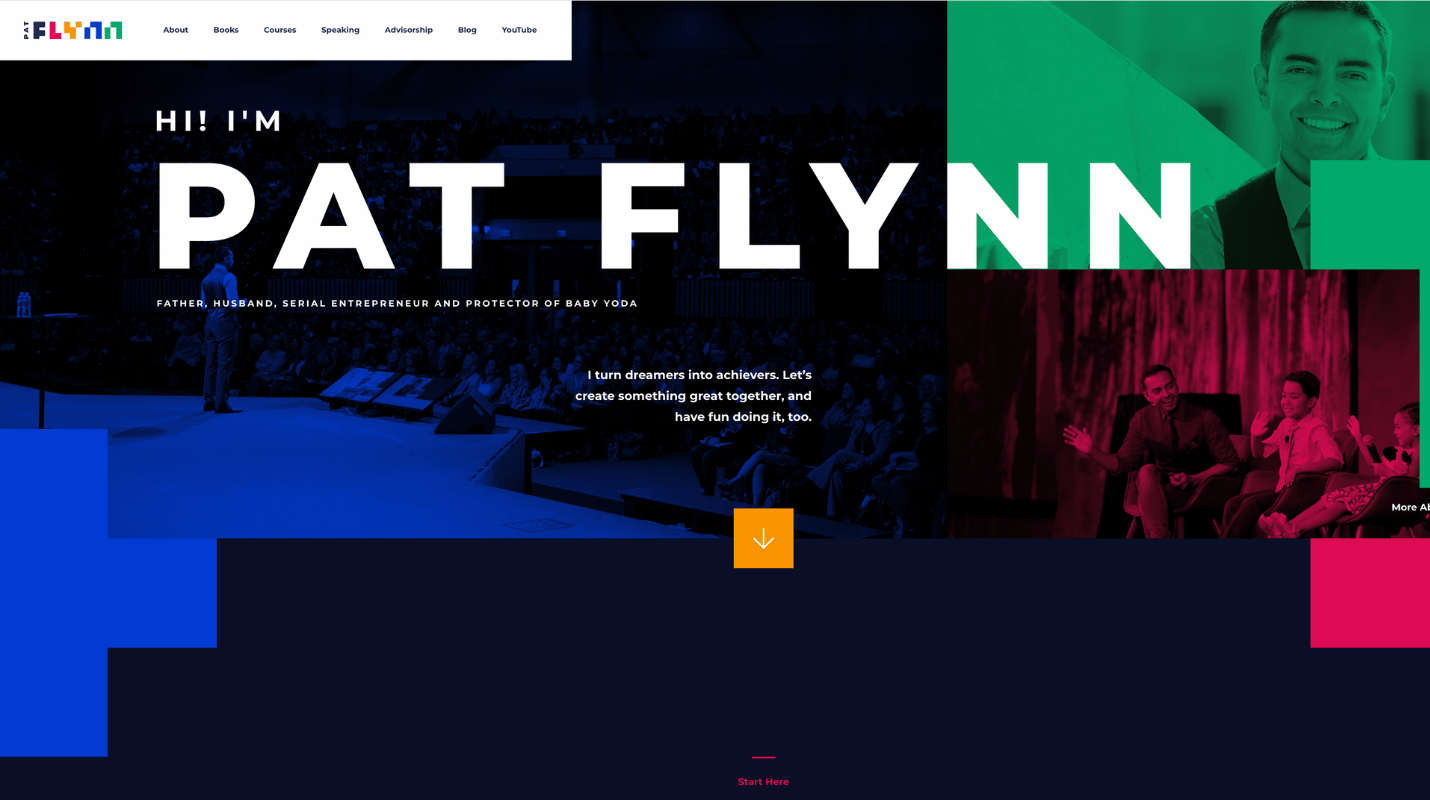
Pat Flynn of Smart Passive Income utilizes a multifaceted approach to personalization that combines professional authority with "quirky humor." Flynn’s branding includes specific descriptors such as "father, husband, serial entrepreneur" alongside more eccentric identifiers like "protector of baby yoda."
Marketing analysts categorize this as "Human-to-Human" (H2H) marketing. By acknowledging personal interests and family roles alongside business credentials, Flynn creates multiple "hooks" for different segments of his audience. This strategy is supported by data from Sprout Social, which found that 70% of consumers feel more connected to brands when the CEO or founder has a visible and relatable social presence. Flynn’s use of high-impact personal photos and a direct, conversational name-brand approach reduces the anonymity often associated with the financial and entrepreneurial sectors.
Linguistic Tone as a Market Filter
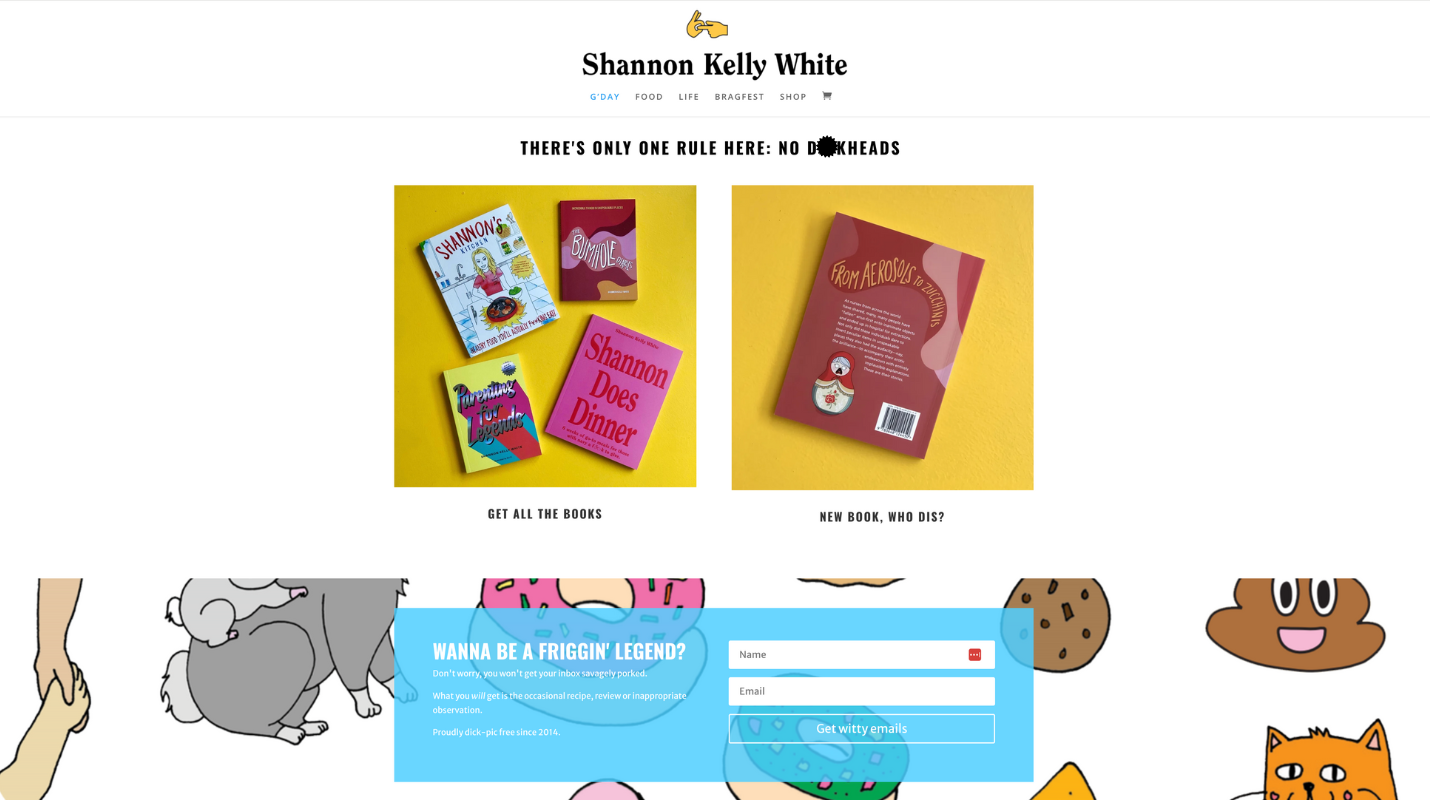
The strategy employed by Shannon Kelly White highlights the use of polarizing language as a tool for audience segmentation. White’s frequent and enthusiastic use of "salty language" serves as a deliberate filter. While such a tone may alienate a portion of the general public, it creates an intense bond with a specific target demographic that values raw, unfiltered communication.
This "attract and repel" marketing strategy is effective in building "echo chambers of loyalty." From a psychological perspective, the use of informal or transgressive language signals "in-group" status. For a blogger, this results in a community that is smaller but significantly more engaged and likely to convert into paying customers or brand advocates.
Brand Mascots and Custom Illustrations
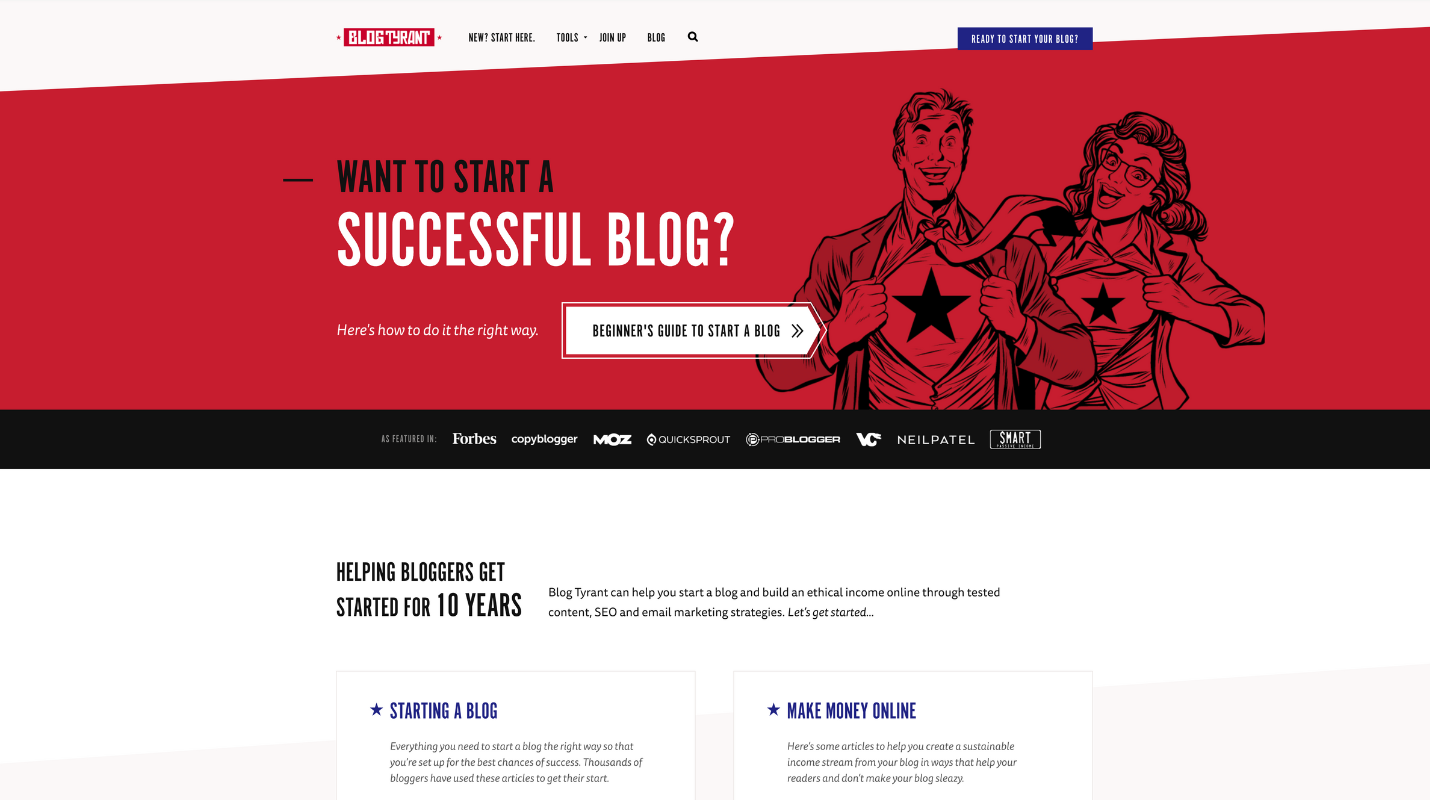
Ramsey of Blog Tyrant utilizes custom illustrations—specifically a red-shirted superhero avatar—to create a memorable visual anchor. Unlike a standard headshot, an illustration can be manipulated to fit various contexts while maintaining brand consistency.
Research into brand recall suggests that characters or mascots can increase brand recognition by up to 37% compared to logo-only branding. By featuring this avatar across banners, feature images, and lead magnets, Blog Tyrant creates a cohesive narrative world. This method is particularly effective for creators who wish to maintain a degree of personal privacy while still projecting a recognizable and personified brand identity.
The Strategic Importance of the ‘About’ Page
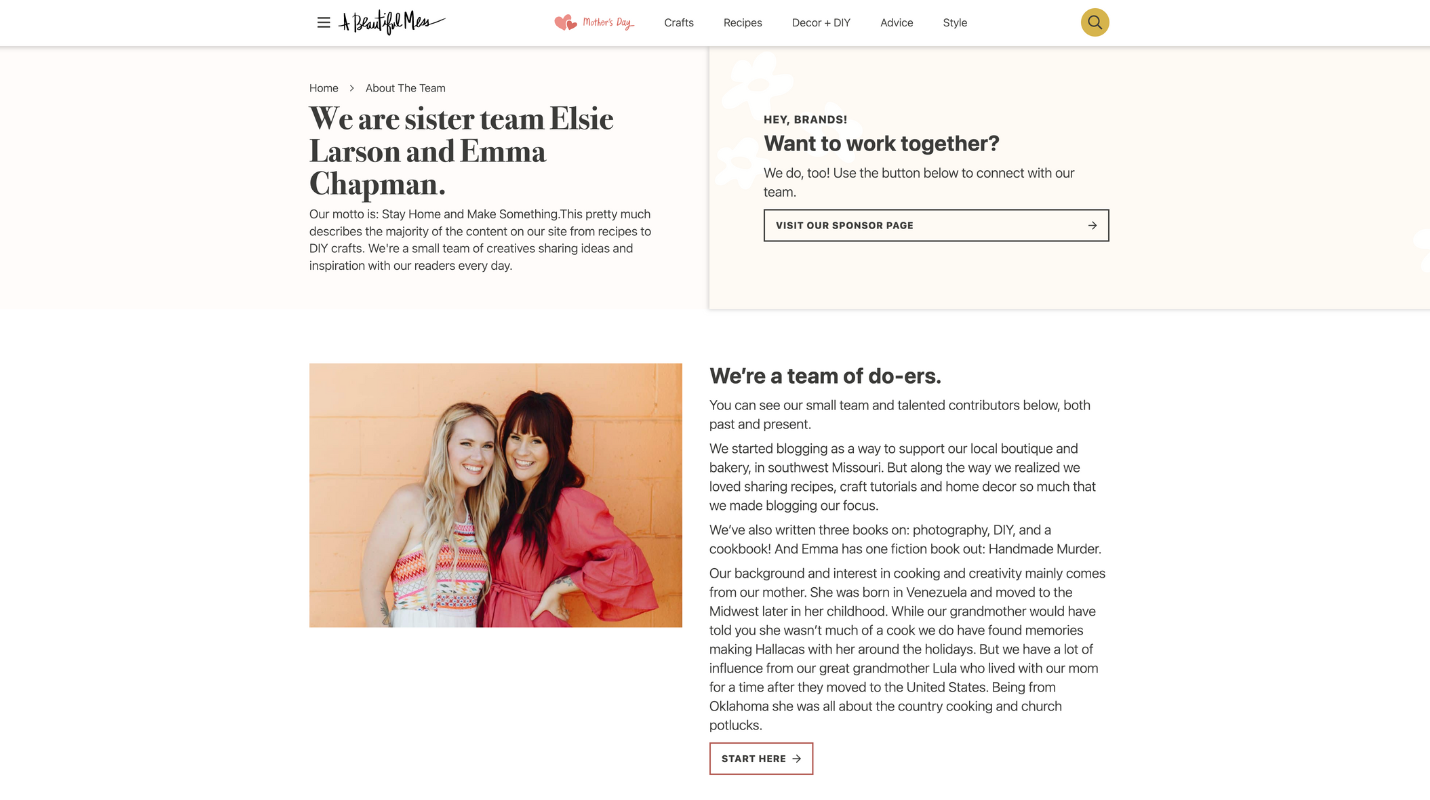
Elsie and Emma of A Beautiful Mess demonstrate the power of the "About" page as a conversion tool. Website analytics frequently show that the "About" page is the second or third most visited page on a blog after the homepage. The sisters utilize high-energy, bold photography and concise introductions to provide immediate context for new visitors.
A professional journalistic analysis of high-performing blogs suggests that the "About" page should not be a resume but a "connection bridge." By focusing on the "why" behind the blog rather than just the "what," A Beautiful Mess establishes a stylistic and emotional foundation that informs how readers perceive all subsequent content.
Omnichannel Consistency and the Rule of Seven
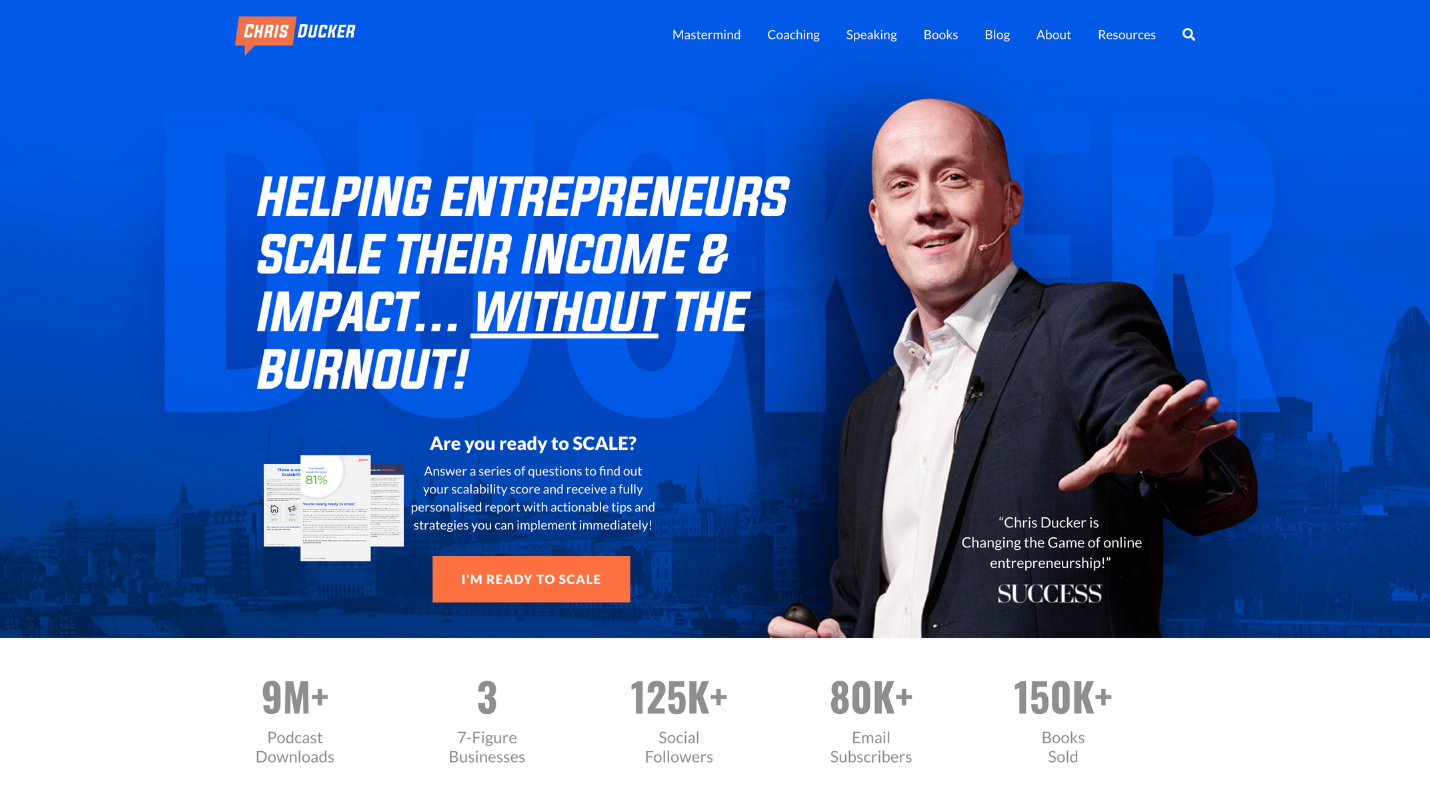
Chris Ducker’s strategy centers on the "Rule of Seven," a marketing principle suggesting that a prospect needs to see a brand at least seven times before they take action. Ducker achieves this through extreme consistency in his visual branding. By using the same professional headshots across his blog, Twitter, Facebook, and LinkedIn, he ensures that the transition between platforms is seamless for the user.
Consistency in personal branding reduces cognitive load for the audience. When a reader encounters Ducker on a new platform, the immediate visual recognition triggers existing trust and authority built on other channels. This "omnichannel" approach is essential in a fragmented media environment where audiences move rapidly between different apps and websites.
Color Psychology and Brand Cohesion
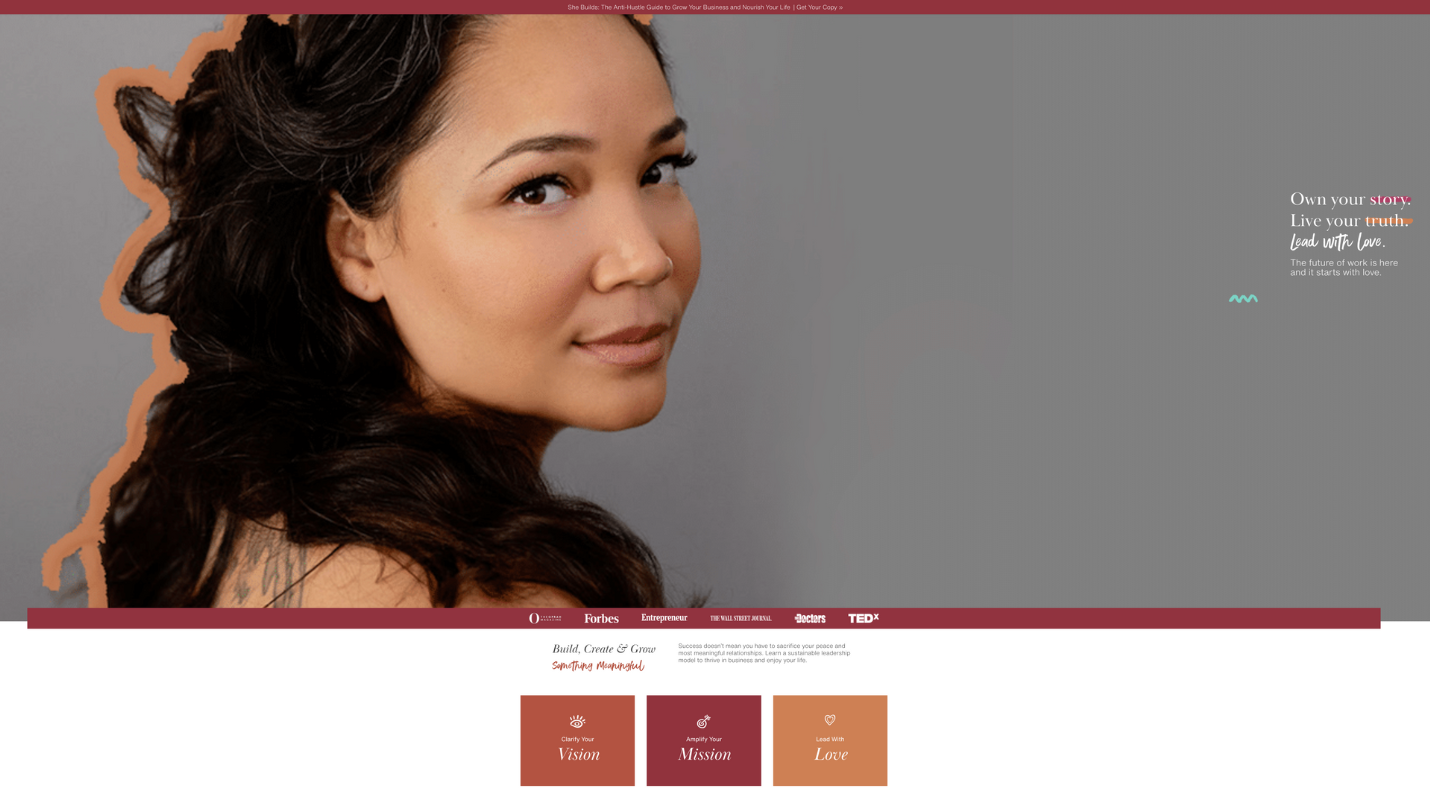
Jadah Sellner utilizes a sophisticated color palette to evoke specific emotional responses. Sellner’s site employs a "warm, earthy makeup palette" that extends from the website’s UI elements to the clothing she wears in her professional photography.
According to a study titled "Impact of Color on Marketing," researchers found that up to 90% of snap judgments made about products can be based on color alone. Sellner’s use of color creates a "mood" that aligns with her brand’s message of wellness and groundedness. This level of detail suggests a high degree of intentionality, which readers often perceive as a sign of professional quality and reliability.
Brand Statements and Audience Qualification
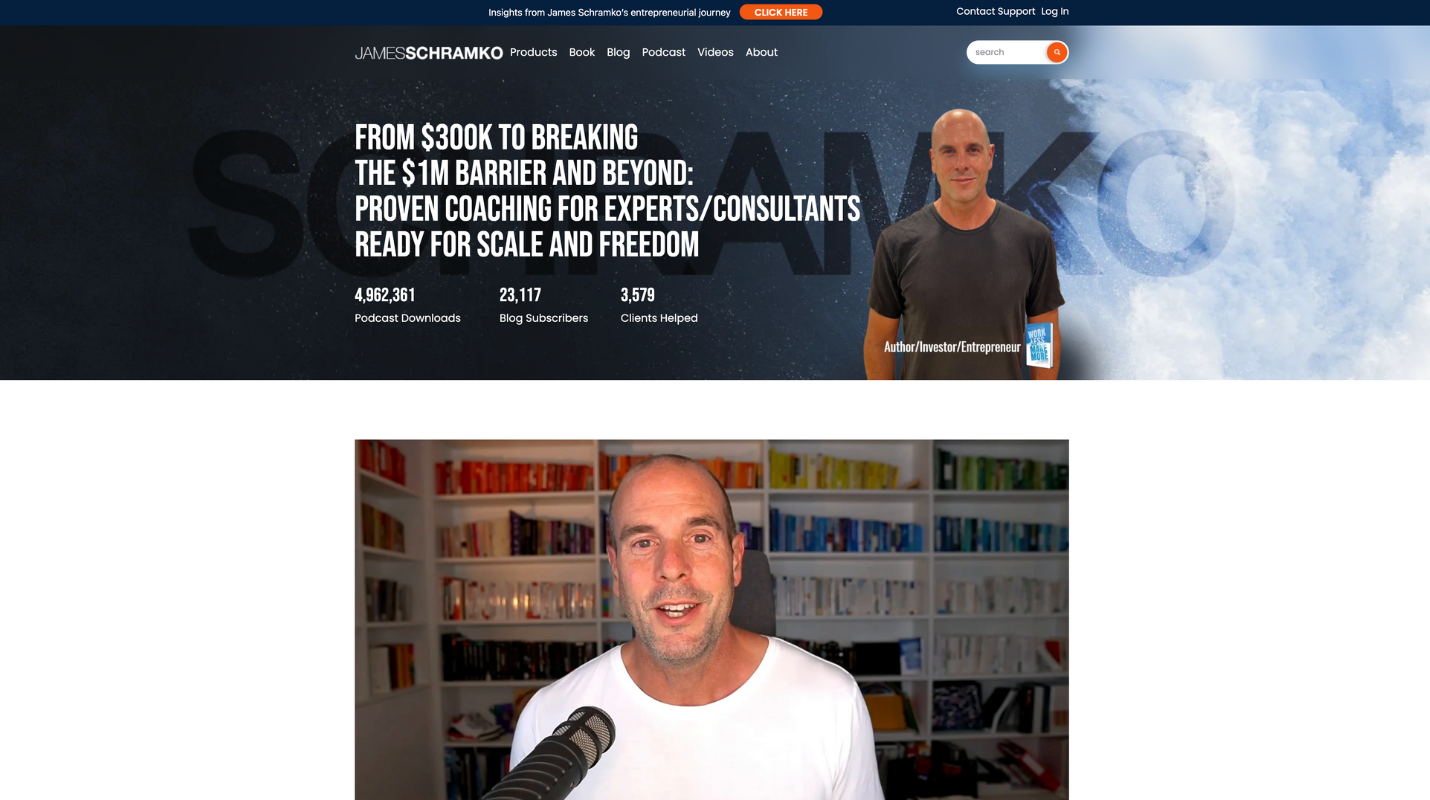
James Schramko of SuperFastBusiness utilizes a direct "brand statement" to immediately qualify his visitors. By stating exactly who his services are for, Schramko eliminates ambiguity. This clarity is a form of personalization that respects the visitor’s time.
From a user experience (UX) perspective, a clear brand statement serves as a "navigation beacon." In an era of "content shock"—where the volume of available information exceeds human processing capacity—the ability to tell a reader "you are in the right place" (or the wrong one) is a powerful personalization tactic. It shifts the focus from the blogger’s ego to the reader’s needs.
Frictionless Calls to Action
Kelly Exeter emphasizes the importance of a "Call to Action" (CTA) that cuts through administrative complexity. Her approach focuses on immediate value delivery, such as a "FIND OUT HERE" button that bypasses lengthy email sequences.
Data from HubSpot indicates that personalized CTAs convert 202% better than basic ones. Exeter’s strategy reflects a modern understanding of "frictionless" design. By aligning the CTA with the reader’s immediate intent, the blogger demonstrates an empathetic understanding of the audience’s psychological state, which is a subtle but effective form of personalization.
Audience Identification through Gamification
Emily Wapnick of Puttylike employs one of the most advanced personalization techniques: helping the reader define themselves. By coining the term "Multipotentialite" and offering a quiz titled "Are You a Multipotentialite?", Wapnick creates an identity for her audience to inhabit.
This strategy utilizes the "Barnum Effect," a psychological phenomenon where individuals believe that personality descriptions apply specifically to them. By providing a label for a disparate group of interests, Wapnick transforms a blog into a movement. The use of a quiz as a lead magnet is particularly effective; according to DemandGen, interactive content like quizzes generates two times more conversions than passive content.
Broader Impact and Industry Implications
The shift toward hyper-personalized blogging reflects a broader trend in the digital economy: the rise of the "solopreneur" and the "creator economy." As traditional media institutions lose market share, individual creators who can successfully project a "human" presence are filling the void.
The data suggests that the "personality gap" is no longer just an aesthetic choice but a commercial necessity. Blogs that fail to personalize risk being categorized as "commodity content"—information that is easily replaceable and holds no brand loyalty. Conversely, blogs that implement the strategies seen in the cases of Pat Flynn, Jadah Sellner, or Emily Wapnick create "moats" around their business. These moats are built on trust, recognition, and emotional resonance—qualities that, as of 2024, remain difficult for automated systems to replicate.
In conclusion, the personalization of a blog is a multi-dimensional endeavor involving visual, linguistic, and psychological components. The success of these ten bloggers demonstrates that while SEO and technical quality provide the foundation, it is the "human element" that drives long-term growth and sustainability in the digital age. Moving forward, the most successful digital platforms will likely be those that treat their readers not as anonymous traffic, but as a community of individuals seeking a connection with a trusted personal brand.