Putri Inara

The Professionalization of the Digital Creator
The transition of blogging from a hobbyist pursuit to a legitimate business model began in the early 2000s. Mr. Rowse, who commenced his blogging career in 2002, represents the first generation of creators who successfully monetized digital content. According to his retrospective analysis, the journey from earning a few dollars a day to managing a business that employs a full-time staff is a process that typically spans several years.
In the current market, two extreme narratives often cloud public perception. On one end, marketing campaigns frequently promise rapid wealth through "get-rich-quick" schemes, often tied to the sale of digital products or coaching services. On the opposite end, skeptics argue that the market is oversaturated and that any claims of a full-time blogging income are fraudulent or limited to those who teach others how to make money online. The reality, as evidenced by the ProBlogger data, lies in a complex middle ground where success is possible but statistically rare for those who do not treat the endeavor as a long-term enterprise.
A Chronological Evolution of Blogging Monetization
To understand the current state of the industry, one must look at the timeline of its development. In 2002, when the sector was in its infancy, monetization was largely restricted to rudimentary display advertising. By 2004 and 2005, the introduction of more sophisticated ad networks and the rise of affiliate marketing allowed creators to begin diversifying their income streams.
By the mid-2010s, the "ProBlogger era" saw a diversification into "owned" products. This shift was highlighted at various industry events, such as the ProBlogger conference in Melbourne, where a diverse array of Australian and international creators demonstrated that revenue was no longer dependent on a single source. The timeline of a successful blog typically follows a specific trajectory:
- Year 1: Content establishment and audience identification; often zero to negligible revenue.
- Years 2–3: Gradual growth in traffic and the introduction of diversified monetization (affiliates, display ads); transition to part-time income levels.
- Year 4 and Beyond: Brand maturity and the launch of high-margin products (ebooks, courses, memberships); potential for six-figure annual revenues.
Statistical Analysis of Blogger Earnings
The financial reality of the blogging industry is stark when viewed through the lens of empirical data. A survey conducted by ProBlogger involving 1,500 digital creators revealed a significant disparity between the top earners and the general population of bloggers.
The data indicates that 63% of bloggers earn less than $3.50 per day, a figure that highlights the difficulty of gaining initial traction. Furthermore, 10% of those surveyed reported earning no income at all, while 28% earned less than 30 cents per day. These figures are often attributed to the "newness" of the participants; approximately 50% of the respondents had been blogging for less than two years.

However, the survey also identified a "top tier" of successful creators. Approximately 4% of respondents reported monthly earnings exceeding $10,000, placing them in a six-figure annual income bracket. An additional 9% earned more than $1,000 per month, which, while not necessarily a primary income in many regions, represents a significant supplemental or part-time wage. The most critical finding in this data set was the correlation between longevity and earnings: 85% of those in the highest income bracket had been active for four years or more.
Diversification of Revenue Streams and Niche Viability
One of the most persistent myths in the industry is that the only profitable niche is the "make money online" (MMO) category. Analysis of successful creators debunked this theory, showing that "normal" niches often outperform the MMO sector due to lower competition and higher audience loyalty.
For instance, Mr. Rowse noted that his photography-focused platform, Digital Photography School, has historically been ten times more profitable than his blog about blogging. Other successful case studies include:
- Woodworking: Ana White has built a substantial business around DIY furniture plans.
- Health and Wellness: Sarah Wilson (I Quit Sugar) transitioned a blog into a global wellness movement.
- Simple Living: Tsh Oxenreider (The Simple Show) monetized the lifestyle and travel niche through memberships and books.
- Specific Consumer Niches: Bloggers focusing on baby products (Lucy’s List), personal finance for specific demographics (The Barefoot Investor), and regional travel (Woogsworld) have all achieved full-time status.
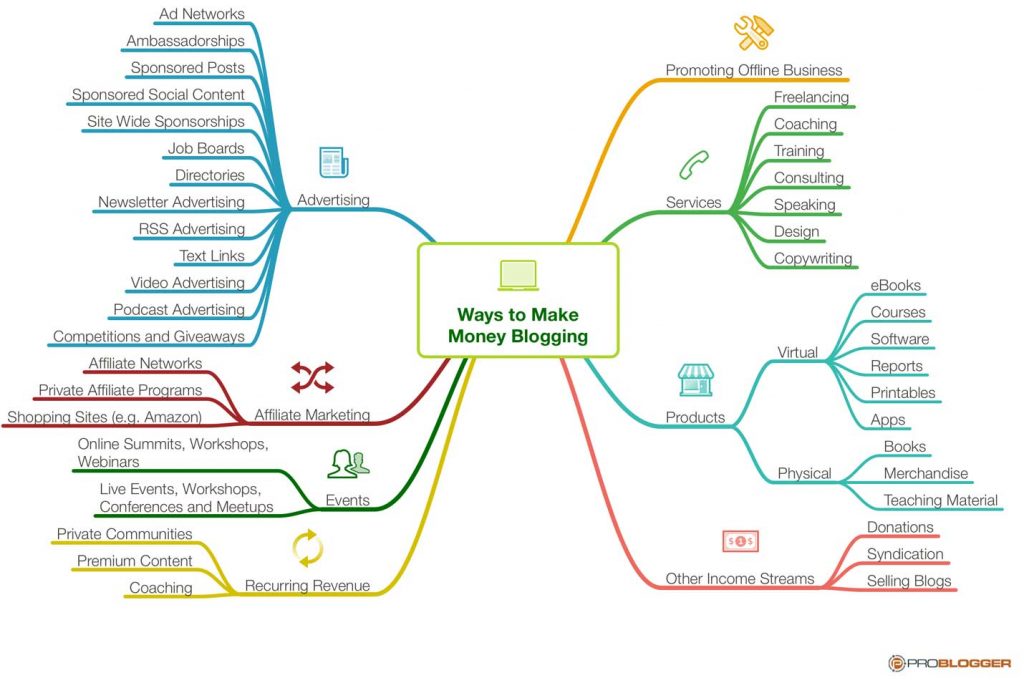
The modern "Money Map" for these creators involves a sophisticated mix of revenue streams. This includes "Indirect" income such as speaking engagements, book deals, and consulting, as well as "Direct" income from display advertising (AdSense, Mediavine), affiliate marketing (Amazon Associates, private programs), and digital products (PDF guides, online workshops, and subscription-based communities).
The Four Pillars of Digital Growth
Professional analysis identifies four critical areas that demand consistent attention for a blog to transition from a hobby to a business. These are not independent tasks but rather an integrated system of growth.
1. Content Excellence
The foundation of any profitable blog is the creation of original, helpful, and interesting content. In a landscape saturated by AI-generated text, human-centric storytelling and expert-level authority (often referred to as E-E-A-T: Experience, Expertise, Authoritativeness, and Trustworthiness) have become the primary differentiators.
2. Audience Acquisition
Finding readers is no longer a matter of "build it and they will come." Professional bloggers must master SEO (Search Engine Optimization), social media distribution, and email marketing to ensure their content reaches its intended demographic.
3. Community Engagement
Successful monetization is deeply tied to trust. Engagement involves moving a reader from a passive consumer to an active community member. This is achieved through comment sections, email newsletters, and interactive social media platforms, which transform a "site" into a "brand."
4. Strategic Monetization
The final pillar involves the implementation of revenue models that align with the audience’s needs. This requires a shift in mindset from "selling" to "providing value" through products or services that solve specific problems for the reader.
Broader Economic Impact and Future Implications
The rise of the professional blogger has broader implications for the global economy. As traditional media outlets consolidate or decline, independent creators have stepped in to fill the void, providing hyper-niche information that large corporations cannot profitably cover. This decentralization of information has created a new class of "micro-entrepreneurs" who contribute to the digital economy through service consumption (hosting, software, freelance hiring) and tax revenue.
However, the industry faces headwinds. The integration of AI in search engines (SGE) and the shifting preferences of younger demographics toward video platforms like TikTok and YouTube require bloggers to become multi-platform creators. The "blog" is increasingly serving as the central hub of a wider digital ecosystem rather than a standalone text site.
In conclusion, the data suggests that while the "Golden Age" of easy blogging traffic may have passed, the "Professional Age" is in full swing. For those willing to invest four or more years into building a brand, the digital publishing space remains a viable, albeit demanding, career path. The distinction between those who succeed and those who fail remains rooted in the transition from passive content creation to active business management. The creator economy continues to reward longevity, originality, and the disciplined application of diversified revenue strategies.