Lina Wu
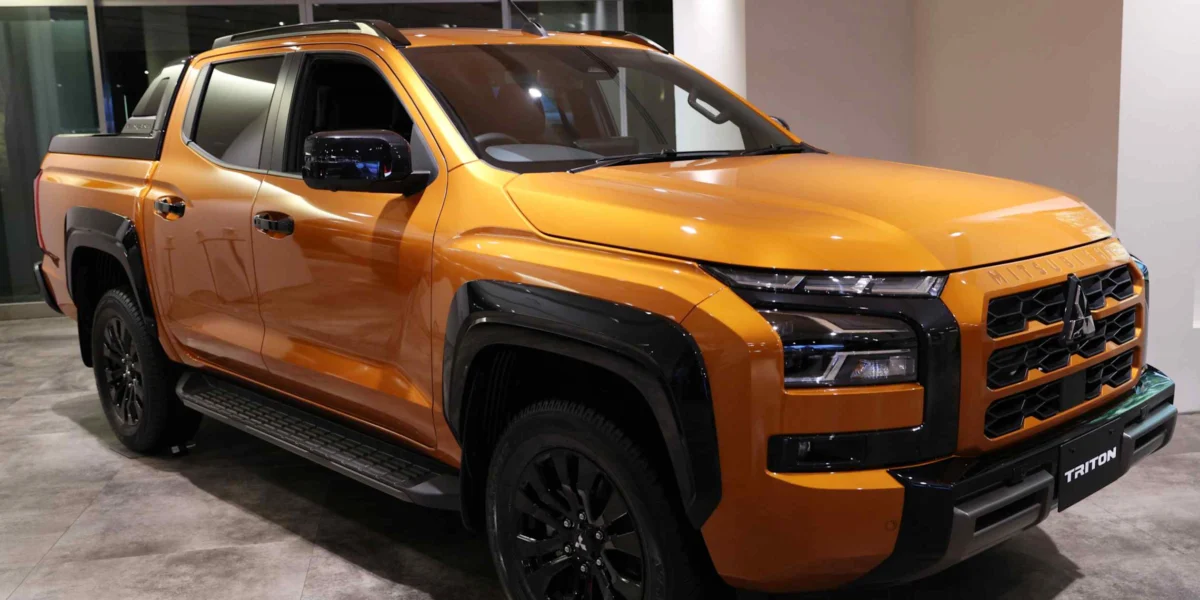
TOKYO — In a significant development signaling a shift in the competitive landscape of the Japanese automotive industry, Honda Motor and Mitsubishi Motors announced on Thursday, October 23, 2026, a landmark agreement for Honda to begin selling pickup trucks manufactured by Mitsubishi starting in 2028. This collaboration represents a crucial step in a burgeoning alliance among several Japanese automakers, strategically positioning them to collectively challenge the dominant influence of Toyota Motor’s extensive network and market share. The pact, primarily focused on the lucrative and growing Southeast Asian markets, underscores a new era of cooperation aimed at resource optimization and enhanced competitiveness in a globalized automotive sector.
The Genesis of a Strategic Partnership
The agreement, reached after months of discreet negotiations, formalizes a strategic intent to leverage Mitsubishi Motors’ established expertise in pickup truck development and manufacturing. Honda, while a global powerhouse in automotive production, has historically maintained a more limited presence in the pickup truck segment, particularly in regions where such vehicles are integral to both commercial and personal transportation needs. The Triton, Mitsubishi’s renowned pickup model, will serve as the foundation for this new venture. This collaboration allows Honda to swiftly enter and expand its footprint in key markets without the extensive investment and development time required to engineer its own pickup platform from scratch.
The decision to align stems from a confluence of factors impacting the global automotive industry. Increasing regulatory pressures, the escalating costs of research and development for electrification and autonomous driving technologies, and the persistent need for cost efficiencies have driven a re-evaluation of traditional competitive models. Japanese automakers, historically fiercely independent, are increasingly exploring avenues for collaboration to share the burden of these transformative challenges. This Honda-Mitsubishi pact is seen as a pioneering example of this evolving strategy, setting a potential precedent for future inter-company alliances within Japan’s automotive fraternity.
A Phased Approach to Market Entry
The timeline for this strategic alliance is meticulously planned. Production of the Mitsubishi Triton, destined for rebranding and sale under the Honda banner, is slated to commence in time for a 2028 market launch. This phased approach allows for thorough preparation, including adaptation of manufacturing processes, establishment of distribution channels, and targeted marketing campaigns. Southeast Asia has been identified as the primary launch region due to the strong demand for robust, versatile pickup trucks in countries like Thailand, Indonesia, and the Philippines. These markets are characterized by a significant proportion of small and medium-sized enterprises that rely heavily on pickup trucks for their operations, as well as a growing middle class that utilizes them for both utility and lifestyle purposes.
The strategic choice of Southeast Asia is underpinned by substantial market data. In 2025, the pickup truck segment in Southeast Asia accounted for approximately 1.8 million units in sales, representing a significant portion of the total vehicle market in the region. Projections indicate a steady growth rate of 3-4% annually over the next five years, driven by economic development, infrastructure projects, and evolving consumer preferences. Toyota, with its dominant Hilux model, has long held a commanding position in this segment. The Honda-Mitsubishi alliance aims to chip away at this dominance by offering a compelling alternative backed by Honda’s strong brand reputation and extensive dealer network.
Background: The Evolving Japanese Automotive Ecosystem
The Japanese automotive industry has long been characterized by intense internal competition. Companies like Toyota, Honda, Nissan, Mitsubishi, Mazda, Subaru, and Suzuki have historically operated as distinct entities, often vying for market share both domestically and internationally. While some alliances have existed, such as the Renault-Nissan-Mitsubishi alliance, they have often been complex and subject to shifting dynamics. This new Honda-Mitsubishi pact represents a more focused, product-specific collaboration, distinct from broader corporate restructuring or equity-based partnerships.
For Mitsubishi Motors, this agreement offers a vital lifeline and a pathway to increased production volumes, thereby improving its manufacturing efficiency and profitability. Having faced significant challenges in recent years, including a decline in market share and financial restructuring, securing a major supply agreement with a partner like Honda is a strategic imperative. The Triton, a robust and well-regarded vehicle, provides a solid platform for this collaboration, allowing Mitsubishi to leverage its core competencies.
Honda, on the other hand, gains immediate access to a competitive product in a segment where it has been a less prominent player. While Honda’s strengths lie in passenger cars, SUVs, and motorcycles, its pickup truck offerings have been niche or region-specific. This alliance allows Honda to fill a critical gap in its product portfolio, particularly in emerging markets where pickup trucks are essential. The synergy is clear: Mitsubishi provides the product and manufacturing expertise, while Honda brings its brand equity, sales network, and marketing prowess to bear.
Supporting Data and Market Dynamics
The global pickup truck market is substantial and diverse. In 2025, global sales of pickup trucks exceeded 7.5 million units, with North America being the largest market, followed by Asia-Pacific and South America. Southeast Asia, while smaller than North America, represents a high-growth region with specific demands for durable, cost-effective, and versatile vehicles. The average price point for a mid-size pickup truck in Southeast Asia ranges from approximately $25,000 to $40,000 USD, a significant investment for many consumers and businesses.
The Triton, in its current iteration, is known for its rugged construction, reliable diesel engines, and competitive pricing. These attributes are highly valued in markets where durability and operational cost are paramount. Honda’s entry into this segment, leveraging the Triton, is strategically positioned to capitalize on these market preferences. The agreement is expected to lead to increased production runs for the Triton, potentially leading to economies of scale that could translate into more competitive pricing for both Mitsubishi and Honda branded versions.
Furthermore, the trend towards electrification and advanced safety features is impacting the pickup truck segment globally. While this initial agreement focuses on existing internal combustion engine technology, it is widely anticipated that future iterations of the co-developed or supplied pickups will incorporate these advancements. The collaboration could serve as a testing ground for shared R&D efforts in these critical areas, further solidifying the alliance’s long-term potential.
Official Statements and Inferred Reactions
While specific statements from individual executives beyond the initial announcement were not immediately available, the implications of such a significant agreement can be inferred.
Mitsubishi Motors: The company is likely to view this partnership as a critical step towards stabilizing and growing its business. A spokesperson might express confidence in the Triton’s capabilities and the strategic advantage of aligning with a strong partner like Honda, emphasizing the mutual benefits of shared resources and expanded market reach. The focus would be on enhancing production efficiency and securing long-term sales volumes.
Honda Motor: Honda would likely highlight this as a strategic move to strengthen its product lineup and expand its presence in key growth markets. The company might articulate its commitment to offering high-quality, reliable vehicles that meet the diverse needs of customers in Southeast Asia, emphasizing the synergistic advantages of the partnership. The goal would be to leverage Honda’s brand strength to penetrate a segment where it has had limited direct competition.
Industry Analysts: Analysts are expected to view this collaboration positively, recognizing it as a pragmatic response to evolving market dynamics. They would likely point to the potential for increased efficiency, reduced development costs, and enhanced competitiveness against global rivals like Toyota. The long-term implications for market share distribution and the future of strategic alliances within the Japanese auto sector would be a key focus of analysis.
Competitors (Toyota Motor): While Toyota has not issued a direct statement, such a significant alliance among its domestic rivals is undoubtedly a development they will be closely monitoring. Toyota’s strategy has historically relied on its sheer scale, vertical integration, and extensive product portfolio. This collaboration challenges that paradigm by demonstrating that even established players can benefit from strategic partnerships to gain an edge. Toyota may need to reassess its own strategies for market penetration and product development in segments where its dominance might be threatened.
Broader Impact and Implications
The Honda-Mitsubishi alliance has far-reaching implications for the broader automotive industry, particularly within Japan and Southeast Asia.
- Increased Competition: The entry of a Honda-badged pickup truck, based on the Mitsubishi Triton, will undoubtedly intensify competition in the Southeast Asian pickup market, potentially leading to more competitive pricing and improved product offerings for consumers. This could put pressure on existing players, including market leader Toyota.
- Accelerated Consolidation and Collaboration: This partnership serves as a strong signal that Japanese automakers are increasingly willing to collaborate to address shared challenges. It could pave the way for similar alliances in other vehicle segments or technological areas, potentially leading to a more consolidated and efficient Japanese automotive industry.
- Resource Optimization: By sharing development and manufacturing resources, both companies can achieve greater economies of scale. This can lead to reduced R&D costs, more efficient production lines, and potentially lower vehicle prices for consumers.
- Market Access and Brand Synergy: Honda gains immediate access to a well-established product and market segment, while Mitsubishi benefits from Honda’s extensive sales network and strong brand reputation in Southeast Asia. This synergy could unlock new customer bases for both companies.
- Focus on Electrification and Future Technologies: While this initial agreement focuses on conventional powertrains, it creates a platform for future collaboration on advanced technologies. As the industry transitions towards electrification and autonomous driving, such alliances will be crucial for sharing the immense costs and complexities involved in developing these next-generation vehicles. The shared experience could accelerate the adoption of electric pickups in the region.
- Supply Chain Dynamics: The increased demand for Triton components will impact Mitsubishi’s supply chain. It may also create new opportunities for suppliers who can meet the quality and volume requirements of both Honda and Mitsubishi. The alliance could also lead to discussions about standardizing certain components across both brands, further enhancing efficiency.
In conclusion, the agreement between Honda and Mitsubishi Motors marks a pivotal moment in the evolution of the Japanese automotive industry. It is a clear demonstration of strategic foresight, recognizing that in an increasingly complex and competitive global market, collaboration can be as powerful as competition. The success of this pickup truck alliance in Southeast Asia could redefine the future of inter-company relationships within Japan’s automotive sector, ushering in an era where shared strengths and resources become a cornerstone of competitive strategy. The automotive world will be closely watching as Honda begins to offer a taste of Mitsubishi’s rugged reliability under its own esteemed banner.