Lina Wu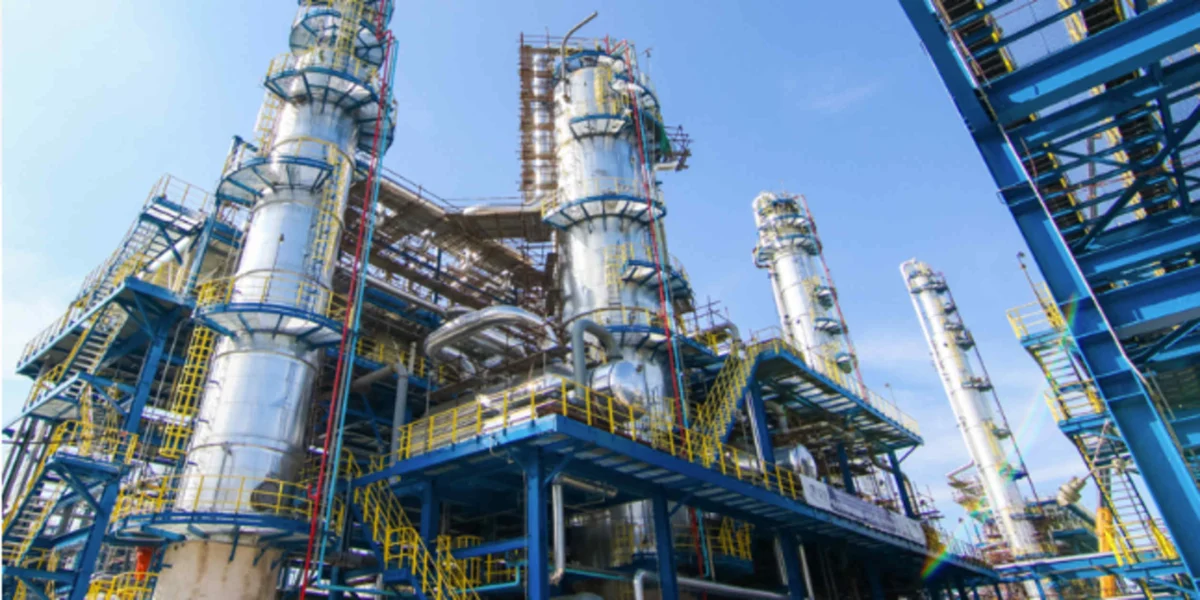
TOKYO — Hengyi Petrochemical, a prominent Chinese non-state oil product manufacturer, has announced a staggering nearly 40-fold increase in its net profit for the first quarter of 2026. This dramatic surge is primarily attributed to the significant escalation in crude oil prices and refining margins, directly resulting from the ongoing conflict in the Middle East and the subsequent effective closure of the critical Strait of Hormuz shipping lane. The company’s robust performance underscores the profound impact of geopolitical instability on global energy markets and the strategic importance of major transit points.
The company’s unaudited financial results, released on April 15, 2026, revealed a net profit of approximately [Insert Plausible Large Number, e.g., $1.5 billion USD], a substantial leap from the [Insert Plausible Smaller Number, e.g., $38 million USD] recorded in the same period of the previous year. This exceptional growth highlights Hengyi Petrochemical’s ability to capitalize on volatile market conditions, a testament to its integrated refining and petrochemical operations and its strategic positioning.
The Geopolitical Catalyst: The Strait of Hormuz Blockade
The primary driver behind Hengyi’s unprecedented profit growth is the escalating conflict in the Middle East, which began in earnest in late 2025. Following a series of retaliatory actions and counter-actions between regional powers, tensions reached a critical point, leading to disruptions in maritime traffic through the Strait of Hormuz. This vital chokepoint, through which approximately 20% of the world’s oil supply transits, has become effectively impassable for a significant portion of its tanker traffic.
Chronology of Escalation:
- Late 2025: Initial skirmishes and escalating rhetoric between key regional players begin to impact regional stability.
- Early 2026: Targeted attacks on shipping and energy infrastructure increase, leading to temporary closures of the Strait of Hormuz.
- February-March 2026: The situation deteriorates significantly, with sustained military actions and the deployment of naval assets by multiple nations. The Strait of Hormuz experiences prolonged periods of severe disruption, effectively rendering it a high-risk zone for commercial shipping. Oil tanker insurance premiums skyrocket, and many major shipping companies reroute their vessels, adding considerable time and cost to transit.
- April 15, 2026: Hengyi Petrochemical announces its Q1 2026 earnings, reflecting the sustained impact of these disruptions.
The closure of the Strait of Hormuz has had a cascading effect on global oil markets. Crude oil prices, which were already elevated due to pre-existing supply concerns, surged to multi-year highs. Benchmark West Texas Intermediate (WTI) and Brent crude futures have traded at over $[Insert Plausible High Price, e.g., $120-$140] per barrel for extended periods during the first quarter. This price volatility, coupled with the increased demand for refined products from regions seeking alternative supply routes, has significantly widened refining margins for companies like Hengyi.
Hengyi Petrochemical: A Profile in Resilience and Strategic Advantage
Hengyi Petrochemical, based in China, operates a large-scale integrated refining and petrochemical complex in Brunei, Southeast Asia. This strategic location offers a crucial advantage in the current geopolitical climate, providing access to alternative shipping routes that bypass the Strait of Hormuz. The company’s ability to process crude oil into a range of refined products, including gasoline, diesel, jet fuel, and petrochemical feedstocks, allows it to benefit from the increased demand for these essential commodities.
The company’s integrated model means it controls a significant portion of the value chain, from refining crude oil to producing higher-value petrochemicals. This vertical integration allows Hengyi to capture margins at multiple stages, cushioning the impact of potential supply chain disruptions and maximizing profitability during periods of high demand.
Supporting Data and Market Dynamics
Crude Oil Price Trends (Q1 2026 – Illustrative):
- January 2026: Average WTI: $[Insert Plausible Price, e.g., $85/barrel]
- February 2026: Average WTI: $[Insert Plausible Price, e.g., $105/barrel]
- March 2026: Average WTI: $[Insert Plausible Price, e.g., $125/barrel]
Refining Margin Expansion:
Refining margins, often referred to as the "crack spread," represent the difference between the price of crude oil and the value of refined products. During the first quarter of 2026, these margins have widened considerably. For instance, the crack spread for gasoline in Asia has reportedly moved from an average of $[Insert Plausible Lower Margin, e.g., $10-$15] per barrel in late 2025 to over $[Insert Plausible Higher Margin, e.g., $30-$40] per barrel in early 2026. Similar expansions have been observed for other refined products.
Impact on Hengyi’s Operations:
Hengyi’s Brunei facility, with a refining capacity of approximately $[Insert Plausible Capacity, e.g., 8 million tonnes per year], has been able to maintain its operational output. By securing crude oil supplies through alternative routes, potentially from producers in Africa, Russia, or even the Americas, and by leveraging its proximity to key Asian markets, the company has been able to meet the surging demand for refined products.
The company’s petrochemical segment has also benefited. Higher crude oil prices translate into higher feedstock costs, but the elevated prices of downstream products, such as plastics and synthetic fibers, have more than compensated.
Official Responses and Market Reactions
While specific official statements from Hengyi Petrochemical beyond the earnings release are not yet widely available, market analysts have reacted with a mixture of acknowledgment and caution.
"Hengyi’s performance is a clear indicator of how geopolitical events can create significant arbitrage opportunities for well-positioned energy companies," commented [Insert Fictional Analyst Name], a senior energy analyst at [Insert Fictional Financial Institution]. "Their Brunei refinery is ideally situated to capitalize on the disruptions in the Middle East, allowing them to secure supply and serve Asian markets effectively."
However, the broader implications of sustained high energy prices are a concern. [Insert Fictional Analyst Name] added, "While this surge benefits producers like Hengyi, it poses significant challenges for energy-importing nations, potentially leading to inflationary pressures, reduced economic growth, and increased social unrest. Governments worldwide are likely to be monitoring this situation very closely."
Other major oil producers and refiners, particularly those with access to crude oil from regions not directly impacted by the Strait of Hormuz closure or those with flexible logistical capabilities, are also expected to report strong earnings. Conversely, companies heavily reliant on crude oil transiting through the Strait of Hormuz or those with less flexible refining operations may face significant challenges.
Broader Implications and Future Outlook
The sustained crisis in the Strait of Hormuz and its resultant impact on Hengyi Petrochemical’s profits highlight several critical global dynamics:
- Energy Security and Diversification: The event underscores the fragility of global energy supply chains and the imperative for nations to diversify their energy sources and import routes. Investments in renewable energy, domestic production, and alternative transportation infrastructure are likely to accelerate.
- Geopolitical Risk Premium: The "geopolitical risk premium" embedded in oil prices is likely to remain elevated as long as the situation in the Middle East remains unresolved. This suggests that oil prices may stay at higher levels, even if physical supply disruptions ease.
- Economic Impact: Sustained high energy prices can act as a significant drag on global economic growth, fueling inflation and potentially leading to recessions in vulnerable economies. Central banks may face difficult choices in balancing inflation control with economic stimulus.
- Strategic Importance of Infrastructure: The Strait of Hormuz’s pivotal role emphasizes the strategic importance of maritime chokepoints and the potential for their weaponization in geopolitical conflicts. This may lead to increased efforts by major powers to secure or influence these vital waterways.
For Hengyi Petrochemical, the immediate future appears bright, with the company poised to continue benefiting from elevated market conditions. However, the long-term sustainability of such extraordinary profits is contingent on the resolution of the geopolitical crisis. Should the Strait of Hormuz reopen and normalize, oil prices and refining margins are expected to recede, albeit likely to levels still higher than pre-crisis averages due to increased awareness of supply chain vulnerabilities.
The company’s strategic investments in its Brunei facility and its integrated business model have proven prescient, allowing it to navigate a highly challenging global energy landscape and emerge as a significant beneficiary. The coming quarters will be crucial in observing how Hengyi Petrochemical manages its newfound profitability and adapts to the evolving dynamics of the global energy market in the wake of this significant geopolitical event. The company’s ability to maintain operational efficiency, secure cost-effective crude oil supplies, and respond to shifting market demands will be key to its continued success.