Ena Muazin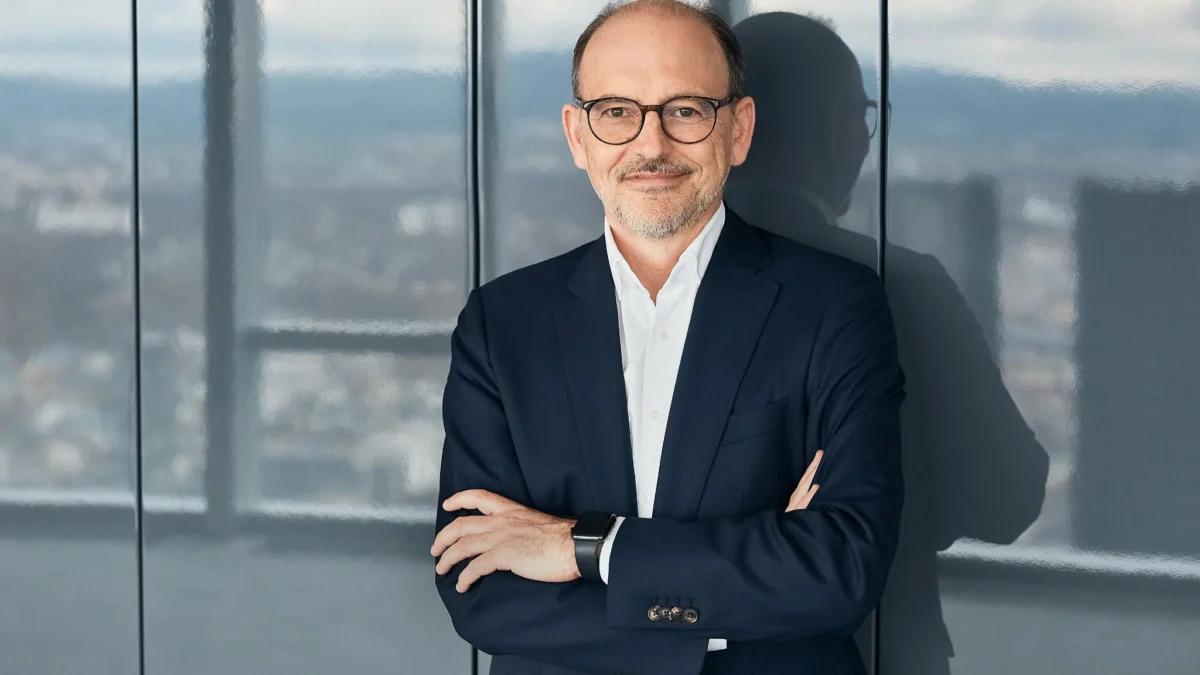
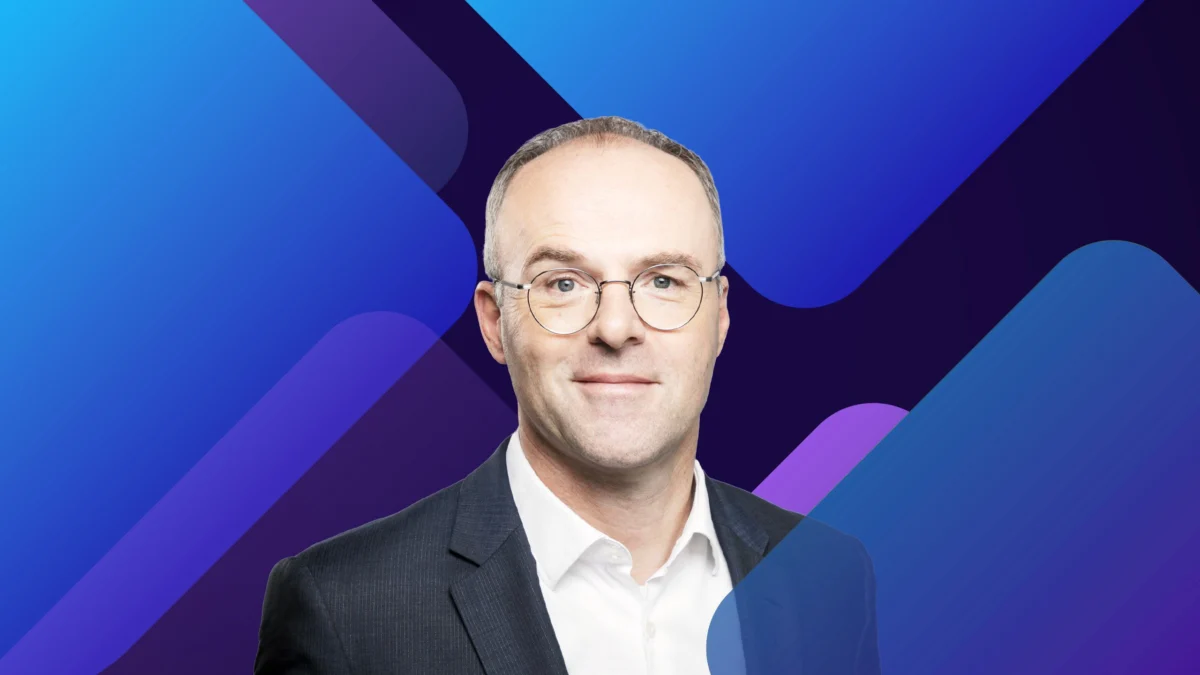
Frankfurt – Helaba’s Chief Executive Officer, Thomas Groß, is set to depart the Landesbank Hessen-Thüringen (Helaba) in the autumn of next year, with his planned retirement marking the end of a significant tenure at the helm of the regional bank. Groß, 61, will step down at the conclusion of his contract in October 2027, a decision he has made at his own volition, the bank announced on Friday afternoon. He has led Helaba for over six years, having been a member of its executive board since 2012, accumulating more than a decade of leadership experience within the institution.
Navigating a Turbulent Financial Landscape
Groß’s departure comes at a critical juncture for Helaba, as the bank grapples with a notably challenging financial period. The first six months of 2026 have seen a significant downturn in the bank’s profitability. Pre-tax profit experienced a steep decline, plummeting by nearly 60 percent compared to the same period in the previous year, settling at €194 million. This sharp reduction in earnings underscores the headwinds Helaba is currently facing, prompting a closer examination of its strategic direction and operational performance.
Commercial Real Estate Woes Emerge as a Key Concern
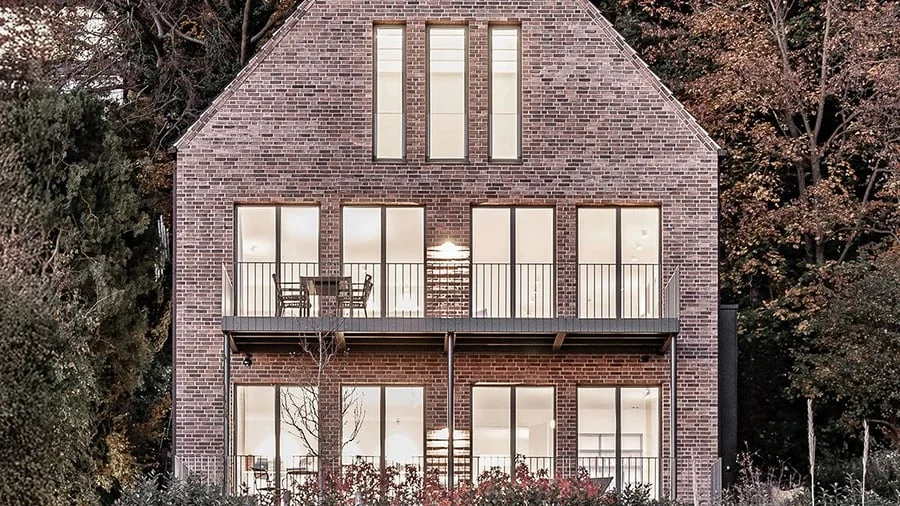
The difficulties are particularly pronounced within the bank’s commercial real estate portfolio. This sector, traditionally a cornerstone of many banking operations, has proven to be a significant drag on Helaba’s financial results. In the first half of 2026, the real estate division registered a substantial loss of €26 million. This negative performance highlights broader market challenges affecting the commercial property sector, including rising interest rates, evolving tenant demands, and a general economic slowdown impacting property values and rental income.
Strategic Response: Cost Cutting and Restructuring
In response to the mounting pressures, particularly within its real estate segment, CEO Thomas Groß has initiated a series of cost-saving measures. The bank has announced its intention to implement "significant cost reductions in operating expenses" and to manage its workforce by not refilling vacant positions. This approach aims to streamline operations and improve efficiency without immediate, large-scale layoffs.
Furthermore, the bank’s project development subsidiary, OFB, is slated for a significant restructuring. The announcement indicated "significant downsizing necessities" within OFB, suggesting a reassessment of its scale, scope, and operational model in light of current market realities. This move is likely intended to mitigate further losses from development projects and to align the subsidiary’s activities with a more sustainable and profitable business model.
Broader Context: The German Landesbanken Sector
Helaba is one of the major Landesbanken, a group of regional banks in Germany that play a crucial role in their respective state economies. Historically, Landesbanken have served as central banks for savings banks, providing liquidity and facilitating interbank lending. They have also engaged in international wholesale banking and capital markets activities. However, the sector has faced increasing scrutiny and challenges in recent years, stemming from a combination of factors including low-interest-rate environments, increased competition, regulatory pressures, and the need to adapt to a rapidly changing financial landscape.
Many Landesbanken have undergone significant strategic shifts, divesting non-core assets, consolidating operations, and refocusing on their core competencies. Helaba, as a significant player, has been part of this ongoing evolution. The current financial performance, therefore, needs to be viewed within this broader context of industry-wide transformation and adaptation.
Timeline of Leadership and Recent Performance
Thomas Groß’s tenure as CEO began in 2017, succeeding Hans-Hermann Held. His leadership has spanned a period of both growth and increasing complexity in the financial markets. Prior to becoming CEO, Groß was a member of the executive board from 2012, with responsibilities that included risk management and treasury. His long-standing presence within Helaba provides a deep institutional knowledge that will be missed.
The announcement of his retirement follows the release of Helaba’s interim financial results for the first half of 2026. The figures revealed a profit before provisions of €606 million, a substantial decrease from €1.4 billion in the same period of the previous year. The pre-tax profit of €194 million represents a nearly 60% drop. This decline is attributed to several factors, including higher provisions for potential loan losses, particularly in the commercial real estate sector, and a general slowdown in business activity.
Analysis of Implications: Leadership Transition and Strategic Imperatives
Groß’s retirement signals a significant leadership transition for Helaba. The incoming CEO will inherit a bank facing immediate operational challenges and the imperative to navigate ongoing structural changes within the German banking sector and the broader global economy. The focus will undoubtedly remain on addressing the issues in the commercial real estate portfolio, enhancing profitability, and ensuring long-term stability and growth.
The strategic decisions made in the coming months will be crucial. These will likely involve a continued emphasis on risk management, a potential recalibration of business strategies to mitigate exposure to volatile sectors, and a sustained effort to optimize operational efficiency. The restructuring of OFB, for instance, indicates a willingness to make difficult decisions to address underperforming segments of the business.
Potential Reactions and Future Outlook
While the bank’s announcement was brief and focused on the facts of Mr. Groß’s retirement and his decision to pursue retirement, it is reasonable to infer that the supervisory board will be undertaking a comprehensive search for his successor. The ideal candidate will need a robust understanding of the banking industry, particularly in the German and European contexts, strong leadership capabilities, and a proven track record in strategic financial management.
The ongoing financial performance will likely be a key consideration for potential candidates and for the bank’s strategic planning in the short to medium term. The ability to steer Helaba through the current economic climate, which includes persistent inflation, geopolitical uncertainties, and evolving regulatory landscapes, will be paramount.
The commercial real estate sector, in particular, will require careful management. Analysts suggest that banks with significant exposure to this market may need to continue to increase their provisions and potentially deleverage their portfolios. Helaba’s proactive steps in restructuring OFB are a response to this anticipated necessity.
Conclusion: A New Chapter for Helaba
Thomas Groß’s departure marks the end of an era for Helaba. His tenure, while ending in a period of significant financial headwinds, has also seen him guide the bank through various economic cycles. The upcoming leadership transition, coupled with the bank’s ongoing efforts to address its current challenges, will shape Helaba’s trajectory in the years to come. The bank’s ability to adapt, innovate, and execute its strategic objectives will be critical to its sustained success in a dynamic and demanding financial environment. The focus now shifts to the selection of a new leader who can steer Helaba towards a more stable and prosperous future, building upon the foundations laid during Groß’s leadership while decisively addressing the present-day challenges.