Ena Muazin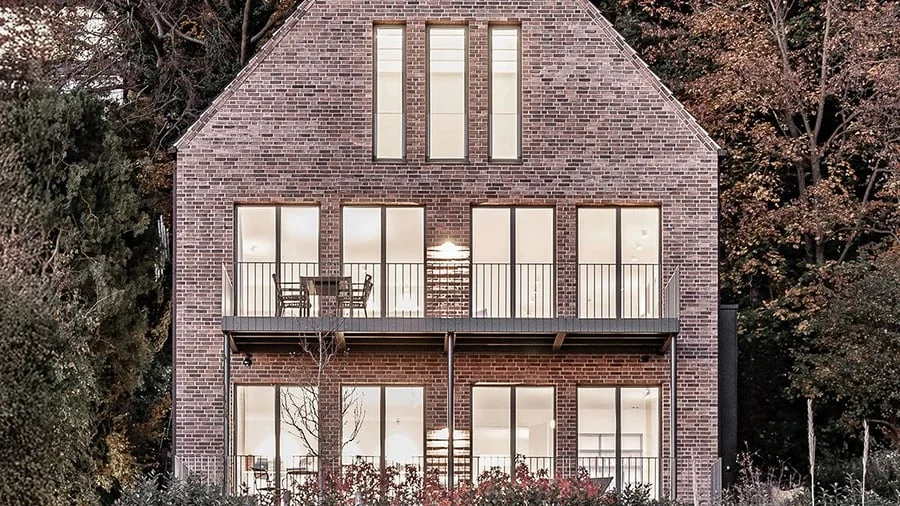
The opulent realm of luxury real estate is witnessing a significant shift, with a growing trend towards multi-generational living. Data suggests that approximately one in five buyers in the international luxury sector are now acquiring properties with the explicit intention of housing multiple family members under one roof. This resurgence of the family estate is not merely a nostalgic return to tradition but a pragmatic response to evolving societal needs and desires, particularly among affluent demographics. Architects and real estate experts highlight that while the allure of grand, multi-generational homes is undeniable, ensuring their long-term value requires careful planning and consideration of specific architectural and functional aspects.
The phenomenon extends beyond mere cohabitation; it represents a conscious decision to foster closer familial bonds, provide mutual support, and create a lasting legacy. This trend is particularly pronounced among individuals aged 45 to 60, a demographic often navigating the complexities of caring for aging parents while supporting younger generations. The desire for shared experiences, the convenience of proximity for childcare or elder care, and the inherent security that comes with a connected family unit are primary drivers.
The Modern Family Estate: More Than Just a Large House
The concept of a multi-generational home has been reimagined for the contemporary luxury market. Unlike the sprawling, single-family estates of previous eras, modern multi-generational properties are designed with a sophisticated understanding of individual privacy and communal living. Architects are increasingly focusing on creating flexible spaces that can accommodate the distinct needs of various age groups while fostering a sense of shared community.
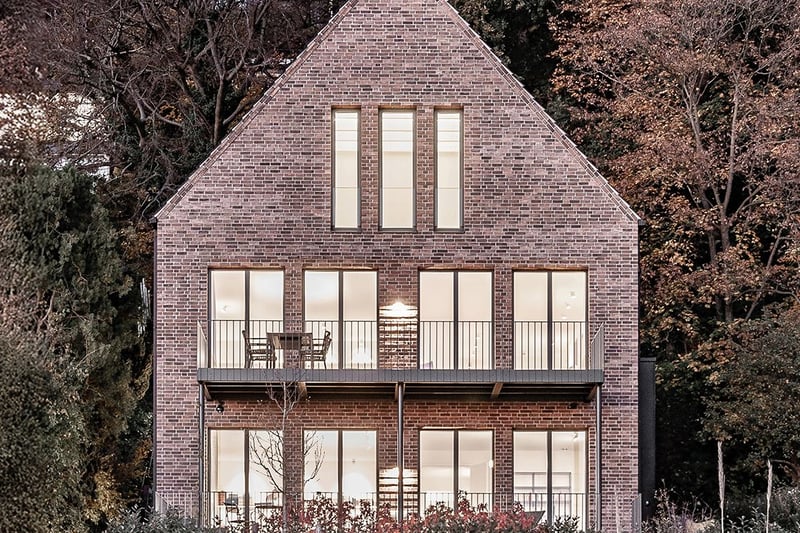
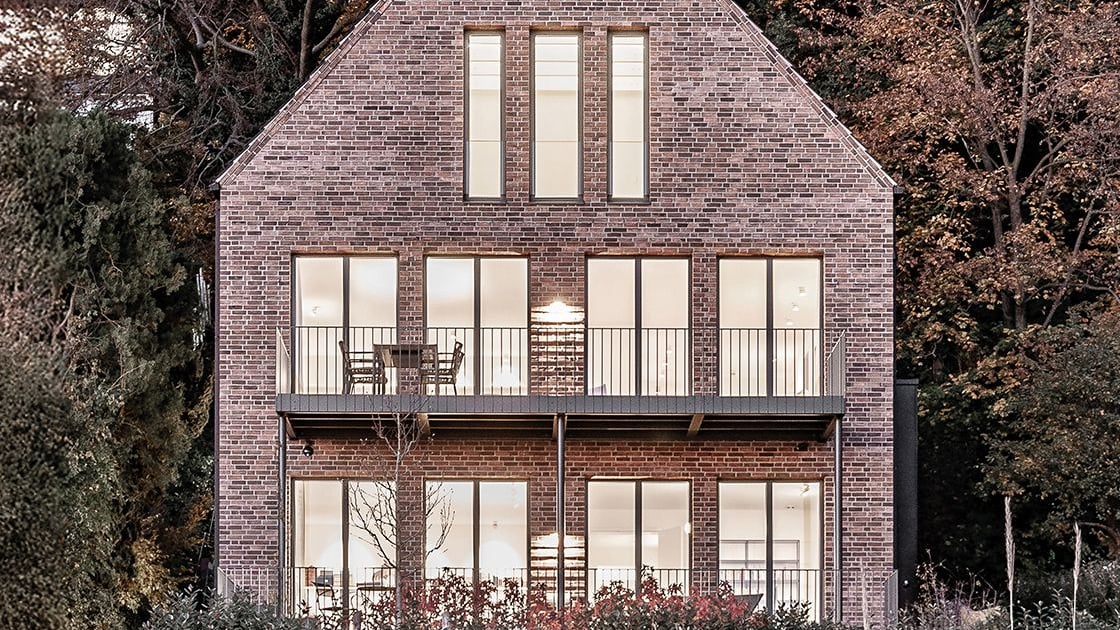
Alexandra Bub, head of the eponymous architectural firm in Hamburg, exemplifies this approach with a striking villa on Hamburg’s Elbe strand. This property, a red-brick, gabled structure boasting amenities like a workshop with a car lift, an art studio, a swimming pool, and unobstructed views of the Elbe, is designed for longevity and adaptability. "We have planned all connections and walls in such a way that the four floors can be easily divided into individual, high-quality units," Bub explains. This foresight allows the property to seamlessly transition from a single family residence to multiple independent living spaces, catering to evolving family structures or potential future resale opportunities.
Data Points: The Growing Demand for Shared Living
The statistics from real estate firm Engel & Völkers underscore the growing momentum of this trend. Their reports indicate that approximately 20% of international luxury property acquisitions are now driven by the desire for multi-generational living. This figure represents a tangible shift in buyer motivation, moving beyond purely investment-driven purchases to those with a strong emphasis on lifestyle and family well-being.
The demographic profile of these buyers is also noteworthy. The 45-60 age bracket, often referred to as the "sandwich generation," is finding particular appeal in properties that facilitate a balanced coexistence. They are seeking to spend more quality time with adult children and grandchildren while simultaneously ensuring the well-being and support of their aging parents. This is achieved through homes that offer both shared common areas and private, self-contained living quarters.
The Economic and Social Imperatives
The appeal of multi-generational living is underpinned by several converging societal and economic factors.

- Aging Population and Elder Care: As global populations age, the demand for elder care solutions is escalating. Multi-generational homes offer a practical and often more emotionally fulfilling alternative to traditional care facilities, allowing adult children to provide direct support and companionship to their elderly parents. This proximity can alleviate the logistical challenges of caregiving and foster a stronger sense of familial responsibility.
- Financial Considerations: While luxury buyers may have substantial assets, the economic climate can still influence financial decisions. Shared living can lead to cost efficiencies in areas such as household maintenance, utilities, and even pooling resources for larger investments. For younger generations, the ability to live at home longer can provide a crucial financial foothold, enabling them to save for their own futures.
- Emotional Well-being and Support Networks: The modern pace of life can sometimes lead to feelings of isolation. Multi-generational households can provide robust social support networks, offering companionship, shared activities, and a sense of belonging for all age groups. Grandparents can play an active role in the lives of their grandchildren, while children can benefit from the wisdom and experience of their elders.
- Legacy and Inheritance Planning: For affluent families, a multi-generational estate can serve as a tangible symbol of their legacy. It provides a central hub for family gatherings, holidays, and celebrations, fostering a strong sense of continuity across generations. Careful planning in the design and legal structure of such properties can also facilitate smoother inheritance processes.
Key Considerations for Value Preservation
Ensuring that a multi-generational property retains and enhances its value requires a strategic approach. Architects and real estate advisors emphasize several critical factors:
- Flexibility and Adaptability: The ability to reconfigure spaces is paramount. This includes designing homes with the potential for independent living units, separate entrances, and soundproofing to ensure privacy for each household. Features like multi-generational suites, in-law apartments, or the potential to divide larger homes into smaller, distinct residences are highly desirable.
- Thoughtful Architectural Design: Beyond mere size, the layout must prioritize both communal interaction and individual privacy. This means creating well-defined private zones alongside inviting shared spaces such as large kitchens, dining areas, family rooms, and outdoor entertaining spaces. The integration of smart home technology can also enhance convenience and security for all residents.
- Accessibility: As residents age, accessibility becomes increasingly important. Incorporating features like single-level living options, wider doorways, accessible bathrooms, and the potential for elevator installation can significantly extend the usability and appeal of the property over time.
- Location and Amenities: As with any luxury property, location remains a key determinant of value. Proximity to reputable schools, cultural attractions, recreational facilities, and essential services is crucial. For multi-generational homes, access to healthcare facilities and public transportation can also be significant advantages.
- Sustainability and Energy Efficiency: Increasingly, luxury buyers are prioritizing environmentally conscious design. Incorporating sustainable building materials, energy-efficient appliances, and renewable energy sources can not only reduce operating costs but also appeal to a growing segment of buyers who value eco-friendly living.
- Legal and Financial Structuring: Clearly defining ownership structures, usage rights, and financial responsibilities among family members is essential to prevent future disputes. Legal counsel specializing in estate planning and property law can provide invaluable guidance in establishing clear agreements.
The Architectural Vision: A Case Study
The Hamburg villa designed by Alexandra Bub’s firm serves as an excellent illustration of these principles. The property’s robust infrastructure, including the strategic placement of plumbing and electrical conduits, allows for straightforward conversion into four separate living units. This foresight addresses potential future market demands, whether for individual family members seeking more autonomy or for resale purposes.

The villa’s amenities, such as the workshop with a car lift and the swimming pool, cater to a lifestyle of leisure and personal pursuits, which are often highly valued in the luxury market. The unhindered view of the Elbe adds a significant aesthetic and lifestyle premium, further enhancing the property’s desirability. This combination of luxurious features and pragmatic design flexibility positions the property as a sound long-term investment.
Future Outlook: A Sustained Trend
The resurgence of the multi-generational family estate is more than a fleeting trend; it reflects a fundamental shift in how affluent individuals and families are prioritizing their living spaces. The desire for connection, security, and the creation of a lasting legacy is driving demand for properties that can accommodate diverse family structures and evolving life stages.

As societal norms continue to adapt and economic conditions fluctuate, the appeal of homes that offer both independence and interdependence is likely to grow. Real estate developers and architects who can successfully integrate these principles into their designs will be well-positioned to cater to this expanding market segment. The family estate, once a relic of a bygone era, is being reborn as a sophisticated and highly desirable form of luxury living, promising not only a fulfilling lifestyle but also enduring value.