Ena Muazin
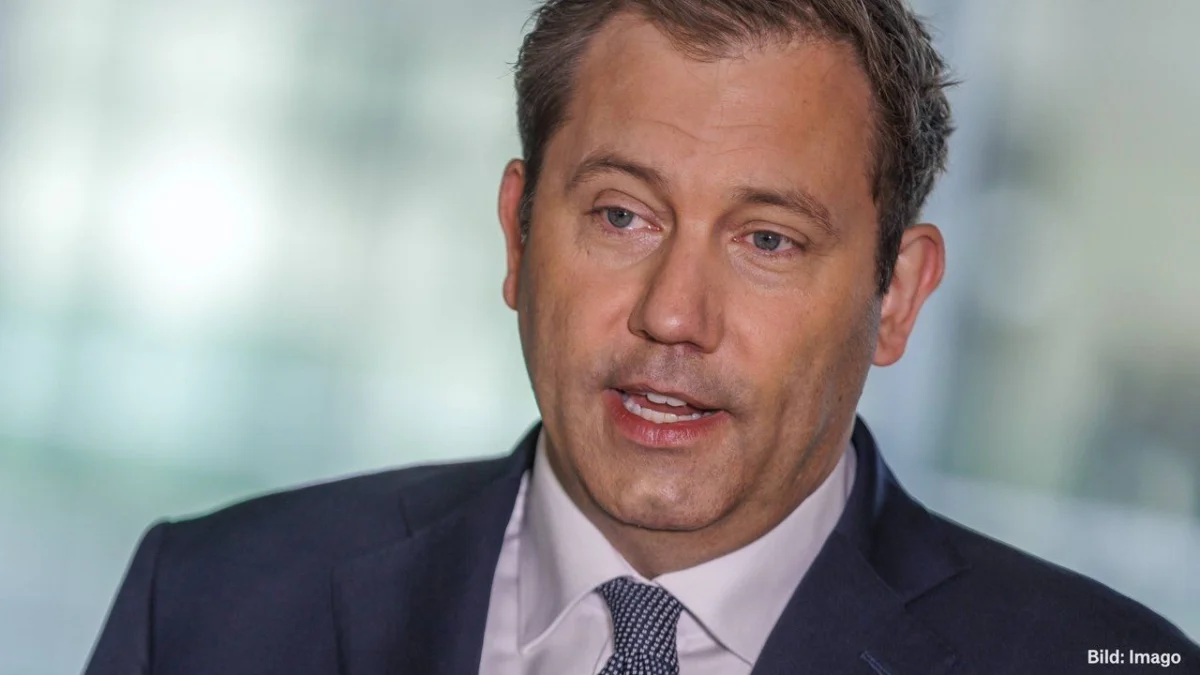
Berlin, Germany – The German federal government and Italian banking giant UniCredit have reached a foundational agreement on key aspects of UniCredit’s proposed acquisition of Commerzbank. This significant development signals a potential seismic shift in the European banking landscape, with implications for both the German and Italian economies. German Finance Minister Lars Klingbeil announced on Thursday evening, following crucial discussions with UniCredit CEO Andrea Orcel, that "we have found a common basis."
This breakthrough comes after a period of intensive negotiation, aiming to address the concerns of various stakeholders, including the German government, Commerzbank employees, and UniCredit itself. The agreement, while still preliminary, lays the groundwork for a more concrete deal to be finalized.
Key Pillars of the Agreement
The core of the agreement, as outlined by Minister Klingbeil, centers on UniCredit’s commitment to the German market and the rights of Commerzbank’s workforce. UniCredit has reportedly provided "clear commitments" regarding the future of its operations in Germany, a crucial assurance for a country that views its banking sector as a vital component of its economic stability.
Furthermore, Commerzbank is slated to remain a publicly listed stock corporation headquartered in Frankfurt. This aspect is particularly important for maintaining the city’s status as a major financial hub and for preserving the identity and operational integrity of the German institution. A key strategic focus under the proposed acquisition will be the expansion of Commerzbank’s established Mittelstandsgeschäft, its business catering to small and medium-sized enterprises. This segment is the backbone of the German economy, and its continued strength is a priority for both the government and, it appears, the prospective new owners.
A notable point of consensus has also been reached regarding a "structured transition in the supervisory board." This addresses the governance of the merged entity and acknowledges the German government’s substantial stake in Commerzbank, currently standing at just over 13%.
Governance and Shareholder Influence
In exchange for UniCredit’s commitments, the German government has agreed to relinquish its demand to appoint two representatives to the supervisory board. This concession from the government is a significant step, indicating a degree of trust in UniCredit’s intentions and a willingness to allow the banking group greater operational autonomy.
Instead, UniCredit will propose two independent members for the supervisory board who possess deep knowledge of the German market and Commerzbank’s specific business operations. This approach suggests a strategy to integrate Commerzbank effectively while ensuring that its unique characteristics and market position are respected. The presence of these independent members is intended to provide oversight and ensure that the interests of all stakeholders are considered during the transition and beyond.
Employee Perspectives and Assurances
The agreement has been met with cautious optimism from Commerzbank’s employee representatives. Sascha Uebel, the chairman of Commerzbank’s works council, expressed his satisfaction with the outcome. "For the workforce of Commerzbank, I am pleased about a clear commitment to Frankfurt and, above all, that existing agreements will not be challenged," Uebel stated in comments to Handelsblatt.
Uebel’s remarks highlight a key concern for employees: the safeguarding of existing labor agreements and the stability of employment. The assurance that current contracts will remain valid, regardless of UniCredit’s broader strategic plans – referred to as "Unlocked" – provides a degree of certainty for the Commerzbank staff. This commitment is crucial for fostering a smooth integration and minimizing potential labor disputes.

Background and Context: A European Banking Consolidation Wave
The potential takeover of Commerzbank by UniCredit is not an isolated event but rather part of a broader trend of consolidation within the European banking sector. For years, European banks have grappled with low profitability, intense competition from fintech firms, and the lingering effects of the sovereign debt crisis. Regulators and industry experts have long called for consolidation to create larger, more resilient institutions capable of competing on a global scale and generating sustainable returns.
Commerzbank, in particular, has undergone significant restructuring in recent years. It has faced challenges in integrating its acquisition of Dresdner Bank and has had to navigate a difficult economic climate. The German government, which stepped in to support Commerzbank during the 2008 financial crisis, has been seeking an exit strategy for its stake, aiming to recoup taxpayer money while ensuring the bank’s long-term viability.
UniCredit, headquartered in Milan, is one of Italy’s largest banking groups and has been actively pursuing a strategy of international expansion and operational efficiency. The acquisition of Commerzbank would significantly bolster its presence in Europe’s largest economy and create a formidable cross-border banking entity.
Timeline of Key Developments (Inferred)
While the exact timeline of negotiations is not publicly detailed, the process leading to this agreement likely involved several stages:
- Initial Exploratory Talks: Discussions between UniCredit and the German government would have begun some time ago, with initial expressions of interest and exploration of potential synergies.
- Due Diligence and Valuation: UniCredit would have conducted extensive due diligence on Commerzbank’s financials, operations, and market position. This phase is critical for determining a fair valuation and identifying potential risks and opportunities.
- Intensified Negotiations: As discussions progressed, specific terms and conditions, including those related to governance, employment, and operational strategy, would have become the focus of intensive talks.
- Governmental Consultations: The German Finance Ministry, along with other relevant government bodies, would have been engaged in ensuring that any deal aligns with national economic interests and regulatory requirements.
- Employee Representation Engagement: Dialogue with Commerzbank’s works council and employee representatives would have been essential to address concerns and secure their support, or at least mitigate potential opposition.
- The Current Announcement: The "common basis" announced by Minister Klingbeil represents a crucial milestone, paving the way for a more definitive agreement.
Supporting Data and Market Position
Commerzbank currently holds a significant market share in Germany, particularly in its core Mittelstand business. As of recent reports, it serves millions of private and small-business clients and is a key player in corporate banking. Its balance sheet strength and network of branches across Germany are considerable assets.
UniCredit operates across a wide range of European countries, with a strong presence in Italy, Germany (through its existing operations), Austria, and Central and Eastern Europe. Its acquisition of Commerzbank would create a banking powerhouse with a combined asset base that would place it among the top European banking groups. This consolidation would lead to significant economies of scale, potentially improving profitability and allowing for greater investment in digital transformation and new financial technologies.
The European banking sector’s return on equity (ROE) has historically lagged behind that of its U.S. counterparts. Consolidation is seen by many analysts as a necessary step to improve this metric by reducing operating costs and increasing revenue generation through cross-selling and enhanced market reach.
Broader Impact and Implications
The successful completion of this acquisition could have several far-reaching implications:
- European Banking Landscape: A merged UniCredit-Commerzbank would be a more dominant force in European banking, potentially leading to increased competition for other players and further driving consolidation.
- German Economy: The continued strength of Commerzbank’s Mittelstand business is vital for German industrial output and employment. UniCredit’s commitment to this segment is therefore critical. The integration could also lead to new opportunities for German businesses through expanded access to UniCredit’s international network.
- Italian Economy: The deal would represent a major strategic coup for UniCredit, significantly enhancing its scale and European footprint, potentially boosting its profitability and investor confidence.
- Regulatory Scrutiny: Such a large cross-border merger will undoubtedly attract significant scrutiny from European banking regulators, including the European Central Bank (ECB) and national authorities, to ensure financial stability and fair competition.
- Technological Advancement: The combined entity would likely have greater resources to invest in digital banking services, artificial intelligence, and cybersecurity, potentially accelerating innovation across the sector.
Future Outlook and Remaining Hurdles
While the agreement on core principles is a significant step forward, several hurdles remain before the acquisition can be finalized. These include:
- Formal Definitive Agreement: The current agreement is a set of "key points." A comprehensive and legally binding takeover offer will need to be negotiated and agreed upon by both parties.
- Shareholder Approval: UniCredit’s shareholders will need to approve the transaction, and Commerzbank’s shareholders will need to accept the offer.
- Regulatory Approvals: As mentioned, obtaining approval from various banking and competition authorities across Europe will be a lengthy and complex process.
- Integration Challenges: The practicalities of integrating two large banking institutions with different corporate cultures, IT systems, and operational processes are substantial and require meticulous planning and execution.
The announcement marks a pivotal moment in the ongoing evolution of European finance. The commitment to preserving Commerzbank’s German identity and its Mittelstand focus, alongside UniCredit’s strategic ambitions, suggests a carefully considered approach to this complex transaction. The coming months will be crucial in determining whether this foundational agreement can be translated into a successful merger that reshapes the European banking sector for years to come.