Lina Wu
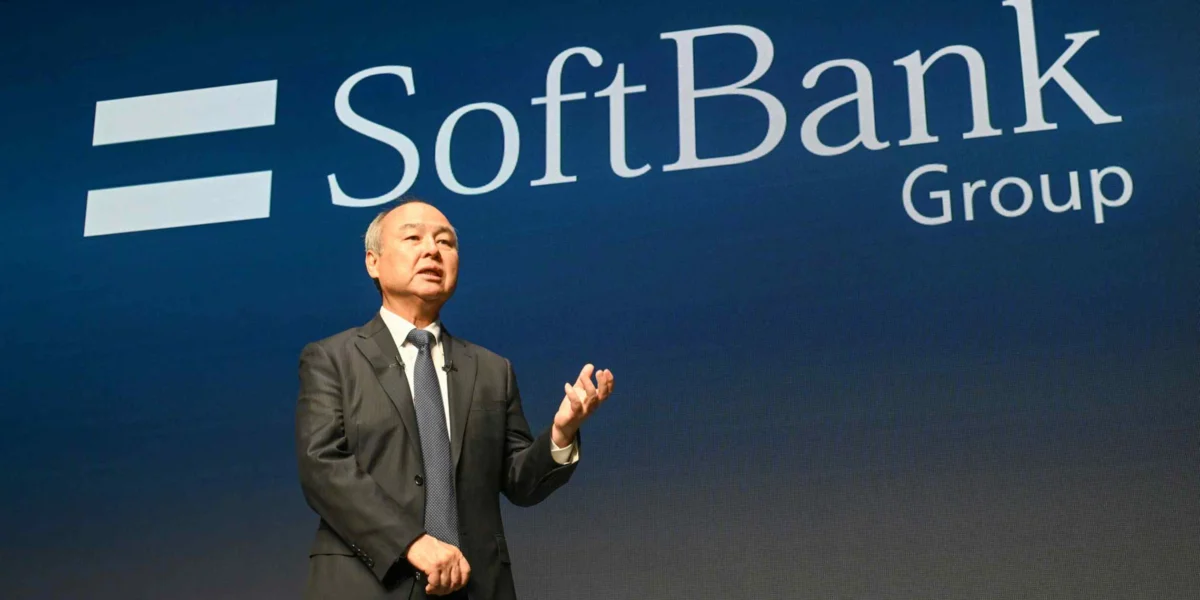
The valuation of goodwill, an accounting measure representing the premium paid for a company above its identifiable net assets, is experiencing a significant upswing across global listed companies. This surge is directly attributable to a robust wave of mergers and acquisitions (M&A) activity, as corporations increasingly seek to acquire intangible assets such as established brands, proprietary technologies, and valuable customer relationships. Japanese conglomerates, in particular, are demonstrating substantial increases in their goodwill figures, with SoftBank Group standing out as a prominent example of this accelerating trend.

The Intangible Asset Premium in Modern Business
Goodwill arises in accounting when one company acquires another for a price higher than the fair value of its identifiable tangible and intangible assets. This excess payment is often attributed to factors not readily quantifiable on a balance sheet, such as a strong brand reputation, customer loyalty, a skilled workforce, or strategic market positioning. In an era where digital transformation, intellectual property, and market dominance are paramount, the value of these intangible elements has become increasingly critical to a company’s long-term success and competitive advantage.
The current M&A landscape reflects a strategic shift towards acquiring these crucial intangible assets. Companies are no longer solely focused on acquiring physical assets or market share through traditional means. Instead, they are actively pursuing targets that possess cutting-edge technology, innovative business models, or a pre-existing, loyal customer base. This strategic imperative drives up the acquisition price beyond the sum of the target’s book value, leading to a corresponding increase in the acquirer’s recorded goodwill.

SoftBank’s Strategic Acquisitions Fueling Goodwill Growth
SoftBank Group, a Japanese multinational conglomerate holding company headquartered in Tokyo, has been a significant player in the global M&A arena, particularly through its Vision Fund. The company’s investment philosophy has consistently centered on identifying and backing transformative technology companies across various sectors. This strategy inherently involves acquiring stakes, and often full control, of businesses valued for their innovation and market disruption potential, rather than their tangible assets.
Recent years have seen SoftBank engage in numerous high-profile transactions, investing billions in companies ranging from ride-sharing giants and artificial intelligence developers to fintech innovators and renewable energy providers. For example, its substantial investments in companies like Uber, ARM Holdings (though subsequently re-acquired in a landmark deal), and various other technology ventures have demonstrably inflated its goodwill on its balance sheet. The rationale behind these acquisitions is to secure access to groundbreaking technologies, expand into new and rapidly growing markets, and leverage synergies across its vast portfolio.

The increase in SoftBank’s goodwill is a direct consequence of these strategic maneuvers. When SoftBank acquires a company, the purchase price often reflects not just the existing value of the target’s assets but also the projected future earnings and growth potential driven by its intangible strengths. This premium is then recognized as goodwill on SoftBank’s consolidated financial statements. This reflects a deliberate strategy to build a diversified ecosystem of innovative companies, where the collective value of their intangible assets contributes significantly to SoftBank’s overall market valuation and future prospects.
Broader Trends in Japanese Corporate M&A
Beyond SoftBank, a discernible pattern of increasing goodwill is emerging across various Japanese companies. This trend is not isolated to technology firms. Industries such as pharmaceuticals, which rely heavily on intellectual property and research pipelines, and consumer goods companies seeking to acquire established brands and distribution networks, are also actively participating in M&A.

Several factors are contributing to this broader trend in Japan. A prolonged period of low interest rates has made financing for acquisitions more accessible. Furthermore, a growing recognition among Japanese corporations of the need to diversify revenue streams, gain access to new technologies, and expand their global footprint in the face of domestic demographic challenges and intense international competition has spurred M&A activity. The "lost decades" of economic stagnation also created an environment where many companies were ripe for consolidation or strategic realignment, presenting acquisition opportunities.
The Japanese government has also encouraged corporate restructuring and M&A as a means to boost productivity and global competitiveness. Initiatives aimed at promoting innovation and cross-border investment have provided a supportive backdrop for these strategic moves. As a result, Japanese companies are increasingly looking outwards, acquiring foreign businesses or investing in promising startups, which inherently leads to the recognition of goodwill on their financial statements.

Data Supporting the Goodwill Surge
While specific, up-to-the-minute aggregated data on global goodwill increases due to M&A is complex to compile due to differing accounting standards and reporting cycles, financial analysis firms consistently highlight the correlation between M&A volume and goodwill. For instance, reports from major financial data providers often show that periods of heightened M&A activity, such as those experienced in recent years, are accompanied by a proportional rise in the total goodwill recorded by listed companies.
During the peak M&A cycles of the late 2010s and the post-pandemic recovery, the volume of deals globally reached record highs, involving trillions of dollars in transactions. A significant portion of these deals involved the acquisition of companies whose primary value lay in their intellectual property, brand equity, or market position. Consequently, the aggregate value of goodwill on the balance sheets of acquiring companies saw a corresponding upward trend.

In Japan, the value of M&A deals involving Japanese companies, both inbound and outbound, has also seen fluctuations but generally maintained a robust level, with technology and healthcare sectors often leading the charge. The increase in goodwill figures for companies like SoftBank, which are actively engaged in large-scale tech acquisitions, serves as a micro-indicator of this broader macroeconomic trend. For example, examining SoftBank’s annual reports over the past decade would reveal a direct correlation between its major acquisition rounds and the corresponding growth in its reported goodwill. In its most recent filings, SoftBank’s goodwill balance has shown consistent expansion, directly linked to its ongoing investment activities through the Vision Fund.
Implications of Rising Goodwill
The increasing prevalence of goodwill on corporate balance sheets carries several implications for investors, analysts, and the broader financial markets.

For Investors: Goodwill represents a significant portion of a company’s assets, yet it is an intangible and non-monetizable asset. Investors need to understand that a substantial goodwill figure doesn’t translate into readily available cash. Its value is intrinsically linked to the future performance of the acquired entities and the strategic integration efforts of the acquirer. A decline in the performance of acquired businesses can lead to goodwill impairment charges, which directly impact a company’s profitability and stock price.
For Analysts: Analysts play a crucial role in scrutinizing goodwill. They assess the reasonableness of the valuation at the time of acquisition and monitor the ongoing performance of acquired assets to identify potential impairment risks. This requires a deep understanding of the acquired businesses, the industry dynamics, and the acquirer’s integration strategy. The rise in goodwill necessitates a more sophisticated approach to valuation and risk assessment.

For Companies: For companies like SoftBank, a high goodwill figure reflects a strategy focused on growth through acquisition of innovative assets. However, it also places a premium on successful integration and operational execution. The company must demonstrate that the acquired intangible assets are generating returns that justify the initial premium paid. Failure to do so can lead to significant write-downs, impacting financial health and investor confidence.
Accounting Standards and Impairment: Accounting standards, such as International Financial Reporting Standards (IFRS) and U.S. Generally Accepted Accounting Principles (GAAP), require companies to test goodwill for impairment at least annually. If the carrying amount of goodwill exceeds its recoverable amount (often determined by its fair value), an impairment loss must be recognized. This process is critical for ensuring that balance sheets accurately reflect the economic reality of a company’s assets. The growing volume of goodwill means that impairment testing is becoming an increasingly important area of focus for auditors and regulators.

The Future of Intangible Assets and M&A
The trend of rising goodwill is likely to continue as companies increasingly recognize that sustainable competitive advantage in the modern economy is built on intangible assets. The ongoing digital transformation, the pursuit of innovation in fields like artificial intelligence, biotechnology, and sustainable technologies, and the constant need for market expansion will continue to drive M&A activity.
Companies that can effectively identify, acquire, and integrate businesses with strong intangible assets, and then successfully leverage those assets to drive growth and profitability, will be the ones that thrive. For investors, a discerning approach that goes beyond the headline figures to understand the underlying value drivers and risks associated with goodwill will be paramount. The era of valuing companies primarily on their tangible assets is fading, replaced by an increasing appreciation for the power and strategic importance of the intangible. SoftBank’s aggressive pursuit of innovation through acquisition serves as a bellwether for this evolving corporate landscape, where goodwill is not just an accounting entry but a key indicator of strategic ambition and future potential. The global M&A market, and consequently the accounting of goodwill, will continue to be shaped by the relentless pursuit of these invaluable intangible assets.