Lina Wu
China’s tightening grip on critical rare-earth metal exports is igniting a significant resurgence in Japan’s domestic rare earth industry, compelling major players like Proterial and Mitsubishi Materials to aggressively pursue refining, recycling, and mining rights. This strategic pivot signals a determined effort to forge an independent and resilient supply chain for these indispensable elements, marking a pronounced comeback for an industry that experienced a substantial retreat in the 1990s. The push is driven by a palpable concern over national economic security and technological sovereignty, as Japan seeks to mitigate its dependence on a single dominant supplier.
The Geopolitical Imperative: China’s Dominance and Japan’s Vulnerability
Rare earth elements, a group of 17 metallic elements, are foundational to a vast array of modern technologies, from high-performance magnets in electric vehicle motors and wind turbines to sophisticated components in smartphones, defense systems, and advanced medical equipment. China has historically held a near-monopoly on the global rare earth market, accounting for approximately 60% of global mine production and over 85% of global rare earth refining capacity. This overwhelming dominance has long been a source of strategic concern for nations heavily reliant on these critical materials, including Japan.
The vulnerability of this reliance was starkly demonstrated in 2010 when China imposed an unofficial export ban on rare earth metals to Japan following a maritime dispute. This incident sent shockwaves through Japanese industries, highlighting the precariousness of their supply chains and triggering an initial, albeit less comprehensive, effort to diversify sources. The recent imposition of export controls by China, particularly on materials vital for advanced manufacturing and defense, has served as a potent reminder of this ongoing risk, accelerating Japan’s resolve to reclaim and bolster its own rare earth capabilities.
A Multi-Pronged Strategy: Refining, Recycling, and Resource Development
The Japanese initiative is characterized by a comprehensive, multi-pronged strategy that encompasses the entire rare earth lifecycle. This includes:
Advancing Domestic Refining Capabilities
Historically, Japan was a significant producer and refiner of rare earths, but the industry largely shifted to China due to lower production costs and more relaxed environmental regulations. Now, Japanese companies are investing heavily in re-establishing and upgrading their refining infrastructure. Proterial (formerly Hitachi Metals) and Mitsubishi Materials are at the forefront of these efforts, aiming to develop advanced refining techniques that can efficiently extract and purify rare earth elements from various sources. This includes not only traditional mining outputs but also increasingly complex secondary sources. The goal is to reduce reliance on Chinese refining capacity and ensure a stable domestic supply of high-purity rare earths for its advanced manufacturing sector.
Pioneering Rare Earth Recycling Technologies
Recognizing the significant volume of rare earth elements embedded in end-of-life electronic products, Japan is placing a strong emphasis on developing and scaling up sophisticated recycling processes. This approach offers a dual benefit: it reduces the need for virgin material extraction and mitigates environmental concerns associated with traditional mining. Companies are investing in research and development to improve the efficiency and cost-effectiveness of extracting rare earths from e-waste, old magnets, and other discarded technological components. Successful implementation of these recycling initiatives could significantly contribute to a circular economy for rare earths, further bolstering Japan’s supply chain resilience.
Exploring New Mining Frontiers
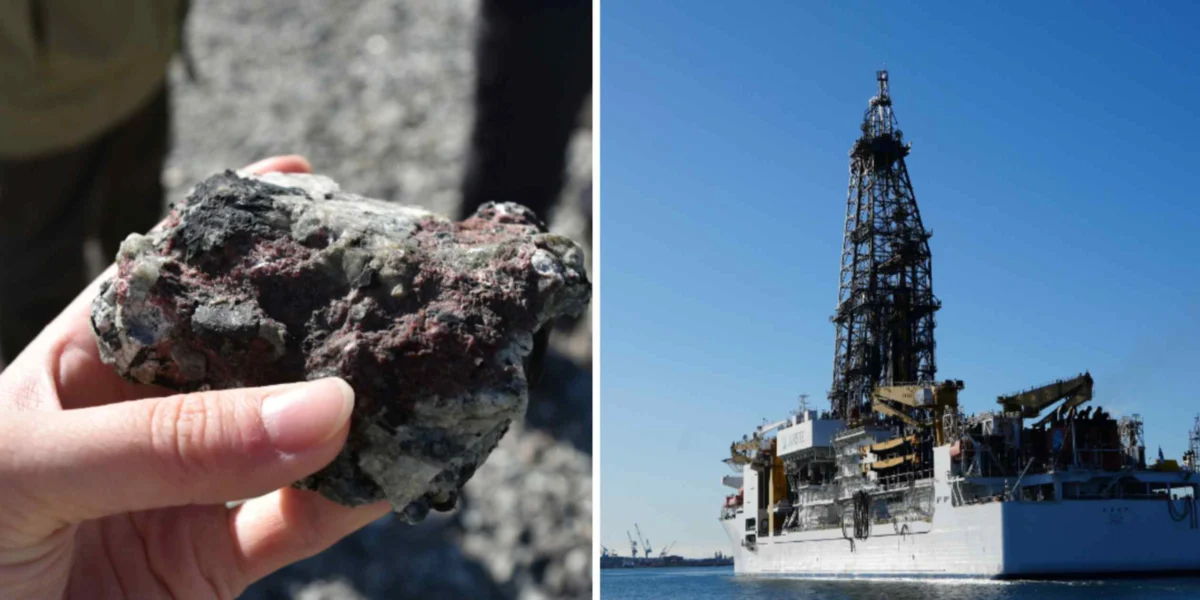
While Japan has limited terrestrial rare earth deposits, recent years have seen a growing interest in exploring unconventional sources, most notably deep-sea mud. Research conducted by organizations like the Japan Agency for Marine-Earth Science and Technology (JAMSTEC) has indicated the presence of significant concentrations of rare earth elements in deep-sea mud deposits, particularly in the Pacific Ocean. Japanese companies, in collaboration with governmental agencies, are actively pursuing rights and developing technologies for the sustainable and economically viable extraction of these deep-sea resources. This ambitious endeavor, if successful, could unlock substantial new sources of rare earths for Japan, significantly diversifying its supply base. The exploration and potential exploitation of these deep-sea reserves represent a long-term strategic play, aiming to secure a domestic source of raw materials that can complement efforts in refining and recycling.
Key Players and Their Strategic Investments
Proterial, a company with a long history in materials science and manufacturing, is a key protagonist in this rare earth revival. Their strategic focus includes not only refining but also the development of high-performance rare earth magnets, essential for electric vehicles and renewable energy technologies. By investing in both upstream (resource acquisition and refining) and downstream (magnet production) capabilities, Proterial aims to create a vertically integrated rare earth supply chain. This approach allows for greater control over quality, cost, and supply reliability, crucial for meeting the demands of Japan’s high-tech industries.
Mitsubishi Materials, another industrial giant with deep roots in materials processing, is similarly making significant strides. Their efforts are concentrated on enhancing their rare earth refining technologies and exploring new methods for extracting valuable elements from diverse sources. The company’s involvement in developing advanced materials, including those that utilize rare earths, positions them to be a crucial supplier to critical sectors. Their investments are geared towards not just meeting current demand but also anticipating future technological needs that will require a stable and accessible supply of rare earths.
Beyond these two prominent entities, a consortium of Japanese companies and research institutions is actively collaborating on various aspects of the rare earth supply chain. This collaborative spirit, often facilitated by government initiatives, is crucial for pooling resources, sharing expertise, and accelerating the pace of innovation and development. The Japan Organization for Metals and Energy Security (JOGMEC) has been instrumental in supporting these endeavors through funding, research, and diplomatic efforts to secure international resource access.
Historical Context: The Decline and Reawakening
The trajectory of Japan’s rare earth industry has been marked by a significant decline in the late 20th century. Following the oil crises of the 1970s, Japan sought to reduce its reliance on imported energy and raw materials by developing domestic processing capabilities. In the 1980s and early 1990s, Japan was a leading producer of rare earth magnets and possessed significant refining capacity. However, the emergence of China with its vast, low-cost mining operations and less stringent environmental regulations led to a gradual shift of global production eastward. Japanese companies, facing competitive pressures, began to phase out their domestic mining and refining operations, becoming increasingly dependent on Chinese imports.
The 2010 export dispute served as a watershed moment, exposing the strategic risks inherent in this dependence. While immediate efforts were made to diversify sourcing and explore alternative suppliers, the scale of China’s dominance proved difficult to overcome. The current push represents a more determined and comprehensive attempt to reverse this trend, driven by a deeper understanding of the strategic implications of rare earth supply for national security and economic competitiveness in the 21st century.
Supporting Data and Projected Trends
The global demand for rare earth elements is projected to grow significantly in the coming years, driven by the accelerating transition to green energy and the expansion of electric vehicle production. Market research reports indicate a compound annual growth rate (CAGR) of over 5% for the rare earth market between 2023 and 2030. Key applications driving this growth include:
- Electric Vehicles (EVs): High-strength permanent magnets, often made with neodymium, praseodymium, and dysprosium, are crucial for the efficiency of EV motors. The global EV market is expected to grow exponentially, increasing demand for these critical rare earths.
- Wind Turbines: Similar to EVs, large wind turbines rely on powerful rare earth magnets to generate electricity efficiently. The global push for renewable energy sources will continue to drive demand.
- Consumer Electronics: Smartphones, laptops, and other advanced electronic devices incorporate rare earths in various components, including displays, speakers, and hard drives.
- Defense and Aerospace: The unique magnetic and optical properties of rare earths make them indispensable for advanced radar systems, guided missiles, and other defense applications.
Japan’s strategic investments in its rare earth industry are therefore not merely about reducing current dependence but also about positioning itself to capitalize on these future growth opportunities and maintain its competitive edge in high-technology sectors.
Broader Impact and Implications
The success of Japan’s rare earth renaissance will have far-reaching implications, both domestically and internationally:
- Enhanced National Security: A more robust domestic supply chain will reduce Japan’s vulnerability to geopolitical pressures and supply disruptions, bolstering its economic and national security.
- Technological Advancement: Securing a stable supply of rare earths is crucial for Japan’s leading industries in automotive, electronics, and renewable energy. This initiative will support continued innovation and competitiveness in these sectors.
- Diversification of Global Supply: If Japan successfully develops new mining and refining capabilities, it could contribute to a more diversified global rare earth market, potentially reducing the overall market concentration and mitigating future supply risks for other nations.
- Environmental Considerations: The focus on recycling and the responsible development of deep-sea resources, if managed with stringent environmental protocols, could offer more sustainable alternatives to traditional mining practices. However, the environmental impact of deep-sea mining remains a significant area of concern and requires rigorous scientific assessment and international cooperation.
- Economic Opportunities: The revival of the rare earth industry will create new jobs, foster technological innovation, and contribute to economic growth within Japan.
Challenges Ahead
Despite the strong momentum, Japan’s rare earth industry faces considerable challenges. Establishing efficient and cost-competitive refining operations requires substantial capital investment and technological expertise. The environmental impact and economic viability of deep-sea mining are still subjects of ongoing research and debate. Furthermore, the global rare earth market is highly competitive, with established players and ongoing efforts by other nations to secure their own supply chains.
However, the strategic imperative is clear, and the commitment from major Japanese corporations, supported by government policy, suggests a sustained effort. The journey to a fully independent and resilient rare earth supply chain is a complex undertaking, but the current initiatives by Proterial, Mitsubishi Materials, and their partners signal a determined and significant step towards that goal, marking a new chapter for Japan’s critical materials sector. The world is watching to see if this renaissance can truly reclaim Japan’s position as a key player in the global rare earth landscape.