Gilang Muhammad
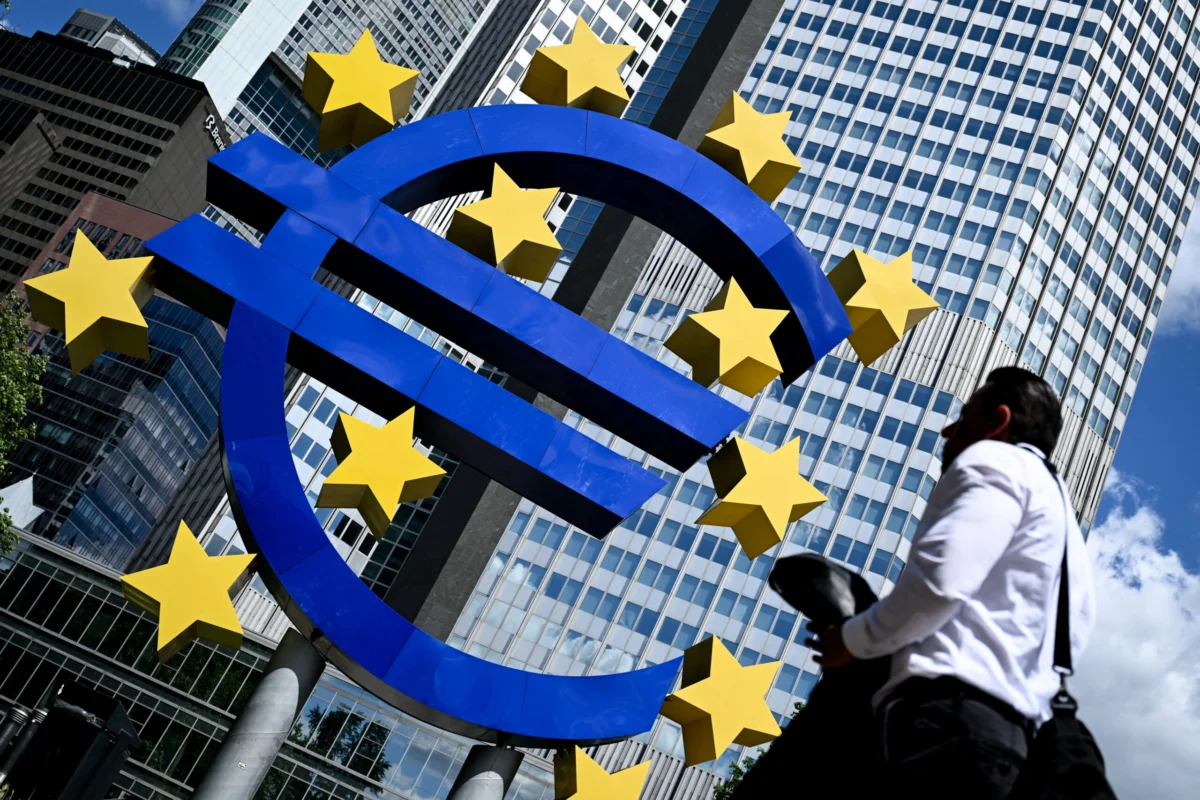
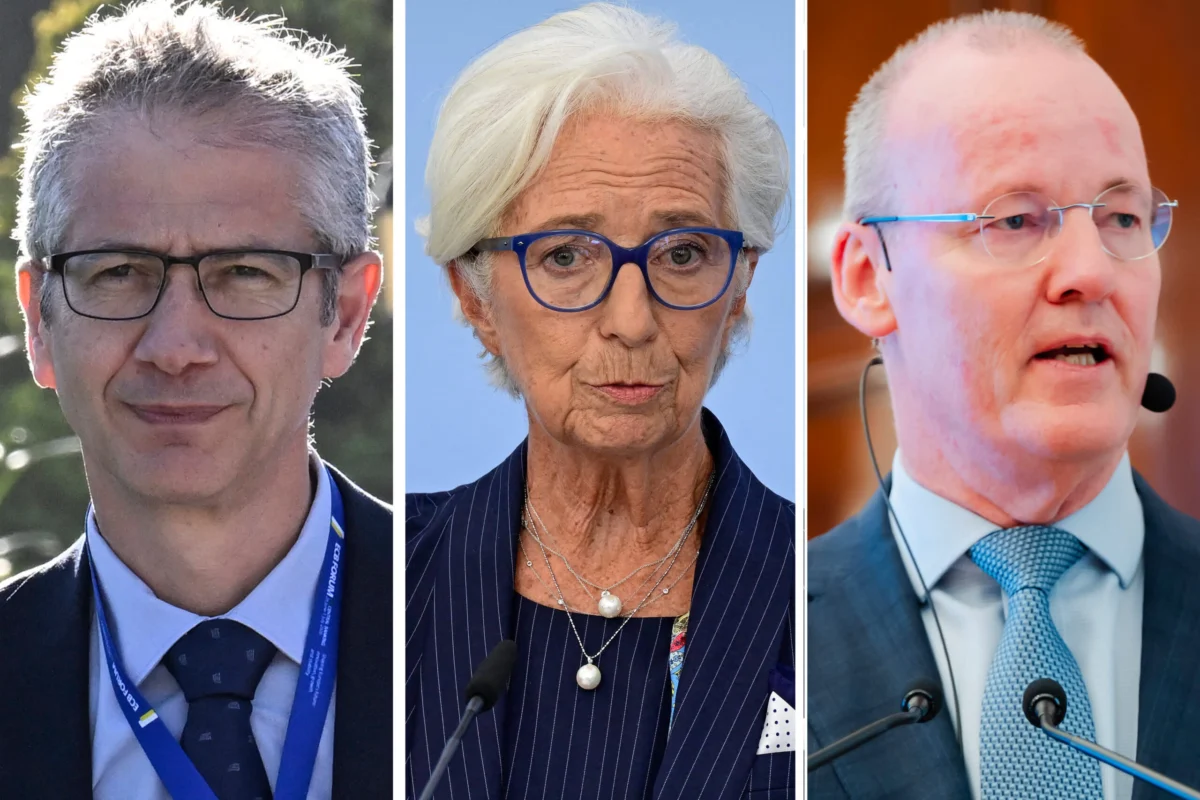
Frankfurt am Main – The European Central Bank (ECB) on Thursday opted to maintain its key interest rates at current levels, defying a surge in Eurozone inflation to a three-year high and meeting broad market expectations. This decision keeps the central bank’s deposit facility rate anchored at 2.5%, following a 25 basis point (bp) increase just last month. The move signals a cautious, data-dependent stance by the Governing Council as it navigates persistent energy price pressures exacerbated by geopolitical tensions and the backdrop of President Christine Lagarde’s announced resignation.
A Deliberate Pause Amidst Mounting Pressures
The Governing Council’s decision to hold rates steady was delivered after an intense debate, as revealed by President Lagarde during her press conference. While headline inflation across the 20-nation Eurozone surged to 3.8% in September, marking its highest point since September 2023, the ECB emphasized its focus on underlying inflationary trends and the stability of wage growth. The institution’s statement acknowledged that rising energy prices presented significant "upside risks" to the inflation outlook, simultaneously posing "downside risks" to economic growth. However, Lagarde reassured markets that the ECB was "not seeing second-round effects in addition to what is already included in the projections" released in September, suggesting that the current inflationary spike was still largely viewed as external and not yet deeply embedded in domestic price-setting mechanisms.
This "hawkish pause," as some analysts characterized it, reflects the central bank’s delicate balancing act. On one hand, persistent inflation, particularly in the energy sector, demands vigilance. On the other, the cumulative impact of past rate hikes and increasing economic uncertainties necessitate a measured approach to avoid stifling nascent growth. The Euro currency, nonetheless, experienced a dip against the U.S. dollar in the immediate aftermath of the announcement, reflecting market participants processing the implications of the hold.
Chronology of Economic and Geopolitical Shocks
The ECB’s recent policy trajectory has been heavily influenced by a series of interconnected global events. The year 2026 has been particularly tumultuous, beginning with the outbreak of the U.S.-Israeli war with Iran in February. This conflict immediately reignited concerns over global energy supplies, leading to significant price volatility across oil, petrol, fuel, gas, and refining margins.
- February 2026: The escalation of the Middle East conflict triggers an initial wave of energy price increases, threatening the fragile economic recovery in the Eurozone.
- June 2026: In response to these renewed inflationary pressures, the ECB implements its first interest rate hike since 2023, signaling a renewed commitment to price stability. This move was a clear pivot from previous considerations of potentially easing policy.
- September 2026: Eurozone headline inflation accelerates to 3.8%, a three-year peak, largely driven by an alarming 18.8% year-on-year increase in energy prices. Recognizing the persistence of these pressures, the ECB executes another 25 basis point rate hike, bringing the deposit facility rate to 2.5%.
- October 29, 2026: ECB President Christine Lagarde announces her decision to step down from her position, adding a layer of leadership uncertainty to the central bank’s future policy direction. This announcement came just days before the scheduled monetary policy meeting.
- November 2026 (Thursday’s Decision): Despite the high inflation reading and ongoing energy market turbulence, the Governing Council votes unanimously to hold rates steady, emphasizing a "measured approach" amidst accumulating uncertainties.
Lagarde specifically highlighted two main developments since the ECB’s last meeting: the aforementioned surge in energy costs and a "sharp rise in long-term financing costs," with the average 10-year sovereign yield climbing by approximately 35 basis points. These factors, she explained, formed the core of the Governing Council’s debate over whether a further hike was appropriate, ultimately leading to the decision to pause.
Supporting Economic Data and Market Reactions
The latest economic indicators painted a mixed picture for the Eurozone. While headline inflation soared, underlying inflation, which strips out volatile energy and food prices, remained broadly stable. This distinction is crucial for the ECB, as core inflation is often seen as a better gauge of persistent price pressures arising from domestic demand and wage growth. The central bank’s assessment that "underlying inflation and wages were so far broadly stable" underpinned its decision to hold rates.
On the growth front, the Euro area economy continued to expand in the third quarter of the year. The Governing Council noted a significant recovery in the services sector since the onset of the Middle East conflict, suggesting resilience despite external shocks. Furthermore, investments in artificial intelligence (AI) were identified as boosting manufacturing, digital services, and exports. Government spending on infrastructure and defense also contributed to supporting business activity. However, these positive signals were tempered by concerns that sustained energy price pressures would likely erode consumer confidence, while higher financing costs continued to weigh on overall growth prospects.
Money markets reacted swiftly to the ECB’s announcement. According to LSEG data, traders immediately began pricing in an approximately 67% probability of a rate hike in December, indicating that while the ECB paused, market participants anticipate that the tightening cycle may not be over. This suggests that the "hawkish pause" is perceived as a temporary respite rather than a definitive end to rate increases, with future decisions heavily contingent on incoming data, particularly regarding inflation and economic resilience.
Official Responses and Broader Implications
President Lagarde’s press conference provided critical insights into the ECB’s thinking. Beyond energy prices and financing costs, she addressed concerns regarding rising French borrowing costs and increased financial fragmentation within the Eurozone, which have unnerved some market watchers. Lagarde attributed the global rise in long-term borrowing costs to both expectations for future inflation and interest rates, as well as increased "debt issuance by some of the hyperscalers," referring to large technology companies issuing more long-term bonds and thus driving up competition for capital. The ECB, she affirmed, would continue to monitor these developments closely.
The decision has wide-ranging implications for various stakeholders:
- Consumers: While a pause in rate hikes might offer some relief by not immediately increasing borrowing costs for mortgages and loans, the persistent high inflation, particularly in energy, will continue to erode purchasing power and consumer confidence.
- Businesses: Higher financing costs, driven by the cumulative effect of past hikes and rising sovereign yields, will continue to impact investment decisions. However, the sustained economic expansion in Q3, particularly in services and AI-related sectors, offers some counterbalancing optimism.
- Governments: The focus on rising French borrowing costs highlights broader fiscal challenges across the Eurozone. While Dean Turner of UBS Global Wealth Management suggested that France’s fiscal situation would not alter monetary policy "in the absence of broader financial stress," it underscores the interconnectedness of fiscal and monetary stability.
- Exchange Rates: The euro’s immediate weakening against the dollar reflects a divergence in monetary policy expectations, with the U.S. Federal Reserve potentially maintaining a tighter stance for longer, or simply a reaction to the ECB holding steady.
Future Outlook: One More Hike and the Leadership Transition
The question now shifts to the ECB’s next move, particularly at its December meeting. Mark Wall, Deutsche Bank’s chief European economist, articulated the prevailing uncertainty: "Predicting the path of ECB monetary policy is becoming more challenging." He questioned whether the two rate hikes already delivered, coupled with the tightening of financial conditions since September, would be sufficient to counteract the further increase in energy inflation risk. His assessment? "Probably not." Deutsche Bank anticipates "one more hike to 2.75% in December while Lagarde is still President," potentially marking the end of the current hiking cycle.
Dean Turner of UBS Global Wealth Management echoed the sentiment of a "hawkish pause," stating it should not be viewed "as the end of the tightening cycle." He emphasized the ECB’s unwavering focus: "The ECB’s focus remains firmly on ensuring that today’s energy-driven inflation does not develop into a more persistent problem."
A significant factor influencing future decisions will be the impending departure of President Lagarde. Her announcement on October 29 introduced a layer of uncertainty regarding the institution’s leadership. While Wall noted that "the institution is bigger than the person," acknowledging the robust framework of the ECB, a leadership transition at such a critical juncture inevitably raises questions about continuity and potential shifts in policy emphasis. The process for selecting her successor will be closely watched by markets, as the next President will inherit the formidable task of steering the Eurozone economy through persistent inflation, geopolitical volatility, and the delicate balance of promoting growth while maintaining price stability. The December meeting, therefore, is poised to be particularly significant, not only for its monetary policy implications but also as potentially Christine Lagarde’s final act in a pivotal role.