Gilang Muhammad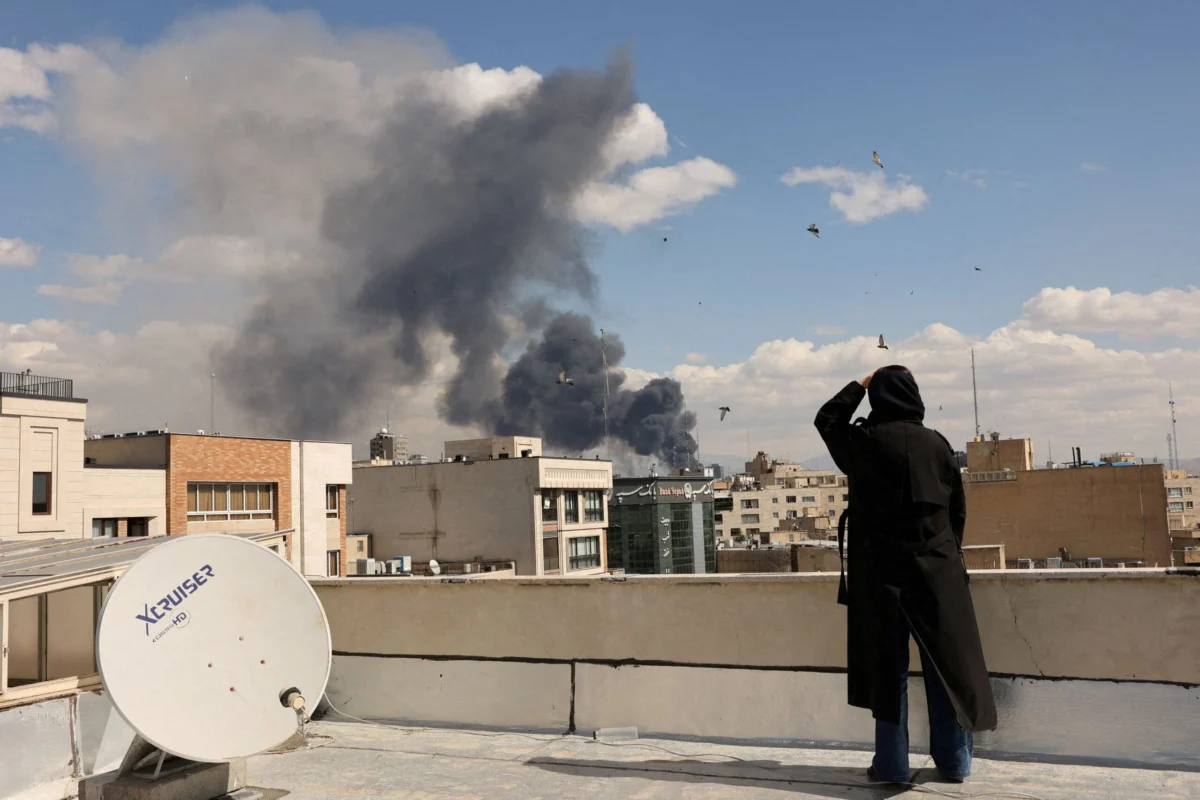
The volatile conflict between the United States, Israel, and Iran has plunged into its third day, with all parties signaling a readiness for sharper responses, intensifying global anxieties over a wider war that threatens to destabilize the global economy. The unprecedented events of the past 72 hours, particularly the death of Iran’s Supreme Leader, Ayatollah Ali Khamenei, have dramatically reshaped the geopolitical landscape of the Middle East and beyond.
The Genesis of Escalation: A Three-Day Chronology of Conflict
The roots of the current conflagration run deep, steeped in decades of animosity, geopolitical rivalry, and ideological clashes between the U.S. and Iran. Tensions had been steadily mounting in the months leading up to March 2026, exacerbated by the U.S. withdrawal from the Joint Comprehensive Plan of Action (JCPOA), stringent sanctions against Tehran, and a series of proxy confrontations across the Middle East. Frequent skirmishes involving U.S. forces and Iran-backed militias in Iraq and Syria, coupled with persistent threats to maritime shipping in the Persian Gulf, had created a powder keg atmosphere. U.S. President Donald Trump’s administration had consistently adopted a maximalist pressure campaign, often warning of decisive action against any perceived Iranian aggression or nuclear proliferation efforts.
The situation reached a critical inflection point on Saturday, March 1, 2026. In a meticulously coordinated and massive military operation, the United States and Israel launched extensive aerial attacks targeting strategic sites within Iran. These strikes culminated in the death of Ayatollah Ali Khamenei, Iran’s Supreme Leader, a figure who had wielded ultimate authority over the Islamic Republic for over three decades since 1989. The targeting of such a high-profile leader marked a significant departure from previous engagements and was immediately perceived as an act of war by Tehran. Iranian state media quickly confirmed Khamenei’s death, triggering a nationwide outpouring of grief and vows of "harsh revenge" from across the political and military spectrum.
The repercussions were swift and severe. Throughout Sunday, March 2, 2026, Iran unleashed a wave of retaliatory missile and drone attacks. These strikes targeted not only Israel but also key U.S. military installations and civilian infrastructure in several U.S.-allied Gulf countries. The United Arab Emirates, Qatar, Kuwait, and Saudi Arabia found themselves under direct assault, with reports confirming hits on vital facilities. Notably, Dubai, a bustling global hub, experienced direct hits, including the luxury Fairmont The Palm hotel and the critically important Dubai International Airport, causing widespread disruption and raising alarm bells about the safety of international commerce and travel in the region. The audacity and breadth of these retaliatory strikes underscored Iran’s capability and willingness to project power beyond its borders.
The human cost of the initial two days of conflict began to emerge on Sunday. Iranian state media reported that more than 200 people had been killed during the U.S.-Israel strikes, though independent verification remained challenging amid the chaos. Simultaneously, the U.S. military confirmed its own casualties, announcing that three American service members had been killed and another five seriously wounded in the Iranian counter-attacks. This confirmed loss of American lives immediately elevated the stakes, signaling a direct and lethal engagement for U.S. forces. In Tehran, the sudden leadership vacuum created by Khamenei’s death was temporarily filled by an emergency council comprising Iranian President Masoud Pezeshkian, the head of the judiciary, and a member of the Guardians Council, tasked with maintaining stability and guiding the nation through this unprecedented crisis.
As Monday, March 3, 2026, dawned, the conflict entered its third perilous day. The initial shockwaves continued to reverberate globally, manifesting in volatile financial markets and a flurry of diplomatic activity, or lack thereof. Both Washington and Tehran doubled down on their rhetoric, with no clear signs of de-escalation, deepening fears that the region was on the brink of a protracted and devastating war.
The Geopolitical Vacuum: Iran’s Succession Crisis and Internal Dynamics
The death of Ayatollah Ali Khamenei represents a seismic shift in Iranian politics and a profound challenge to the stability of the Islamic Republic. For 37 years, Khamenei served as the ultimate arbiter of power, the supreme religious and political authority. He oversaw Iran’s nuclear program, its complex network of regional proxies, and its often-antagonistic relationship with the West. His passing, particularly under such violent circumstances, has created an immediate and perilous leadership vacuum.

Khamenei had deliberately refrained from publicly designating a successor, a move that ensured his unchallenged authority during his lifetime but now guarantees a period of intense internal maneuvering. The interim leadership council, swiftly assembled on Sunday, comprising President Masoud Pezeshkian, the head of the judiciary, and a member of the powerful Guardians Council, is a temporary measure designed to project continuity. However, this triumvirate is unlikely to hold power indefinitely. The process of selecting a new Supreme Leader, typically overseen by the Assembly of Experts, an 88-member body of high-ranking clerics, will be fraught with challenges.
Potential successors include influential figures within the clerical establishment and the Revolutionary Guard Corps (IRGC). The IRGC, a powerful military and economic force, has historically been deeply loyal to Khamenei and is expected to play a crucial role in shaping the succession. Its influence could either stabilize the transition by backing a favored candidate or exacerbate internal divisions if factions emerge. The timing of Khamenei’s death, amidst foreign aggression and national mourning, may also lead to a consolidation of hardline power, as the regime seeks to present a united front against external threats. This period of uncertainty leaves Iran vulnerable to both internal power struggles and external pressures, with significant implications for its domestic policies, its nuclear ambitions, and its engagement (or lack thereof) with the international community. The potential for social unrest, fueled by economic hardship and the ongoing debate over the nature of the Islamic Republic, also looms large.
Economic Reverberations: Global Markets Under Strain
The escalating conflict immediately sent shockwaves through global financial markets on Monday, underscoring the Middle East’s critical role in the world economy, particularly its energy supply. The prospect of a drawn-out conflict and major oil supply disruptions ignited a sharp risk-off sentiment.
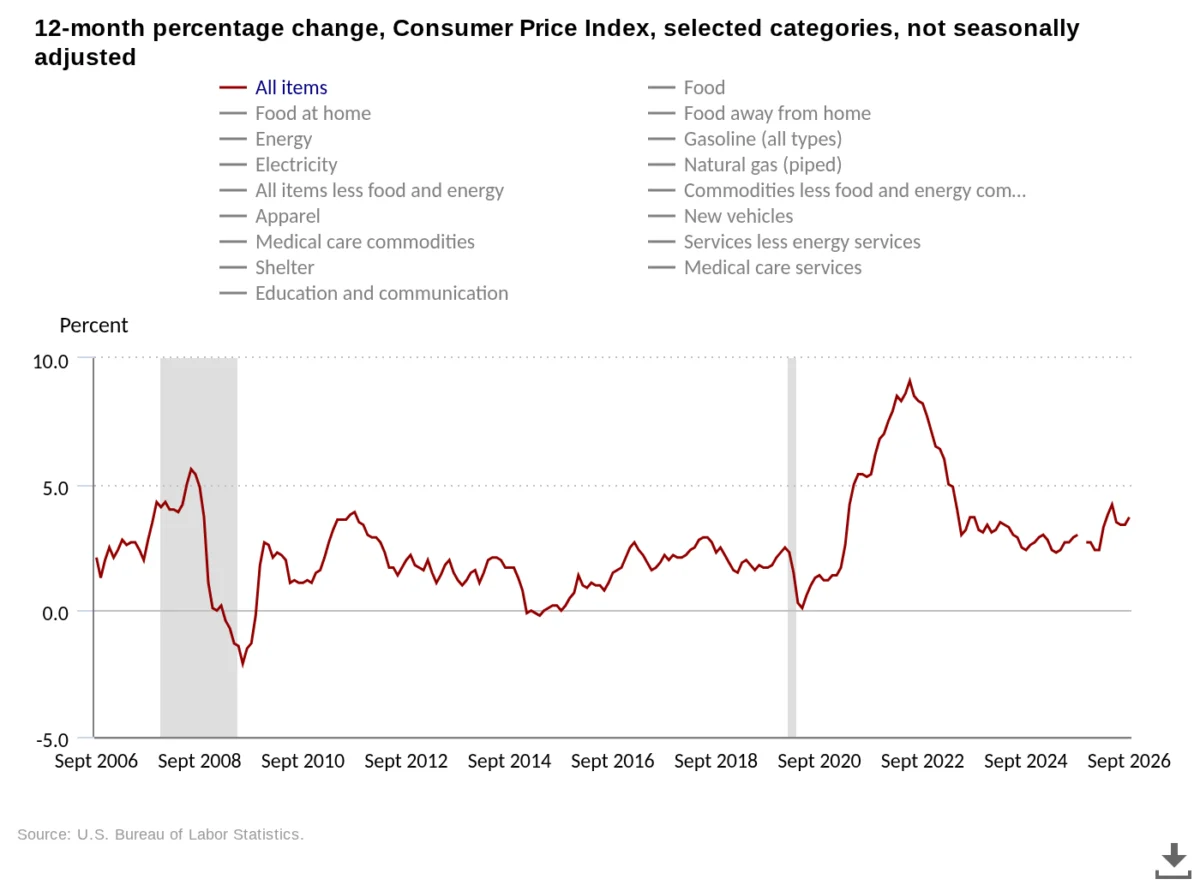
Crude Oil Prices: The most immediate and dramatic impact was felt in the energy sector. Crude oil prices surged dramatically in early Monday trading. U.S. crude (West Texas Intermediate, WTI) for April 2026 delivery jumped more than 8%, or $5.55, to reach $72.57 per barrel, before paring some gains later in the day. The global benchmark, Brent crude, saw an even larger spike, climbing about 9%, or $6.54, to $79.41. Traders were acutely aware of the region’s vulnerability, especially the Strait of Hormuz, a narrow chokepoint through which approximately 20% of the world’s total petroleum liquids consumption flows. Any significant disruption to this vital shipping lane, which Iran has repeatedly threatened to close in previous crises, would have catastrophic consequences for global energy supplies and prices. Analysts warned that sustained high oil prices could trigger a global inflationary spiral and potentially tip major economies into recession.
Safe-Haven Assets: Amidst the heightened geopolitical uncertainty, investors flocked to traditional safe-haven assets. Precious metals experienced significant gains. Gold climbed approximately 2%, trading around $2,100 per ounce, as its appeal as a store of value in times of crisis reasserted itself. Silver also saw a comparable increase of around 2%. This movement reflected a widespread flight from risk, with capital seeking refuge in assets perceived as less volatile.
Currencies and Bonds: The U.S. dollar, often considered a safe-haven currency, strengthened. The U.S. dollar index, which measures the greenback against a basket of major currencies, was 0.26% higher at 97.863 as of 11:20 p.m. EST. In the bond market, the 10-year Treasury yield remained relatively stable at 3.97% on Monday, having regained some ground after falling to an 11-month low of 3.926% on Friday, indicating a complex interplay between safe-haven demand and inflationary concerns.
Equity Markets: Risk assets globally experienced a significant pullback. Futures on the Dow Jones Industrial Average dropped 521 points, or 1%, indicating a negative open for U.S. markets. S&P 500 futures lost 1%, and Nasdaq 100 futures declined a little more than 1%, reflecting investor concerns about corporate earnings and economic growth prospects under a cloud of conflict. Asian markets, which were among the first to react, also saw significant declines. Japan’s Nikkei 225 slipped 1.2%, while the broader Topix index fell 1.34%. Hong Kong’s Hang Seng index opened 1.15% down, and mainland China’s CSI 300 was down 0.25%. Australia’s S&P/ASX 200 fell 0.48%.
Broader Economic Impact: Beyond immediate market reactions, the conflict carries the potential for broader economic ramifications. Supply chain disruptions, particularly in areas reliant on Middle Eastern shipping routes, could lead to higher costs for consumers and businesses worldwide. Industries such as aviation and tourism, especially in the Gulf region, face severe immediate and long-term challenges due to security concerns and travel advisories. The global economy, still recovering from various shocks, is ill-equipped to absorb a prolonged and costly conflict in such a vital region.
De-escalation or Prolonged Conflict? Divergent Narratives

The immediate aftermath of the initial strikes has been characterized by sharply divergent narratives from Washington and Tehran regarding the path forward, sowing confusion and deepening uncertainty about the conflict’s trajectory.
President Trump’s Stance: U.S. President Donald Trump, while defending the strikes, has acknowledged the grim reality of potential further casualties. He warned that there would "likely be more American casualties" as the military operations unfold, a stark admission of the risks involved. In an interview with the Daily Mail newspaper on Sunday, Trump offered a peculiar timeline, suggesting the conflict with Iran could continue for the next four weeks. "It’s always been a four-week process. We figured it will be four weeks or so. It’s always been about a four-week process so – as strong as it is, it’s a big country, it’ll take four weeks – or less," he was quoted as saying, a statement that offered little clarity on the strategic objectives or exit strategy.
Adding another layer of complexity, Trump claimed in an interview with The Atlantic magazine that Iran’s "new leadership" was already seeking to resume negotiations, and that he had "agreed to talk to them." He stated, "They want to talk, and I have agreed to talk, so I will be talking to them. They should have done it sooner. They should have given what was very practical and easy to do sooner. They waited too long." However, he offered no specifics on when or where these purported talks would take place, or who precisely constituted this "new leadership" that was ready to engage so swiftly after the assassination of their supreme leader.
Iran’s Rejection of Talks: Iran’s response to Trump’s negotiation claims was swift and unequivocal. Ali Larijani, a prominent security chief and former adviser to the late Supreme Leader, categorically rejected any prospect of resuming negotiations with the Trump administration. In a post on X, Larijani stated, "We will not negotiate with the United States." This immediate and public rejection from a high-ranking Iranian official directly contradicted Trump’s assertion, highlighting the profound chasm of mistrust and the unlikelihood of diplomatic engagement in the immediate wake of such a provocative attack and the death of their spiritual and political leader. From Tehran’s perspective, such a claim from Trump might be seen as an attempt to project strength or sow internal discord, rather than a genuine offer for dialogue.
U.S. Domestic Debate and Legal Scrutiny: The U.S. strikes have also ignited a fierce debate within the United States over their legal foundation and the constitutional authority for military action. Critics quickly pointed to the U.S. Constitution, which grants Congress the sole power to declare war. Brian Finucane, a senior advisor at the Brussels-based International Crisis Group, articulated this concern, stating, "There is no plausible legal justification for the U.S. attack on Iran." He emphasized that Congress had not authorized military action and that the president was not acting to repel any sudden attack upon the U.S. homeland, which might justify a more immediate executive response. Finucane further warned, "Even by the standards of unilateral executive military action of recent decades, President Trump’s unauthorized attack on Iran stands apart due to its scale and likely repercussions, including for U.S. forces in the region."
U.S. lawmakers across the political spectrum have voiced deep concerns over the prospect of a potentially prolonged and costly war in the Middle East. Senator Tom Cotton, the Republican Chairman of the Senate Intelligence Committee from Arkansas, acknowledged on CBS News’ "Face the Nation" that "there is no simple answer for what’s going to come next." Meanwhile, Senator Chris Murphy, a Connecticut Democrat, sharply criticized the administration, stating, "It’s no secret that this administration has no plan for the chaos that is unfolding right now in the Middle East." These statements underscore a growing bipartisan unease about the lack of a clear strategy and the potentially devastating consequences of an unconstrained conflict.
International Responses: A Divided World
The U.S.-Israel strikes on Iran and Tehran’s subsequent retaliation have triggered a diverse array of reactions from global leaders, largely reflecting existing geopolitical alliances and fault lines. The world watches anxiously, with some nations backing the U.S. and Israel, while others condemn the military action and call for de-escalation.
Russia and China: Unsurprisingly, two of the U.S.’s primary geopolitical rivals, China and Russia, strongly condemned the strikes. In a phone call with his Russian counterpart, Chinese Foreign Minister Wang Yi declared it "unacceptable for the U.S. and Israel to launch attacks against Iran… still less to blatantly assassinate a leader of a sovereign country and instigate regime change." Wang reiterated Beijing’s consistent call for an "immediate ceasefire" and an "earliest possible return to dialogue and negotiation," framing the U.S. action as a violation of international law and sovereignty.
Russian President Vladimir Putin reportedly expressed condolences over the death of Khamenei, characterizing the act as "a murder committed in cynical violation of all norms of human morality and international law." A statement from the Russian foreign ministry on Saturday echoed China’s sentiment, calling for "an immediate return to a political and diplomatic track." These synchronized condemnations from Beijing and Moscow underscore a deepening alignment between the two powers and their shared opposition to unilateral U.S. military action, suggesting potential friction in international bodies like the UN Security Council.
Western Allies: Most Western leaders, while expressing concern over escalation, largely offered tacit or explicit support for the U.S. position, albeit with varying degrees of nuance.

- European Union: Ursula von der Leyen, President of the EU Commission, appeared to support the underlying objective of the U.S. action, calling for a "credible transition" in Iran that could restore stability and reflect the "democratic aspirations of the brave people of Iran." This statement was interpreted by some as a subtle endorsement of regime change, aligning with the U.S. administration’s long-term objectives.
- Britain: The U.K. government clarified that it had not participated directly in the strikes and reiterated its desire "not to see further escalation into a wider regional conflict." However, Prime Minister Keir Starmer confirmed that London had "agreed to let the U.S. use its military bases for ‘defensive’ strikes on Iranian missile sites," indicating a strategic alignment and logistical support for its primary ally, while attempting to distance itself from the more aggressive aspects of the operation.
- Australia: Prime Minister Anthony Albanese highlighted Iran’s decades-long role as a "destabilizing force" in the region. He stated, "We support the United States acting to prevent Iran from obtaining a nuclear weapon and to prevent Iran continuing to threaten international peace and security," a clear endorsement of the stated U.S. objectives.
- Canada: Prime Minister Mark Carney echoed Australia’s stance, affirming, "Canada supports the United States acting to prevent Iran from obtaining a nuclear weapon and to prevent its regime from further threatening international peace and security." These statements from key Western allies reflect a shared concern over Iran’s nuclear ambitions and regional activities, despite the contentious nature of the U.S. and Israeli strikes.
Gulf States: The U.S.-aligned Gulf countries, directly targeted by Iran’s retaliatory strikes, adopted a posture of defiance. In a joint statement, they vowed to "stand united in defense of our citizens, sovereignty and territory, and reaffirm our right to self-defense in the face of these attacks." This collective stance highlights their precarious position: allies of the U.S. and hosts to its military bases, they are simultaneously direct targets of Iranian aggression. Their immediate concern remains regional security and protecting their critical infrastructure and populations.
Broader Implications and Outlook
The current crisis carries profound implications that extend far beyond the immediate battlefields.
Regional Stability: The Middle East, already a crucible of conflicts, now faces the imminent threat of an even wider regional war. The network of proxy groups supported by Iran, including Hezbollah in Lebanon, Houthi rebels in Yemen, and various militias in Iraq and Syria, could be activated, leading to a multi-front conflict. This would not only devastate the region but also exacerbate humanitarian crises and potentially trigger massive refugee flows. The assassination of Khamenei, a figure of immense symbolic and practical power, removes a key — albeit antagonistic — figure around whom Iran’s foreign policy had coalesced, potentially leading to more unpredictable and fragmented actions from Tehran or its proxies.
Global Energy Security: The volatility in oil markets is likely to persist. Any prolonged disruption to shipping through the Strait of Hormuz or attacks on oil infrastructure in the Gulf could send prices skyrocketing, triggering a global energy crisis. This vulnerability highlights the urgent need for diversification of energy sources and strategic oil reserves, but such measures offer little immediate relief.
International Law and Norms: The U.S.-Israel strikes, particularly the assassination of a head of state, have ignited a fierce debate about international law, sovereignty, and the use of force. Critics argue that such actions undermine the international legal order and set dangerous precedents for future interventions. The lack of UN Security Council authorization and the contested legal basis under U.S. domestic law will have lasting repercussions on global governance and the norms of state conduct.
Humanitarian Crisis: An escalating conflict inevitably means a catastrophic human toll. Increased casualties, displacement, and a breakdown of essential services could plunge millions into deeper suffering. Aid organizations are already bracing for a potential humanitarian disaster on an unprecedented scale.
U.S. Credibility and Alliances: The unilateral nature of the strikes, and the ensuing domestic and international legal debates, could strain U.S. alliances and its standing on the global stage. While some allies have offered support, others, particularly those directly affected by Iranian retaliation, may reassess their security arrangements and relationships with Washington. The incident also puts a spotlight on U.S. domestic political stability, with a highly contentious debate unfolding within Congress regarding the executive’s war powers.
The path forward remains perilously uncertain. While President Trump alluded to negotiations, Iran’s emphatic rejection underscores the immediate unlikelihood of a diplomatic off-ramp. Military escalation appears to be the dominant trajectory, with both sides locked in a dangerous cycle of action and reaction. The world watches, hoping for a de-escalation that currently seems distant, as the region grapples with the profound consequences of a conflict whose full scope is yet to unfold.