Gilang Muhammad
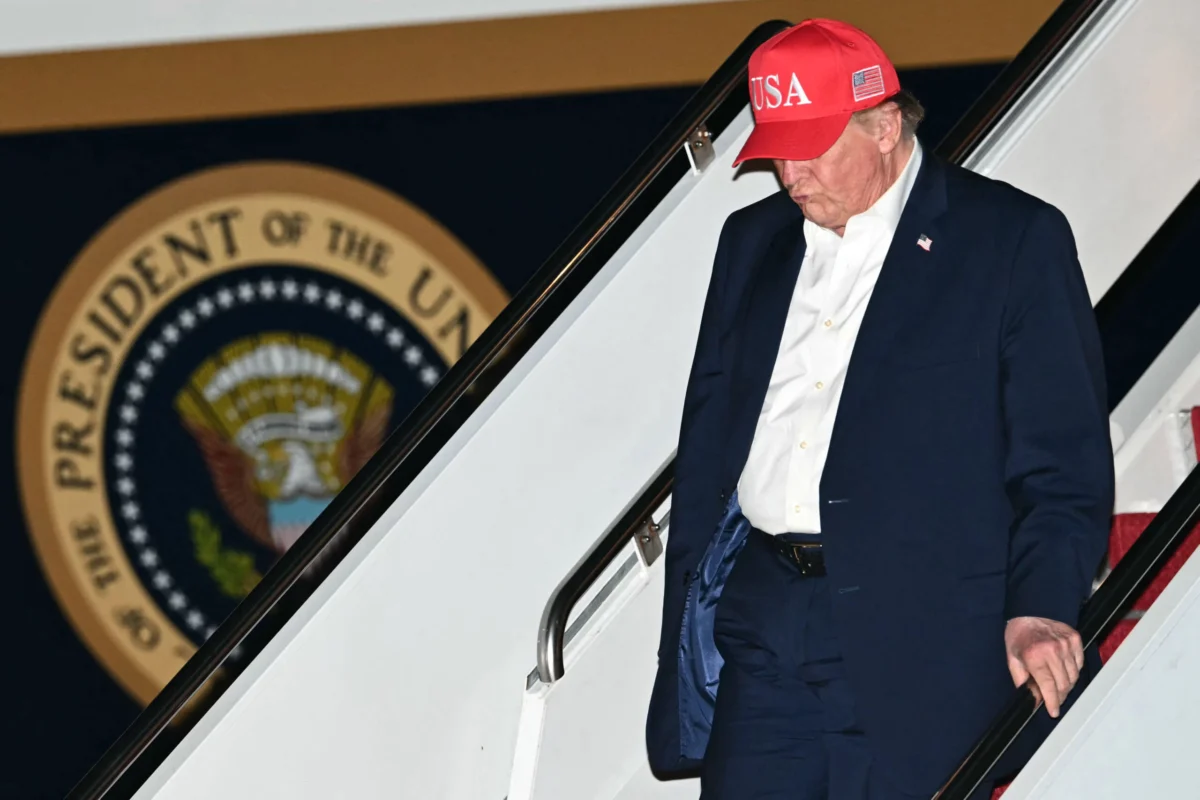
Washington D.C. – A profound wave of voter dissatisfaction with the economy, exacerbated by the ongoing war with Iran and the perceived negative impacts of President Donald Trump’s policies, swept Democrats into power in the 2026 midterm elections, ending the Republican Party’s trifecta control of the federal government. The "blue wave" saw Democrats flip key battleground congressional seats and long-held Republican governorships, securing control of both the House and Senate. This dramatic shift marks a stark contrast to Trump’s decisive victory in the 2024 presidential election, where he successfully capitalized on similar economic anxieties.
The Unraveling of the Republican Mandate
Just two years prior, President Donald Trump had effectively leveraged concerns over inflation and the cost of living to win every swing state and the nationwide popular vote in the 2024 presidential race. His campaign rhetoric, centered on the question of whether voters were "better off than they were four years prior," resonated deeply with an electorate grappling with economic uncertainty. However, the political landscape dramatically inverted in the 2026 midterms. Voters, still facing persistent kitchen-table issues, decisively turned against the incumbent party, signaling a widespread rebuke of the administration’s economic stewardship.
The scale of the Democratic victory was historic. From tightly contested House districts to gubernatorial races in traditionally Republican strongholds, the Democratic Party demonstrated a formidable resurgence. This outcome effectively shattered the Republican trifecta, which had granted the party unified control over the presidency, Senate, and House of Representatives, setting the stage for a new era of divided government and intense legislative battles. The shift reflects a significant recalibration of voter priorities and trust, indicating a profound loss of confidence in the Republican Party’s ability to manage the nation’s economic challenges.
The Economic Crucible: Inflation and Cost of Living
The central pillar of voter discontent was undeniably the economy. A CNBC Voter Poll revealed that nearly nine out of 10 respondents identified the cost of living as a crucial or major factor influencing their vote for Congress. The economy overwhelmingly outranked other significant national concerns, such as the state of democracy and immigration, as the most important issue facing the country. The poll painted a grim picture of public sentiment: three out of every four participants rated the economy as "poor" or "not so good," with a mere 2% describing it as "excellent." Perhaps the most damning statistic was that fewer than one in five voters felt their family’s financial standing had improved over the past two years.
This widespread dissatisfaction was largely directed at President Trump himself. Approximately two out of every three voters believed his policies had actively worsened the nation’s economic conditions. Mark Zandi, chief economist at Moody’s Analytics, succinctly captured the prevailing mood: "It was all about the economy. Most Americans are struggling with the high inflation and have been for quite some time, and they’re just angry." This anger manifested at the ballot box, transforming economic frustration into political change.
The Shadow of Conflict: The Iran War’s Economic Toll
The 2026 midterm elections unfolded against the backdrop of a politically unpopular war with Iran, which commenced in late February of that year. This conflict served as a critical accelerant to existing inflationary pressures, directly impacting the daily lives of American families. The CNBC Voter Poll underscored the war’s electoral significance, with nearly three out of every four people citing it as a crucial or major factor in their congressional vote.
President Trump, speaking to Fox News post-election, acknowledged that voters were likely unhappy with the surge in gas prices, even if they generally supported military action against Iran. Vice President JD Vance echoed this sentiment on social media, suggesting that some voters who had backed the Trump-Vance ticket in 2024 might have supported Democrats in the midterms specifically because of the war’s economic fallout.
The most visible manifestation of the war’s economic impact was at the gas pump. On Election Day, U.S. drivers faced an average price of $4.15 per gallon of gas, according to AAA – the highest price recorded on any midterm or presidential election day since at least 2000. This represented a staggering 37% increase over the preceding year, directly attributable to the Middle East conflict’s crippling effect on global crude oil trade. Patrick De Haan, head of petroleum analysis at GasBuddy, observed, "America sent a very clear message. Going into an election with prices that on Election Day have never been higher is something that garners a lot of frustration from consumers."
Beyond gas, the war’s ripple effects were profound. Moody’s Analytics’ Mark Zandi estimated that higher prices for gas and other energy products had cost the average American household nearly $1,230 since the start of the Iran war. This financial burden extended further, with rising borrowing costs and expanded military services collectively adding another $900 to household expenses. The Consumer Price Index (CPI), the Bureau of Labor Statistics’ broad measure of goods and services, reaccelerated significantly during the conflict, with consumer price increases consistently outpacing wage gains. This persistent erosion of purchasing power left American consumers feeling increasingly squeezed. Even diesel prices, critical for transportation and supply chains, climbed to unprecedented levels, with transportation executives describing them as "like science fiction." The Producer Price Index (PPI) report further confirmed that soaring diesel costs were driving up prices across a wide array of goods.
Controversial Policies Under Scrutiny

Beyond the immediate crisis of the Iran war, several of President Trump’s domestic policies also faced considerable voter backlash for their perceived negative economic consequences. The CNBC Voter Poll indicated that over three out of five people attributed higher prices to Trump’s policies, and almost nine out of 10 expressed significant concern about the costs of utilities, food, and oil. The comprehensive poll, a collaborative effort drawing on approximately 100,000 interviews, provided a robust snapshot of public sentiment with a narrow margin of error of 0.6%.
One of the most contentious policies was Trump’s implementation of broad and steep tariffs, intended to revive domestic manufacturing. While the administration touted these as beneficial, they often sent financial markets into turmoil and raised fears of a potential recession. Research from the New York Federal Reserve suggested that numerous consumer prices would have actually fallen had it not been for Trump’s tariffs, many of which were later struck down by the Supreme Court. In the CNBC Voter Poll, a significant 64% of respondents believed Trump’s tariff policies harmed the economy in their local area, with only 14% reporting any positive impact.
Similarly, the Trump White House’s aggressive stance on immigration, marked by mass deportations in major cities, sparked widespread protests and drew condemnation. A University of Pennsylvania study found that cities experiencing intensified immigration enforcement collectively saw a decrease in foot traffic and billions of dollars in lost consumer spending. The CNBC Voter Poll reflected this disapproval, with about three out of five voters expressing disapproval of Immigration and Customs Enforcement’s actions and believing the Trump administration had gone too far on the issue. This sentiment persisted despite voters generally trusting the Republican Party more on immigration matters overall.
It is important to acknowledge that not all policies under the Trump administration were met with universal disapproval. The Internal Revenue Service reported in October that the average tax refund increased by 11% following the passage of what Trump dubbed his "big beautiful bill," a comprehensive tax reform package. Additionally, "Trump Accounts," a program allowing parents to access government and donor funds to build savings for children, were generally well-received. However, on Election Day, these positive aspects were overshadowed by the pervasive concerns over affordability, the ongoing Iran war, and persistent inflation pinching household budgets.
A Shift in Public Trust and Lingering Discontent
The 2026 midterms marked a significant shift in public trust regarding economic stewardship. In the 2024 presidential election, voters had largely favored Trump as the candidate better equipped to handle the economy compared to then-Vice President Kamala Harris. This week, however, the tide turned dramatically, with voters expressing greater confidence in Democrats to manage the economy. This change in perception underscores the deep frustration that had built up over two years.
The economic conditions leading up to the midterms were already challenging. Trump had inherited an economy emerging from a pandemic, characterized by a "vibecession"—a term describing the disconnect between sour consumer confidence and otherwise positive economic fundamentals. With consumer prices now enduring one of their longest streaks of higher-than-preferred inflation readings on record, average American economic sentiment had only worsened. The University of Michigan’s consumer sentiment survey in 2026 plummeted to its lowest levels in its seven-decade history, while the Conference Board’s consumer confidence gauge in September slid to 14-year lows.
Francesco D’Acunto, a Georgetown University professor specializing in behavioral economics, aptly summarized the situation: inflation pushed voters to a "breaking point." He elaborated, "If consumers become angry voters, they vote against the status quo — in this case, the Trump administration."
Despite the Democratic triumph, the incoming majority faces an arduous task. Seven out of 10 respondents in the CNBC Voter Poll believed the U.S. economic system generally favored the wealthy, highlighting deep-seated structural concerns that extend beyond the current inflationary cycle. This pervasive sentiment of economic inequality will undoubtedly shape the legislative agenda of the new Congress.
Looking Ahead: Challenges for the New Majority and the GOP’s Future
The implications of the 2026 midterms are far-reaching, setting a complex stage for the next two years and potentially influencing the 2028 presidential cycle. The Democratic Party, now in control of both legislative chambers, will be under immense pressure to deliver tangible economic relief to American households. Their agenda is expected to focus on measures to combat inflation, stabilize energy prices, and potentially roll back some of the Trump-era policies that were widely perceived as detrimental. This includes evaluating the future of remaining tariffs and reassessing immigration enforcement strategies.
For the Republican Party, the loss of congressional control signals a period of significant introspection and potential internal strife. The defeat necessitates a reevaluation of their economic messaging and policy platforms, particularly in light of the voters’ clear rejection of the status quo. The party will grapple with how to reconnect with an electorate that, only two years prior, had entrusted them with the highest office. The role of former President Trump, and the enduring influence of his policies and rhetoric, will be a central point of debate within the party as they strategize for future elections.
Globally, the ongoing Iran war remains a critical variable. Its continuation will likely perpetuate volatility in energy markets and exert sustained inflationary pressure, complicating the economic recovery efforts of the new Congress. The geopolitical landscape, already tense, will continue to be shaped by the conflict, with potential ramifications for international trade and diplomatic relations.
As Mark Zandi wisely concluded, "We know pretty clearly what is making Americans upset. There’s another election coming up in two years. Hopefully, policymakers are listening to all this." The 2026 midterms served as a resounding testament to the power of economic grievances to reshape the political landscape, offering a stark warning and a clear mandate to the newly empowered Democratic majority. The coming legislative session will reveal whether they can successfully address the profound economic anxieties that propelled them to victory.