Lina Wu
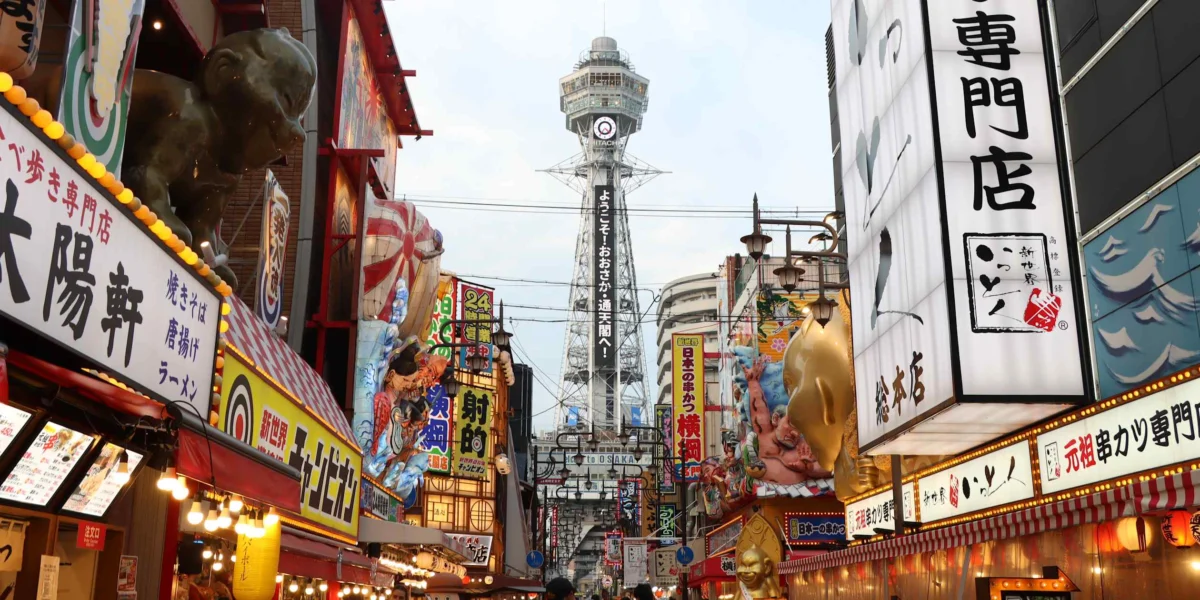
The iconic Tsutenkaku Tower, a beloved landmark in Osaka’s vibrant Shinsekai district, is poised to become the focal point of a significant urban renewal initiative spearheaded by Nankai Electric Railway. The project aims to revitalize the area, drawing inspiration from its nostalgic charm and positioning the tower as a symbol of renewed prosperity, offering visitors a distinct taste of old Japan. This ambitious plan marks a pivotal moment for Shinsekai, a district that has long held a unique place in Osaka’s cultural landscape.

A Symbol of Resilience and Renewal
Tsutenkaku Tower, which celebrated the 70th anniversary of its reconstruction on October 28, 2026, stands as a testament to Osaka’s post-war resurgence. Originally built in 1912, the tower was destroyed by fire in 1943 and subsequently rebuilt in 1956, mirroring the city’s own journey of rebuilding and reinvention. Nankai Electric Railway’s strategic vision places this enduring structure at the heart of its redevelopment efforts, aiming to harness its established popularity and historical significance to draw both local residents and international tourists back to Shinsekai.
The district itself, meaning "New World," was established in 1903 as a showcase for Western influence and modernity, featuring an amusement park and a replica of the Eiffel Tower. However, following World War II, Shinsekai experienced a period of decline, becoming known for its eclectic mix of old-fashioned eateries, pachinko parlors, and a certain gritty, bohemian atmosphere. While this has cultivated a unique character, it has also presented challenges for sustained economic growth and modern urban development. Nankai’s plan seeks to blend this existing character with contemporary amenities and infrastructure, creating a more sustainable and attractive urban environment.

Nankai’s Strategic Vision: Integrating Heritage and Modernity
Nankai Electric Railway, a major transportation and real estate developer in the Kansai region, has long recognized the potential of Shinsekai. The company’s investment in the Tsutenkaku Tower redevelopment signifies a broader commitment to enhancing the appeal of its railway lines and the districts they serve. The "Shinsekai 2026" initiative, as it is informally being referred to, is expected to involve substantial investment in not only the tower itself but also in the surrounding commercial and public spaces.
The redevelopment is envisioned to enhance the visitor experience at Tsutenkaku Tower by modernizing its facilities while preserving its iconic facade and historical ambiance. This could include upgrades to the observation decks, improved accessibility, and the introduction of interactive exhibits that delve into the tower’s history and its significance to Osaka. Furthermore, Nankai plans to stimulate economic activity in the vicinity by encouraging new businesses and revamping existing ones, with a particular focus on traditional Japanese crafts, local cuisine, and entertainment that resonates with the "old Japan" theme.

"Our goal is to reimagine Shinsekai as a destination that proudly showcases its unique heritage while embracing the future," a spokesperson for Nankai Electric Railway stated in a hypothetical statement reflecting the company’s likely strategic direction. "Tsutenkaku Tower, with its rich history and distinctive charm, is the perfect anchor for this revitalization. We believe that by carefully integrating modern amenities with the district’s existing character, we can create a truly unforgettable experience for everyone who visits."
A Chronology of Transformation
The current redevelopment plan is the culmination of several years of consideration and planning by Nankai Electric Railway. While specific timelines for all aspects of the project are still being finalized, key milestones can be anticipated:

- Late 2026 – Early 2027: Initial phases of the Tsutenkaku Tower refurbishment are expected to commence, focusing on interior upgrades and the enhancement of visitor amenities. This period may also see preliminary infrastructure improvements in the surrounding streets.
- 2027 – 2028: The redevelopment will likely expand to encompass the broader Shinsekai district. This phase could involve the introduction of new retail and dining establishments, the renovation of public spaces, and the implementation of improved signage and lighting to enhance the area’s aesthetic appeal and safety.
- 2029 Onwards: The full realization of the project is expected, with Shinsekai emerging as a revitalized district that balances its historical identity with modern urban vibrancy. Ongoing initiatives may focus on cultural programming and community engagement to sustain the area’s appeal.
The choice of 2026 as a target year for the initial phase of the tower’s enhancement aligns with its 70th anniversary, a symbolic marker for Nankai to initiate its ambitious plans. This timing allows for a celebratory context, drawing attention to the district’s enduring appeal.
Supporting Data and Economic Implications
The economic impact of such a redevelopment project is expected to be substantial. Osaka, as a major tourist hub in Japan, has seen a steady increase in visitor numbers in recent years, with a growing interest in cultural and historical attractions. Shinsekai, with its unique atmosphere, has the potential to capture a larger share of this market.

- Tourism Growth: Prior to the COVID-19 pandemic, Osaka welcomed over 11 million international tourists annually. A revitalized Shinsekai could attract a significant portion of these visitors, generating increased revenue for local businesses.
- Job Creation: The redevelopment and ongoing operation of the enhanced district will create numerous job opportunities in hospitality, retail, and tourism sectors.
- Property Value Appreciation: Successful urban renewal projects typically lead to an increase in property values in the surrounding areas, benefiting local stakeholders and encouraging further investment.
- Cultural Preservation: By integrating traditional elements into the modern redevelopment, the project also supports the preservation of Japan’s cultural heritage, offering visitors an authentic experience.
A report by the Osaka City government in 2023 highlighted the importance of preserving and revitalizing historical urban districts to maintain their cultural identity while fostering economic growth. The Shinsekai redevelopment aligns with these governmental objectives, suggesting potential support and collaboration.
Responding to the Revitalization
The initiative is likely to garner positive reactions from various stakeholders, including local businesses, residents, and city officials.

Local Businesses: Shop owners and restaurateurs in Shinsekai are likely to welcome the prospect of increased foot traffic and economic activity. Many have expressed a desire for improved infrastructure and a more appealing environment to attract a wider range of customers.
Residents: While some long-term residents may have concerns about potential gentrification or changes to the neighborhood’s character, the emphasis on preserving the "old Japan" feel is expected to mitigate these anxieties. Community engagement will be crucial in ensuring the project benefits existing residents.

Osaka City Officials: The city government is expected to support Nankai’s redevelopment plans, recognizing its potential to boost tourism, create jobs, and enhance Osaka’s image as a vibrant and culturally rich destination. Collaboration on infrastructure and regulatory matters would be a natural outcome.
Broader Impact and Future Outlook
The Tsutenkaku Tower redevelopment is more than just an urban renewal project; it represents a strategic approach to cultural tourism and urban planning in Japan. By emphasizing a specific historical aesthetic – the romanticized "old Japan" – Nankai aims to create a distinct niche that appeals to a global audience seeking authentic cultural experiences.

This approach contrasts with the rapid modernization seen in some other urban areas, suggesting a growing appreciation for heritage-led development. The success of the Shinsekai project could serve as a model for other districts in Japan facing similar challenges of aging infrastructure and the need for economic revitalization.
The focus on Tsutenkaku Tower as a central element reinforces the idea that iconic landmarks can be powerful engines for regional development. Their inherent appeal, coupled with thoughtful redevelopment, can transform them from mere tourist attractions into catalysts for broader economic and social regeneration.

Ultimately, Nankai’s vision for Shinsekai and Tsutenkaku Tower is one of careful evolution, aiming to honor the past while building a prosperous future. The project is poised to reintroduce this historic district to a new generation of visitors, offering a compelling glimpse into the enduring allure of old Japan.