Lina Wu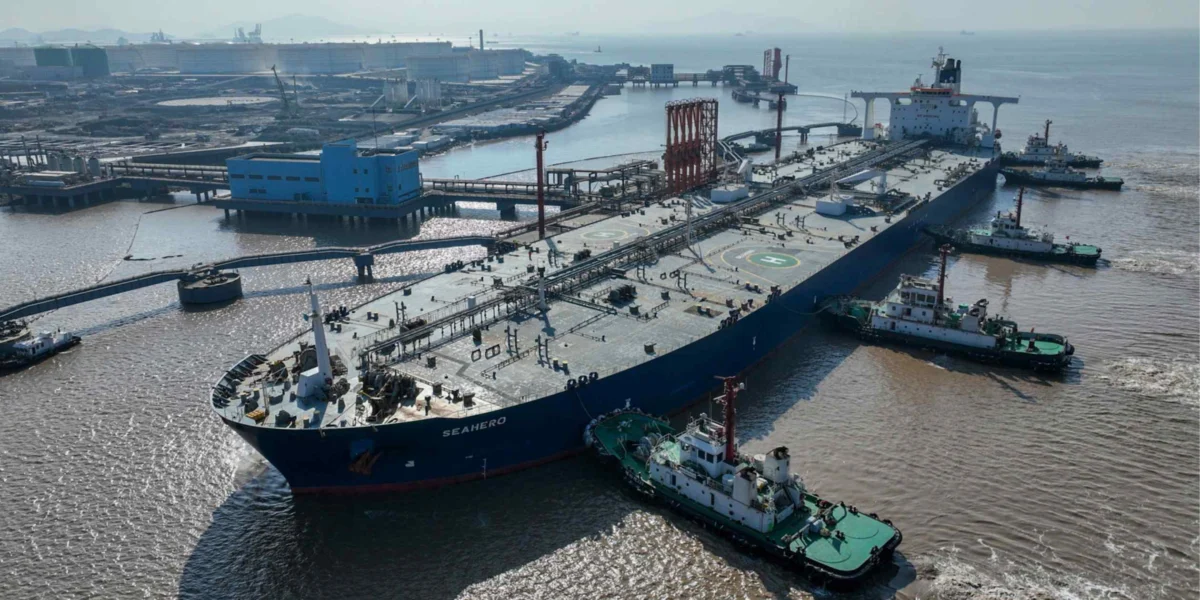
The global energy market, typically hypersensitive to geopolitical flashpoints, has demonstrated a surprising resilience in the face of escalating U.S.-Iran military tensions and the consequent threat to vital shipping lanes. While the anticipated disruption of tanker traffic through the Strait of Hormuz, a critical chokepoint for a significant portion of the world’s oil supply, had market watchers bracing for a steep ascent in crude oil prices, China’s strategic adjustments in its energy demand have played a pivotal role in moderating price increases. This unexpected buffer underscores the evolving dynamics of global energy consumption and the increasing influence of major importing nations in shaping market reactions to supply-side shocks.
Escalating Tensions and the Specter of Supply Disruption
The recent military confrontation between the United States and Iran, which has seen a significant increase in naval activity and rhetoric in the Persian Gulf, immediately raised concerns about the security of the Strait of Hormuz. This narrow waterway, located between Iran and Oman, is the conduit for approximately 30% of the world’s seaborne oil trade. Any sustained closure or significant disruption of traffic through the strait could, in theory, precipitate a global oil supply crisis, leading to sharp price hikes and potentially triggering economic instability.
Historically, such geopolitical escalations in the region have sent crude oil futures spiraling upwards. The benchmark Brent crude, for instance, has often reacted with double-digit percentage gains to even minor skirmishes in the Persian Gulf. This time, however, the market’s reaction has been notably muted, a phenomenon that analysts attribute, in large part, to the proactive measures taken by China, the world’s largest oil importer.
China’s Strategic Pivot: Rebalancing Demand to Absorb Shocks
In the months leading up to and during the heightening of U.S.-Iran tensions, China has been engaged in a concerted effort to recalibrate its energy consumption patterns. This has involved a multi-pronged strategy aimed at diversifying its energy sources and optimizing its domestic utilization of imported crude. Key elements of this strategy include:
- Strategic Petroleum Reserve (SPR) Management: China has been steadily building its SPR capacity, a move that provides a crucial buffer against sudden supply interruptions. While the exact volume of China’s SPR is not publicly disclosed, independent estimates suggest it has grown substantially in recent years, potentially holding enough reserves to cover several weeks of its import needs. This strategic stockpile allows China to absorb temporary supply shortfalls without immediately needing to procure additional oil on the spot market, thereby reducing upward pressure on prices.
- Increased Domestic Production and Alternative Sources: While China remains a net importer, efforts to boost domestic oil and gas production have been intensified. Furthermore, the nation has been actively diversifying its import portfolio, seeking to reduce reliance on Middle Eastern crude. This includes increased purchases from countries such as Russia, Venezuela (where sanctions have been somewhat eased or circumvented), and various African nations. Diversification not only spreads risk but also provides alternative supply routes that are less vulnerable to disruptions in the Strait of Hormuz.
- Shifting Refining and Petrochemical Operations: China’s vast refining sector has also seen strategic adjustments. By optimizing refinery runs and prioritizing the processing of crude that can be transported via alternative routes or is already in storage, the country can maintain its petrochemical production levels even with fluctuating crude oil deliveries. This involves a more dynamic approach to refinery feedstock selection and operational scheduling.
- Demand-Side Management: While less publicized, China has also implemented policies aimed at influencing energy demand. These can include measures to promote energy efficiency, encourage the use of alternative fuels in transportation and industry, and even temporary adjustments in industrial output in sectors heavily reliant on energy-intensive processes.
Historical Context: The Strait of Hormuz and Market Volatility
The Strait of Hormuz has been a focal point of geopolitical risk for decades, particularly since the Iran-Iraq War in the 1980s. Its strategic importance has led to numerous instances of heightened tension and market anxiety.
- 1980s: During the Iran-Iraq War, both sides targeted oil tankers in the Gulf, leading to significant price spikes and necessitating the U.S. Navy’s "Operation Earnest Will" to protect shipping.
- 2010-2012: Tensions surrounding Iran’s nuclear program saw repeated threats from Tehran to close the strait. While the strait was never fully closed, the rhetoric alone caused considerable market volatility, with Brent crude briefly exceeding $120 per barrel in 2012.
- 2019: A series of attacks on oil tankers in the Persian Gulf, which the U.S. attributed to Iran, again heightened concerns and led to temporary price increases.
Each of these historical episodes underscores the inherent vulnerability of global oil supply to events in this region. The current situation, therefore, presented a familiar scenario for market participants, yet the response has been markedly different.
Supporting Data and Market Indicators
Evidence of China’s moderating influence can be observed in several key market indicators:
- Crude Oil Price Movements: While prices did see an initial uptick following the escalation of U.S.-Iran hostilities, the surge was significantly less pronounced and sustained than many analysts had predicted. Brent crude, for example, experienced a temporary spike but has largely remained within a range that reflects ongoing market fundamentals rather than outright panic. WTI (West Texas Intermediate) futures have shown a similar pattern.
- Shipping Data: Although concerns about tanker traffic through the Strait of Hormuz remain, there has not been a complete cessation of oil shipments. Reports from maritime analytics firms suggest that while some rerouting and increased security measures may be in place, oil continues to flow, albeit with heightened vigilance.
- Inventory Levels: Global oil inventories, including those held by major consumers like China, have remained at healthy levels, providing a cushion against immediate supply shocks. The ability to draw down these inventories allows for a more gradual adjustment to any supply disruptions.
Reactions from Key Stakeholders
While official statements from governments often focus on diplomatic efforts and maintaining stability, the actions of major energy consumers speak volumes.
- Chinese Ministry of Commerce: While not directly commenting on oil price speculation, Chinese officials have consistently emphasized the importance of energy security and diversified supply chains. Statements have often highlighted the nation’s commitment to maintaining stable energy imports through "all necessary means."
- International Energy Agency (IEA): The IEA, in its regular market reports, has acknowledged the heightened geopolitical risks but has also noted the presence of significant spare production capacity among OPEC+ members and robust inventory levels globally, which could mitigate the impact of a short-term supply disruption.
- Oil Majors and Traders: Market participants, particularly major oil companies and trading houses, have been closely monitoring the situation. Their hedging strategies and purchasing decisions are directly influenced by their assessment of supply risks and demand resilience. The current muted price reaction suggests a collective assessment that the immediate threat to supply is being effectively managed, at least in the short to medium term.
Broader Implications and Future Outlook
China’s ability to absorb potential supply shocks through strategic demand management has significant broader implications for the global energy landscape:
- Shifting Power Dynamics: The influence of major importing nations like China in stabilizing global energy markets is growing. This can potentially reduce the leverage of oil-producing nations and blocs in dictating price terms during geopolitical crises.
- Increased Importance of SPRs: The effectiveness of China’s SPR strategy may encourage other major energy consumers to bolster their own strategic reserves, leading to a more resilient global energy system.
- Diversification as a Long-Term Strategy: The current situation reinforces the strategic imperative for all nations to diversify their energy sources and import routes, reducing vulnerability to single points of failure.
- Impact on Energy Transition: While the immediate focus is on fossil fuel supply, the persistent geopolitical risks in oil-producing regions may indirectly accelerate the long-term transition to renewable energy sources as nations seek greater energy independence.
However, it is crucial to note that the situation remains fluid. A prolonged conflict or a deliberate closure of the Strait of Hormuz would undoubtedly test the resilience of China’s demand rebalancing and could still lead to significant price volatility. The current stability is a testament to strategic foresight and proactive measures, but the underlying geopolitical tensions in the Persian Gulf continue to pose a latent risk to global energy security. The coming weeks and months will be critical in observing whether these mitigating factors can continue to hold against the full force of potential supply disruptions, or if the market will eventually be forced to confront the full economic consequences of a crisis in one of the world’s most vital energy arteries.