Lina Wu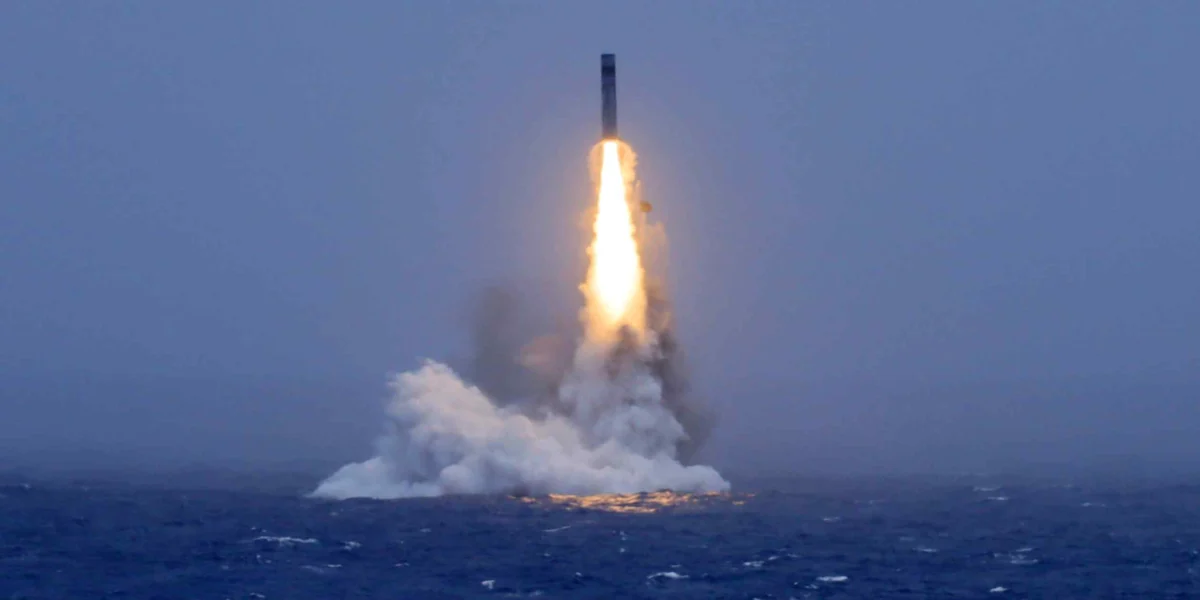
TOKYO — The Japanese government is set to explore avenues for strengthening the extended nuclear deterrence provided by the United States, a critical component of its national security strategy, as part of upcoming revisions to three pivotal security documents slated for year-end. This proactive stance is driven by a rapidly evolving and increasingly complex geopolitical landscape, marked by heightened military activities and assertive postures from regional powers, which are compelling Tokyo to re-evaluate its defense posture and alliance commitments.
Escalating Security Challenges Drive Strategic Reassessment
The impetus for this strategic re-evaluation stems from a confluence of factors that have significantly altered the security calculus for Japan. Chief among these is the demonstrably growing offensive capabilities of China, exemplified by recent events such as the launch of a ballistic missile from a nuclear submarine this month. While the specific details of this launch remain under close scrutiny, its mere execution underscores Beijing’s commitment to modernizing and expanding its strategic deterrent. This development, coupled with China’s persistent assertiveness in the East China Sea and its ambitious military expansion, has amplified concerns within Japan about the potential for regional instability and direct threats to its territorial integrity and economic lifelines.
Beyond China, the ongoing military activities and nuclear program of North Korea continue to pose a persistent and immediate threat. Pyongyang’s regular missile tests, often conducted with little to no warning, directly challenge regional security and violate international norms. These provocations underscore the fragility of peace on the Korean Peninsula and necessitate a robust and credible deterrence posture.
Furthermore, the broader geopolitical shifts, including the war in Ukraine and its implications for global power dynamics, have not gone unnoticed in Tokyo. The war has highlighted the potential for conventional conflicts to escalate and has underscored the importance of strong alliances and a credible deterrent, including nuclear deterrence, in maintaining peace and stability. Japan, deeply reliant on its alliance with the United States for its security, is acutely aware that the credibility of this alliance, particularly its nuclear umbrella, is paramount in deterring potential aggressors.
A Chronology of Growing Concerns
The current reassessment of Japan’s security policy is not an isolated event but rather a culmination of years of escalating regional tensions and evolving threats.
Early 2010s: Japan begins to express growing concern over China’s increasing military modernization and its assertive territorial claims, particularly in the East China Sea. The Senkaku/Diaoyu Islands dispute becomes a recurring flashpoint.
Mid-2010s: North Korea intensifies its nuclear and missile development programs, conducting multiple tests that raise regional and international alarms. Japan strengthens its missile defense systems in response.
Late 2010s: The Trump administration in the U.S. questions the cost-effectiveness of alliances and suggests a greater burden-sharing by allies, prompting discussions within Japan about its own defense contributions and the nature of the U.S.-Japan alliance.
Early 2020s: The COVID-19 pandemic and its global economic fallout coincide with heightened geopolitical competition. China’s assertiveness in the Indo-Pacific region continues to grow, and concerns about its intentions towards Taiwan intensify.
2022-2023: The Russian invasion of Ukraine sends shockwaves globally, highlighting the potential for large-scale conflict and the critical importance of deterrence. Japan significantly increases its defense spending and begins a more thorough review of its security documents.
July 2026: China’s launch of a ballistic missile from a nuclear submarine, as reported, serves as a stark and recent reminder of the advancing capabilities of potential adversaries and reinforces the urgency of Japan’s security review.
The Foundation of Extended Nuclear Deterrence
Japan’s security policy has been anchored in its "peace constitution" since the end of World War II, which renounces war and the maintenance of offensive military capabilities. However, the nation has consistently relied on the U.S.-Japan Security Treaty, particularly the "nuclear umbrella" provided by the United States. This extended nuclear deterrence signifies that the U.S. would consider an attack on Japan with nuclear weapons as an attack on itself, thereby extending its own nuclear deterrent to protect Japan.
This arrangement has been the cornerstone of Japan’s defense strategy for decades, allowing it to focus its resources on conventional defense capabilities while relying on the U.S. for strategic nuclear deterrence. The U.S. military presence in Japan, including its nuclear-capable assets, serves as a visible manifestation of this commitment.
Supporting Data and Analysis
The recent events and ongoing trends provide a stark quantitative and qualitative backdrop to Japan’s security considerations.
- China’s Defense Budget: China’s official defense budget has seen consistent double-digit percentage increases for much of the past two decades. In 2023, it was reported to be approximately $224 billion, a 7.2% increase from the previous year. However, many analysts believe the actual spending is significantly higher, particularly in areas like naval expansion and advanced weapons development, including its submarine-launched ballistic missile (SLBM) program. The development and deployment of advanced SLBMs, such as those capable of carrying multiple independently targetable re-entry vehicles (MIRVs), significantly enhance a nation’s second-strike capability and complicate missile defense strategies.
- North Korea’s Missile Capabilities: North Korea has conducted an unprecedented number of ballistic missile tests in recent years. In 2022 alone, it launched over 70 missiles, including intercontinental ballistic missiles (ICBMs) capable of reaching the U.S. mainland. This relentless testing suggests a rapid advancement in its missile technology and a persistent effort to develop a credible nuclear deterrent.
- Japan’s Defense Spending: In response to these growing threats, Japan has embarked on a significant increase in its defense spending. The government has pledged to raise defense expenditures to approximately 2% of its GDP by 2027, a substantial leap from its current level. This increased spending is earmarked for acquiring new capabilities, including long-range strike capabilities, advanced missile defense systems, and enhanced intelligence, surveillance, and reconnaissance (ISR) assets.
- U.S. Nuclear Posture: The United States maintains a robust nuclear arsenal and a stated policy of extended deterrence for its allies. However, the perceived future posture of U.S. nuclear weapons policy and its commitment to allies can be influenced by domestic political considerations and global strategic shifts. Any perceived wavering in this commitment, however unlikely, would be a significant concern for Japan.
Potential Revisions and Their Implications
The revisions to Japan’s three key security documents—the National Security Strategy (NSS), the National Defense Program Guidelines (NDPG), and the Mid-Term Defense Program (MTDP)—are expected to outline a more assertive and capable defense posture. While the specifics are yet to be finalized, several potential avenues for bolstering extended nuclear deterrence are likely to be explored:
- Enhanced Intelligence Sharing and Coordination: Deeper integration of intelligence, surveillance, and reconnaissance capabilities between Japan and the U.S. would allow for earlier detection of threats and more effective coordinated responses. This could involve joint exercises and the development of shared early warning systems.
- Joint Strategic Planning and Exercises: Increased joint planning for various contingencies, including scenarios involving nuclear threats, would enhance the credibility and effectiveness of extended nuclear deterrence. Regular joint exercises simulating these scenarios would further solidify the alliance’s preparedness.
- Discussion of Burden-Sharing within the Alliance: While Japan maintains its non-nuclear stance, discussions around how Japan can further contribute to the overall deterrence posture, within the bounds of its constitution, might arise. This could involve roles in missile defense, conventional strike capabilities that complement nuclear deterrence, and the strategic positioning of allied assets.
- Advocacy for U.S. Nuclear Modernization and Posture: Japan might subtly, or overtly, advocate for the U.S. to maintain and modernize its nuclear arsenal and to ensure a credible and visible presence of nuclear-capable assets in the Indo-Pacific region. This could involve discussions about the deployment of specific types of U.S. nuclear weapons or the frequency of strategic bomber patrols.
- Exploration of "Nuclear Sharing" (Highly Unlikely but Discussed in some Circles): While extremely sensitive and politically challenging, the concept of "nuclear sharing" – where allies host U.S. nuclear weapons and have the potential for their use under certain conditions – might be a theoretical topic of discussion in some academic or policy circles, though it is highly improbable given Japan’s current constitutional and public sentiment. However, any discussion, even theoretical, highlights the depth of concern.
The implications of these potential revisions are significant. A strengthened extended nuclear deterrence would aim to deter potential adversaries more effectively, thereby reducing the likelihood of conflict. It would also signal a continued and robust commitment from the United States to Japan’s security, reinforcing regional stability.
However, these revisions also carry inherent risks. Increased military capabilities and a more prominent role in deterrence could be perceived as provocative by regional powers, potentially leading to an arms race or increased tensions. Japan will need to carefully balance its security needs with its commitment to de-escalation and peaceful resolution of disputes.
Official Responses and Public Sentiment
The Japanese government has consistently reiterated its commitment to its pacifist constitution while also acknowledging the need to adapt to the evolving security environment. Prime Minister Fumio Kishida has emphasized the importance of strengthening Japan’s defense capabilities and deepening its alliance with the United States.
"We are facing an increasingly severe security environment," stated a senior Japanese Ministry of Defense official, speaking on condition of anonymity. "Our revisions will focus on ensuring that Japan’s defense capabilities are robust and credible enough to deter any potential aggressor and to protect our people and our territory. The extended nuclear deterrence provided by the United States remains a vital pillar of our security."
Public sentiment in Japan regarding nuclear weapons is complex, deeply shaped by the historical experience of the atomic bombings of Hiroshima and Nagasaki. While there is a strong pacifist undercurrent and a general aversion to nuclear weapons, there is also a growing recognition of the need for effective deterrence in the face of regional threats. Surveys have shown a gradual increase in public support for strengthening defense capabilities, and while the idea of Japan acquiring its own nuclear weapons remains largely taboo, a greater reliance on U.S. extended deterrence garners more acceptance.
Broader Impact and Future Outlook
The decisions made by Japan in its upcoming security document revisions will have far-reaching implications, not only for its own security but also for the broader Indo-Pacific region. A stronger, more integrated U.S.-Japan security posture could serve as a stabilizing force, encouraging other nations to uphold international norms and deterring aggressive actions. Conversely, it could also be interpreted as a move towards militarization, potentially fueling regional rivalries.
The international community will be closely watching Japan’s strategic adjustments. The success of these revisions will depend on their ability to enhance deterrence without provoking unintended escalation, and to maintain Japan’s commitment to a peaceful, rules-based international order. The ongoing re-evaluation of Japan’s security posture represents a critical juncture, one that will define the nation’s role and its contribution to regional and global peace in the coming years. The delicate balance between self-defense, alliance commitments, and the deeply ingrained pacifist values will continue to shape Japan’s strategic path forward.