Ena Muazin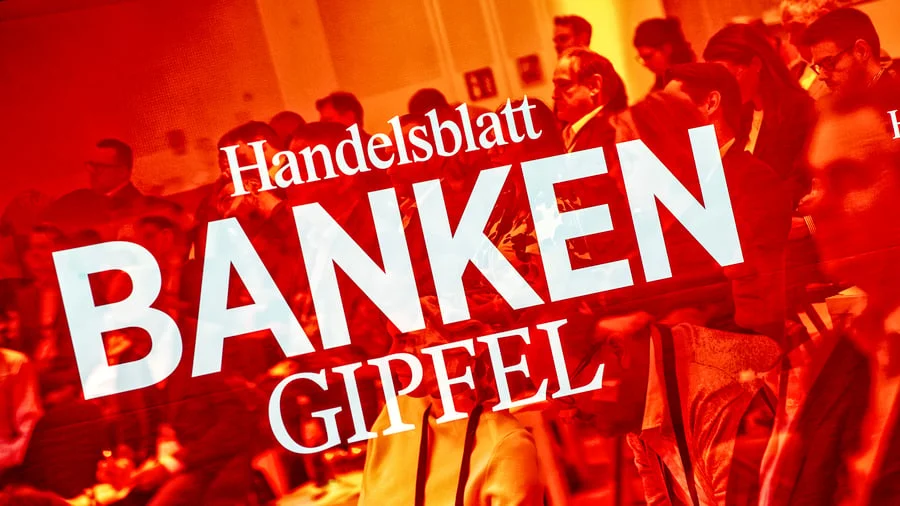
The summer break for the financial industry has officially concluded with the commencement of the Handelsblatt Banking Summit, a pivotal gathering that brings together leaders, policymakers, and experts to dissect the most pressing issues facing the banking sector. Day one of the summit, held in Frankfurt, saw a robust exchange of ideas and insights, with a particular focus on the evolving economic landscape, regulatory challenges, and the strategic imperatives for financial institutions in the coming year. The event serves as a crucial barometer for the health and direction of the German and European banking markets, offering a platform for frank discussions on everything from geopolitical risks to digital transformation.
Setting the Stage: The Post-Summer Financial Outlook
As the doors opened for the Handelsblatt Banking Summit, a palpable sense of urgency and anticipation filled the air. The financial world, emerging from its traditional summer lull, is confronted with a complex tapestry of economic headwinds and transformative forces. Inflationary pressures, interest rate hikes, and ongoing geopolitical instability continue to cast a long shadow over the global economy, directly impacting the profitability and strategic planning of banks. This year’s summit, therefore, is not merely a forum for dialogue but a critical juncture for charting a course through uncertain terrain.
The program for the first day featured a distinguished lineup of speakers, including Christian Sewing, CEO of Deutsche Bank; Cornelius Riese, CEO of DZ Bank; Steven van Rijswijk, CEO of ING; and Mark Branson, the head of Germany’s financial supervisory authority, BaFin. Their contributions offered a multifaceted perspective on the challenges and opportunities ahead, setting a tone of pragmatic assessment and forward-looking strategy.
Keynotes and Conversations: Unpacking the Major Themes
Christian Sewing’s Strategic Imperatives for Deutsche Bank
Deutsche Bank CEO Christian Sewing’s address underscored the ongoing transformation of the banking giant. He emphasized the bank’s commitment to its strategic goals, highlighting the importance of rigorous cost management and a disciplined approach to capital allocation. Sewing’s remarks suggested a continued focus on strengthening the core businesses, particularly the corporate and investment banking divisions, while also navigating the complexities of a higher interest rate environment. He likely reiterated the bank’s progress in deleveraging and improving its operational efficiency, aiming to assure stakeholders of its resilience and long-term viability. The global economic slowdown and its potential impact on lending and investment activities would have been a central concern, with Sewing likely stressing the need for adaptability and risk mitigation.
Cornelius Riese on the Cooperative Banking Sector’s Role
Cornelius Riese, at the helm of DZ Bank, the central institution for Germany’s cooperative banking group, provided insights into the sector’s unique position. Riese is expected to have highlighted the cooperative banks’ inherent strengths, such as their strong regional presence, customer loyalty, and diversified business models. In an era of consolidation and digital disruption, he likely emphasized the sector’s ability to leverage its community-oriented approach to maintain relevance and serve its members effectively. Discussions may have also touched upon the challenges of competition from fintechs and larger universal banks, and how cooperative banks are adapting through digital innovation and strategic partnerships while retaining their core values. The regulatory burden and its impact on smaller financial institutions would also be a pertinent topic.

Steven van Rijswijk on Navigating European Banking Dynamics
The CEO of ING, Steven van Rijswijk, offered a pan-European perspective, likely addressing the broader economic and regulatory landscape impacting banks across the continent. His commentary would have likely focused on the ongoing impact of monetary policy tightening by the European Central Bank and its implications for lending volumes, net interest margins, and credit risk. Van Rijswijk may have also discussed the critical role of digital transformation in enhancing customer experience and operational efficiency, as well as the increasing importance of sustainability and ESG (Environmental, Social, and Governance) factors in banking strategy. The competitive pressures within the European market and the need for cross-border collaboration or adaptation to varying national regulatory frameworks would also be key discussion points.

Mark Branson’s Regulatory Perspective from BaFin
As the head of BaFin, Germany’s financial supervisory authority, Mark Branson’s input is always highly anticipated. His address likely centered on the key priorities for financial supervision in the current economic climate. Branson would have undoubtedly addressed the challenges posed by inflation, rising interest rates, and potential credit defaults. He likely emphasized the importance of robust risk management frameworks, adequate capital buffers, and effective governance structures within financial institutions. The ongoing evolution of regulatory requirements, including those related to digital assets, cybersecurity, and climate risk, would also have been prominent. Branson’s message would likely have been one of vigilance and a call for continued prudence and adherence to regulatory standards to ensure the stability of the financial system.

Live Blog Insights: Capturing the Moment
The live blog format of the summit allowed for real-time dissemination of key statements and developing narratives. Early entries would have captured the initial welcoming remarks, setting the stage for the day’s proceedings. As the keynote speeches progressed, the live blog would have distilled the most impactful quotes and emerging themes. For instance, an early post might have noted Christian Sewing’s firm stance on cost discipline, followed by Cornelius Riese’s emphasis on the cooperative banking sector’s resilience.
The live blog would also serve to document the initial reactions and sentiment among attendees. Brief observations on the atmosphere in the hall, the level of engagement during Q&A sessions, and any spontaneous interactions between prominent figures could have provided color and context. The first day’s entries would have aimed to provide a comprehensive yet concise overview of the critical messages being delivered, serving as a valuable resource for those unable to attend in person.

Supporting Data and Contextual Analysis
The discussions at the Banking Summit are intrinsically linked to current economic data and industry trends. For instance, the commentary on interest rate hikes by central banks would be contextualized by recent inflation figures released by national statistical offices, such as Destatis in Germany. Discussions on credit risk would be informed by reports from credit rating agencies and economic research institutes that track loan default rates and economic growth forecasts.
The German banking sector, in particular, is navigating a period of significant structural change. While larger institutions like Deutsche Bank are undergoing extensive restructuring, the cooperative and savings bank sectors, comprising a substantial portion of the market, are focused on adapting to digitalization and maintaining their competitive edge. The ongoing debate surrounding the future of banking in Europe, influenced by regulatory developments from Brussels and the strategic decisions of major global financial players, provides a backdrop to these discussions. The summit’s insights are therefore crucial for understanding the immediate and long-term implications for the financial services industry, its customers, and the broader economy.

Broader Implications and Future Outlook
The statements and discussions at the Handelsblatt Banking Summit on day one offer a critical glimpse into the strategic priorities and challenges confronting the financial industry. The emphasis on cost management, operational efficiency, and robust risk frameworks reflects a prudent approach to an uncertain economic future. Simultaneously, the acknowledgment of digital transformation and sustainability as key drivers of future success signals a recognition of the sector’s evolving landscape.
The insights gleaned from the summit will undoubtedly inform the strategies of financial institutions, regulatory bodies, and policymakers in the months and years to come. As the event progresses, further keynotes and panel discussions will likely delve deeper into specific areas such as the future of payments, the role of artificial intelligence in banking, and the challenges of climate finance. The collective wisdom shared at this summit serves as an indispensable guide for navigating the complex and dynamic world of modern finance.